

The Business Case for Proactive vs. Reactive Pump Replacement
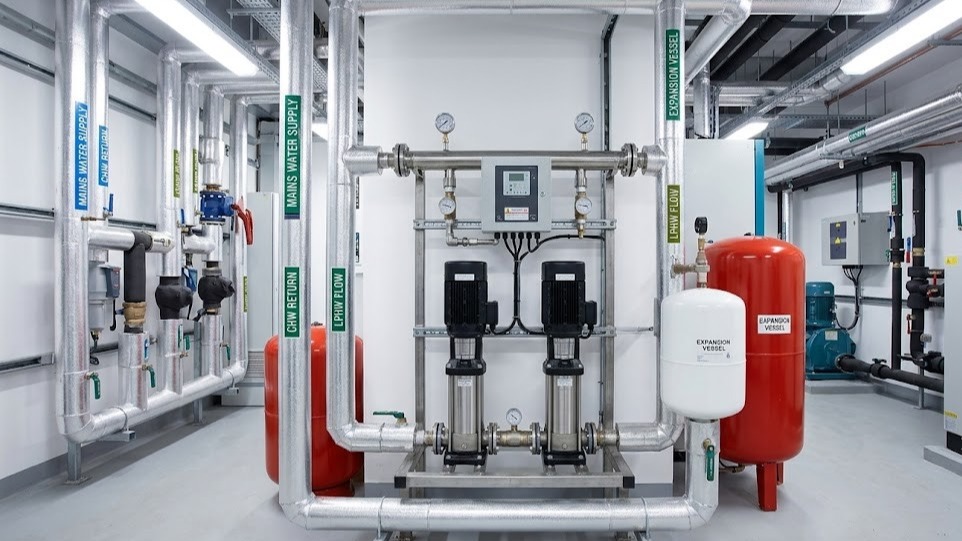
A circulator pump fails at 2 AM on a Sunday. The building loses heating. Emergency callouts cost triple the standard rate. Tenants complain. The replacement pump arrives on express delivery at premium cost. Total damage: £3,200 for a £400 pump, plus reputational harm that's harder to quantify.
This scenario plays out across UK commercial buildings every winter. The question isn't whether pumps will fail - it's whether facilities managers will control the timing and cost of replacement, or let equipment failures dictate the schedule.
The financial case for proactive pump replacement extends beyond avoiding emergency callouts. It encompasses energy efficiency gains, reduced downtime, predictable budgeting, and extended system life. National Pumps and Boilers supplies commercial heating equipment to facilities across the UK, and the data from thousands of installations reveals a consistent pattern: planned pump upgrades cost 60-70% less than reactive fixes when all factors are considered.
The True Cost of Reactive Pump Replacement
Reactive maintenance - fixing equipment only after it fails - appears cost-effective on paper. The capital expenditure occurs only when absolutely necessary. No money spent on pumps that "still work."
This accounting masks substantial hidden costs.
Emergency Labour Premiums
Out-of-hours callouts typically cost 2-3 times standard rates. A heating engineer charging £65 per hour during business hours commands £150-200 for emergency weekend work. A straightforward pump swap taking three hours suddenly costs £450-600 in labour alone, compared to £195 for planned installation.
Express Delivery Charges
Failed pumps demand immediate replacement. Next-day delivery adds £25-50 to equipment costs. Same-day courier service for critical commercial applications can exceed £100. These charges evaporate with planned pump upgrades - standard delivery includes free UK mainland delivery on most orders.
System Downtime Costs
A commercial office building without heating in January creates measurable business impact. Tenant complaints escalate to formal grievances. Some occupiers cite breach of lease terms. Retail environments lose footfall when temperatures drop. Manufacturing facilities may halt temperature-sensitive processes.
The British Council for Offices estimates that uncomfortable thermal conditions reduce office productivity by 4-6%. For a 200-person office with average salary costs of £35,000, a single day of heating failure costs approximately £2,700 in lost productivity - exceeding the cost of the pump itself.
Secondary System Damage
Pump failures rarely occur in isolation. A seized circulator can damage the boiler control board through electrical feedback. Sudden flow loss causes thermal shock to heat exchangers. System pressure fluctuations stress expansion vessels and pipe joints.
One facilities management company documented secondary damage in 34% of emergency pump replacements, adding an average of £680 in additional repairs per incident.
Suboptimal Equipment Selection
Emergency replacements prioritise availability over specification. The heating engineer installs whatever pump the merchant has in stock that morning. This "good enough" approach often means:
Oversized pumps that waste energy, older technology lacking variable speed control, brands with limited spare parts support, and equipment incompatible with building management systems.
These compromises create ongoing efficiency penalties. A fixed-speed pump installed in emergency replacement of a failed variable-speed unit can cost £120-180 annually in excess electricity consumption for a typical commercial heating system.
The Financial Advantages of Proactive Pump Replacement
Planned pump upgrades invert the cost structure. Instead of reacting to failures, facilities managers schedule replacements based on equipment age, performance monitoring, and lifecycle planning.
Predictable Capital Planning
Proactive pump replacement enables accurate budget forecasting. A facilities manager overseeing 40 commercial buildings can predict that approximately 8-12 pumps will require replacement annually based on installation dates and manufacturer lifecycle data. This creates a known annual budget line of £4,000-6,000, rather than unpredictable emergency expenses ranging from £8,000-15,000.
Finance departments strongly prefer predictable capital expenditure. Planned pump upgrades qualify for different budget categories than emergency repairs, often drawing from capital improvement funds with better approval processes.
Bulk Procurement Savings
Planned replacement allows bulk ordering. A facilities manager replacing six Grundfos pumps across a portfolio negotiates better pricing than buying single units reactively. Volume discounts of 12-18% are standard for orders of 5+ units.
Equipment suppliers offer additional support for planned procurement - extended payment terms, scheduled delivery to match installation windows, and technical pre-sales consultation that ensures optimal specification.
Standard-Hours Installation
Planned pump replacement occurs during normal business hours with scheduled building access. This eliminates emergency callout premiums and allows proper installation procedures. The heating engineer has time to commission the pump correctly with flow balancing, update building management system integration, train building staff on operation, and document installation with warranty registration.
This thoroughness reduces callbacks and warranty claims. One mechanical services contractor reported that planned installations generated 4% callback rates versus 19% for emergency replacements.
Energy Efficiency Upgrades
Proactive pump replacement creates opportunities to upgrade to current technology. A 15-year-old fixed-speed pump replaced with a modern variable-speed unit delivers immediate energy savings.
The Seasonal Efficiency of Domestic Boilers in the UK (SEDBUK) database shows that ErP-compliant circulators consume 70-80% less electricity than pre-2013 models. For a commercial building running three primary circulation pumps continuously, upgrading from old fixed-speed to new variable-speed units saves approximately £450-650 annually in electricity costs.
These savings compound. Over a 12-year pump lifecycle, the energy savings can exceed £6,000 - more than covering the replacement cost.
Extended System Life
Aged pumps stress connected equipment. Deteriorating bearings create vibration that loosens pipe joints. Failing seals allow air ingress that accelerates corrosion. Reduced flow efficiency forces boilers to fire more frequently, increasing cycling wear.
Replacing pumps before failure protects system integrity. The Chartered Institution of Building Services Engineers (CIBSE) notes that proactive component replacement can extend overall system life by 20-30% compared to run-to-failure strategies.
Identifying the Optimal Replacement Timing
The financial case for proactive pump replacement depends on timing. Replace too early, and serviceable equipment is discarded wastefully. Replace too late, and failures occur before planned intervention.
Manufacturer Lifecycle Guidance
Commercial pump manufacturers typically specify expected operational life under standard conditions. Grundfos commercial circulators are often rated for 15-20 years with proper maintenance. However, actual conditions vary significantly.
High-temperature applications, frequent start-stop cycling, and poor water quality all reduce pump life. A DHW circulation pump running continuously at 65°C experiences more wear than a heating pump operating seasonally at 50°C.
Facilities managers should apply a 0.7-0.8 multiplier to manufacturer ratings for demanding applications. A pump rated for 15 years should be scheduled for replacement at 10-12 years in harsh service.
Performance Monitoring Indicators
Modern building management systems track pump performance continuously. Key indicators signalling approaching end-of-life include:
Declining flow rates: A pump delivering 10-15% below specification indicates bearing wear or impeller damage
Rising power consumption: Increased electrical draw suggests mechanical resistance from bearing deterioration
Elevated vibration: Accelerometer readings above manufacturer specifications indicate bearing failure progression
Temperature anomalies: Motor running hotter than normal signals electrical or mechanical issues
These indicators typically appear 6-18 months before complete failure, providing an adequate planning window for proactive pump replacement.
Maintenance History Patterns
Pumps requiring repeated seal replacements, bearing services, or electrical repairs signal approaching end-of-life. The maintenance cost threshold varies, but a useful rule: when annual maintenance costs exceed 40% of replacement cost, proactive pump replacement delivers better value.
A Wilo commercial circulator costing £650 that requires £260 in annual seal and bearing work should be replaced rather than maintained. The repair cost will recur annually while replacement provides 12-15 years of reliable service.
Building a Proactive Replacement Programme
Implementing proactive pump replacement requires systematic planning and documentation.
Asset Register Development
Comprehensive pump replacement planning starts with knowing what equipment exists. Facilities managers should maintain a digital asset register documenting pump location and system served, manufacturer and model details, installation date, performance specifications, maintenance history, and replacement cost estimate.
This register enables lifecycle planning. A facilities manager can sort by installation date to identify pumps approaching replacement age, then schedule interventions before failures occur.
Condition Assessment Protocols
Regular pump condition assessments identify deterioration before failure. Quarterly inspections should check unusual noise or vibration, visible leaks or corrosion, electrical connections and cable condition, performance against baseline flow and pressure readings, and power consumption trends.
These inspections take 10-15 minutes per pump and can be performed by building maintenance staff with basic training. Anomalies trigger a detailed assessment by heating specialists.
Replacement Scheduling Strategy
Optimal replacement scheduling balances equipment condition against operational requirements. Summer months offer ideal timing for heating system work - buildings tolerate downtime, contractors have better availability, and standard delivery timescales accommodate planning.
A facilities manager overseeing multiple buildings should schedule 3-4 pump replacements monthly during April-September rather than deferring all work to autumn when heating season creates urgency.
Supplier Relationship Management
Proactive pump replacement benefits from established supplier relationships. Working with knowledgeable suppliers to pre-specify replacement pumps for common applications ensures correct equipment arrives quickly when scheduled replacement dates approach.
This pre-specification eliminates the research and selection time that delays reactive replacements. The facilities manager knows specific model requirements for each building, making procurement a single phone call when replacement time arrives.
Real-World Financial Comparison
Consider two identical 8,000 m² office buildings with similar mechanical systems. Building A follows reactive maintenance. Building B implements planned pump upgrades.
Building A - Reactive Approach (5-Year Period)
Emergency pump replacements: 7 incidents @ £1,200 average = £8,400 Express delivery charges: £350 Secondary system damage: 2 incidents @ £680 = £1,360 Productivity loss from downtime: £5,400 Excess energy from suboptimal equipment: £900 Total cost: £16,410
Building B - Proactive Approach (5-Year Period)
Planned pump replacements: 7 units @ £520 average = £3,640 Standard delivery: £0 Secondary system damage: £0 Productivity loss: £0 Energy savings from efficient equipment: -£1,800 Total cost: £1,840
The proactive approach costs £14,570 less over five years - an 89% reduction. This calculation excludes tenant satisfaction improvements and reduced facilities management stress, which carry real but harder-to-quantify value.
Regulatory and Compliance Considerations
Building Regulations Part L2 requires that replacement pumps meet minimum energy efficiency standards. Proactive pump replacement ensures compliance through planned specification, while reactive replacement often prioritises availability over regulation adherence.
The Energy Savings Opportunity Scheme (ESOS) requires large organisations to identify energy-saving opportunities. Replacing aged, inefficient pumps with modern variable-speed units directly supports ESOS compliance and can qualify for Enhanced Capital Allowances, providing tax benefits.
Facilities managers should document pump replacements as part of energy management systems complying with ISO 50001. This documentation demonstrates a commitment to continuous improvement and supports sustainability reporting requirements.
Implementation Barriers and Solutions
Despite clear financial advantages, many facilities managers struggle to implement proactive pump replacement programmes.
Budget Approval Challenges
Finance departments often resist capital expenditure for equipment that "still works." The solution lies in presenting the total cost of ownership rather than just the replacement cost.
A business case showing that a £4,000 planned pump upgrades programme prevents £14,000 in emergency costs gains approval more readily than requesting £4,000 without context. Include energy savings, downtime costs, and emergency premium avoidance in all proposals.
Resource Constraints
Facilities teams stretched thin by day-to-day demands struggle to implement condition monitoring and replacement planning. The solution is starting small - identify the five most critical pumps in the portfolio and implement monitoring for those first.
Success with initial pumps builds the case for expanding the programme. One facilities manager began with just primary heating circulators in the flagship building, documented £3,200 in avoided costs over 18 months, then secured approval to expand across the entire portfolio.
Technical Knowledge Gaps
Not all facilities staff have the technical background to assess pump condition or specify replacements. Partnering with knowledgeable suppliers bridges this gap. Equipment specialists can provide training on condition assessment, help develop replacement specifications, and offer technical support for planning decisions.
Conclusion
The financial case for proactive pump replacement is compelling. Planned pump upgrades cost 60-70% less than reactive replacements when emergency premiums, downtime, secondary damage, and energy efficiency are considered. The difference between a £520 planned replacement and a £1,200 emergency fix multiplies across building portfolios, creating substantial cost savings.
Beyond immediate cost reduction, proactive pump replacement delivers predictable budgeting, improved system reliability, energy efficiency gains, and extended equipment life. These benefits compound over time, making the financial advantage even more pronounced in multi-year comparisons.
Implementation requires systematic asset management, condition monitoring, and supplier relationships - but these capabilities develop incrementally. Facilities managers can start with critical equipment in key buildings and expand as the programme demonstrates value.
The choice between proactive and reactive pump replacement ultimately determines whether facilities managers control their maintenance budgets and building performance, or whether equipment failures control them. For commercial buildings across the UK, the business case clearly favours proactive planning.
National Pumps and Boilers provides technical guidance on pump replacement planning and equipment specifications for commercial facilities. For expert support tailored to commercial heating systems, contact us for advice on implementing planned pump upgrades.