

The Cost of Poor Water Quality: Repairs vs. Preventative Treatment
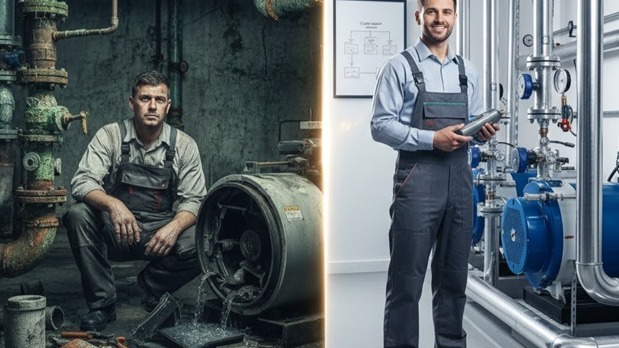
The financial impact of neglected water quality extends far beyond obvious repair bills, encompassing efficiency losses, emergency callout premiums, and shortened asset lifespans that compound over years of operation. Understanding these true costs reveals why preventative water treatment ROI calculations consistently favour proactive protection over reactive maintenance approaches.
The arithmetic of water quality management presents a compelling case for prevention. A single pump replacement, including labour and commissioning, typically costs between £300 and £800 for domestic systems, rising to several thousand pounds for commercial installations. Boiler heat exchanger repairs or replacements carry price tags from £500 to £3,000 or more depending on equipment type. These figures, multiplied across the multiple failures that untreated systems eventually experience, dwarf the modest investment required for effective water treatment programmes.
Quantifying Direct Repair Expenses
Circulator pump failures represent one of the most common consequences of neglected water quality. Grundfos circulators and other quality pumps demonstrate impressive durability under proper operating conditions, with design lifespans of 10 to 15 years or longer. However, pumps circulating contaminated water face accelerated wear from abrasive particles, bearing damage from debris ingress, and impeller erosion from corrosive conditions. These factors can reduce operational life to just two or three years, transforming a one-time purchase into a recurring expense.
The financial impact associated with pump failure extends beyond the replacement unit itself. Emergency callout charges typically add £100 to £200 to standard labour rates. System drain-down and refilling introduces fresh water requiring treatment. Diagnostic time identifying whether pump failure has caused or resulted from other damage adds further expense. When magnetite-laden water has circulated through a failed pump, inspection of the boiler heat exchanger and other components becomes necessary, often revealing additional damage requiring attention.
Boiler damage from water quality issues carries particularly severe financial implications. Heat exchanger surfaces operating in corrosive or scale-forming conditions develop deposits that reduce heat transfer efficiency before eventually causing component failure. Manufacturers increasingly specify water quality requirements within warranty terms, leaving owners responsible for replacement costs when analysis reveals inadequate treatment. A replacement heat exchanger for a modern condensing boiler may cost £600 to £1,500 for parts alone, with labour adding several hundred pounds more.
Commercial boiler systems face proportionally higher stakes. Plant room equipment serving office buildings, hotels, or manufacturing facilities carries replacement costs measured in tens of thousands of pounds. Downtime during repairs impacts building occupancy, production schedules, or guest satisfaction. The calculation for commercial installations often demonstrates payback periods measured in months rather than years.
System Cleaning and Remediation Costs
When water quality problems manifest through symptoms like cold radiators, noisy operation, or reduced performance, remedial cleaning becomes necessary. Power flushing services for domestic systems typically cost between £400 and £600, with larger properties and commercial systems commanding higher prices. Chemical cleaning programmes for heavily contaminated systems may require multiple interventions, extending both duration and expense.
The irony of remedial cleaning lies in its relationship to the underlying problem. A thorough power flush removes existing contamination but does nothing to prevent future accumulation. Without subsequent inhibitor treatment and ongoing water quality management, the same conditions that created the original problem simply repeat. Systems subjected to repeated cleaning without treatment effectively demonstrate the most expensive possible approach to water quality management.
Wilo pumps and other high-quality equipment benefit substantially from operation in properly treated systems. The capital invested in premium components delivers intended returns only when water quality supports rather than undermines their design performance. Dirt separators and magnetic filters provide valuable supplementary protection, but these devices address symptoms rather than root causes when used without chemical treatment.
Hidden Costs and Energy Waste
The visible costs of repair and replacement represent only a fraction of poor water quality costs. Energy waste from reduced system efficiency often exceeds repair expenses over typical operating periods. Scale deposits just 1mm thick on heat exchanger surfaces can reduce efficiency by 7% or more, translating directly to increased fuel consumption. Sludge accumulation restricts flow rates, forcing pumps to work harder whilst delivering less heat to occupied spaces.
Consider a commercial heating system consuming £20,000 annually in gas. A 10% efficiency reduction from water quality issues adds £2,000 to yearly fuel bills. Over the typical 15 to 20 year operational life of major plant equipment, this hidden cost accumulates to £30,000 or more, far exceeding any reasonable expenditure on preventative treatment. The calculation becomes even more favourable when considering current energy price volatility and the likelihood of continued increases.
Pump energy consumption rises when circulating contaminated water. Increased system resistance from deposits and restrictions demands higher motor power to maintain flow rates. Variable speed pumps compensate automatically but consume additional electricity. Fixed speed pumps simply deliver reduced flow, compromising heating performance whilst continuing to draw rated power. Either outcome represents ongoing operational cost that proper water treatment would eliminate.
Downtime and Disruption Impact
Heating system failures create disruption extending well beyond immediate repair costs. Domestic properties without heating during cold weather may require temporary heating provision, hotel accommodation, or alternative arrangements costing hundreds of pounds per day. Commercial premises face productivity losses, tenant complaints, or contractual penalties when heating fails. Healthcare and care facilities require immediate resolution regardless of cost implications.
The timing of failures compounds disruption costs. Heating systems face maximum demand during cold periods when repair resources face peak utilisation. Emergency callouts during winter months may involve extended waiting times, premium charges, and temporary solutions whilst parts arrive. A proactive water treatment programme, by contrast, permits planned maintenance during convenient periods with predictable costs and minimal operational impact.
National Pumps and Boilers provides equipment and guidance supporting reliable heating operation. The company understands that pump and boiler investments represent significant capital commitments deserving protection through proper operational practices. Water quality management forms an essential element of that protection, safeguarding equipment whilst optimising performance.
Preventative Treatment Investment Analysis
Preventative water treatment ROI calculations require honest assessment of programme costs against realistic projections of avoided expenses. Treatment programme components typically include initial system assessment and cleaning, inhibitor chemicals for ongoing protection, regular testing to verify treatment effectiveness, and periodic adjustments based on monitoring results.
For domestic systems, annual water treatment costs typically range from £50 to £150, depending on system size and service level. This modest investment protects equipment worth thousands of pounds whilst maintaining energy efficiency that saves additional sums each year. Commercial water treatment contracts vary more widely based on system complexity, with annual costs from several hundred to several thousand pounds for larger installations.
The payback calculation compares these ongoing costs against expected repair avoidance and efficiency maintenance. A domestic system avoiding just one pump replacement over its operational life recovers a decade of treatment costs. Commercial installations avoiding a single major boiler intervention recover years of treatment programme expenditure. When efficiency savings and extended equipment life enter the calculation, preventative water treatment ROI typically exceeds 200% over realistic timeframes.
Lowara pumps and similar quality equipment deliver optimal value when operated within design parameters, including water quality specifications. Investing in premium components whilst neglecting water treatment represents false economy, as poor conditions erode the performance and durability advantages that justified initial equipment selection.
Implementing Effective Treatment Programmes
Effective water quality management begins with understanding current system conditions. Water sampling and laboratory analysis reveal existing contamination levels, corrosion indicators, and treatment requirements. This baseline assessment informs treatment design and provides reference points for measuring programme effectiveness.
Treatment programmes should incorporate regular testing schedules confirming protection maintenance. Domestic systems typically require annual testing as minimum practice, with more frequent assessment where previous problems exist or system characteristics suggest increased risk. Commercial installations benefit from quarterly testing integrated with planned maintenance programmes, supporting BS 8552 compliance whilst identifying developing issues early.
Equipment selection supports water quality management when compatibility receives appropriate consideration. Expansion vessels properly sized and pressurised maintain sealed system integrity, minimising makeup water requirements that dilute treatment chemicals. Air elimination devices remove dissolved gases that would otherwise participate in corrosion reactions. Magnetic separators capture circulating debris before it can damage pumps and valves.
Water quality problems affect heating systems regardless of initial equipment quality or installation standards. The chemistry of untreated system water inevitably trends toward conditions that degrade components and reduce efficiency. Only active intervention through proper treatment programmes prevents this progression, protecting investments and maintaining performance throughout intended operational lifespans.
Making the Financial Case
The financial argument for preventative treatment strengthens with honest examination of alternative approaches. Reactive maintenance accepts ongoing efficiency losses, accumulates multiple repair expenses, and ultimately delivers shorter equipment life. The total lifecycle cost of this approach substantially exceeds the combination of quality treatment programmes plus extended equipment service.
Documentation supporting ROI calculations should include current energy consumption baselines, historical repair and replacement records, equipment replacement cost estimates, and treatment programme quotations. This data enables informed decision-making by property owners, facilities managers, and financial controllers responsible for heating infrastructure budgets.
DAB pumps and equipment from other established manufacturers perform to specification when operating conditions match design assumptions. Water quality represents a fundamental operating condition deserving the same attention as electrical supply, physical mounting, and system hydraulics. Neglecting any essential operating requirement predictably compromises equipment performance and longevity.
For guidance on developing cost-effective water treatment programmes for specific installations, contact the technical team for expert assessment and recommendations tailored to individual system requirements.