

The Financial Cost of Ignoring Water Quality in Commercial Heating Systems
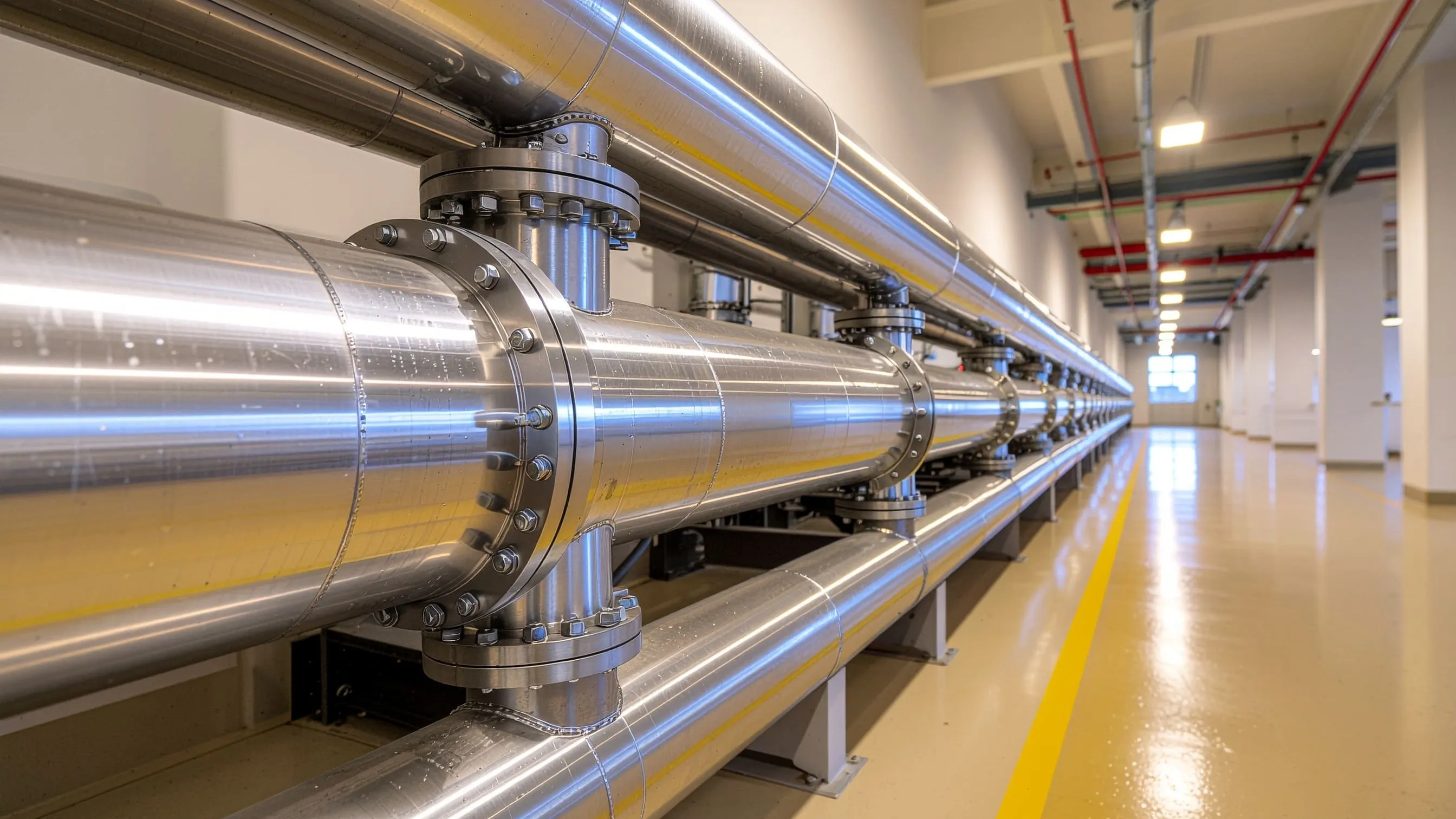
Poor water quality represents one of the most significant yet frequently overlooked expenses in commercial heating operations. Building managers often focus on visible maintenance issues, but they don't realise the gradual degradation happening inside their pipework. This untreated system water silently erodes efficiency, accelerates component wear, and multiplies your operational costs year after year.
The financial impact extends far beyond the occasional repair invoice. It fundamentally destroys your system lifespan, skyrockets your monthly energy consumption, and ruins the total cost of ownership across your entire heating infrastructure. Commercial heating networks circulating poorly maintained water face a rapid, unavoidable cascade of deteriorating conditions.
Think of neglecting water treatment exactly like ignoring the routine oil changes in a fleet of commercial delivery vans. The vehicles might run perfectly fine for a year, but eventually, the engines will seize. By trying to save a tiny amount on routine fluid maintenance, you turn a minor operational expense into a massive, catastrophic capital loss.
The Direct Costs of Poor Water Quality
Corrosion damage manifests as the most destructive and expensive consequence of neglected water treatment. Oxygen-rich water attacks ferrous components, creating abrasive iron oxide deposits that narrow your pipe bores and grind down internal mechanisms. When a severely corroded commercial heat exchanger fails, industry data indicates that replacement costs routinely exceed thousands of pounds.
Scale formation presents equally severe financial implications for your facility budget. Hard water deposits calcium carbonate directly onto your heated surfaces. Just a 1mm layer of scale creates a powerful insulating barrier, forcing your boilers to burn significantly more fuel just to hit their target temperatures. This heat transfer degradation means that facilities operating without proper treatment face massive, entirely avoidable spikes in their annual heating bills.
Component failure rates escalate dramatically when operating in these contaminated environments. A modern, high-efficiency central heating system pump designed for a decade of service frequently requires complete replacement within four years if the water is abrasive. The suspended solids score bearings, destroy mechanical seals, and corrode impellers, generating constant replacement invoices.
System Efficiency Losses and Energy Waste
The relationship between water quality and energy consumption follows highly predictable, expensive patterns. Clean system water maintains optimal heat exchange, allowing your burners to achieve target temperatures quickly and efficiently. The true cost of poor HVAC water quality becomes obvious when contaminated water forces extended firing periods and higher flow temperatures to compensate for the thick internal insulation.
Research consistently demonstrates that just a few millimetres of scale buildup reduces your overall boiler efficiency by up to 25%. For a large commercial building consuming massive amounts of gas annually, preventing heat transfer degradation represents thousands of pounds in completely saved fuel. National Pumps and Boilers consistently advises that this excess consumption compounds over the system's lifetime, creating five-figure losses that proactive maintenance would have eliminated entirely.
Restricted circulation also forces your equipment to work much harder. Internal blockages make your primary circulation pumps consume additional electrical energy whilst failing to deliver adequate heat distribution. The combined effect of impaired circulation and ruined thermal transfer can increase your total system energy consumption by over 30% compared to a protected installation.
Equipment Lifespan Reduction
Commercial heating assets represent massive capital investments engineered for 15 to 20-year service lives. Equipment operating in properly treated water routinely achieves this milestone. Conversely, identical equipment operating in highly corrosive, untreated water typically fails within a decade, representing a massive reduction in capital equipment lifespan.
When you factor in premature boiler replacement, the costs of bad water chemistry become staggering. Scale deposits create intense, localised hot spots that physically stress the metal, and acidic corrosion actively attacks the precision welds. A premium remeha boiler designed for decades of reliable operation can suffer catastrophic heat exchanger failure after just seven years if the water chemistry is completely neglected.
Avoiding premature boiler replacement is essential for preserving your long-term infrastructure budget. Circulation pump longevity relies just as heavily on the surrounding water conditions. High-performance circulation pumps engineered for tens of thousands of operating hours achieve less than half their design life in highly contaminated systems.
Operational Downtime and Business Impact
System failures caused by poor water chemistry inevitably create severe operational disruptions with quantifiable financial consequences. A commercial office building losing its primary heating during winter faces immediate costs for temporary diesel boiler hire, which often exceeds a thousand pounds per day. Extended outages whilst heavy, specialised parts like a primary grundfos pump are sourced can completely devastate a quarterly maintenance budget.
A property manager in Birmingham recently skipped their annual water treatment budget to save £900. Within eighteen months, severe scale accumulation caused catastrophic heat exchanger failures across their primary cascade system. The resulting emergency replacements and temporary heating hire ended up costing over £32,000, completely wiping out their maintenance budget for the decade.
Calculating the full cost of poor HVAC water quality requires looking at lost productivity and unreliable heating, which severely damage tenant retention and property values. Commercial tenants operating in substandard conditions will quickly exercise break clauses or demand rent reductions. The reputational damage from chronic heating problems makes it incredibly difficult to achieve premium rents, creating massive void periods for the property owner.
Essential Cost Prevention Checklist
Chemical treatment programmes represent the most cost-effective approach to preventing this financial damage. By actively maintaining your system water within the parameters specified by industry standards, you protect your capital assets.
Use this highly actionable cost prevention checklist to defend your maintenance budget:
- Install high-capacity side-stream filtration units to continuously capture and remove abrasive suspended solids from the circulating water.
- Deploy commercial water softeners on the make-up water line in hard water areas to entirely prevent calcium carbonate scale from entering the system.
- Dose the system with premium corrosion inhibitors strictly according to the manufacturer's volume calculations.
- Specify heavy-duty pump valves that resist dezincification to ensure reliable isolation during maintenance.
- Schedule monthly water sampling and quarterly laboratory analysis to catch chemistry deviations before they cause physical hardware damage.
Compliance and Insurance Implications
Industry guidelines, specifically BSRIA BG 29/2020, establish strict water quality standards for closed heating systems. Compliance with these parameters protects your equipment whilst satisfying the rigid warranty requirements from boiler and component manufacturers. Systems operating outside these specified parameters instantly void their manufacturer warranties.
For example, if a primary Wilo pump fails due to neglected water, voided warranties leave building owners financially exposed for any catastrophic replacements. Local authorities enforcing Building Regulations Part L also require heating systems to operate efficiently to meet carbon emission targets. Non-compliant systems can trigger mandatory remedial work, creating massive unexpected capital expenditure for the building owner.
Insurance implications add even more financial risk to properties with documented water quality issues. Commercial insurers increasingly scrutinise heating system maintenance records when assessing property policies or processing mechanical breakdown claims. Buildings with poor maintenance histories face significantly higher premiums or total coverage exclusions for heating system damage.
Conclusion
To prevent the massive cost of poor HVAC water quality, facility managers must prioritise proactive chemical treatment immediately. Initial treatment expenses representing less than a thousand pounds annually actively prevent damage costing tens of thousands in emergency repairs, energy waste, and premature equipment replacement. Viewing water treatment as discretionary spending rather than a fundamental engineering requirement creates a devastating false economy.
Your commercial heating network is a high-value asset that requires active defence. Protective hardware like side-stream filtration units and commercial water softeners deliver a massive, measurable return on investment within the very first year. They prevent the catastrophic breakdowns that disrupt your business operations and compromise your property's value.
Facilities managers seeking to optimise their heating system performance and strictly control long-term costs must prioritise water quality immediately. If you need help specifying replacement components for a damaged network or require expert guidance on resilient equipment upgrades, please Email Your Requirements to our dedicated technical team today.