

The Hidden Cost of Running Inefficient Pump Systems
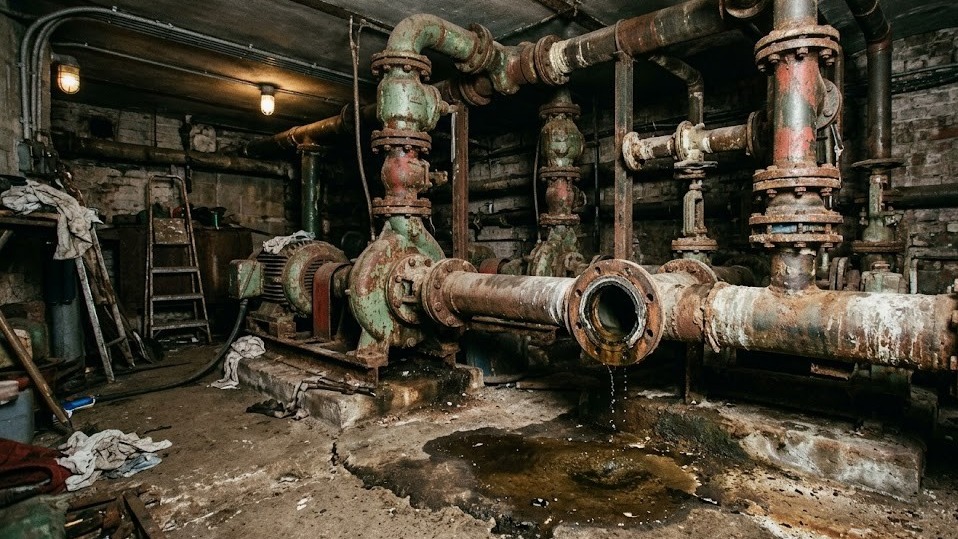
Pump systems account for nearly 20% of global electricity consumption, yet many commercial and industrial facilities continue operating equipment that wastes thousands of pounds annually. The financial impact extends far beyond monthly utility bills - inefficient pumps hidden costs trigger cascading expenses that compound over time, from premature component failure to system-wide performance degradation.
National Pumps and Boilers regularly encounters facilities running outdated circulator pumps that consume three times more energy than modern equivalents while delivering inferior performance. The pattern repeats across sectors: building managers focus on upfront equipment costs while operational costs silently erode profit margins year after year.
Energy Waste: The Primary Cost Driver
Pumps operating below optimal efficiency convert excess electricity into heat rather than useful hydraulic work. A commercial heating system running an oversized or poorly matched circulator pump can waste 40-60% of input energy through throttling losses, friction, and unnecessary flow rates.
Consider a typical scenario: a 3kW circulator pump running continuously at 70% efficiency when it should operate at 85%. The 15% efficiency gap translates to approximately 450W of wasted power. Over 8,760 hours annually, this single pump wastes 3,942 kWh - costing roughly £1,200 at current commercial electricity rates. Multiply this across multiple pumps in a facility, and annual pump energy waste costs easily reach five figures.
Variable speed drives (VSDs) address this directly. Modern Grundfos pumps with integrated VSDs automatically adjust motor speed to match system demand, reducing pump energy consumption by 30-70% compared to fixed-speed alternatives. The technology pays for itself within 18-36 months in most commercial applications, yet many facilities continue operating constant-speed pumps with throttling valves - the least efficient control method possible.
Maintenance Costs Multiply with Poor Efficiency
Inefficient pump hidden costs accelerate wear on mechanical components. Pumps running outside their best efficiency point (BEP) experience increased vibration, bearing stress, and seal degradation. This mechanical stress shortens component lifespan and increases maintenance costs frequency.
Bearing replacement intervals demonstrate this clearly. A circulator pump operating at BEP typically requires bearing replacement every 40,000-50,000 hours. The same pump operating 20% away from BEP may need bearing replacement every 15,000-20,000 hours - nearly tripling maintenance frequency and associated labour costs.
Seal Failure Patterns
Seal failure follows similar patterns. Mechanical seals operating under excessive pressure differential or flow turbulence fail prematurely, causing leakage that damages surrounding equipment and creates safety hazards. Emergency seal replacement costs £800-£1,500 when factoring callout fees, parts, and downtime - expenses that recur unnecessarily when pump system efficiency remains unaddressed.
Wilo pumps incorporate bearing monitoring and predictive maintenance features that alert operators before failure occurs, but these technologies only delay the inevitable if the underlying efficiency problems persist. Proper system design and pump selection eliminate the root cause rather than managing symptoms.
System Performance Degradation
Inefficient pumps rarely operate in isolation - they degrade performance across connected systems. Insufficient flow rates cause uneven heating distribution, comfort complaints, and compensating adjustments that further reduce overall pump system efficiency.
Undersized Pump Impacts
In commercial heating applications, undersized or worn circulator pumps fail to maintain design flow rates through distant radiators or fan coil units. Building operators typically respond by increasing boiler temperature setpoints, which reduces condensing boiler efficiency from 92-94% down to 82-85%. The compounding effect costs more than the pump inefficiency alone.
Oversized Pump Problems
Oversized pumps create opposite problems. Excessive flow rates through heat exchangers reduce temperature differential, forcing boilers to cycle more frequently. Each start-stop cycle wastes energy and accelerates boiler component wear, particularly on burners and heat exchangers. Systems designed for 20°C temperature differential but operating at 10°C effectively halve thermal transfer efficiency.
Proper pump sizing according to BS EN 12828 standards prevents these cascading inefficiencies. DHW pumps must deliver specific flow rates at calculated head pressures to maintain system design parameters. Deviation from design specifications - whether through poor initial selection or degraded performance over time - imposes operational costs that dwarf initial equipment savings.
Hidden Costs in Downtime and Disruption
Pump failures rarely occur during convenient maintenance windows. Emergency breakdowns trigger premium callout fees, expedited parts shipping, and productivity losses that multiply direct repair costs.
A failed circulation pump in a commercial building during winter creates immediate tenant complaints and potential pipe freeze risks. Emergency replacement costs £2,000-£4,000 when factoring after-hours labour rates and expedited equipment delivery. The same planned replacement during a scheduled maintenance window costs £800-£1,200 - less than half the emergency expense.
Tenant Disruption Costs
Tenant disruption carries additional costs. Commercial lease agreements often include service level commitments for heating and hot water availability. Prolonged outages may trigger rent abatements or penalty clauses, particularly in multi-tenant office or retail properties. These contractual costs rarely appear in maintenance budgets but directly impact property financial performance.
Facilities operating critical processes face even steeper downtime costs. Manufacturing plants, data centres, and healthcare facilities require continuous climate control. Pump failures in these environments can halt production, risk equipment damage, or compromise patient safety - consequences measured in tens of thousands of pounds per hour.
Regulatory Compliance and ErP Requirements
The Ecodesign Directive (ErP 2009/125/EC) established minimum efficiency standards for circulator pumps sold in the UK and EU. Since 2013, pumps must achieve minimum Energy Efficiency Index (EEI) ratings, with progressively stricter requirements phased in through 2020.
Facilities operating pre-2013 pumps likely run equipment that would be illegal to sell today due to poor efficiency. While existing installations face no immediate replacement mandate, these legacy pumps consume 2-4 times more energy than compliant alternatives. The efficiency gap represents pure waste - electricity converted to heat without useful work.
Modern ErP Standards
Modern ErP-compliant circulators from manufacturers like Grundfos and Wilo achieve EEI ratings of 0.20 or lower, indicating exceptional efficiency. Replacing a pre-2013 pump with EEI 0.40 (consuming 1,200 kWh annually) with a modern pump at EEI 0.18 (consuming 540 kWh annually) saves 660 kWh per year - worth approximately £200 annually at commercial electricity rates.
Building Regulations Part L2 requires reasonable provision for energy efficiency in existing buildings undergoing material alterations. Pump replacement during heating system upgrades must consider efficiency requirements, effectively mandating modern equipment in many scenarios. Facilities deferring upgrades to avoid capital costs may face forced compliance during future work, eliminating the option to time investments strategically.
The Lifecycle Cost Perspective
Total cost of ownership provides clearer decision-making frameworks than purchase price alone. A £400 budget circulator pump consuming 1,500 kWh annually costs £4,500 in electricity over ten years at £0.30/kWh. A £750 premium circulator consuming 600 kWh annually costs £2,550 in electricity over the same period - a £1,200 net saving despite higher initial cost.
This calculation excludes maintenance costs differences. Premium pumps typically feature better bearings, advanced seal designs, and superior materials that extend service intervals and reduce failure rates. When factoring £1,500 in avoided emergency repairs over a decade, the total lifecycle costs advantage of efficient equipment exceeds £2,700 - more than seven times the additional purchase price.
Comprehensive Payback Calculations
Payback calculations should incorporate:
Energy savings: Calculate annual kWh reduction multiplied by commercial electricity rates (typically £0.28-£0.35/kWh)
Maintenance cost reduction: Factor bearing replacement intervals, seal longevity, and reduced emergency callouts
Downtime avoidance: Estimate productivity losses or tenant disruption costs prevented through improved reliability
Compliance costs: Consider potential future mandates requiring efficiency upgrades
Most commercial pump upgrades achieve payback within 2-4 years when accounting for these factors comprehensively. Facilities replacing pumps on emergency basis sacrifice the opportunity to capture these savings, effectively paying premium prices for inferior long-term economics.
Practical Solutions for Existing Systems
Facilities operating inefficient pump systems have several intervention options depending on budget constraints and operational requirements.
Immediate Low-Cost Measures
System balancing: Verify flow rates match design specifications using ultrasonic flow meters; adjust pump valves to eliminate throttling losses
Control optimisation: Implement time schedules and setback temperatures to reduce unnecessary operating hours
Pressure adjustment: Verify system pressure using expansion vessel pre-charge; correct pressure reduces pump work and improves efficiency
Medium-Term Upgrades
Variable speed retrofits: Install VSDs on existing fixed-speed pumps where mechanical condition permits; achieves 30-50% energy savings for £1,200-£2,500 per pump
Impeller trimming: Reduce impeller diameter on oversized pumps to match actual system requirements; costs £300-£600 and improves efficiency 10-20%
Seal and bearing replacement: Restore worn pumps to original efficiency through comprehensive overhaul; appropriate when pump sizing remains correct
Long-Term System Replacement
Right-sizing: Calculate actual system requirements per BS EN 12828; select pumps operating at or near BEP under typical load conditions
Modern controls: Specify pumps with integrated VSDs, differential pressure sensors, and communication protocols for building management system integration
Redundancy planning: Install duty/standby configurations for critical applications; prevents emergency failures and enables planned maintenance
National Pumps and Boilers provides technical support for system assessment and pump selection. Proper sizing requires accurate system calculations - pipe sizing, total dynamic head, flow rates, and temperature differentials - to match equipment capabilities with actual requirements.
Conclusion
The inefficient pump hidden costs extend far beyond electricity bills. Premature component wear, system performance degradation, emergency downtime, and regulatory compliance gaps compound to create total lifecycle costs that dwarf initial equipment savings. Facilities operating legacy pumps effectively choose to pay thousands of pounds in avoidable operational costs rather than invest hundreds in proven efficiency upgrades.
Modern circulator pumps deliver measurable improvements: 40-70% energy reduction, extended maintenance intervals, improved pump system efficiency, and regulatory compliance. The technology exists and the business case is clear - continued operation of inefficient equipment represents a conscious decision to waste money.
For technical guidance on pump system assessment and efficiency upgrades, contact us. Proper equipment selection and system design eliminate pump energy waste costs while improving reliability and performance across commercial heating and circulation applications.