

The Impact of Glycol on Heat Transfer and System Efficiency
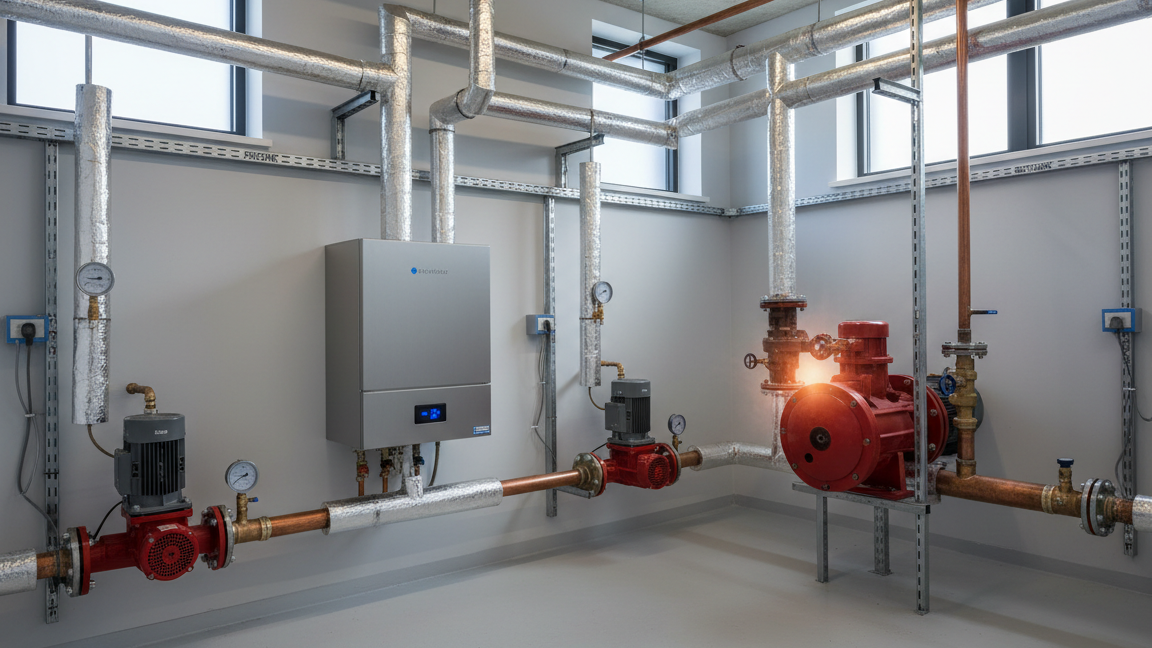
When glycol heat transfer enters the conversation in heating system design, the discussion quickly shifts from theoretical performance to practical compromise. Glycol-based antifreeze solutions protect vulnerable installations from freeze damage, but this protection comes at a measurable cost to thermal efficiency. Understanding exactly how glycol impacts system performance allows engineers and facility managers to make informed decisions about concentration levels, system design, and long-term operational strategies.
The relationship between freeze protection and efficiency requires careful analysis of climate conditions, system design temperatures, and operational requirements. Glycol affects heat transfer at every interface within the system - from boiler heat exchangers to terminal units - creating compounding effects that influence energy consumption throughout the heating season.
This guide examines the technical realities of glycol's impact on system efficiency, providing practical guidance for minimising performance penalties whilst maintaining essential freeze protection for vulnerable installations.
Understanding Glycol in HVAC Systems
What Is Glycol and Why Use It?
Glycol serves as an antifreeze additive in closed-loop heating and cooling systems, lowering the freezing point of water-based solutions to prevent ice formation during cold weather. Without protection, water freezing in pipes expands by approximately 9%, generating forces sufficient to rupture copper pipes, crack heat exchangers, and destroy circulation equipment.
Two primary glycol types serve heating applications: propylene glycol and ethylene glycol. Propylene glycol has become the preferred choice for most domestic and commercial heating installations due to its lower toxicity profile. Unlike ethylene glycol, propylene glycol poses minimal health risks if leaks occur, making it suitable for residential installations and systems where potential contact with potable water exists.
The decision to use glycol typically stems from specific installation vulnerabilities. Systems with external pipework, rooftop equipment, unheated spaces, or exposure to ambient temperatures below 4°C require freeze protection. Central heating systems serving conservatories, ground source heat pump loops, and solar thermal installations commonly require glycol to operate safely throughout winter months.
How Glycol Changes System Properties
Adding glycol fundamentally alters the physical properties of the heat transfer fluid in ways that affect every aspect of system performance. Pure water has a specific heat capacity of 4.18 kJ/kg·K, whilst a 30% propylene glycol solution drops to approximately 3.89 kJ/kg·K - a 7% reduction in heat-carrying capacity that must be compensated through increased flow rates.
Viscosity increases even more dramatically with glycol addition. At 20°C, water has a dynamic viscosity around 1.0 cP (centipoise), whilst 30% propylene glycol measures approximately 2.5 cP - a 150% increase. This higher viscosity creates greater resistance to flow, requiring more pump work to maintain circulation rates and affecting pressure drops throughout the distribution network.
Thermal conductivity also decreases with glycol concentration. Water conducts heat at roughly 0.6 W/m·K, whilst glycol solutions typically measure 0.4-0.5 W/m·K depending on concentration. This reduction in thermal conductivity means heat transfers more slowly through the fluid itself, creating additional resistance at every heat exchange interface.
Temperature dependency complicates matters further. Glycol viscosity decreases rapidly as temperature rises, creating different flow characteristics during warm-up versus steady-state operation. A pump performing adequately at 60°C operating temperature may struggle during cold starts when viscosity peaks.
Glycol Heat Transfer Performance
The Efficiency Trade-Off
The relationship between glycol concentration and glycol heat transfer efficiency follows a clear downward trend that system designers must understand and address. Each percentage point of glycol added reduces overall heat transfer effectiveness through multiple mechanisms acting simultaneously.
Research data shows that a 30% propylene glycol solution typically experiences 10-15% reduction in heat transfer coefficient compared to pure water under identical flow conditions. At 50% concentration - often specified for extreme freeze protection requirements - the heat transfer penalty can reach 20-25%, significantly affecting system capacity and energy consumption.
Grundfos pumps and other quality circulators must work harder to overcome increased viscosity, consuming more electrical energy throughout the system's operational life. The compounding effect of reduced heat transfer capacity and increased pumping energy creates measurable efficiency penalties that accumulate over heating seasons.
The freeze protection benefit follows a non-linear curve that favours modest concentrations. Moving from 0% to 30% glycol drops the freeze point from 0°C to approximately -15°C - adequate protection for most UK climates. Increasing to 50% only gains an additional -15°C of protection, yet the efficiency penalty nearly doubles. This diminishing return makes over-concentration particularly costly in terms of ongoing energy consumption.
Calculating Optimal Concentration Levels
Determining correct glycol concentration requires analysis of several factors beyond simple freeze point requirements. Start with the lowest anticipated ambient temperature the system will experience - for outdoor pipework in southern England, design temperatures around -10°C prove adequate, whilst Scotland and exposed highland locations may require protection to -15°C or lower.
Add a safety margin of 5-10°C below the design temperature to account for microclimate effects, wind chill on exposed pipework, and potential system shutdown during extreme weather events. This margin prevents ice formation even during unusual cold snaps that exceed typical winter conditions whilst avoiding excessive concentration that reduces efficiency unnecessarily.
Industry best practice recommends using the minimum glycol concentration that provides adequate freeze protection with a reasonable safety margin. For most UK installations, 25-30% propylene glycol offers sufficient protection against typical winter conditions without imposing excessive efficiency penalties on everyday operation.
National Pumps and Boilers provides expert guidance on concentration selection for specific applications, ensuring systems receive appropriate protection without unnecessary performance compromises from over-specification.
Effects on System Components
Impact on Pumps and Circulators
Increased fluid viscosity from glycol solutions forces pumps to work harder to maintain design flow rates. The relationship between viscosity and pump performance affects both the pump curve and the system resistance curve simultaneously, creating complex interactions that must be understood during equipment selection.
Higher viscosity increases friction losses throughout pipework, raising the system head requirement beyond water-based calculations. Simultaneously, pump efficiency decreases when handling more viscous fluids, particularly at lower temperatures when glycol solutions become significantly thicker. A pump sized correctly for water may deliver only 85-90% of design flow when circulating 30% glycol solution.
Wilo circulators designed for commercial glycol service incorporate oversized motors and enhanced cooling to manage the additional thermal load from moving viscous fluid. Their variable speed capability proves particularly valuable, allowing the pump to compensate for viscosity changes across the operating temperature range whilst maintaining optimal efficiency.
Energy consumption increases proportionally with the additional work required. If a system requires 20% more pump work to overcome viscosity effects, electrical consumption rises by a similar amount. Over a 20-year system lifespan, this additional energy consumption represents substantial operating costs that must be considered during system design and glycol specification.
Heat Exchanger Performance
Heat exchangers experience the most direct impact from reduced glycol heat transfer efficiency. The overall heat transfer coefficient (U-value) depends on convective heat transfer on both fluid sides, conduction through the exchanger material, and any fouling resistance. Glycol affects the convective component significantly through multiple mechanisms.
The convective heat transfer coefficient decreases due to three factors acting simultaneously: reduced thermal conductivity, increased viscosity affecting boundary layer thickness, and lower specific heat capacity reducing the fluid's ability to carry thermal energy. Combined, these effects typically reduce the U-value by 15-25% at 30% glycol concentration compared to pure water operation.
To compensate for reduced heat transfer capability, heat exchangers in glycol systems require 15-25% more surface area to deliver equivalent thermal performance. Plate heat exchangers, shell-and-tube designs, and coil heat exchangers all experience similar performance reductions, though exact magnitude depends on flow regime and temperature differentials specific to each application.
Expansion vessels must be sized appropriately for glycol systems, as the fluid expands more than water when heated. Undersized vessels cause excessive pressure build-up and frequent relief valve operation that wastes glycol and affects system efficiency through repeated fluid losses.
Practical System Optimisation Strategies
Minimising Efficiency Losses
The most effective strategy for optimising glycol heat transfer systems starts at the design stage. Specify the minimum glycol concentration that provides adequate freeze protection - resist the temptation to over-specify concentrations that impose unnecessary efficiency penalties throughout the system's operational life.
Isolate glycol to only those portions of the system that genuinely require freeze protection where possible. Many installations can use pure water in heated spaces whilst restricting glycol to vulnerable outdoor sections connected through heat exchangers. This hybrid approach minimises the total system volume containing glycol, reducing both efficiency penalties and ongoing glycol costs.
Temperature management significantly affects glycol viscosity and heat transfer performance. Systems operating at higher temperatures experience better heat transfer than those running cooler, as glycol viscosity decreases substantially with temperature increases. Design supply temperatures at the higher end of acceptable ranges when using glycol solutions, balancing efficiency against comfort requirements.
Flow optimisation helps overcome viscosity effects through intelligent control strategies. Variable speed Lowara pumps can increase flow rates when needed to compensate for reduced heat transfer coefficients, then reduce flow during partial load conditions to save energy. Modern controls balance these competing factors automatically across varying operating conditions.
System Design Considerations
System design should account for glycol from the outset rather than treating it as an afterthought. Oversizing heat exchangers by 20-25% compensates for reduced heat transfer coefficients without requiring excessive flow rates that increase pumping costs. Selecting pumps with adequate head and flow capacity for glycol service prevents performance shortfalls that compromise heating delivery.
Pipe sizing may require adjustment in glycol systems to maintain acceptable pressure drops. The increased viscosity creates higher friction losses per metre of pipe, potentially requiring larger diameter pipework in extensive distribution systems. Alternatively, accepting higher pressure drops necessitates larger pumps with greater energy consumption - either approach carries cost implications.
Pump valves and control components must be specified for glycol service, as some valve types prove unsuitable for viscous fluid applications. Verify material compatibility and pressure drop characteristics during specification to prevent performance problems after installation.
Air separation proves more challenging in glycol systems due to increased viscosity slowing bubble rise velocity. Larger air separators or reduced flow velocities through separation devices maintain proper air removal, preventing circulation problems and potential pump damage from entrained air.
Maintenance Best Practices
Testing and Monitoring
Annual glycol testing forms the foundation of proper maintenance for systems where glycol heat transfer efficiency matters. Test both concentration and pH levels, as glycol degradation produces acidic compounds that accelerate corrosion whilst reducing heat transfer performance. Concentration testing with a refractometer takes minutes but prevents both freeze damage from diluted solutions and excessive efficiency losses from over-concentration.
Visual inspection reveals obvious degradation requiring attention. Fresh propylene glycol appears clear to slightly yellow, whilst degraded glycol turns brown or dark. Any significant colour change indicates the solution requires replacement to restore both protection and efficiency. Unusual odours also suggest chemical breakdown warranting investigation.
pH monitoring detects acidification before it causes significant corrosion damage or efficiency degradation. Fresh glycol solutions typically measure pH 9-10, whilst degraded glycol drops below 7. Most manufacturers recommend replacement when pH falls below 8.5, as corrosion protection and heat transfer performance have both deteriorated significantly.
DAB pumps and other quality circulation equipment benefit from glycol maintained in good condition. Degraded glycol with depleted inhibitors accelerates pump wear through corrosion and deposits that affect bearing life and impeller condition.
Documentation and Record-Keeping
System documentation creates a maintenance history that reveals degradation patterns and helps predict replacement intervals accurately. Record concentration, pH, colour observations, and any system performance changes at each test. This data helps optimise replacement schedules and identifies potential issues before they cause failures.
Manufacturer warranty requirements often specify maintenance procedures for glycol systems. Following documented procedures and maintaining records demonstrates due diligence that supports warranty claims if equipment problems develop. DHW pumps and other critical components may have specific glycol requirements that maintenance records should confirm are being met.
Long-Term Performance Considerations
Glycol Degradation Over Time
Glycol solutions do not last indefinitely, regardless of freeze protection capability. Thermal stress, oxygen exposure, and contact with system metals gradually break down glycol molecules and deplete corrosion inhibitor packages. This degradation typically accelerates after 3-5 years, though well-maintained systems in moderate operating conditions may achieve 8-10 year service life.
High-temperature operation accelerates degradation significantly. Systems regularly operating above 120°C stress glycol solutions, causing faster breakdown that reduces both protection and heat transfer efficiency. Each 10°C increase in operating temperature roughly doubles the degradation rate - a critical consideration for high-temperature heating applications.
Oxygen ingress through non-barrier pipework, poorly sealed pumps, or inadequate pressurisation introduces oxidation that degrades glycol and promotes corrosion. Closed-loop systems with proper pressure maintenance and oxygen barriers extend glycol service life substantially compared to open or poorly sealed installations.
Cost-Benefit Analysis
The total cost of operating a glycol system includes initial glycol purchase, ongoing energy penalties from reduced efficiency, periodic testing, and eventual replacement. For a typical commercial heating system, these costs can be substantial over a 20-year lifespan and deserve careful consideration during system specification.
Initial glycol costs vary with system volume and concentration. A 1,000-litre system requiring 30% concentration needs approximately 300 litres of glycol at £8-12 per litre - an initial investment of £2,400-3,600. Larger systems scale proportionally, making glycol a significant budget line item for extensive installations.
Energy penalties from reduced glycol heat transfer efficiency compound annually. A 15% reduction in heat transfer coefficient might increase energy consumption by 8-12% depending on system design and operating conditions. For a system consuming £5,000 annually in heating energy, this represents £400-600 in additional costs every year - costs that accumulate significantly over the system's operational life.
Alternative freeze protection methods deserve consideration for some applications. Heat trace systems, insulation improvements, or design modifications eliminating freeze-vulnerable sections might prove more cost-effective over the system lifespan than accepting ongoing glycol efficiency penalties. Each project requires individual analysis comparing options.
Systems serving critical applications where freeze damage would cause catastrophic consequences often justify glycol despite efficiency costs. The insurance value of freeze protection outweighs efficiency penalties when system failure would result in production losses, property damage, or safety hazards worth tens or hundreds of thousands of pounds.
Balancing Protection and Efficiency
Glycol heat transfer systems represent a calculated compromise between freeze protection and thermal efficiency. The physics remain clear - adding glycol reduces heat transfer coefficients, increases viscosity, and imposes measurable performance penalties that translate directly to higher energy consumption. Yet for systems vulnerable to freeze damage, these penalties prove far less costly than repairing burst pipes and destroyed equipment.
Optimising glycol systems requires precision rather than guesswork. Use the minimum concentration providing adequate freeze protection with a reasonable safety margin. Test annually to verify concentration and detect degradation before it causes system damage. Design systems from the outset to accommodate glycol's physical properties rather than retrofitting protection into water-designed installations.
The efficiency penalties from glycol should not be ignored - expect 10-15% reduction in heat transfer performance at typical UK concentrations, with proportional increases in pump energy consumption. Over decades of operation, these penalties accumulate to substantial costs that must be weighed against freeze protection benefits and compared to alternative protection strategies.
Professional guidance ensures appropriate glycol selection and system design that delivers intended performance whilst maintaining essential protection. For expert advice on optimising glycol systems, minimising efficiency penalties, and maintaining reliable freeze protection, Contact Us to discuss specific requirements and receive recommendations tailored to individual installations.