

The Impact of Incorrect Pipe Sizing on Commercial Pump Performance
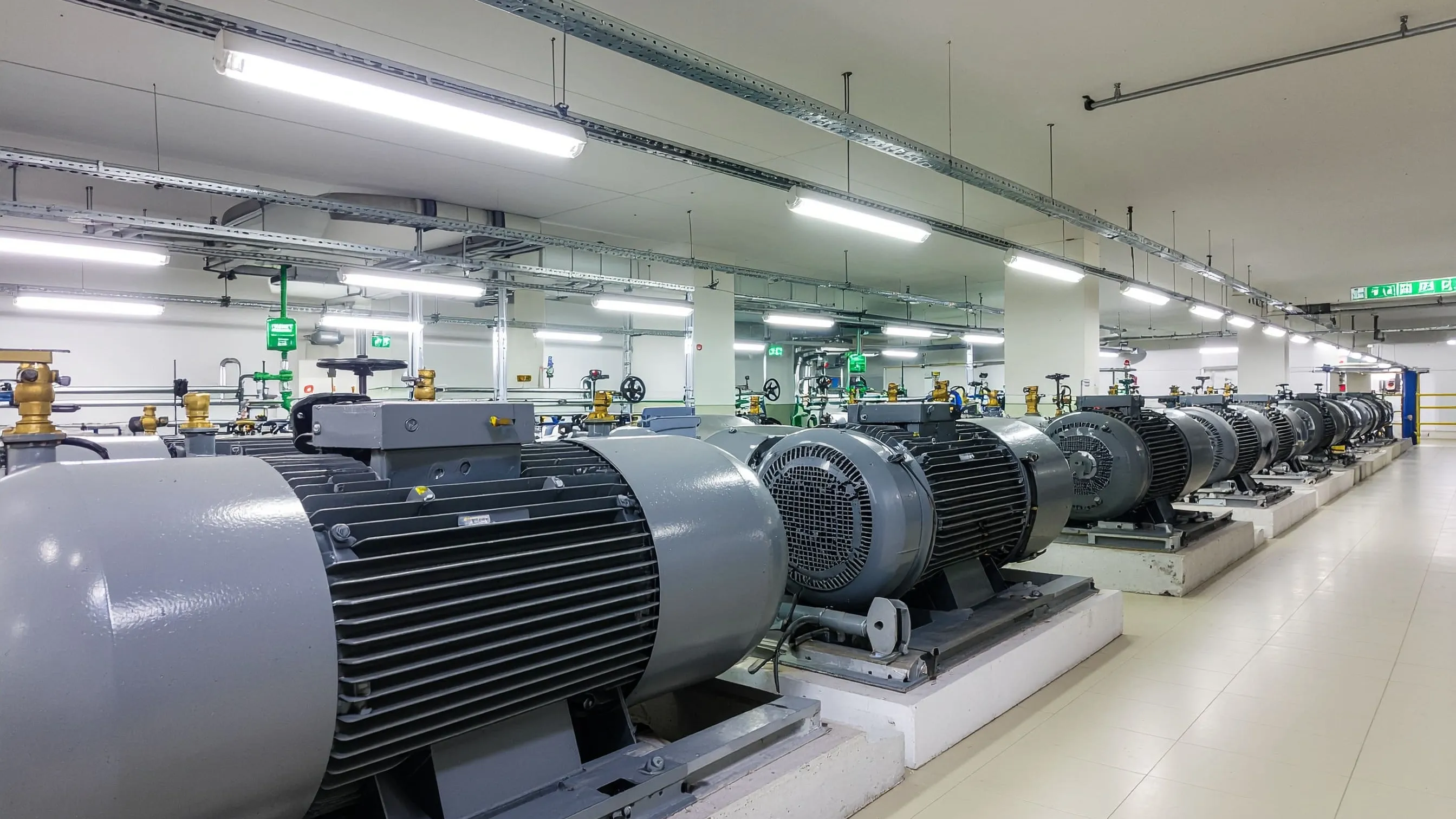
Commercial plant rooms rely entirely on precise fluid dynamics. If you install a massive new circulation system but completely ignore the physical pipework dimensions, you will severely damage your investment. A severe commercial pipe sizing impact dictates whether your system runs efficiently for twenty years or destroys itself from the inside out in six months.
Understanding this physics is absolutely essential for facility managers. You cannot simply bolt a modern, highly sensitive machine onto an incompatible pipe network. The raw power of the equipment must harmonise perfectly with the physical pathways of the building to deliver safe, reliable heat.
The Physics of Fluid Dynamics
Water behaves predictably under pressure. Pumping water through a massive commercial building requires matching the mechanical force exactly to the physical pipe diameter. When the pipe dimensions are wrong, the entire hydraulic balance of the facility collapses.
National Pumps and Boilers regularly advises clients that replacing equipment without checking the existing pipework capacities is a massive financial risk. A negative commercial pipe sizing impact will cripple even the most expensive, top-tier machinery. Engineers must evaluate the entire distribution network before specifying any new generation plant.
Undersized Pipes and Mechanical Resistance
Forcing massive volumes of water through a pipe that is too narrow creates extreme mechanical resistance. This resistance is known in commercial engineering as frictional head loss. As the water scrapes against the tight internal pipe walls, it loses significant kinetic energy.
To overcome this severe frictional head loss, your primary grundfos circulation pump has to work significantly harder than intended. This constant, aggressive overworking burns out the internal motor bearings prematurely. It also skyrockets your monthly electricity bills, completely wiping out the anticipated savings of a modern plant room upgrade.
The Dangers of Excessive Water Speed
Every commercial pipe network has a strict maximum speed limit for water, typically hovering around 1.2 to 1.5 metres per second. When a pipe is too small for the required volume, it forces the water to accelerate, creating a highly dangerous turbulent fluid velocity.
Water travelling too fast becomes incredibly aggressive. This aggressive turbulent fluid velocity literally strips the protective oxide layers off the inside of copper and steel elbows. If you run a heavy-duty commercial HVAC pump against an undersized network, exceeding this speed limit causes rapid erosion-corrosion. It will physically destroy your distribution pipework from the inside out.
Oversized Pipes and Sludge Accumulation
Making a pipe too large is equally destructive. If the pipe diameter is too wide, the water moves far too slowly. Think of an oversized pipe like a wide, slow-moving river during a summer drought. Because the water lacks forward energy, heavy sediment and mud easily drop out of suspension and settle on the bottom.
In a heating system, this slow speed allows dense iron oxide sludge to settle permanently in horizontal pipe runs. A new Wilo circulator will eventually suck up this accumulated metallic sludge during a high-demand surge. The magnetite will jam the delicate internal magnetic rotor completely solid within days, rendering the equipment useless.
Applying Mathematical Flow Calculations
You cannot guess pipe sizes in a commercial facility. Professional engineers must perform a strict volumetric flow rate calculation to determine the exact pipe diameter required. This mathematical formula ensures the pipe can handle the precise amount of water the building needs at absolute peak winter demand.
A precise volumetric flow rate calculation perfectly balances the required speed of the water against the friction of the pipe walls. If you are specifying a new lowara water pump, getting this foundational math right guarantees the hot water reaches the furthest radiators smoothly and quietly.
Starvation and Destructive Cavitation
If the suction pipe feeding water into a pump is too small, you create a severe pump cavitation risk. The pump tries to pull water much faster than the narrow pipe can supply it. This fluid starvation creates a dangerous vacuum inside the actual pump casing.
The extremely low pressure causes the water to literally boil at room temperature, forming thousands of tiny vapour bubbles. When these bubbles hit the high-pressure discharge side of the impeller, they collapse with incredible explosive force. This unchecked pump cavitation risk will pit, crack, and completely destroy a solid steel impeller in a matter of months.
Real-World Consequences of Poor Sizing
A facility manager at a regional shopping centre recently replaced their main circulation pumps four times in two years. They angrily blamed the manufacturers for supplying faulty equipment. However, an independent engineering audit revealed the main suction header was drastically undersized, creating a permanent, severe pump cavitation risk.
Once the engineers increased the pipe diameter to feed the pressure pump correctly, the mechanical failures stopped overnight. This scenario proves the massive commercial pipe sizing impact on long-term capital maintenance budgets. Addressing the physical bottleneck is always cheaper than replacing destroyed machinery.
The Impact on Valves and Infrastructure
Incorrect sizing does not just ruin the primary generation plant. It destroys the supporting infrastructure. High-speed water forces automated control valves to slam shut violently, causing severe hydraulic shock across the entire building. This phenomenon is commonly known as water hammer.
You must ensure the connecting pipework matches the exact manufacturer specifications for all pump valves and flanges. Proper sizing protects these delicate isolation points from aggressive, destructive pressure surges. A perfectly balanced commercial pipe sizing impact ensures every single component survives its intended fifteen-year lifespan.
Acoustic Disruption from Poor Sizing
Finally, bad pipe sizing creates massive acoustic noise complaints. Forcing high volumes of water through tight, restricted pipes generates a persistent, high-pitched whistling noise. This severe noise travels effortlessly through the structural building columns and straight into occupied office spaces or hospital wards.
By slowing the water down to a safe velocity, you allow your central heating circulator to run in near silence. Preventing turbulent fluid velocity solves both mechanical wear and frustrating acoustic vibration simultaneously.
Conclusion
The relationship between your distribution pipework and your pumping equipment dictates the success of your entire mechanical plant. You must rely on a strict volumetric flow rate calculation to size your infrastructure safely before purchasing new hardware.
Avoiding severe frictional head loss protects your maintenance budget and ensures your building occupants remain comfortable. If you are planning a major mechanical upgrade and need expert advice on hydraulic sizing and equipment specification, Talk to a Product Expert at our commercial engineering desk today.