

The Impact of Multi-Metal Commercial Systems on Inhibitor Selection
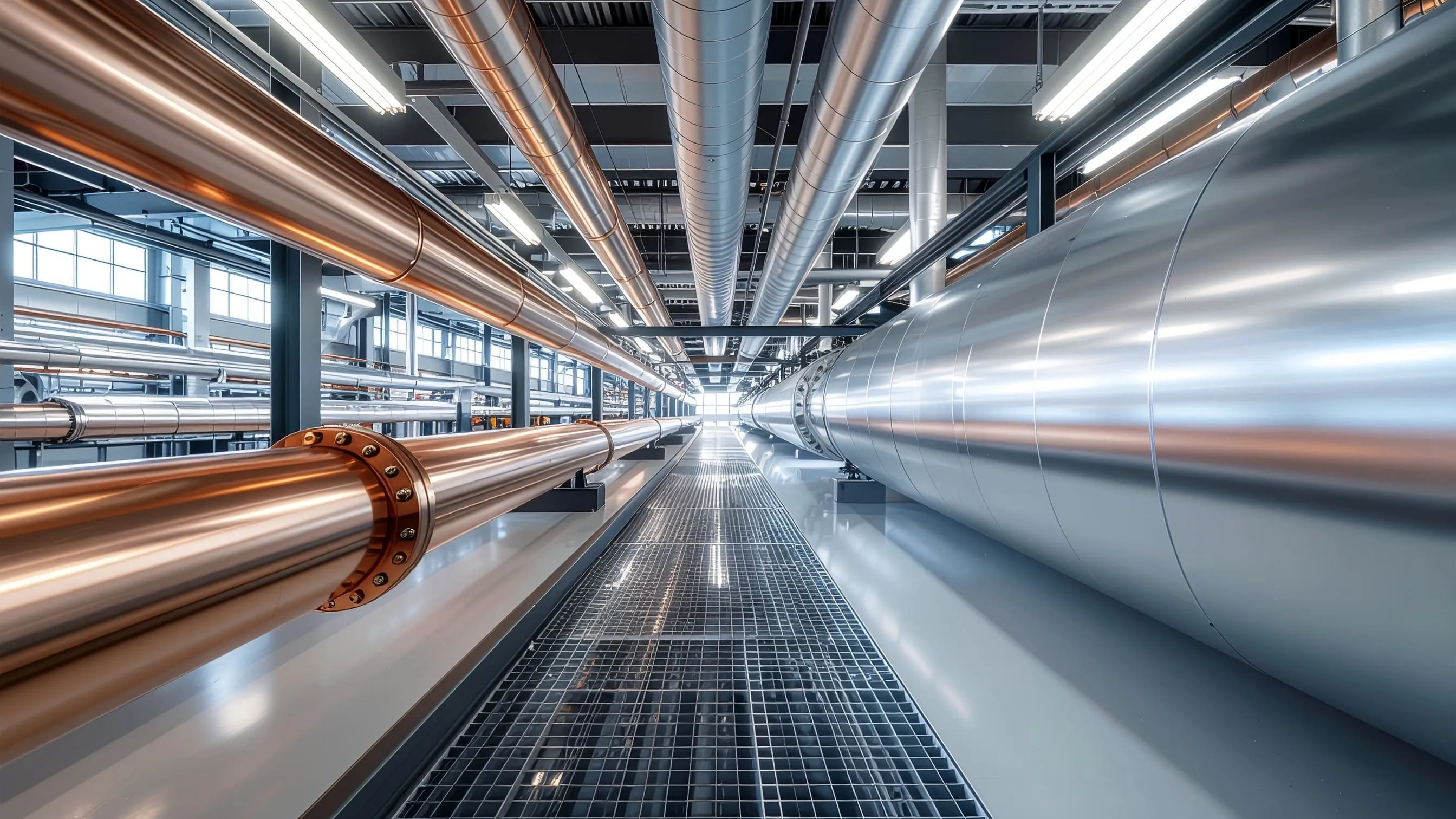
Commercial heating installations present challenges that domestic setups rarely encounter. Modern buildings incorporate multiple metal types throughout their heating circuits. You will often find copper pipework connecting to aluminium heat exchangers, steel radiators feeding into stainless steel plate heat exchangers, and brass components integrated throughout. Each metal combination creates specific corrosion risks that demand precise, highly targeted chemical treatments.
The consequences of incorrect inhibitor specification extend far beyond a gradual loss of efficiency. Think of a multi-metal heating system exactly like a high-performance engine constructed from different alloys. If you use the wrong coolant, the metals will physically react with each other and tear the engine apart from the inside out. In a commercial network, this electrochemical reaction accelerates rapidly.
A 12-storey office building or industrial facility simply cannot afford the downtime associated with premature component failure. Understanding how different metals interact provides the foundation for proper multi-metal heating system inhibitors. This process requires technical knowledge of metallurgy, combined with a practical awareness of British Standards.
Understanding Multi-Metal Corrosion in Commercial Systems
Galvanic corrosion occurs when dissimilar metals contact each other in the presence of an electrolyte. In commercial heating networks, the circulating water acts as this electrolyte. The electrochemical series ranks metals by their electrical potential, and metals sitting further apart on the scale create much stronger galvanic cells when combined. Proper multi-metal heating system inhibitors are completely essential to disrupt this destructive cycle.
Aluminium sits near the more reactive end of this series, whilst copper occupies a far less reactive position. When these metals connect within a heating system, the aluminium acts sacrificially, corroding preferentially to protect the copper. The technical experts at National Pumps and Boilers frequently encounter systems where this exact process accelerates dramatically without appropriate galvanic corrosion protection.
Commercial systems amplify these risks through their sheer scale and complexity. A typical installation features thousands of joints between different metals. Furthermore, temperature variations ranging from 10°C return water to 80°C flow temperatures massively complicate the chemical environment.
Metal Combinations Found in Commercial Installations
Modern condensing boilers incorporate aluminium heat exchangers to maximise surface area whilst minimising total unit weight. A premium remeha cascade system exemplifies this highly efficient design approach. However, connecting these aluminium primary heat exchangers to extensive copper or steel distribution pipework demands excellent aluminium heat exchanger compatibility from your chosen chemicals.
Steel remains dominant for larger heat emitters due to its structural strength and cost-effectiveness. Panel radiators and fan convector units typically use mild steel construction, creating massive ferrous surface areas. When combined with copper pipework and brass fittings, these installations present classic, highly reactive multi-metal scenarios requiring dedicated galvanic corrosion protection.
Brass fittings and control valves integrate throughout commercial heating systems, introducing copper-zinc alloys into the metallurgical mix. Dezincification represents a specific failure mode where zinc selectively leaches out of the brass component. Selecting treatments with proven aluminium heat exchanger compatibility often provides the necessary balanced chemistry to protect these vulnerable brass components simultaneously.
How Inhibitors Protect Multi-Metal Systems
Effective chemical treatments function through several complementary mechanisms. Passivation represents the primary protective strategy, where specific chemical molecules adsorb onto metal surfaces. They form microscopic, protective barriers that completely isolate the metal from direct water contact, stopping the electrochemical reactions that drive corrosion across your heating system components.
Different metals require vastly different passivating chemistries to remain stable. Ferrous metals respond incredibly well to molybdate-based inhibitors, which form highly stable, protective complexes directly on the steel surfaces. Conversely, aluminium requires carefully balanced formulations that maintain protective oxide layers without causing abrasive pitting corrosion. Using molybdate-based inhibitors in mixed-metal systems provides excellent ferrous protection whilst leaving room for aluminium-safe chemical compounds.
A mechanical contractor on a recent leisure centre refurbishment tried using a standard steel-only inhibitor in a mixed-metal network containing expensive aluminium components. Within six months, the highly alkaline water completely dissolved the aluminium oxide layer. This catastrophic error resulted in three perforated heat exchangers and a massive emergency repair bill.
British Standards and Regulatory Requirements
Understanding pH requirements is where many engineers make incredibly dangerous mistakes. A common, highly destructive myth suggests keeping all commercial systems highly alkaline (above pH 9.0). However, if your system contains aluminium, protecting a Vaillant boiler strictly requires maintaining pH between 6.5 and 8.5. If the pH exceeds 8.5, the alkaline water rapidly melts the aluminium.
Conversely, steel components prefer a higher pH between 8.5 and 10.0. To safely protect a mixed-metal system containing both steel and aluminium, you must use high-quality pH buffering agents. These advanced chemical buffers strictly lock the system water into a safe middle ground, typically around 8.0 to 8.4, which satisfies the steel without destroying the aluminium.
BS 7593:2019 provides comprehensive guidance on water treatment for these exact commercial scenarios. Compliance protects the installation and validates your manufacturer warranties. Manufacturers explicitly require adherence to these parameters, and failure to maintain the correct multi-metal heating system inhibitors immediately voids your coverage.
Essential Inhibitor Selection Checklist
Selecting the correct chemical formulation requires a highly disciplined, systematic approach. Do not rely on generic treatments for complex commercial installations. Follow this strict checklist to guarantee proper specification and system safety:
- Verify every single metal type present in the network, actively checking the boiler heat exchangers, distribution pipework, pump valves, and heat emitters.
- Confirm that your chosen product explicitly states multi-metal and aluminium heat exchanger compatibility on its technical datasheet.
- Calculate the exact total system volume to guarantee your dosing concentrations meet the manufacturer's strict requirements.
- Ensure the formulation contains robust pH buffering agents capable of maintaining a stable pH of 8.0 to 8.4.
- Flush the system completely to remove all highly acidic flux residues and installation debris before adding any new chemicals.
Testing and Monitoring Commercial System Water
Commissioning procedures must always include comprehensive water quality testing before you add any chemicals. Baseline measurements establish the vital starting point for all future monitoring. This verifies that the initial fill water meets acceptable standards before it ever enters your primary grundfos pumps.
Post-inhibitor testing confirms you achieved the correct dosing concentrations and system response. Your pH readings should stabilise quickly within the targeted safe range for multi-metal setups. Specific test kits measure the actual chemical concentration, verifying that your calculated dose delivered the intended galvanic corrosion protection.
Ongoing monitoring intervals depend entirely on your system's specific characteristics and water loss rates. BS 7593:2019 recommends annual testing as an absolute minimum. However, systems featuring multiple moving parts that require frequent maintenance top-ups demand quarterly analysis. Building logbooks must record all of these water treatment activities to prove regulatory compliance.
Conclusion
Multi-metal commercial heating systems demand highly informed chemical selection based on a comprehensive understanding of system metallurgy. The electrochemical interactions between copper, aluminium, steel, and brass create severe risks that only properly formulated multi-metal heating system inhibitors can control. You can't rely on basic domestic chemicals to protect substantial commercial capital investments.
Selecting inhibitors explicitly certified for multi-metal applications, dosing them accurately for massive system volumes, and maintaining strict ongoing monitoring protocols protects both the installation and the property owner. It prevents the devastating performance penalties and premature failures that always result from inadequate commercial water treatment.
The relatively modest cost of appropriate inhibitor specification delivers massive financial returns through extended component life and maintained efficiency. If you are dealing with a complex mixed-metal installation or need expert guidance on chemical specifications, please Get Help Choosing the Right Product from our dedicated technical team today.