

The Impact of Poorly Insulated Valves and Flanges on Energy Consumption
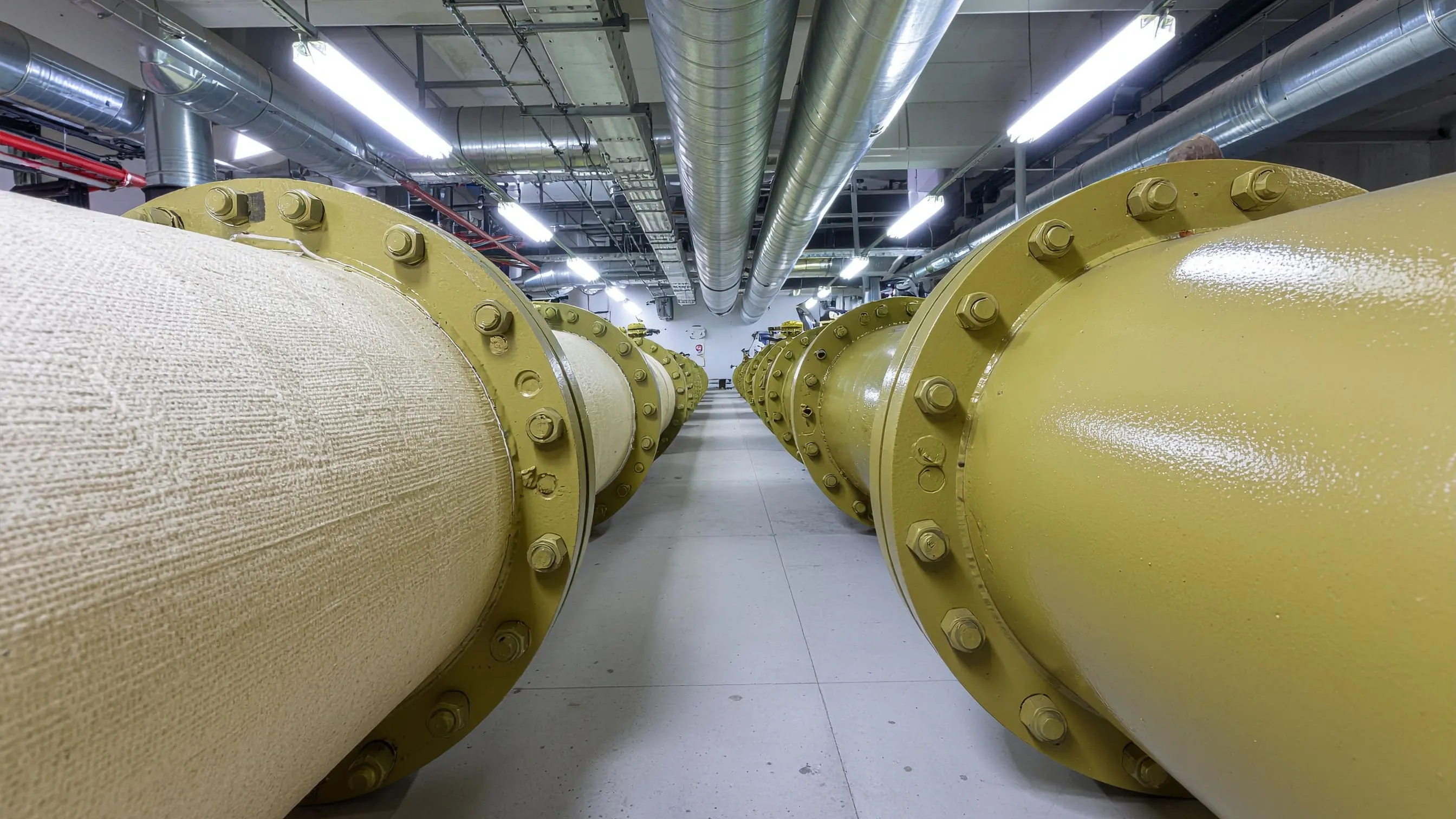
Commercial heating networks rely on massive mechanical components to distribute thermal energy across vast buildings. Facility managers often spend thousands of pounds lagging straight pipe runs. However, they frequently ignore the complex mechanical joints. Leaving these bulky brass and steel components bare completely ruins your overall system efficiency.
The financial drain caused by poorly insulated valves flanges is truly staggering. Massive volumes of thermal energy escape directly into the atmosphere through these unprotected metal surfaces. You must trap the heat exactly where it belongs to protect your operational budget and your surrounding mechanical infrastructure.
The Hidden Cost of Exposed Metal
Plant rooms feature extensive networks of perfectly insulated pipework. However, contractors frequently leave the bulky mechanical fittings completely bare. This exposed metal acts as a massive radiator, bleeding expensive thermal energy directly into the atmosphere 24 hours a day. National Pumps and Boilers regularly advises clients to calculate the true surface area of these exposed components.
The complex geometry of a single 100mm flanged gate valve has the equivalent surface area of a full metre of bare pipe. The combined surface area of poorly insulated valves flanges across a large commercial plant room creates a massive thermodynamic void. Severe exposed flange heat radiation forces your primary boilers to burn significantly more gas just to maintain the required target temperatures.
The Physics of Thermal Bridging
Heat naturally seeks equilibrium with colder environments. When you heavily insulate a pipe but leave the attached circulator pump valves exposed, you create a devastating thermal shortcut. This phenomenon is known in mechanical engineering as isolation valve thermal bridging.
Think of isolation valve thermal bridging like wearing a premium winter coat but walking outside barefoot in the snow. All your body heat escapes straight through your feet. The bare brass acts exactly like your bare feet. It conducts the thermal energy rapidly out of the water and sheds it into the room. This aggressive thermodynamic leak completely undermines your expensive pipe lagging.
Plant Room Overheating and Equipment Risk
Wasting gas is only the first problem. Massive exposed flange heat radiation turns enclosed plant rooms into suffocating ovens. A facility manager at a luxury metropolitan hotel recently discovered their basement plant room operating at 45 degrees Celsius. The intense ambient heat from the bare metal joints was literally melting the circuit boards on their modern inverter drives.
By covering the bare joints, they dropped the ambient room temperature instantly and saved their delicate electronics. If you operate a premium remeha quinta array, you absolutely must protect its digital control panels from this aggressive radiant heat. Protecting the ambient environment heavily extends the lifespan of your expensive generation equipment.
Solving the Maintenance Access Dilemma
Why do contractors deliberately leave these critical joints bare during installation? They leave them bare because maintenance staff need rapid, unhindered access to the components. Wrapping a y-strainer or a test point in permanent, hard plaster cladding prevents engineers from cleaning the internal filters during emergencies.
You can solve this operational problem entirely by installing removable insulation covers. These covers feature high-density mineral wool infill wrapped in tough, silicone-coated fibreglass cloth. They strap tightly around the component using heavy-duty kevlar stitching and industrial velcro. They trap the heat flawlessly while allowing technicians instant access to vital pump accessories during routine mechanical servicing.
Protecting Circulation Infrastructure
Heavy commercial circulation equipment contains massive metal volutes that shed heat incredibly fast. Using bespoke thermal valve jackets around these awkward shapes provides a perfect, tailored fit. A quality jacket prevents internal heat from escaping while leaving the electrical motor heads safely exposed for necessary cooling.
If you are servicing a heavy-duty grundfos pump, applying bespoke thermal valve jackets over the connection flanges completely eliminates the radiant heat loss. The tailored fit ensures no dangerous air gaps exist around the bolts. It perfectly marries the pump body to the existing pipe insulation, ensuring total thermal continuity.
Securing Domestic Hot Water Compliance
Space heating is not the only system requiring absolute thermal protection. Domestic hot water systems must maintain strict, elevated temperatures across the entire building to prevent bacterial growth. If bare brass joints bleed heat into the atmosphere, the water temperature drops rapidly before it reaches the furthest taps.
Covering the components around a hot water circulation pump with bespoke thermal valve jackets ensures the fluid stays safely above sixty degrees Celsius. Furthermore, bare 80-degree metal represents a severe health and safety burn hazard for maintenance staff working in tight spaces. Covering these components provides critical compliance and physical protection for your facility team.
Calculating the Financial Return
Upgrading your thermal protection delivers an incredibly fast return on investment. High-quality removable insulation covers typically pay for themselves in less than twelve months through direct gas savings alone. You stop the relentless heat bleed immediately, capturing the thermal energy before it escapes.
The long-term savings generated by fixing poorly insulated valves flanges will significantly stretch your annual maintenance budget. You also drastically reduce your building's overall carbon footprint. Stopping isolation valve thermal bridging is one of the most cost-effective carbon reduction strategies available to modern facility managers.
Conclusion
Total thermal continuity is a strict, non-negotiable requirement for modern commercial facilities. You must eliminate all structural thermal bridges to protect your operational budget and your expensive mechanical assets. Leaving poorly insulated valves flanges in your network is a massive financial and safety risk. Wrapping your exposed joints in heavy-duty removable insulation covers stops dangerous exposed flange heat radiation instantly.
Never accept a plant room installation that leaves massive brass and steel components bare to the atmosphere. If your plant room feels like an oven and you urgently want to lower your monthly utility bills, Speak to a Pump & Boiler Specialist today for professional thermal protection advice and equipment specification.