

The Impact of the Gas Safety (Installation and Use) Regulations on Facilities
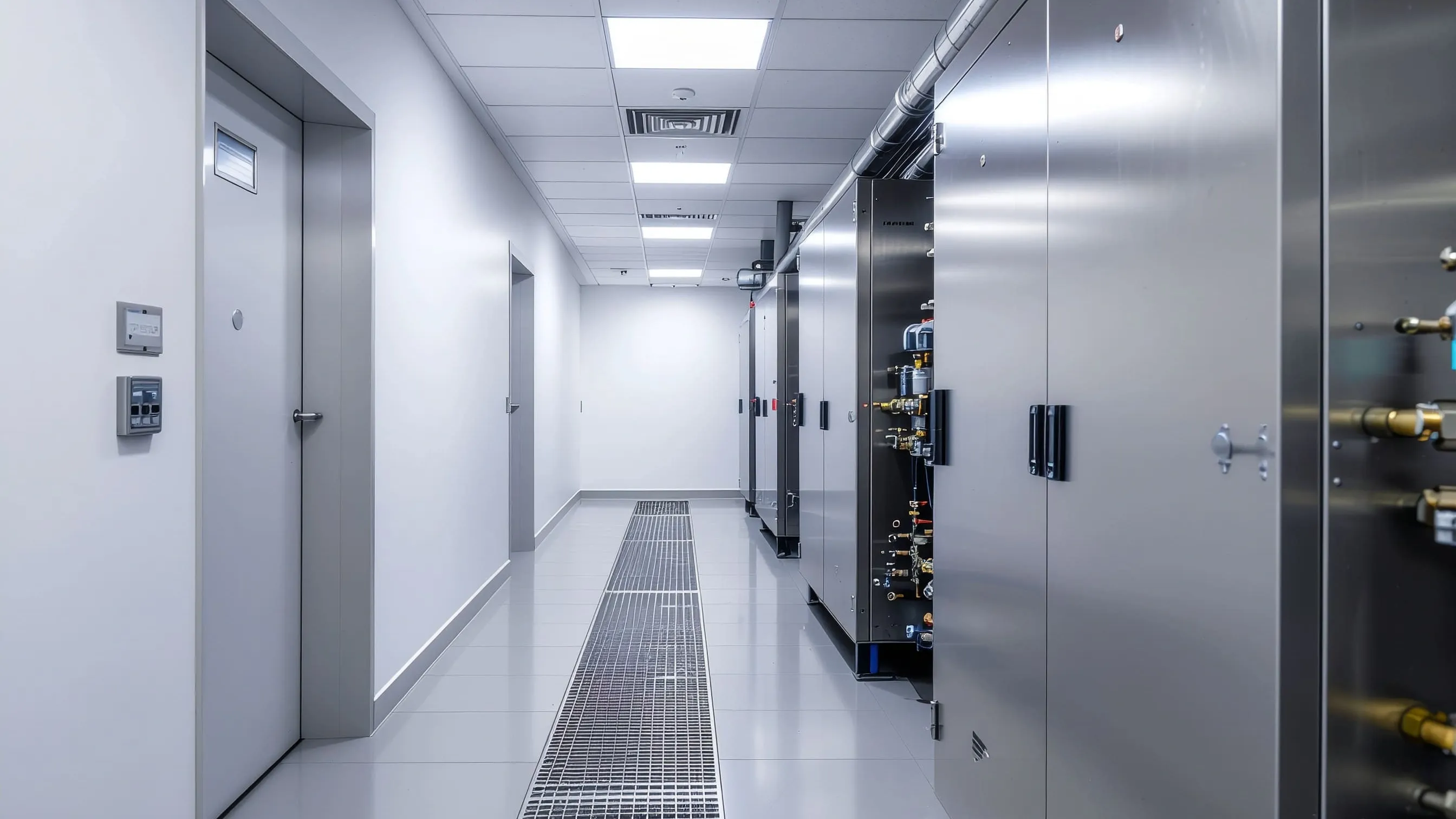
The Gas Safety (Installation and Use) Regulations 1998 heavily impact how commercial facilities operate across the United Kingdom. These strict laws establish comprehensive standards for the installation, maintenance, and safe use of all gas appliances. For facility managers and building owners, understanding the scope of these rules is absolutely essential. Proper adherence ensures legal compliance whilst protecting building occupants and maintaining operational continuity.
The Health and Safety Executive enforces these laws with severe penalties for failures. The legislation places explicit duties on anyone responsible for gas appliances in commercial premises. You can't simply install a commercial boiler and forget about it. You must maintain it proactively. The gas safety regulations UK framework demands continuous diligence, expert maintenance, and flawless record-keeping to guarantee a safe working environment.
Understanding the Regulatory Framework
The regulations create a strict legal framework governing natural gas and liquefied petroleum gas usage in non-domestic premises. The core mandate states that all gas work must be carried out by competent, Gas Safe registered engineers. This rule covers initial installations, routine maintenance, repairs, and any system modifications.
Facilities caught using unregistered engineers face substantial penalties. This applies even if no safety incident actually occurs. The regulations work alongside other commercial safety laws to create a watertight safety regime. National Pumps and Boilers regularly advises facility managers on how to navigate this complex legal landscape efficiently.
Primary Obligations for Facility Managers
Facility managers carry immense legal responsibilities under these laws. Your primary obligation is ensuring that all gas appliances, fittings, and flues remain safe at all times. You cannot delegate this legal responsibility. While competent engineers perform the physical work, the accountability rests entirely with the building owner or manager.
Annual safety inspections form the baseline of your compliance. You must secure a comprehensive landlord gas safety record for every commercial appliance annually. This formal certificate proves that a qualified engineer has checked combustion performance, operating pressures, and safety devices. If your facility is audited, your landlord gas safety record acts as your primary legal defence. You must retain these records for a minimum of two years.
Impact on Commercial Heating Systems
Commercial central heating systems face incredibly stringent requirements. Boiler rooms must meet specific ventilation standards to ensure an adequate combustion air supply. If ventilation fails, mechanical systems must incorporate interlocks that physically prevent the boilers from firing.
You must also adhere to strict commercial boiler regulations regarding flue design and installation. Engineers must test flue performance annually to check for proper sealing and adequate draught. Installing a modern remeha quinta ace helps streamline compliance, as these units feature advanced internal monitoring systems that enhance safety and operational efficiency. However, even the most advanced systems still require strict adherence to commercial boiler regulations during installation and maintenance.
Consequences of Non-Compliance
The penalties for breaching the gas safety regulations UK guidelines are severe. The Health and Safety Executive possesses broad powers to prosecute organisations for regulatory failures. Convictions frequently result in unlimited fines. In extreme cases, senior managers can face custodial sentences for serious negligence.
The immediate operational impact of a failure is equally damaging. Inspectors can issue an HSE prohibition notice if they find unsafe equipment. An HSE prohibition notice legally forces you to shut down the condemned appliance immediately.
Consider a recent scenario at a large regional distribution centre. A routine inspection revealed heavy corrosion on an aged heating plant. The inspector immediately issued an HSE prohibition notice, forcing a total heating shutdown in mid-November. The facility suffered three weeks of operational disruption before emergency replacements could be commissioned. It doesn't matter if your site runs an old cast-iron unit or a newly installed Vaillant boiler; if it is deemed unsafe, it gets shut down. You must prevent this through proactive maintenance.
Implementing Compliance Strategies
Effective compliance begins with structured maintenance schedules. An annual inspection is merely the legal minimum. Prudent facility managers implement far more frequent checks for critical, heavily-used appliances. A six-monthly servicing routine significantly reduces breakdown risks and maintains peak efficiency.
Selecting the right contractors is equally vital. You must verify that your engineers hold current Gas Safe registration with the specific commercial categories required for your equipment. A standard domestic qualification is entirely insufficient for commercial work. Furthermore, selecting high-quality equipment makes compliance much easier. Modern pumping solutions, like a robust grundfos installation, offer superior reliability that supports your overall system safety.
The Role of Modern Safety Equipment
Contemporary heating equipment incorporates safety features that substantially exceed regulatory minimums. Think of modern boiler safety systems like the anti-lock brakes on a new car. While an old car might eventually stop if you pump the brakes, a modern ABS system reacts in milliseconds to prevent a disaster automatically.
Every modern commercial appliance relies heavily on a flame supervision device to ensure safe operation. A flame supervision device physically detects if the burner flame is lit. If the flame extinguishes unexpectedly, the device shuts off the gas supply within one second. You must have every single flame supervision device in your facility tested annually to verify its response time. Upgrading old infrastructure with modern pump valves and automated control systems further ensures your plant room operates within safe parameters at all times.
Safe Hot Water Generation
Commercial hot water systems demand specific safety protocols under the regulations. Facilities like hotels and hospitals use massive volumes of hot water, requiring equipment to run almost continuously. This heavy duty cycle accelerates component wear and demands rigorous safety oversight.
When maintaining an andrew water heater, engineers must carefully verify both the gas safety components and the associated pressure relief valves. Continuous high-demand systems require perfect gas isolation capabilities to allow safe, targeted maintenance without shutting down the entire facility. Proper scale prevention and routine cleaning also play a massive role in keeping these gas-fired units burning cleanly and safely.
Best Practices for Ongoing Compliance
Systematic audits provide excellent verification of your compliance status. You should conduct quarterly internal reviews of all gas safety certificates and maintenance logs. These reviews catch missing documents or approaching deadlines before they turn into actual compliance failures.
Digital documentation systems offer massive advantages over paper records. They provide automated reminders for upcoming inspections and secure backups of your legal history. Effective contractor management also forms a huge part of ongoing compliance. Always implement strict permit-to-work protocols when engineers service your central heating system pump or associated gas infrastructure.
Training and Emergency Preparedness
Your staff are your first line of defence. While only registered engineers can perform gas work, your facility staff must know how to recognise the symptoms of a gas leak. They need clear training on emergency isolation procedures and safe evacuation protocols.
You must test your emergency preparedness regularly. An annual emergency drill verifies that your team understands exactly what to do if an alarm sounds. Ensure that the emergency contact details for your gas supplier are clearly visible. Verify that your gas isolation valves are clearly marked and easily accessible. If your plant room relies on a large hot water recirculation pump, ensure your staff know how to isolate it electrically during a gas emergency to prevent accidental ignition sparks.
Conclusion
The gas safety regulations UK framework demands systematic attention, but compliance doesn't need to be overwhelming. By implementing rigorous safety protocols, robust management systems, and utilising modern equipment, you can meet all regulatory requirements seamlessly. Proper preparation protects your facility from fines and ensures the ultimate safety of your staff.
Professional support removes the guesswork from commercial plant room management. If you aren't sure if your heating infrastructure meets current laws or you need to schedule an immediate assessment, Get Help Choosing the Right Product by speaking with our team of commercial heating experts today.