

The Importance of Regular Heat Exchanger Cleaning and Maintenance
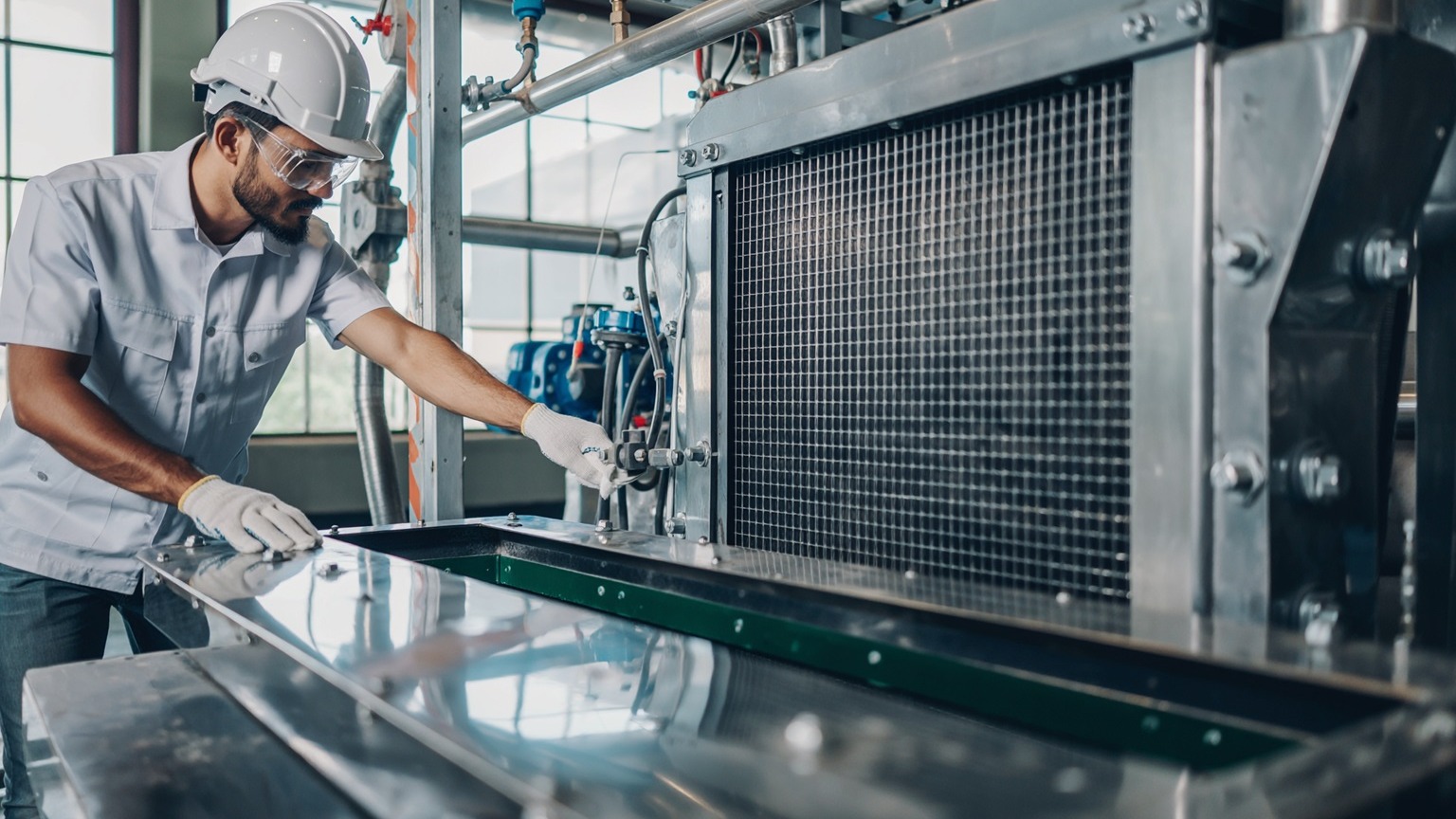
Commercial and industrial heating systems depend heavily on heat exchangers to maintain optimal thermal efficiency and operational reliability. However, even the most advanced equipment gradually accumulates fouling, scale, and contaminants that significantly degrade performance over time. Regular heat exchanger cleaning represents not merely a maintenance task but rather a critical investment in system efficiency, energy cost management, and equipment longevity.
Facilities that implement comprehensive maintenance programmes for their thermal equipment consistently outperform those relying on reactive approaches, achieving substantial energy savings whilst avoiding costly emergency repairs and unplanned downtime.
Why Heat Exchanger Cleaning Matters
Fouling occurs when deposits accumulate on heat transfer surfaces, creating an insulating layer that impedes thermal exchange. This seemingly minor buildup causes cascading efficiency losses that compound over time, substantially increasing operational costs whilst reducing system capacity.
Research indicates that just 0.8mm of scale buildup can reduce heat transfer efficiency by 25-30%, forcing heating systems to work significantly harder to achieve target temperatures. The energy penalty manifests immediately, though many facility managers fail to recognise the gradual performance degradation until efficiency losses become severe.
Beyond energy consumption, fouling accelerates corrosion beneath deposits, potentially causing premature equipment failure. The hidden corrosion progresses unseen until catastrophic leaks occur, often requiring emergency replacements that far exceed the cost of preventive heat exchanger cleaning programmes. National Pumps and Boilers provides comprehensive maintenance solutions that address these challenges before they escalate into major operational issues.
Common Contaminants and Their Impact
Different operating environments produce distinct fouling challenges that require targeted cleaning approaches:
Biological Fouling
Cooling water systems, particularly those using open-loop configurations, frequently experience biological growth including algae, bacteria, and biofilm formation. These organic contaminants not only impede heat transfer but also create localised corrosion beneath biofilm layers through microbiologically influenced corrosion (MIC).
The slimy nature of biological fouling makes it particularly problematic, as deposits resist simple mechanical removal and require specific biocidal treatments. Regular monitoring of cooling water chemistry helps prevent excessive biological growth, though periodic cleaning remains necessary even with optimal water treatment programmes.
Mineral Scale Deposition
Hard water contains dissolved minerals that precipitate onto hot surfaces, forming adherent scale layers predominantly composed of calcium carbonate, calcium sulphate, and magnesium compounds. This crystalline buildup proves extremely resistant to removal once established, often requiring aggressive chemical treatments or mechanical intervention.
Scale formation rates accelerate with temperature, making hot-side heat exchanger surfaces particularly vulnerable. The insulating effect of mineral deposits dramatically reduces thermal efficiency, with severe scaling capable of reducing capacity by 50% or more. Facilities operating central heating pumps in hard water areas must prioritise descaling as part of routine maintenance schedules.
Particulate Accumulation
Rust particles, sediment, and suspended solids gradually settle in low-velocity areas of heat exchangers, creating blockages that restrict flow and reduce effective heat transfer area. Whilst particulate fouling typically proves easier to remove than chemical scales or biological growth, accumulated sediment can cement together over time, forming hard deposits requiring mechanical cleaning.
Proper filtration and strainer maintenance significantly reduces particulate fouling rates, though complete elimination remains impractical in most systems. Regular heat exchanger cleaning removes accumulated particles before they cement into problematic deposits.
Recommended Cleaning Methods
Chemical Cleaning Procedures
Chemical cleaning provides the most effective approach for removing scale, rust, and biological fouling without disassembling equipment. Specialised cleaning solutions dissolve or disperse deposits, restoring heat transfer surfaces to near-original condition when properly executed.
Acid-based formulations effectively remove mineral scales, with inhibited hydrochloric or phosphoric acid commonly employed for calcium-based deposits. Alkaline cleaners address organic fouling and oil contamination, whilst specialised biocides target biological growth. The selection of appropriate cleaning chemistry requires careful consideration of deposit composition, metallurgy, and operating conditions.
Professional cleaning services ensure proper chemical selection, concentration control, circulation procedures, and disposal compliance. Attempting aggressive chemical cleaning without proper expertise risks equipment damage through excessive corrosion or incompatible chemical reactions.
Mechanical Cleaning Techniques
Plate heat exchangers benefit from mechanical cleaning during scheduled maintenance intervals. Disassembly allows direct access to plates for pressure washing, brushing, or chemical soaking to remove stubborn deposits. Careful handling prevents plate damage and ensures proper gasket replacement maintains leak-free operation.
Shell-and-tube units accommodate various mechanical approaches including tube brushing, high-pressure water jetting, and projectile cleaning systems. These methods prove particularly effective for removing soft deposits and particulate accumulation, though hardened scale may require chemical treatment for complete removal.
Clean-in-Place (CIP) Systems
Modern energy efficient heat exchanger installations often incorporate CIP capabilities that enable routine cleaning without equipment disassembly. Automated cleaning cycles reduce labour requirements whilst ensuring consistent treatment, particularly valuable for facilities with numerous heat exchangers requiring frequent attention.
CIP systems circulate cleaning solutions through heat exchangers following programmed sequences that include pre-rinse, chemical circulation, dwell time, and post-rinse stages. The automated approach maintains detailed records of cleaning operations, supporting compliance documentation and maintenance tracking.
Establishing a Maintenance Schedule
Frequency Recommendations by Application
Cooling tower systems typically require monthly to quarterly heat exchanger cleaning depending on water quality and biological growth rates. The warm, oxygen-rich environment promotes rapid fouling that demands proactive intervention.
Process heating applications generally schedule cleaning annually or bi-annually, though monitoring should occur quarterly to identify accelerated fouling trends. Systems operating at elevated temperatures or handling contaminated fluids may require more frequent intervention.
Closed-loop heating systems with proper water treatment often achieve 2-3 year cleaning intervals, though regular inspection remains advisable. The controlled environment limits fouling sources, extending maintenance intervals whilst maintaining efficiency.
Condition-Based vs. Time-Based Maintenance
Progressive facilities increasingly adopt condition monitoring approaches that schedule cleaning based on actual performance degradation rather than arbitrary time intervals. Temperature differential monitoring, pressure drop tracking, and flow rate measurements provide objective indicators of fouling severity.
Establishing baseline performance parameters when equipment operates clean allows comparison against current readings to quantify efficiency losses. Scheduling heat exchanger cleaning when performance drops 10-15% below baseline optimises maintenance timing, balancing efficiency preservation against cleaning costs.
Digital monitoring systems track performance trends automatically, alerting maintenance teams when cleaning becomes necessary. This data-driven approach prevents both premature cleaning and extended operation with degraded efficiency. Modern Wilo pumps integrate monitoring capabilities that support condition-based maintenance strategies.
Benefits of Energy Efficient Heat Exchanger Maintenance
Quantifiable Energy Savings
Regular maintenance directly translates into reduced energy consumption, with well-maintained heat exchangers requiring 15-30% less energy compared to fouled units achieving equivalent output. For large commercial facilities, these savings represent substantial annual cost reductions that dwarf maintenance programme expenses.
Consider a facility spending £50,000 annually on heating energy - a 20% efficiency improvement through proper heat exchanger cleaning delivers £10,000 in annual savings. The maintenance programme typically costs £2,000-4,000 annually, providing exceptional return on investment whilst improving system reliability.
Extended Equipment Lifespan
Fouling accelerates wear through multiple mechanisms including increased thermal stress, flow restriction forcing harder pump operation, and corrosion beneath deposits. Equipment operating consistently clean experiences significantly reduced wear rates, often achieving 50% longer service life compared to neglected units.
The capital cost avoidance through extended equipment life substantially exceeds maintenance programme investment. Replacing major heat exchangers costs tens of thousands of pounds whilst disrupting operations - preventive maintenance eliminates or defers these expenses whilst maintaining production continuity.
Improved System Reliability
Clean, well-maintained energy efficient heat exchanger systems operate predictably without unexpected failures or performance degradation. Maintenance programmes identify developing issues during scheduled interventions, allowing planned repairs that avoid emergency situations.
Unplanned downtime typically costs 3-5 times more than scheduled maintenance due to premium labour rates, expedited parts procurement, and production losses. Facilities prioritising preventive maintenance achieve dramatically higher uptime whilst maintaining consistent thermal performance.
Professional Maintenance Services
When to Call in Specialists
Whilst basic inspection and minor cleaning tasks suit in-house maintenance teams, comprehensive heat exchanger cleaning often requires specialised equipment, expertise, and chemical handling capabilities beyond typical facility resources. Professional services provide certified technicians experienced with diverse fouling challenges across various heat exchanger types.
Complex cleaning situations involving heavy scaling, biological contamination, or critical process equipment warrant professional intervention to ensure thorough cleaning without equipment damage. The expertise and equipment investment required for occasional deep cleaning rarely justifies in-house capability development for most facilities.
What to Expect from Professional Servicing
Reputable maintenance providers conduct pre-cleaning inspections documenting fouling severity, measure baseline performance parameters, and develop customised cleaning protocols addressing specific contamination types. Following cleaning, post-service testing verifies restoration to acceptable performance levels.
Comprehensive service includes detailed reporting documenting conditions found, work performed, and recommendations for future maintenance scheduling. This documentation supports regulatory compliance, warranty maintenance, and continuous improvement of maintenance strategies. Facilities can benefit from comprehensive support for DHW pumps and thermal equipment through professional partnerships.
Conclusion
Regular heat exchanger cleaning and maintenance represents one of the highest-return investments facilities can make in their heating infrastructure. The compelling combination of energy savings, extended equipment life, improved reliability, and avoided emergency repairs delivers measurable financial benefits that far exceed programme costs.
Facilities that embrace proactive maintenance approaches consistently outperform those relying on reactive strategies, achieving lower total cost of ownership whilst maintaining superior thermal performance. Whether implementing in-house programmes or partnering with professional service providers, commitment to regular energy efficient heat exchanger maintenance pays dividends through reduced operational costs and enhanced system reliability.
For expert guidance on developing comprehensive maintenance programmes tailored to your facility's specific requirements, contact us to discuss customised solutions with our experienced technical team.