

The Importance of Regular Inspections for Boiler Room Safety
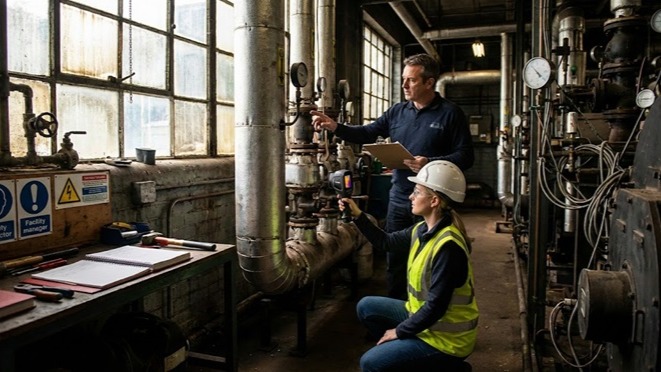
Commercial boiler systems represent significant investments requiring careful maintenance to ensure safe, reliable operation. Regular boiler inspections form the cornerstone of effective safety management, identifying potential problems before they escalate into dangerous failures or costly breakdowns. Systematic inspection programmes not only fulfil legal obligations but also protect personnel, preserve equipment, and demonstrate responsible facility management.
The complexity of modern commercial boiler installations demands structured approaches to inspection and maintenance. Pressure systems, combustion equipment, safety controls, and water treatment components each require specific attention at appropriate intervals. Neglecting inspections creates substantial risks, whilst comprehensive programmes deliver peace of mind alongside regulatory compliance.
The Critical Role of Inspections in Preventing Boiler Room Incidents
Understanding the Link Between Inspections and Safety Outcomes
Research consistently demonstrates strong correlations between inspection frequency and safety performance. Facilities maintaining rigorous inspection schedules experience significantly fewer serious incidents than those with sporadic or inadequate programmes. Early detection of deteriorating conditions enables proactive interventions preventing catastrophic failures that could injure personnel or destroy equipment.
Many boiler failures result from gradual deterioration invisible during normal operation. Internal corrosion weakens pressure vessel walls over months or years without external signs until sudden failure occurs. Scale accumulation restricts water circulation, potentially causing localised overheating and material failure. Safety device deterioration may go unnoticed until emergency situations demand their operation. Only systematic boiler inspections reveal these hidden problems whilst time remains for controlled repairs.
The financial costs of neglected inspection programmes extend far beyond repair expenses. Production interruptions from unexpected failures cost businesses thousands of pounds daily. Emergency repairs command premium pricing compared to planned maintenance. Legal liabilities from incidents involving injuries or property damage can prove devastating. Insurance claims following preventable failures may result in coverage denials or substantial premium increases.
Legal and Regulatory Drivers for Regular Inspections
UK legislation establishes clear inspection requirements for commercial boiler systems. The Pressure Systems Safety Regulations 2000 mandate that pressure systems, including boilers, have written schemes of examination developed by competent persons. These schemes specify inspection frequencies, scope, and procedures based on each system's specific risk profile. Boilers must be examined before initial use and at intervals not exceeding those specified in the written scheme.
The Health and Safety at Work Act 1974 imposes general duties on employers to ensure workplace safety, which necessarily includes maintaining boiler systems in safe condition through regular inspections. The Management of Health and Safety at Work Regulations 1999 require suitable risk assessments, with inspection programmes representing key controls for identified boiler room hazards.
Insurance companies typically require documented inspection and maintenance programmes as conditions of coverage. Policies often specify minimum annual servicing requirements for gas boilers, with more frequent inspections for larger commercial installations. Insurance inspectors audit these records, potentially refusing coverage or significantly increasing premiums if inspection standards prove inadequate.
Non-compliance with inspection requirements carries serious consequences. The Health and Safety Executive (HSE) prosecutes organisations following incidents where inadequate inspection contributed to failures. Fines frequently reach tens of thousands of pounds, with individual directors potentially facing personal liability in serious cases. Beyond financial penalties, directors can be disqualified and organisations suffer lasting reputational damage.
Comprehensive Types of Boiler Room Inspections
Daily Operator Checks and Visual Assessments
Effective boiler room risk assessment programmes begin with daily operator checks forming the first line of defence against developing problems. Trained personnel should conduct visual walkarounds at the start of each shift, noting any unusual conditions. These checks include observing pressure and temperature gauges, listening for unusual noises, checking for visible leaks or steam escapes, verifying proper burner operation, and ensuring adequate ventilation.
Operators should maintain simple logs recording key parameters including operating pressures, temperatures, water levels, and fuel consumption. Significant deviations from normal patterns often indicate developing problems requiring investigation. Modern building management systems automate much of this monitoring, but human observation remains valuable for detecting subtle changes automated systems might miss.
Training requirements for personnel conducting daily inspections include understanding normal operating parameters, recognising warning signs of problems, proper documentation methods, and knowing when to escalate concerns to maintenance staff or managers. This training need not be extensive but should equip operators to fulfil their observation and reporting roles effectively.
Daily checks integrate with automated monitoring systems in modern facilities. Operators review system alerts, verify sensor readings, and investigate any alarms or warnings generated overnight. This combination of human observation and automated monitoring provides comprehensive coverage identifying problems quickly.
Weekly and Monthly Planned Maintenance Inspections
Weekly inspections conducted by maintenance personnel provide more detailed assessments than daily operator checks. These typically include testing safety controls and alarms, checking pump operation and performance, examining visible pipework for corrosion or leaks, verifying combustion air supply adequacy, and inspecting flue systems for blockages or deterioration.
Monthly maintenance tasks extend beyond visual checks to include hands-on assessments. This includes testing pressure relief valves for proper operation, examining water treatment system performance, checking expansion vessel pre-charge pressures, lubricating motors and bearings as required, and cleaning burners and combustion chambers if needed.
Water quality monitoring deserves particular attention in monthly inspection schedules. Testing pH levels, dissolved oxygen, conductivity, and other parameters ensures water treatment remains effective in preventing corrosion and scale formation. Water treatment chemicals require regular monitoring to maintain proper concentrations protecting system integrity.
Documentation requirements for planned maintenance inspections include recording all tasks performed, noting any abnormal conditions discovered, documenting test results for safety devices, tracking water quality parameters, and flagging items requiring follow-up action. These records demonstrate compliance whilst supporting long-term trend analysis.
Quarterly and Annual Professional Inspections
Comprehensive quarterly inspections by qualified technicians examine systems more thoroughly than routine maintenance allows. These inspections typically include complete combustion equipment servicing, detailed safety control testing, thorough examination of all pressure-bearing components, electrical system inspection and testing, and comprehensive documentation of system condition.
Annual servicing requirements for gas and oil boilers represent minimum standards rather than optimal practice. Gas Safe regulations require annual servicing of commercial gas boilers by registered engineers, whilst oil systems need similar annual attention from OFTEC-registered technicians. These services include thorough cleaning, adjustment, and testing ensuring safe, efficient operation.
Detailed examination of combustion equipment during professional inspections identifies wear, misalignment, or deterioration affecting performance or safety. Technicians analyse combustion efficiency, adjust burner settings for optimal performance, test all safety interlocks and flame supervision devices, and inspect heat exchanger surfaces for corrosion or damage.
Testing of all safety controls represents a critical component of professional inspections. This includes verifying high-limit controls function properly, testing low-water cutoff devices, checking flame supervision systems, verifying emergency shutdown circuits, and documenting set points and response times for all controls.
Statutory Examinations Under Pressure Systems Regulations
Written schemes of examination developed by competent persons form the legal framework for pressure system inspections. These schemes specify exactly which components require examination, how frequently examinations must occur, what examination methods should be used, who possesses adequate competence to conduct examinations, and what records must be maintained.
The role of competent persons in developing examination schemes requires specific qualifications and experience. Competent persons must understand pressure system design, relevant failure modes, examination techniques, and regulatory requirements. Many organisations engage specialist engineering inspection companies to provide competent person services, though larger organisations may employ suitably qualified staff internally.
Frequency and scope of statutory examinations vary based on risk assessment but typically occur annually or biennially for commercial boiler systems. Examinations must be sufficiently thorough to detect significant defects affecting safe operation. This often includes internal inspections requiring boiler shutdown and opening, though some systems permit extended examination intervals if equipped with comprehensive monitoring systems.
Mandatory defect reporting obliges examiners to immediately notify users of any defects presenting imminent danger. Lesser defects require documented remedial action within specified timescales. Operators cannot legally continue using systems with unaddressed imminent danger findings, potentially causing significant operational disruption if problems go undetected until statutory examinations.
Specialist Inspections: Thermal Imaging, NDT, and Advanced Diagnostics
Thermal imaging surveys identify problems invisible to conventional inspection methods. Hot spots indicating inadequate insulation, thermal stress concentrations, or impending component failures appear clearly in infrared images. Regular thermal surveys of boiler systems detect developing problems months before conventional symptoms appear.
Non-destructive testing (NDT) techniques assess pressure vessel integrity without requiring dismantling. Ultrasonic thickness testing measures remaining wall thickness in corroded areas, radiographic examination reveals internal defects, magnetic particle inspection finds surface cracks, and dye penetrant testing identifies minute surface discontinuities. These techniques prove particularly valuable for aging boilers where material condition becomes questionable.
Combustion analysis using sophisticated gas analysers optimises burner operation whilst verifying complete combustion. Measuring oxygen, carbon monoxide, nitrogen oxides, and other combustion products ensures burners operate efficiently and safely. Regular combustion analysis identifies deteriorating performance requiring attention before serious problems develop.
Vibration analysis of rotating equipment including feed pumps and fans detects bearing wear, misalignment, or unbalance before failures occur. Baseline vibration signatures established during commissioning provide comparison standards, with significant changes indicating developing problems requiring investigation.
Key Components Requiring Regular Inspection Attention
Pressure Vessels and Boiler Shells
Internal and external inspection requirements for boiler pressure vessels form the core of statutory examination programmes. External inspections examine shell condition, including corrosion, mechanical damage, leaks, and proper support structures. Internal inspections require boiler shutdown and opening, enabling direct examination of internal surfaces normally covered by water.
Identifying corrosion, scaling, and material degradation requires experience recognising normal versus concerning conditions. Light surface rust may be acceptable in some areas, whilst pitting corrosion or significant metal loss demands immediate attention. Scale deposits reduce heat transfer efficiency and can hide underlying corrosion, necessitating removal for thorough inspection.
Inspection of joints, welds, and pressure-bearing connections focuses on areas experiencing highest stresses. Welds require particular attention as potential crack initiation sites. Rolled tube joints in older boilers often develop leaks requiring re-rolling or plugging. Manway covers, inspection hatches, and other access points need checking for proper sealing and gasket condition.
Thickness testing requirements for aging vessels become increasingly important as boilers exceed their design life. Ultrasonic thickness gauging at regular intervals tracks corrosion rates, enabling informed decisions about continued operation versus replacement. Systematic thickness testing programmes establish baselines and monitor ongoing deterioration.
Criteria for determining when vessels require replacement include remaining wall thickness approaching minimum safe values, extensive cracking that cannot be economically repaired, significant distortion from overheating, obsolete designs lacking modern safety features, and economic calculations favouring replacement over continued repairs.
Safety Valves and Pressure Relief Devices
Inspection and testing protocols for pressure relief valves represent critical safety activities. Visual examination identifies corrosion, mechanical damage, or evidence of tampering that might prevent proper operation. Relief valves must be checked for proper installation orientation, adequate discharge piping, and freedom from blockages in discharge lines.
Functional testing requirements vary based on valve type and application. Spring-loaded relief valves typically require annual testing, either in-situ using specialised test equipment or by removal and bench testing. Pilot-operated relief valves need testing of both pilot and main valve functions. Some jurisdictions accept less frequent testing if comprehensive monitoring systems verify valve integrity.
Documentation of safety valve set pressures and test results provides evidence of regulatory compliance whilst tracking valve performance over time. Test certificates should record set pressure, reseat pressure, valve identification, test date, and tester qualifications. Significant changes in set pressure or reseat characteristics suggest valve problems requiring further investigation or replacement.
Replacement criteria for relief devices include failure to achieve proper set pressure during testing, excessive leakage preventing proper reseating, corrosion or erosion compromising valve integrity, mechanical damage affecting operation, and reaching manufacturer's recommended service life limits.
Combustion Equipment and Burners
Visual inspection of burners and combustion chambers identifies obvious problems including cracked or damaged burner components, improperly positioned burner nozzles, excessive carbon deposits, damaged refractory or insulation, and signs of flame impingement on internal surfaces.
Checking flame patterns and combustion quality requires operating boilers during inspections. Proper flames appear steady, well-defined, and appropriately coloured for the fuel type. Unstable flames, yellow tipping on gas flames, smoke from oil flames, or flame lift-off indicate problems requiring adjustment or component replacement.
Inspection of fuel supply systems includes checking for leaks, examining filters for cleanliness, verifying proper fuel pressure and flow rates, testing safety shutoff valves, and confirming adequate fuel storage and delivery systems. Gas lines require particular attention given explosion risks from leaks.
Testing ignition systems and flame supervision devices confirms reliable, safe burner operation. Ignition should occur promptly without delayed ignition causing dangerous fuel accumulation. Flame supervision systems must respond immediately to flame failure, shutting fuel supply within specified safety times. Regular testing verifies these critical safety functions operate properly.
Water Treatment and Feedwater Systems
Inspection of water treatment equipment includes checking chemical dosing pump operation, examining storage tanks for proper sealing and labelling, verifying adequate chemical supplies, testing water quality monitoring equipment, and ensuring proper calibration of all measurement devices.
Testing water quality parameters regularly enables early detection of treatment programme problems. Standard tests measure pH, alkalinity, hardness, dissolved oxygen, conductivity, and specific treatment chemical concentrations. Results compared against target ranges indicate whether treatment remains effective or requires adjustment.
Examining feedwater pumps and associated pipework identifies wear, corrosion, or leaks affecting system reliability. Pump performance testing verifies adequate flow and pressure delivery, whilst excessive noise or vibration suggests bearing problems or impeller damage requiring attention.
Checking chemical storage and handling equipment ensures safe conditions. Storage areas should be well-ventilated, secure from unauthorised access, and equipped with appropriate spill containment. Safety equipment including eye wash stations and spill kits must be readily accessible and properly maintained.
Electrical Controls and Safety Interlocks
Inspection of electrical panels and control systems focuses on conditions affecting safety and reliability. This includes checking for overheating signs, examining connections for tightness, verifying proper panel sealing against moisture, ensuring adequate labelling, and confirming safety devices remain functional.
Testing safety interlocks and emergency shutdown systems verifies they function as designed when needed. Each interlock should be tested individually, confirming proper response to simulated fault conditions. Emergency stop buttons must initiate complete, safe shutdowns without requiring multiple actions.
Examining wiring for damage, overheating, or moisture exposure identifies potential electrical hazards before causing failures. Particular attention should focus on wiring in harsh environments near high temperatures or moisture sources. Thermal imaging can detect overheating connections before visible damage appears.
Verifying proper operation of all sensors and switches ensures control systems receive accurate information. Temperature sensors should be checked against calibrated references, pressure switches tested at known pressures, and flow switches verified for proper response. Sensor drift or failure can lead to unsafe operating conditions if undetected.
Developing an Effective Inspection Programme
Conducting Initial Comprehensive Assessments
Starting point for effective inspection programmes involves comprehensive baseline assessments of boiler room condition. This includes cataloguing all equipment present, documenting current conditions, identifying obvious deficiencies requiring immediate attention, assessing compliance with current standards, and establishing priorities for improvement.
Identifying all equipment requiring regular inspection creates complete equipment registers. These should include boilers, pressure vessels, pumps, valves, safety devices, control systems, water treatment equipment, and auxiliary components. Each item needs unique identification enabling tracking of inspection history and maintenance activities.
Establishing risk-based priorities for inspection frequencies considers multiple factors including equipment age and condition, operating severity, consequences of failure, regulatory requirements, and manufacturer recommendations. Higher-risk equipment warrants more frequent inspection than lower-risk components.
Creating equipment registers and inspection schedules organises inspection activities systematically. Schedules should clearly specify what gets inspected, when inspections occur, who performs inspections, what methods and tools are required, and what documentation is produced.
Creating Risk-Based Inspection Schedules
Using boiler room risk assessment to determine inspection frequencies optimises resource allocation whilst maintaining adequate safety margins. Risk assessment considers both likelihood and consequences of failures, with higher-risk items receiving more frequent attention. This approach concentrates inspection effort where it provides greatest safety value.
Balancing regulatory requirements with operational needs ensures compliance whilst minimising disruption. Statutory examination frequencies represent minimum legal standards that may be inadequate for severely operated systems. Conversely, some equipment might safely permit longer intervals than generic recommendations if operating conditions prove benign and historical performance excellent.
Considering equipment age, condition, and operating severity in scheduling decisions prevents both over-inspection and under-inspection. New equipment in light service may need only minimal inspection, whilst aging equipment in severe service requires intensive monitoring. National Pumps and Boilers provides expert guidance on establishing appropriate inspection frequencies for specific installations.
Adjusting schedules based on historical performance enables continuous improvement. If inspections consistently find no problems, intervals might be cautiously extended for that specific equipment. Conversely, recurring problems suggest more frequent inspection or fundamental repairs addressing root causes rather than repeatedly patching symptoms.
Training and Qualifying Inspection Personnel
Competency requirements for different inspection types vary substantially. Daily operator checks require relatively basic training covering normal operating parameters and warning signs. Statutory examinations demand extensive qualifications including engineering degrees, professional certifications, and substantial practical experience with pressure systems.
Internal training programmes for operator inspections should cover boiler operating principles, normal versus abnormal operating conditions, proper observation and recording methods, escalation procedures for concerning findings, and basic safety requirements for working in boiler rooms.
Professional qualifications for statutory examinations typically include membership in professional engineering institutions, specialist pressure systems qualifications, and demonstrated experience examining similar systems. The UK operates competent person schemes verifying individuals possess necessary knowledge and experience for statutory examination roles.
Certification and accreditation requirements depend on inspection scope and regulatory context. Gas Safe registration remains mandatory for anyone working on gas appliances, whilst NDT technicians require certifications in specific testing methods. Maintaining these qualifications demands ongoing professional development and periodic recertification.
Maximising Value from Inspection Programmes
Effective Finding Documentation and Action Tracking
Standardised formats for documenting inspection findings ensure consistency and completeness. Templates should capture equipment identification, inspection date and inspector, findings description with photographs where appropriate, severity classification, and recommended actions with target completion dates.
Classification systems for defect severity enable appropriate prioritisation of remedial work. Common schemes use categories like "immediate danger" requiring immediate action, "urgent" requiring attention within days, "routine" addressable during planned maintenance, and "monitor" items needing future attention. Clear definitions prevent confusion about required response timescales.
Action tracking procedures ensure timely remediation of identified problems. Computerised maintenance management systems typically include work order modules linking inspection findings to repair activities. Regular management reviews verify that corrective actions progress according to plan, with overdue items escalated appropriately.
Management reporting of inspection outcomes provides visibility into boiler room safety performance. Summary reports might include numbers of inspections completed, findings by severity category, percentage of corrective actions completed on schedule, and trending of key performance indicators. This information supports informed resource allocation and strategic planning decisions.
Trend Analysis and Predictive Maintenance
Using inspection data to identify deterioration patterns enables proactive interventions before failures occur. Plotting thickness measurements over time reveals corrosion rates, suggesting when replacement becomes necessary. Tracking water quality trends identifies treatment programme effectiveness and guides adjustments. Documenting recurring minor problems often indicates underlying issues requiring fundamental solutions.
Predicting component failure based on inspection trends represents the ultimate goal of sophisticated inspection programmes. If bearing vibration measurements show steady increases, replacement can be scheduled before failure causes unplanned downtime. If pressure vessel thickness approaches limits, replacement planning begins well in advance rather than facing emergency situations.
Cost-benefit analysis of predictive approaches demonstrates inspection programme value. Planned component replacements during scheduled outages cost substantially less than emergency repairs. Avoiding unplanned downtime provides additional savings potentially exceeding inspection programme costs. Many organisations find comprehensive inspection programmes essentially self-funding through avoided emergency costs.
Continuous Improvement of Inspection Practices
Regular review and refinement of inspection procedures maintains programme effectiveness as conditions change. Annual reviews should consider whether inspection frequencies remain appropriate, procedures adequately cover relevant equipment, inspection depth proves sufficient to detect problems, documentation methods serve their purposes effectively, and personnel possess necessary competencies.
Incorporating lessons learned from incidents and near-misses strengthens inspection programmes. If inspections fail to detect problems before failures occur, procedures may need enhancement to cover previously overlooked areas. Near-miss events often reveal inspection gaps requiring attention before more serious incidents result.
Benchmarking against industry best practices identifies opportunities for improvement. Professional associations, insurance companies, and regulatory bodies often publish guidance on inspection programmes reflecting collective industry experience. Comparing current practices against these benchmarks highlights potential enhancements.
Compliance Documentation and Record-Keeping
Essential Records for Regulatory Compliance
Statutory examination reports and certificates must be retained throughout equipment life, providing auditable evidence of compliance with Pressure Systems Safety Regulations. These documents record examination findings, any defects discovered, recommendations for remedial action, and confirmation that systems remain safe for continued operation.
Maintenance and inspection logs document routine activities not covered by statutory examinations. These records demonstrate ongoing attention to system condition and provide historical context for long-term performance trends. Logs should be maintained indefinitely or at least throughout equipment service life.
Safety device test records prove that pressure relief valves, safety controls, and other critical components function properly. These tests typically occur more frequently than comprehensive statutory examinations, with records demonstrating consistent attention to safety-critical functions.
Water treatment analysis results track chemical treatment programme effectiveness over time. Regular testing data enables identification of deteriorating water quality requiring treatment adjustments before corrosion or scale problems develop. These records also support warranty claims if treatment-related failures occur.
Competency certifications for inspection personnel verify that individuals conducting various inspection activities possess necessary qualifications. This includes maintaining copies of Gas Safe registrations, professional institution memberships, NDT certifications, and internal training records.
Audit Readiness and Insurance Requirements
Organising documentation for regulatory audits and insurance inspections requires systematic approaches. Many organisations maintain central files or databases consolidating all boiler-related documentation, enabling quick retrieval during audits. Digital documentation systems offer searching and sorting capabilities far exceeding paper systems.
Demonstrating compliance with written schemes of examination requires producing complete examination records on demand. Auditors verify that examinations occurred at specified intervals, competent persons conducted examinations, all required components were examined, any identified defects received appropriate attention, and proper records were maintained.
Retention periods for different document types vary based on regulatory requirements and practical considerations. Statutory examination reports should be retained indefinitely or at least for system service life. Routine maintenance records might be retained for 5-10 years. Some organisations maintain permanent archives of all significant documentation given modest storage costs for digital records.
Digital documentation advantages for audit purposes include rapid searching across years of records, easy production of duplicate copies for auditors, reduced physical storage requirements, improved protection against loss or damage, and enhanced accessibility for multiple users simultaneously.
Common Inspection Failures and How to Avoid Them
Inadequate Inspection Frequency
Extending intervals beyond recommended periods to reduce costs or simplify scheduling undermines inspection programme effectiveness. Deterioration accelerates between inspections, potentially progressing from minor concerns to serious safety hazards before the next scheduled inspection. Cost savings from reduced inspection frequency pale compared to expenses from equipment failures or safety incidents.
Balancing cost pressures against safety requirements challenges many organisations, particularly during difficult economic periods. However, inspection programmes represent relatively modest investments compared to overall operating costs. Viewing inspections as operational necessities rather than discretionary expenses maintains proper perspective.
How deterioration accelerates between inspections depends on operating conditions. Corrosion rates increase with temperature and contaminant concentration. Mechanical wear accelerates under severe service conditions. Some deterioration mechanisms exhibit accelerating patterns where initial slow progression suddenly increases as damage accumulates.
Superficial Inspections Missing Critical Issues
Thorough, methodical inspection approaches prove essential for detecting problems before they become serious. Rushed inspections focusing only on obvious issues frequently miss subtle warning signs of developing failures. Using comprehensive checklists ensures all relevant components receive attention rather than relying on inspector memory.
Training to improve inspection effectiveness should emphasise common failure modes for specific equipment types, techniques for detecting problems in early stages, proper use of inspection tools and instruments, distinguishing normal wear from concerning deterioration, and documentation methods capturing important observations.
Quality assurance for inspection activities might include management reviews of inspection reports, periodic audits of inspection programmes, competency assessments for inspection personnel, and investigating any equipment failures to determine whether inspections should have detected precursor conditions.
Poor Documentation and Follow-Up
Consequences of inadequate inspection records include inability to demonstrate regulatory compliance, loss of historical performance data, difficulty assigning responsibility for corrective actions, challenges justifying repair versus replacement decisions, and problems with warranty claims due to inadequate maintenance documentation.
Ensuring findings lead to timely corrective actions requires effective communication between inspection and maintenance functions. Written work orders with clear defect descriptions and urgency classifications facilitate proper prioritisation. Management oversight verifies that corrective actions occur as scheduled.
Unqualified Personnel Conducting Statutory Examinations
Legal requirements for competent person qualifications protect against inadequate examinations by unqualified individuals. Competent persons must possess relevant engineering knowledge, understanding of pressure systems, familiarity with examination techniques, and sufficient practical experience examining similar equipment. Using unqualified inspectors violates regulations and may invalidate insurance coverage.
Verifying inspector credentials before engaging examination services protects organisations from inadvertently using unqualified personnel. This includes confirming professional qualifications, checking references from other clients, verifying insurance coverage, reviewing sample examination reports, and ensuring examination scope matches written scheme requirements.
Professional Inspection Services and Support
When to Engage External Inspection Specialists
Capabilities best outsourced to specialist providers include statutory examinations requiring independent competent persons, specialist NDT requiring expensive equipment and trained technicians, complex diagnostic services beyond internal capabilities, comprehensive boiler servicing by manufacturer-trained engineers, and temporary inspection support during staff absences or workload peaks.
Cost-effectiveness of external versus internal inspections depends on examination frequency, staff availability and qualifications, capital costs for inspection equipment, and risk consequences from inadequate examinations. Many organisations find optimal approaches combine internal routine inspections with external specialist services for statutory examinations and advanced diagnostics.
Selecting Qualified Inspection Service Providers
Criteria for evaluating inspection service companies include competent person qualifications and experience, professional indemnity insurance coverage, inspection methodologies and reporting standards, responsiveness and scheduling flexibility, and competitive pricing with transparent fee structures. References from similar organisations provide valuable insights into service quality and reliability.
For comprehensive guidance on developing effective inspection programmes, maintaining regulatory compliance, and accessing qualified inspection services, contact us at National Pumps and Boilers. Our team of experienced engineers can help establish inspection schedules tailored to your specific equipment and operating conditions, ensuring optimal safety performance whilst managing costs effectively.