

The Importance of Service Valves and Isolation in Mechanical Systems
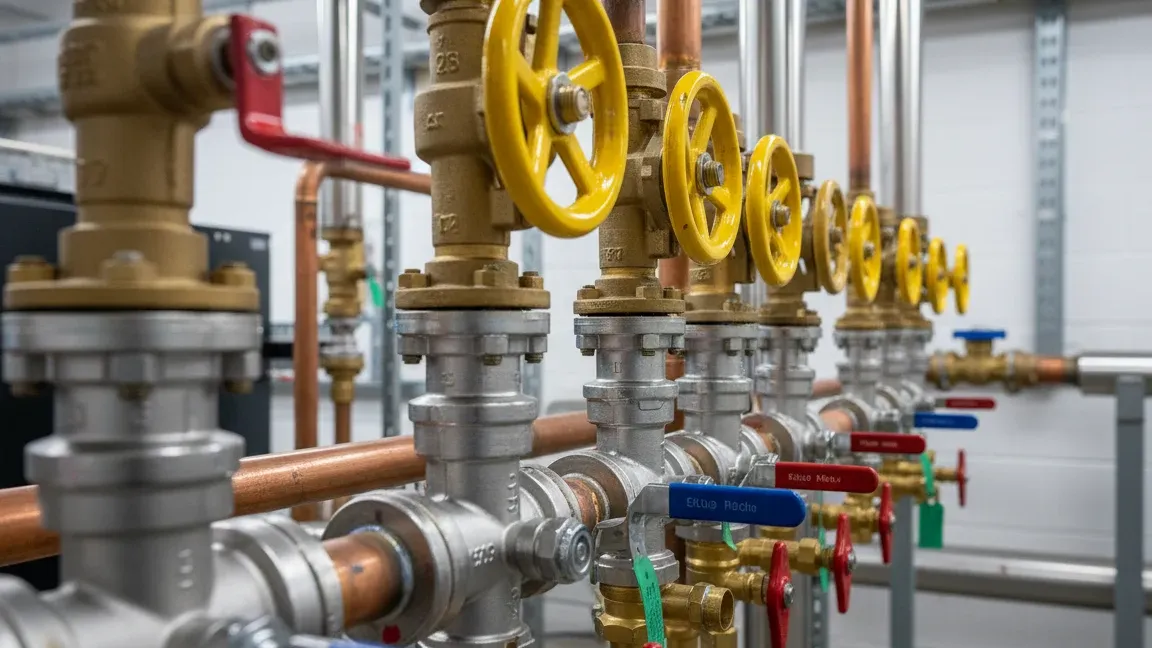
Mechanical heating and plumbing systems rely on properly positioned service valves to function safely and efficiently throughout their operational life. Without adequate isolation points, even routine maintenance becomes risky, expensive, and disruptive to building occupants. Every service valve installed represents a strategic decision about system accessibility, safety, and long-term operational costs that affects the entire installation.
The difference between a well-designed system and one that causes ongoing problems often comes down to isolation strategy. Systems with comprehensive valve coverage allow technicians to work on individual components without draining entire installations or shutting down heating to occupied spaces. This approach saves time, reduces water waste, and minimises disruption during maintenance activities.
Understanding Service Valves in Mechanical Systems
What Are Service Valves and Why They Matter
Service valves provide controlled isolation of specific sections within heating, cooling, and plumbing installations. These components allow technicians to shut off flow to individual pieces of equipment whilst maintaining operation in other areas of the building. The strategic placement of isolation points transforms complex systems into manageable sections that can be serviced independently without affecting overall system operation.
Modern central heating installations demand multiple isolation points positioned throughout the system. A circulator pump, for example, requires valves on both inlet and outlet connections to enable replacement without system-wide shutdown. Commercial installations multiply these requirements across dozens or hundreds of components, making comprehensive isolation strategy essential for efficient facility management.
The financial case for proper valve installation becomes clear during the first major service requirement. Systems designed with comprehensive isolation typically complete maintenance procedures in hours rather than days. The labour savings alone justify the initial investment in quality service valves and thoughtful system design that anticipates future maintenance needs.
British Standards and Building Regulations mandate specific isolation requirements for different system types. Gas-fired heating equipment, pressurised systems, and commercial installations each carry distinct valve specifications that must be met for compliance. Adhering to these requirements protects building owners from liability whilst ensuring safe operation throughout the system's service life.
The Role of Isolation in System Safety
Isolation capability directly impacts technician safety during maintenance procedures on pressurised heating systems. Working on systems without proper shutdown exposes engineers to scalding water, steam release, and equipment damage that could cause serious injury. Service valves positioned correctly eliminate these hazards by providing positive shut-off upstream and downstream of work areas.
Emergency situations reveal the true value of strategic valve placement throughout an installation. A failed pump seal or burst pipe section can be isolated immediately when valves exist at appropriate points. Without isolation, emergency repairs require full system drainage, extended downtime, and significantly higher costs for the building owner. The difference between a two-hour repair and a two-day shutdown often depends entirely on valve accessibility.
Water damage prevention extends beyond emergency scenarios to routine maintenance activities. Component replacement on systems without isolation valves forces technicians to drain hundreds of litres unnecessarily, wasting water and extending service time. This practice increases refill time and introduces fresh oxygen that accelerates corrosion throughout the system. Proper isolation preserves system water quality whilst enabling efficient maintenance procedures.
Professional installers recommend isolation valves at every major component interface throughout heating installations. This approach aligns with professional installation standards and manufacturer warranty requirements for major equipment. Systems designed to this specification demonstrate measurably lower lifetime maintenance costs and fewer emergency callouts than those with minimal isolation provision.
Types of Service Valves and Their Applications
Ball Valves and Gate Valves
Ball valves dominate modern heating installations due to their reliable quarter-turn operation and minimal flow restriction when fully open. The spherical closure element provides positive shut-off with visual confirmation of valve position through handle orientation. Full-bore ball valves maintain pipe diameter throughout, eliminating pressure drop across the valve body that would otherwise reduce system efficiency.
These characteristics make ball valves ideal for pump isolation, boiler connections, and zone control applications throughout heating systems. The rapid operation suits emergency shutdown requirements whilst the simple mechanism ensures long service life with minimal maintenance intervention. Quality ball valves from reputable manufacturers routinely exceed 20-year service intervals when properly installed and periodically operated.
Gate valves find application in larger commercial systems where pipe sizes exceed typical ball valve availability. The sliding gate mechanism suits infrequent operation on main distribution pipework where valves remain open during normal operation. However, gate valves require more installation space and offer less positive position indication compared to ball valve alternatives.
Selecting between valve types depends on specific application requirements and operating patterns. Frequent operation favours ball valves for their durability under repeated cycling, whilst large-diameter mains may necessitate gate valve solutions for practical reasons. Both types require proper sizing to system pressure and temperature parameters to ensure reliable long-term performance.
Specialist Isolation Solutions
Three-port valves enable sophisticated control in mixing and diverting applications within heating systems. These components direct flow between multiple circuits, supporting temperature blending and zone switching functions essential for modern system design. Motorised three-port valves integrate with building management systems for automated control in commercial installations.
Check valves prevent reverse flow in DHW pumps and gravity circulation systems where backflow would compromise system operation. These passive devices protect pumps from backflow damage whilst maintaining system efficiency during normal operation. Spring-loaded check valves offer adjustable cracking pressure to suit different installation requirements and system configurations.
Thermostatic and pressure relief valves provide essential safety functions that complement isolation capability in heating systems. These devices operate automatically to prevent dangerous pressure or temperature conditions that could damage equipment or endanger occupants. Whilst not strictly isolation components, their integration with service valves creates comprehensive system protection.
Pressurisation units incorporate automatic bypass valves that maintain system pressure during varying demand conditions. These specialist components work alongside manual isolation valves to ensure stable operation across all load scenarios. The combination delivers both operational flexibility and maintenance accessibility that professional installers specify.
Proper Installation and Positioning
Strategic Valve Placement
Every circulator pump installation requires isolation valves immediately upstream and downstream of the unit. This configuration enables pump removal without disturbing surrounding pipework or draining the entire system. Additional drain points between the isolation valves facilitate complete pump circuit drainage during service procedures.
Boiler installations demand isolation on both flow and return connections plus fuel supply lines for gas-fired units. These valves allow boiler removal or internal maintenance without system-wide impact on heating availability. Gas Safe regulations specify exact requirements for fuel isolation, including emergency shut-off accessibility that must be maintained at all times.
Expansion vessels benefit from dedicated isolation that permits pressure testing and replacement without system drainage. The valve positioning must account for vessel orientation and connection type to ensure proper function. Proper installation maintains vessel pre-charge whilst enabling periodic inspection and servicing throughout the vessel's service life.
Accessibility determines long-term maintenance efficiency as much as valve quality affects reliability. Service valves installed in ceiling voids or behind fixed panels create unnecessary difficulty during routine work and emergency situations. Professional installers position valves for tool access whilst maintaining clearance for handle operation and visual inspection.
Installation Best Practices
Flow direction markings on valve bodies must align with actual system flow for proper operation. Reversed installation can affect valve performance and create operational issues that compromise system efficiency. Arrow indicators should remain visible after installation, guiding future technicians during maintenance procedures.
Thread sealing requires appropriate materials for heating system pressures and temperatures encountered during operation. PTFE tape suits most applications when applied correctly - typically 3-4 wraps in the direction of thread rotation. Liquid sealants offer advantages for larger diameter connections but require proper curing time before pressure testing.
Pressure testing verifies installation integrity before system commissioning and occupancy. Test pressure typically exceeds normal operating pressure by 50%, held for minimum 30-minute duration to identify any defects. This procedure identifies installation defects before they cause operational failures. Quality pump valves withstand test pressures without leakage or deterioration.
System documentation should record every service valve location with clear identification labels for future reference. This practice proves invaluable during emergency repairs when rapid isolation becomes critical for damage prevention. Photographic records supplement written documentation, particularly in complex commercial installations with multiple plant rooms.
Maintenance and Operational Considerations
Regular Valve Servicing
Annual inspection schedules should include operation testing of all service valves throughout the installation. This simple procedure identifies seized or deteriorating valves before they fail during critical situations requiring isolation. Quarter-turn ball valves require minimal effort when properly maintained but can become inoperable after years of static positioning without operation.
Visual inspection detects early signs of valve deterioration including gland leakage, corrosion, and handle damage. Addressing these issues during routine maintenance prevents emergency failures that disrupt building operations and require urgent response. Replacement during planned maintenance costs significantly less than emergency callouts with premium labour rates.
Lubrication requirements vary by valve type and manufacturer specification for optimal performance. Some modern ball valves incorporate lifetime-lubricated bearings whilst older designs benefit from periodic stem lubrication. Following manufacturer guidance ensures optimal performance throughout the valve's intended service life.
Testing isolation effectiveness confirms that valves provide complete shut-off when required for maintenance. This verification involves closing the valve and checking for flow or pressure downstream of the isolation point. Valves that fail to isolate completely require immediate attention to restore system safety and maintenance capability.
Troubleshooting Common Valve Issues
Leaking glands typically result from spindle seal deterioration or improper initial installation during commissioning. Many valve designs permit gland tightening or repacking without valve replacement, reducing repair costs. This repair requires system isolation and drainage of the affected section - highlighting again the importance of comprehensive valve coverage throughout installations.
Seized valves present significant challenges in older installations where valves have remained in fixed positions for extended periods. Attempting to force operation risks handle breakage or valve body damage that necessitates replacement. Professional techniques including penetrating lubricants and controlled heat application can restore operation without component replacement in many cases.
Corrosion management becomes critical in systems with poor water quality or inadequate treatment programmes. External corrosion attacks valve bodies and connections, whilst internal deposits affect sealing surfaces and operation. Water treatment programmes and appropriate valve materials selection prevent these issues in new installations.
Noise and vibration sometimes indicate valve problems including partial blockage or damaged internal components affecting flow. Water hammer caused by rapid valve closure can be addressed through slower operation or installation of shock arrestors. Identifying the root cause prevents ongoing damage to valves and surrounding pipework.
Compliance and Professional Standards
Regulatory Requirements
Building Regulations Approved Document L specifies energy efficiency requirements that influence valve selection and placement in heating systems. Proper isolation supports system efficiency by enabling component maintenance without compromising overall performance. Zone valves and controls must meet minimum efficiency standards whilst providing reliable isolation functionality.
Gas Safe regulations govern all aspects of gas-fired heating installations including fuel isolation requirements. These standards mandate specific valve types, positioning, and accessibility criteria that must be observed. Non-compliance creates serious safety hazards and invalidates building insurance coverage for affected properties.
Water Regulations prevent contamination of potable water supplies through backflow and cross-connection in plumbing systems. Check valves and other backflow prevention devices must meet specific performance standards for compliance. Service valves supporting these protection measures require regular testing to maintain compliance status.
Commercial building compliance extends beyond domestic requirements with additional safety and accessibility standards. Fire safety regulations may specify isolation requirements for equipment in protected areas. Professional installers navigate these complex requirements to deliver fully compliant installations that meet all applicable codes.
Professional Installation Benefits
Qualified installers bring expertise in valve selection, sizing, and positioning that directly impacts long-term system performance. Their knowledge prevents common mistakes including undersized valves, poor accessibility, and inadequate isolation coverage. This expertise proves particularly valuable in complex commercial installations with multiple interacting systems.
Warranty protection depends on professional installation following manufacturer specifications precisely. Self-installed or incorrectly positioned valves may void equipment warranties, exposing building owners to significant replacement costs. Professional installation documentation supports warranty claims and demonstrates regulatory compliance.
National Pumps and Boilers supplies comprehensive ranges of service valves and isolation components from leading manufacturers. Access to quality components through professional supply chains ensures genuine products with full manufacturer support and warranty protection.
Long-term reliability stems from proper initial installation combined with quality component selection throughout. Professional installers specify valves appropriate for system pressure, temperature, and fluid characteristics. This attention to detail prevents premature failures that disrupt building operations and require emergency intervention.
Safety assurance and liability considerations make professional installation essential for commercial projects and complex domestic systems. Qualified installers carry appropriate insurance and accept responsibility for installation quality. This protection proves invaluable if installation defects cause property damage or personal injury.
Access to quality components through professional supply chains ensures genuine products with full manufacturer support. Trade suppliers stock reputable brands including Wilo, Grundfos, and other industry-leading manufacturers. This access eliminates counterfeit products that plague consumer retail channels.
Selecting Quality Valve Products
Recommended Brands and Equipment
Lowara manufactures high-quality valves and pump accessories suitable for demanding commercial applications. Their products meet stringent quality standards and carry comprehensive warranties that protect installer and building owner investments.
DAB offers valve solutions for residential and light commercial installations where reliability and value combine effectively. Their range covers common isolation requirements whilst maintaining quality standards expected by professional installers.
For larger commercial installations, Armstrong provides industrial-grade valve solutions engineered for continuous operation in demanding environments. These products suit applications where failure would cause significant operational disruption or safety concerns.
Conclusion
Service valves represent fundamental infrastructure within mechanical heating and plumbing systems that determines maintenance efficiency and operational safety. Their strategic placement transforms complex installations into manageable sections that support efficient servicing without operational disruption to building occupants. Comprehensive isolation coverage delivers measurable benefits throughout system service life.
Quality valve selection and professional installation deliver benefits that compound over decades of system operation. The initial investment in proper isolation strategy prevents exponentially higher costs during emergency repairs and routine maintenance activities. Building owners who prioritise valve infrastructure gain reliable systems with minimised downtime and extended equipment longevity.
Modern heating systems demand sophisticated isolation strategies that account for multiple zones, renewable integration, and building management system control requirements. Professional design considers future maintenance requirements alongside current operational needs. This forward-thinking approach ensures systems remain serviceable and efficient for decades.
For expert guidance on valve selection and system design, Contact Us to discuss specific requirements. Professional support ensures optimal isolation strategy that protects equipment investments and maintains operational efficiency throughout system life.