

The Role of Acoustic Insulation in Reducing Commercial Pump Noise
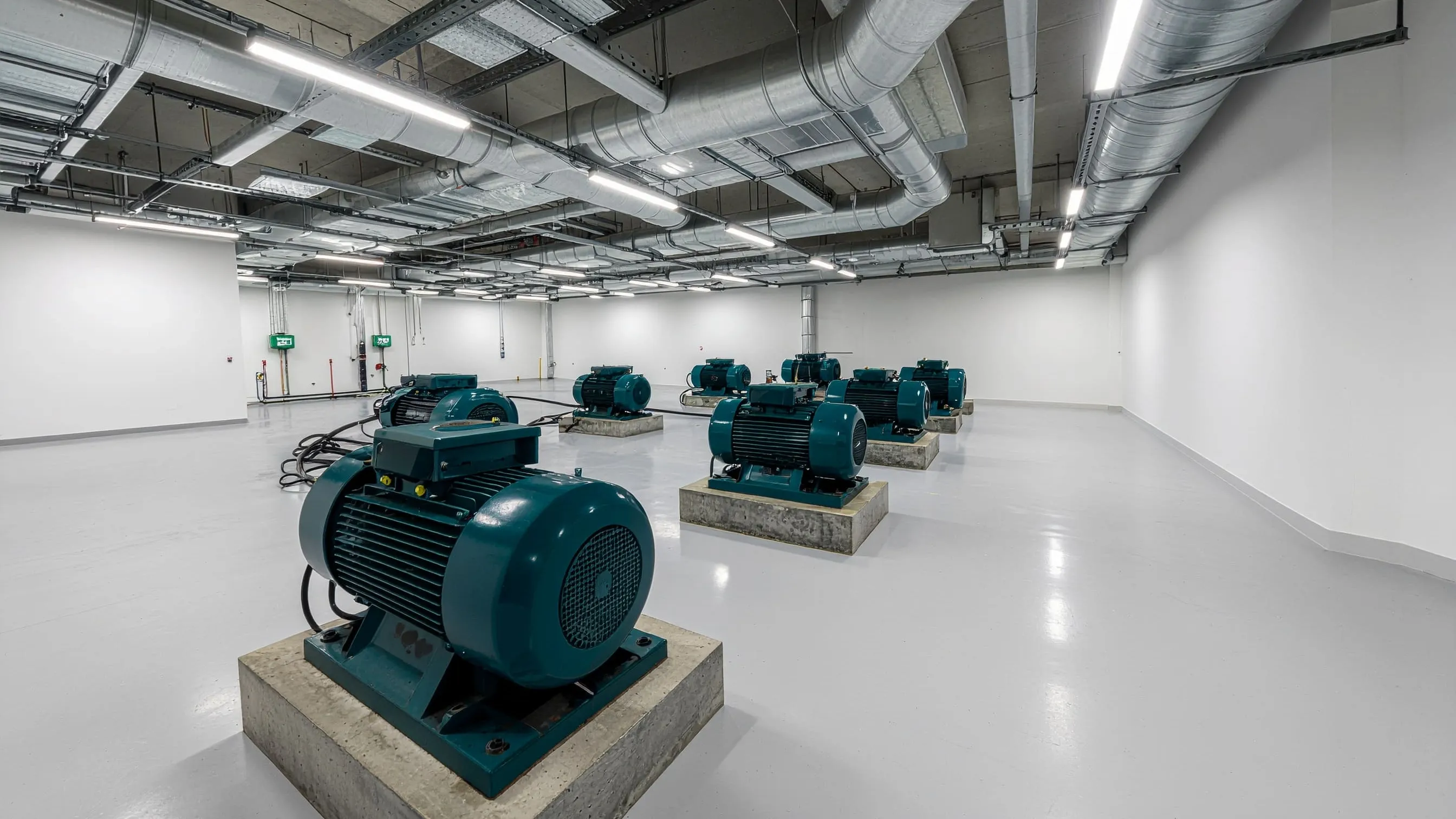
Commercial plant rooms house massive mechanical equipment that generates intense acoustic energy. Without proper commercial pump acoustic insulation, this exhausting noise travels effortlessly from the basement into occupied office spaces or luxury apartments. Facilities managers must address this invisible pollutant to protect building occupants and maintain strict environmental compliance.
Solving severe noise complaints requires much more than just putting a box over a motor. It requires deep M&E engineering knowledge to separate the physical structural vibrations from the airborne sound waves safely. If you fail to address both pathways, the low-frequency humming will simply bypass your basic defences and continue to disrupt the entire facility.
The Physics of Mechanical Noise Generation
There are two primary ways mechanical noise travels through a building. The first is airborne noise, which radiates directly from the motor casing into the plant room atmosphere. The second, far more destructive path is structure-borne vibration transmission. This occurs when the physical shaking of the heavy pump transfers directly into the concrete floor or the rigid steel pipework.
Think of structure-borne vibration transmission like striking a metal tuning fork and pressing it against a solid wooden desk. The desk amplifies the vibration incredibly loudly. If you press that exact same tuning fork into a soft pillow, the noise vanishes instantly. National Pumps and Boilers regularly advises clients to identify the exact acoustic pathway before applying any expensive remedies. You must know exactly how the sound is travelling before you can stop it.
Managing Structural Resonance
You absolutely cannot bolt a heavy, vibrating machine directly to a rigid concrete floor. Engineers must physically separate the motor from the building structure to prevent resonance. Installing heavy-duty anti-vibration pump mounts breaks the mechanical connection completely. These specialized concrete inertia bases and coiled spring isolators absorb the raw kinetic energy before it enters the foundation.
If you are installing an array of grundfos pumps, placing them on proper anti-vibration pump mounts ensures the motor hum never travels up the structural building columns. These mounts literally allow the pump to float above the floor. Preventing structure-borne vibration transmission at the source is always the most effective and reliable acoustic strategy for any plant room.
Isolating Pipework with Acoustic Hangers
Isolating the pump on the floor is completely useless if the attached pipework is rigidly bolted to the ceiling five metres away. This creates a flanking transmission path. The vibration simply bypasses the floor mounts, travels up the pipe, and enters the concrete ceiling slab directly.
You must install rubber-lined acoustic hangers or spring suspension clips on all adjoining pipework. A flawless commercial pump acoustic insulation strategy treats the pipes as extensions of the pump itself. If you are suspending heavy headers above a new Wilo pump, using proper acoustic isolation rings ensures the mechanical vibration never transfers into the overhead structure.
Wrapping Pipes for Airborne Noise
Once the structural connections are protected, you must address the high-pitched noise radiating from the pipework. Water rushing through steel headers generates a severe acoustic hiss. Standard lightweight thermal foam doesn't do much to stop sound waves because it lacks physical mass. Engineers must install dense mass-loaded vinyl acoustic lagging to trap this specific noise.
This heavy, flexible material wraps tightly around the pipe, acting as an impenetrable acoustic barrier. Proper isolation requires sealing every single gap in the wrapping. Even a tiny, invisible tear allows airborne sound waves to escape freely into the room. If technicians are completing a lowara pump repair, they must ensure they re-wrap the adjacent headers perfectly in this mass-loaded vinyl acoustic lagging to swallow the mechanical whine instantly.
Flexible Connectors and Bellows
Vibration doesn't just travel downward into the floor. It travels straight down the attached steel pipework, turning the entire distribution network into a giant acoustic radiator. You must install flexible rubber bellows between the pump flanges and the main distribution headers. These flexible joints act as vital shock absorbers for the pipework.
When combined with proper anti-vibration pump mounts, these bellows completely isolate the machine from the building. There must be absolutely no solid metal bridges between the vibrating motor and the static building frame. When installing a heavy Armstrong pump, you must verify that these flexible bellows aren't over-stretched or painted rigid. Painting over rubber bellows destroys their flexibility and completely ruins their acoustic value.
Upgrading the Primary Circulation
Sometimes, severe acoustic problems stem from poor hydraulic design rather than missing insulation. If a fixed-speed pump pushes water too fast through narrow pipes, it creates intense turbulent fluid velocity. This high-speed turbulence rattles the pipe walls aggressively and causes loud cavitation clicking within the elbows. No amount of lagging will solve hydraulic noise if the water speed is fundamentally wrong.
Slowing the water down by upgrading to variable speed drives drastically improves your overall decibel noise reduction rating. A properly sized central heating circulator pump running at an optimal, modulated speed generates a fraction of the noise of an oversized, fixed-speed unit. Eliminating hydraulic turbulence significantly lowers the baseline noise before you even apply any external barriers.
Real-World Acoustic Problem Solving
A facility manager at a luxury apartment block recently received severe noise complaints from residents living directly above the basement plant room. The original contractors had bolted the massive circulators straight to the concrete slab without any acoustic consideration. The building was failing to meet strict commercial Noise Rating (NR) targets, and the management company was facing threats of legal action.
The engineers resolved this crisis by lifting the equipment onto spring isolators and wrapping the primary headers in mass-loaded vinyl acoustic lagging. This targeted engineering intervention achieved a massive decibel noise reduction rating across the lower floors. Sourcing proper acoustic components, like a modern DAB water pump with variable speed control, stopped the low-frequency humming overnight. It completely saved the management company from costly tenant compensation claims.
Verification and Maintenance
Acoustic defences degrade over time and require routine verification to maintain their effectiveness. Rubber isolators perish, springs rust, and metal debris often falls beneath floating inertia bases. Protecting your commercial pump acoustic insulation requires constant visual vigilance from your maintenance team.
If a rogue steel bolt accidentally drops and gets wedged beneath a floating base, it creates a solid acoustic bridge. The vibration bypasses the springs and travels straight down the bolt into the floor. This ruins your decibel noise reduction rating instantly. Engineers must inspect all isolation gaps annually to ensure they remain perfectly clear of rigid obstructions.
Conclusion
Controlling plant room noise requires a strict, multi-layered engineering approach. Implementing proper commercial pump acoustic insulation ensures your facility meets legal noise compliance standards. By combining resilient floating mounts, acoustic pipe hangers, and heavy mass-loaded barriers, you create a silent, highly professional mechanical environment.
Never ignore the acoustic implications of a heavy mechanical upgrade. Treating vibration as an afterthought is a guaranteed recipe for occupant complaints. If your facility is suffering from severe mechanical noise and you need professional guidance, Request Product Support from our commercial M&E specialists today to restore quiet operation to your building.