

The Role of Biocides in Preventing Bacterial Growth in Low-Temperature Heating
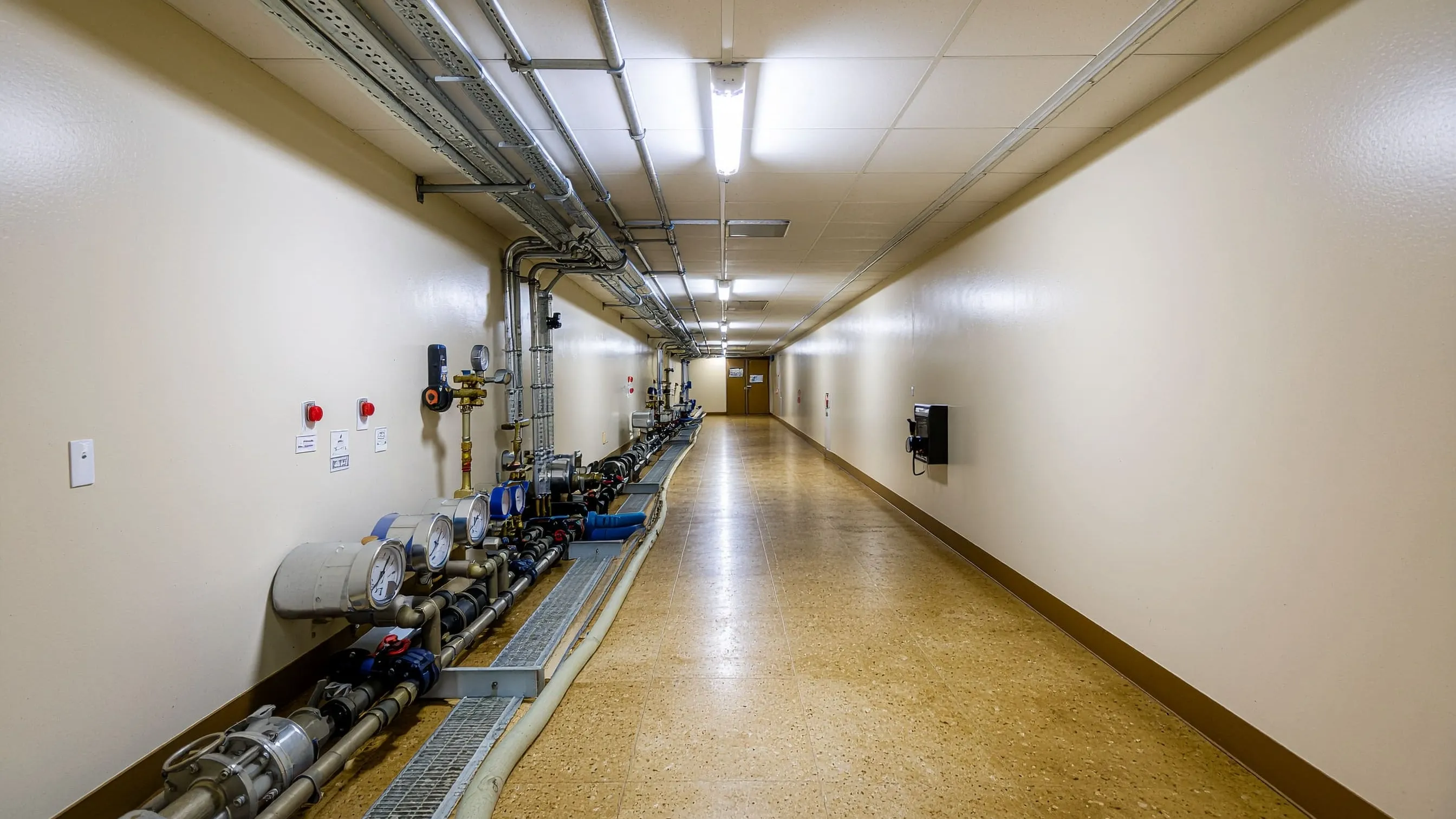
Low-temperature heating systems have transformed commercial building efficiency, yet they have introduced a previously negligible risk. We are now seeing massive bacterial contamination within modern heating circuits. Condensing boilers operating below 55°C and heat pumps running at 35°C to 50°C create the perfect incubation conditions for bacterial proliferation. Traditional high-temperature systems naturally suppressed these hazards through constant thermal disinfection, but modern efficiency demands a completely different approach.
The shift towards highly energy-efficient heating technologies has fundamentally altered the microbial ecology within commercial heating networks. Where conventional boilers once maintained circuit temperatures above 60°C to effectively pasteurise the system water, modern condensing technology deliberately operates well below these thresholds. This operational strategy recovers latent heat from flue gases and saves massive amounts of fuel, but it completely eliminates the thermal barrier that previously controlled bacterial growth.
If you manage modern commercial facilities, relying on traditional water treatment alone is no longer enough. You must actively introduce specific chemical protections into your low-temperature heating circuits to prevent biological fouling.
Understanding Bacterial Growth in Low-Temperature Systems
Bacterial contamination in heating systems accelerates dramatically when water temperatures drop below 60°C. While airborne transmission is rare in closed loops, adhering to strict Legionella control protocols remains essential to prevent cross-contamination into domestic water supplies. The more immediate danger to a closed heating circuit is Microbially Influenced Corrosion (MIC) and severe biofilm formation.
Think of a biofilm exactly like plaque on human teeth. Once the bacteria attach to the pipe walls and form a protective slime matrix, normal water flow simply can't wash them away. This sticky biological deposit rapidly reduces heat transfer efficiency and harbours highly acidic microorganisms that eat directly into your metal components. Once a biofilm hardens, you require highly aggressive chemical intervention to remove it.
The materials commonly used in modern systems all support this biological growth under the right conditions. Organic matter from glycol-based antifreeze, flux residues, and installation debris provide excellent nutrients that sustain bacterial communities. National Pumps and Boilers consistently advises that immediate chemical intervention is the only way to stop this destructive cycle before it establishes a foothold.
Why Low-Temperature Heating Increases Contamination Risk
Condensing boilers achieve their superior efficiency ratings by extracting heat from flue gases, which strictly requires return water temperatures to remain below 55°C. This operational requirement means the entire heating circuit operates continuously within the ideal temperature range that supports bacterial growth. Unlike older boilers that briefly elevated system temperatures during firing cycles, modern efficient units never reach pasteurisation temperatures.
Heat pump systems present even greater biological challenges. Air-source and ground-source heat pumps typically deliver flow temperatures between 35°C and 50°C. These highly efficient low-temperature heating circuits often incorporate massive buffer vessels, low-loss headers, and extensive pipework runs that naturally create stagnation zones. Without adequate circulation and precise chemical treatment, these quiet areas become bacterial reservoirs.
Commercial installations compound these risks through their sheer system volume and operational complexity. Central heating networks in larger facilities may include sections that see minimal flow during the warmer shoulder seasons. If you operate premium remeha boilers, you must protect their delicate internal waterways from this biological sludge using dedicated commercial heating biocides.
How Biocides Function in Heating Systems
Chemical treatments operate through several highly specific mechanisms to control bacterial populations and prevent sticky biofilms from forming. Oxidising agents, including chlorine dioxide and hydrogen peroxide formulations, work by physically disrupting cellular membranes and destroying essential proteins within the bacterial cells. These aggressive agents provide rapid kill rates but can sometimes accelerate metal corrosion if they lack compatible buffering agents.
Conversely, non-oxidising biocides employ alternative chemical mechanisms that interfere with cellular metabolism without relying on aggressive oxidation. Isothiazolone-based products and quaternary ammonium compounds fall perfectly into this category. These treatments demonstrate vastly superior performance against established biofilms and provide excellent material compatibility in mixed-metal systems containing copper, aluminium, and steel heating system components.
Modern formulations designed strictly for closed-loop heating usually combine this bactericidal action directly with premium corrosion inhibition. A properly formulated, multi-functional treatment protects all system metals whilst actively controlling microbial growth, hard scaling, and black sludge formation.
Regulatory Framework and British Standards
The Health and Safety Executive provides specific guidance on controlling hazardous bacteria in building water networks. Following recognised Legionella control protocols establishes the mandatory regulatory framework that directly influences your commercial heating water treatment. While primarily focused on domestic hot water, the strict principles of risk assessment, active monitoring, and chemical control apply equally to any of your low-temperature heating circuits.
Building Regulations Part L mandates efficient heating system design, inadvertently increasing your contamination risk through its low-temperature requirements. Responsible system designers must carefully balance this required energy efficiency against safe water quality. To protect a modern Vaillant boiler successfully, operators have a strict legal duty of care under the Health and Safety at Work Act to manage these highly foreseeable biological risks.
BSRIA BG29 establishes the absolute gold standard for pre-commission cleaning. Proper dynamic flushing removes installation debris, acidic flux residues, and the organic matter that would otherwise feed a bacterial outbreak. Systems commissioned properly to BG29 standards respond significantly better to chemical treatment and maintain safe water quality for decades.
Essential Biocide Dosing Checklist
Introducing highly concentrated chemicals into a massive commercial system requires strict discipline and planning. Poor dosing procedures waste expensive chemicals and leave vulnerable pipework entirely unprotected. Using a systematic approach is your primary step for biofilm formation prevention.
Work through this precise execution checklist to guarantee safe and effective treatment:
- Calculate the exact total system volume using precise pipework measurements and equipment data sheets before opening any chemical containers.
- Verify the compatibility of your selected biocide with your existing corrosion inhibitors and antifreeze solutions.
- Don full Personal Protective Equipment (PPE), including chemical-resistant gauntlets and a face shield, as concentrated biocides are highly toxic before dilution.
- Isolate the dosing pot completely, drain it, and introduce the chemical slowly to prevent dangerous splashing.
- Open all pump valves fully and run all primary circulation pumps at maximum speed for at least 24 hours to ensure perfect distribution.
- Log the exact chemical volume, the date, and the operator details in the official building maintenance logbook.
Application Methods for Commercial Installations
Initial chemical dosing during the commissioning phase provides your very first line of defence against bacterial colonisation. Following a thorough pre-commission clean, you must fill the system with treated water containing exactly the right concentration of biocide. Adequate circulation using a primary grundfos central heating pump ensures complete chemical distribution across every single heating zone.
Maintenance dosing schedules depend entirely on your specific system type, operating conditions, and ongoing water quality results. Closed-loop systems with minimal make-up water demands may only need annual testing and minor adjustments. However, systems with higher water loss rates require quarterly or even monthly attention to maintain safe chemical concentrations.
Monitoring protocols must include regular water sampling from truly representative system locations. You should pull samples from the main flow and return headers, remote secondary circuits, and any known stagnation zones. Laboratory analysis of total viable counts (TVC) provides objective, scientific evidence that your commercial heating biocides are actively working.
Selecting Appropriate Biocides for Different System Types
Closed-loop heating circuits require distinctly different chemical formulations compared to open-vented systems. Closed systems heavily benefit from persistent, non-oxidising biocides that remain fully effective throughout the entire annual cycle without degrading. These specific formulations must demonstrate total compatibility with plastic barrier pipes and brass fittings.
Underfloor heating installations present highly unique biological challenges due to their extensive plastic pipework runs and incredibly low flow velocities. Chemical selection must account for total compatibility with these polymer materials, avoiding aggressive formulations that could slowly degrade the plastic barrier over time. The low-temperature heating circuits demand highly effective bacterial control to prevent massive slime blockages.
District heating networks operating at moderate temperatures require highly specialised treatment programmes. These vast networks manage massive system volumes and face constant potential for fresh contamination at multiple connection points. These systems usually employ automated dosing stations with continuous sensor monitoring to maintain perfect chemical concentrations despite wildly variable return water conditions.
Common Mistakes and Best Practices
Inadequate circulation during your initial dosing allows untreated dead zones to harbour massive bacterial populations. A commissioning engineer on a recent care home project skipped the initial biocide dose in the underfloor heating manifolds just to save time on a Friday afternoon. Within three months, a thick bacterial slime completely blocked every single flow meter, forcing a massive chemical clean that cost ten times the original biocide price.
Overdosing represents another incredibly frequent error in commercial treatment application. Pumping excessive chemical concentrations wastes your maintenance budget and actively degrades critical rubber seals and gaskets. Even a heavy-duty domestic hot water pump will eventually leak if you expose its mechanical seals to heavily overdosed, toxic chemical cocktails.
Neglecting regular water quality testing creates dangerous blind spots in your facility management. Chemical concentrations degrade naturally over time through thermal breakdown and dilution from system top-ups. Annual testing represents the absolute minimum acceptable frequency for closed systems to ensure your biofilm formation prevention strategy remains active and effective.
Conclusion
Low-temperature heating systems deliver undeniably massive energy savings and reduced carbon emissions, but only when you properly protect them against bacterial contamination. Using correct, verified commercial heating biocides provides essential protection for heat pumps and condensing boilers operating efficiently below traditional pasteurisation temperatures. Properly applied treatments stop sticky biofilms from forming, control dangerous pathogens, and maintain your critical heat transfer efficiency.
Successful water treatment programmes integrate these treatments seamlessly with corrosion inhibitors and regular, disciplined monitoring. Your initial treatment during system commissioning establishes the secure foundation, whilst ongoing maintenance dosing ensures long-term operational effectiveness.
The sheer complexity of modern commercial heating systems demands professional, expert water treatment oversight. For guidance on implementing effective water treatment programmes in low-temperature heating installations, please Contact Our Team to discuss system-specific requirements and compliance solutions.