

The Role of Condensate Neutralization in Condensing Boilers
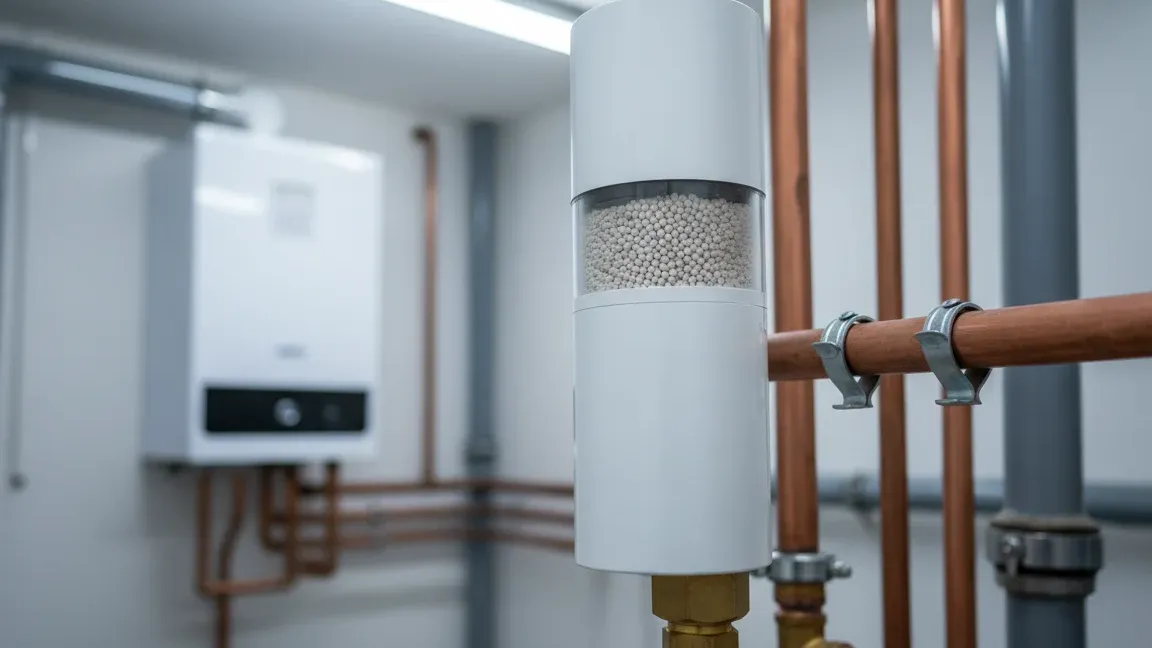
Modern condensing boilers achieve efficiency ratings exceeding 90% by extracting heat from flue gases that conventional boilers waste. This heat recovery process causes water vapour in the exhaust to condense, creating a liquid byproduct that poses significant challenges for drainage systems. The resulting condensate reaches acidity levels between pH 2 and pH 4 - comparable to vinegar - making proper condensate neutralisation a legal requirement rather than an optional consideration.
Every condensing boiler installation in the UK must address condensate disposal according to Building Regulations Part L and water company guidelines. The acidic nature of untreated condensate damages copper pipework, concrete drainage systems, and septic tanks whilst potentially disrupting municipal wastewater treatment processes. Understanding neutralisation requirements protects both heating systems and drainage infrastructure from expensive damage.
Understanding Condensing Boiler Technology and Condensate Formation
How Condensing Boilers Produce Acidic Condensate
Condensing boilers recover latent heat by cooling flue gases below their dew point, typically around 55°C for natural gas combustion. This cooling causes water vapour - a natural combustion byproduct - to condense into liquid form within the heat exchanger. The condensate absorbs carbon dioxide, nitrogen oxides, and other acidic combustion products, creating a corrosive solution with pH levels between 2 and 4.
A typical domestic condensing boiler producing 24kW output generates approximately 2-3 litres of condensate per hour during operation. Commercial installations with multiple boilers can produce 30-50 litres hourly, creating substantial volumes that require proper neutralisation before discharge. Natural gas combustion produces slightly less acidic condensate (pH 3-4) compared to LPG installations (pH 2-3) due to different combustion chemistry.
The acidic nature of untreated condensate presents several significant risks that make neutralisation essential. Metallic corrosion affects copper pipes, brass fittings, and galvanised steel components when exposed to acidic condensate over time. Concrete drainage systems constructed from cement-based materials suffer chemical attack that weakens structural integrity. Septic system disruption occurs when acidic discharge kills beneficial bacteria essential for proper tank operation.
Why Condensate Neutralisation Is Mandatory
UK Building Regulations Approved Document L requires all condensing boiler installations to incorporate appropriate condensate disposal methods that protect drainage infrastructure. Water companies enforce strict pH requirements for discharges to public sewers, typically mandating pH levels between 6 and 9. Failure to implement proper condensate neutralisation constitutes a breach of environmental regulations and can result in enforcement action.
The Water Industry Act 1991 grants water companies authority to prosecute property owners who discharge harmful substances without consent. Acidic condensate qualifies as a harmful discharge when pH falls below 6, making neutralisation a legal obligation rather than a best practice recommendation. Commercial premises face additional scrutiny through environmental health inspections and trade effluent consent requirements.
Beyond regulatory compliance, proper neutralisation protects building infrastructure from expensive damage that proves far more costly than neutralisation equipment. Acidic condensate corrodes copper heating pipes from the inside, causing pinhole leaks that require extensive remedial work. Concrete drainage channels develop surface erosion and structural weakening, leading to collapse and costly excavation repairs.
Condensate Neutralisation Methods and Equipment
Neutralisation Unit Types and Selection
Condensate neutralisation systems employ alkaline media to chemically neutralise acidic condensate before discharge to drainage systems. The most common approach uses gravity-fed units containing granulated limestone or marble chips. As acidic condensate flows through the alkaline media, a neutralisation reaction occurs, raising pH to acceptable levels between 6 and 9.
Domestic installations typically use compact neutralisation units sized for single boiler applications. These units contain 3-5kg of neutralising media sufficient for 12-24 months of typical operation depending on boiler usage patterns. The media gradually dissolves during neutralisation reactions, requiring periodic replacement when approximately 70% depleted. Grundfos pumps often pair with neutralisation systems where gravity drainage proves impossible due to building configuration.
Commercial applications demand larger neutralisation capacity to handle greater condensate volumes. Multi-boiler installations require industrial-grade units containing 20-50kg of media, designed for higher flow rates and extended service intervals. These systems incorporate inspection ports for media level checking and often include pH monitoring equipment to verify effective neutralisation continuously.
Selecting appropriate neutralisation equipment depends on several factors that must be considered during system design. Boiler output determines condensate production rate requiring treatment. Number of boilers affects whether centralised or individual neutralisation proves more practical. Installation location influences whether gravity or pumped systems work best. Maintenance access requirements affect unit positioning and serviceability.
Installation Requirements and Best Practices
Proper positioning of neutralisation units ensures effective operation and simplifies ongoing maintenance. Install units as close as practical to the boiler condensate outlet, minimising pipe runs where acidic condensate contacts vulnerable materials before treatment. Maintain adequate fall throughout condensate pipework - typically 1:40 gradient minimum - to prevent pooling and ensure continuous flow through the neutralisation media.
Condensing boilers with internal condensate traps discharge at atmospheric pressure, allowing gravity drainage through neutralisation units to foul water drainage systems. Never connect condensate discharge to surface water drains or soakaways, as acidic condensate harms aquatic ecosystems and groundwater quality even after partial neutralisation. Building Regulations explicitly require foul water connection for all condensate disposal.
Where gravity drainage proves impossible due to boiler positioning below drain level, install condensate pumps upstream of neutralisation units to lift condensate appropriately. National Pumps and Boilers recommends ensuring pump discharge maintains adequate fall to prevent backflow and media saturation that reduces neutralisation effectiveness.
Gas Safe registered engineers must verify condensate disposal compliance during boiler commissioning. Documentation should record neutralisation unit type, media capacity, installation date, and expected replacement intervals. Commercial installations require additional documentation for building control sign-off and environmental health records demonstrating ongoing compliance.
Maintenance and Monitoring of Neutralisation Systems
Regular Testing and Media Replacement
Effective condensate neutralisation depends on maintaining sufficient alkaline media capacity throughout the system's operational life. As neutralisation reactions occur, limestone chips gradually dissolve, reducing media volume and neutralisation capability over time. Regular inspection prevents media depletion that allows acidic condensate discharge violating environmental regulations.
Domestic installations typically require media replacement every 12-24 months, depending on boiler usage patterns and output capacity. Heating systems operating year-round for hot water production deplete media faster than seasonal heating-only applications. Visual inspection through transparent unit housings reveals media level - replacement becomes necessary when media drops below 30% of original volume.
pH testing provides definitive verification of neutralisation effectiveness that visual inspection cannot confirm. Test condensate discharge using pH test strips or electronic meters, confirming readings between 6 and 9 as required by water authority regulations. Conduct testing during boiler operation when condensate flows actively through the system. Readings below pH 6 indicate depleted media requiring immediate replacement.
Commercial installations demand more rigorous monitoring schedules to ensure continuous compliance. Monthly pH testing during heating season ensures ongoing effectiveness, with documented records maintained for environmental health inspections. Some commercial systems incorporate continuous pH monitoring with alarm functions alerting maintenance personnel to neutralisation failures requiring attention.
Media Replacement Procedures
Media replacement procedures vary by unit design but follow similar general principles. Isolate the system by turning off the boiler and allowing condensate flow to cease before beginning work. Drain the unit by removing residual condensate and spent media, disposing of used media according to local waste regulations.
Inspect housing for damage, cracks, or seal deterioration that could affect future operation before refilling. Refill with fresh media using manufacturer-specified limestone chips or marble chips appropriate to the specific unit design. Central heating service visits provide ideal opportunities for neutralisation system inspection alongside other maintenance tasks.
Test operation after refilling by running the boiler and verifying pH of discharged condensate falls within acceptable range. Document replacement including date, media type, quantity, and pH test results for future reference and compliance records. Schedule next replacement based on typical service interval adjusted for observed media consumption rate.
Troubleshooting Common Neutralisation Issues
Media channelling occurs when condensate flow creates preferential paths through neutralisation media, bypassing significant portions of alkaline material. This reduces contact time and neutralisation effectiveness despite adequate media volume remaining in the unit. Prevent channelling by selecting units with flow distribution designs and avoiding media compaction during refilling procedures.
Condensate pump failures upstream of neutralisation units cause condensate backup and potential boiler shutdown. Modern condensing boilers incorporate safety switches that halt operation when condensate cannot drain properly, protecting equipment from damage. Regular pump maintenance prevents failures - clean pump chambers annually and replace pump units every 5-7 years as preventative maintenance.
Freezing poses risks for neutralisation units installed in unheated spaces or external locations during winter months. Condensate freezing within units blocks flow and damages housings that cannot withstand ice expansion. Insulate all condensate pipework and neutralisation units in vulnerable locations appropriately. Consider trace heating for external installations in regions experiencing prolonged sub-zero temperatures.
Commercial vs Domestic Neutralisation Requirements
Domestic Installation Considerations
Residential condensing boiler installations typically employ compact, self-contained neutralisation units requiring minimal ongoing maintenance. Combination boilers serving single dwellings produce modest condensate volumes manageable with standard domestic neutralisation equipment. Annual boiler servicing should include condensate system inspection and media level checking as standard practice.
Building Regulations permit simple dilution methods for smaller boilers discharging to foul drains serving multiple properties under certain circumstances. The dilution effect from other water usage raises pH to acceptable levels without dedicated neutralisation equipment in some situations. However, this exemption applies narrowly - most installations benefit from proper neutralisation units regardless of regulatory minimums to protect drainage infrastructure.
Homeowners should understand basic neutralisation maintenance requirements to ensure ongoing system effectiveness. Annual servicing by Gas Safe engineers includes condensate system checks, but property owners can perform simple visual inspections between services. Transparent neutralisation units allow media level monitoring without disassembly, identifying depletion before problems occur.
Cost-effective neutralisation solutions for domestic applications include inline cartridge units providing compact designs suitable for space-constrained installations, refillable gravity units offering economical long-term solutions with replaceable media, and combined pump and neutralisation units providing integrated solutions for below-drain installations.
Commercial and Industrial Applications
Commercial heating installations with multiple condensing boilers require sophisticated condensate neutralisation strategies addressing larger volumes and compliance requirements. Centralised neutralisation systems collect condensate from multiple boilers through manifolded pipework, processing combined flow through large-capacity units. This approach simplifies maintenance and reduces equipment costs compared to individual units per boiler.
Alternative configurations employ individual neutralisation units for each boiler, providing redundancy and simplified troubleshooting when problems occur. This distributed approach suits installations where boilers occupy separate plant rooms or operate independently. Wilo circulators in large heating systems often work alongside comprehensive condensate management infrastructure.
Enhanced monitoring requirements apply to commercial premises subject to environmental health inspection. Documented maintenance records demonstrating ongoing compliance prove essential - monthly pH testing logs, media replacement records, and service documentation provide evidence of proper condensate management meeting regulatory requirements.
Maintenance contracts for commercial heating systems should explicitly include condensate neutralisation responsibilities. Service level agreements specify inspection frequencies, pH testing schedules, media replacement procedures, and emergency response for neutralisation failures. Clear contractual terms prevent disputes about maintenance responsibility and ensure consistent compliance throughout contract periods.
Environmental Benefits and Long-Term Compliance
Protecting Water Infrastructure
Proper condensate neutralisation protects municipal drainage infrastructure from corrosion damage affecting entire communities. Water companies invest billions maintaining and replacing sewer networks - acidic discharges accelerate deterioration requiring premature replacement. Individual compliance with neutralisation requirements contributes to collective infrastructure preservation benefiting all users.
Wastewater treatment works rely on biological processes operating within specific pH ranges for effective operation. Acidic condensate disrupts these processes, requiring chemical dosing to restore proper conditions for biological treatment. Large-scale pH imbalances can overwhelm treatment capacity, resulting in inadequately treated effluent discharge affecting water quality.
Environmental benefits extend beyond infrastructure protection to ecosystem preservation. Properly neutralised condensate discharge supports aquatic ecosystem health in rivers and streams receiving treated wastewater. Maintaining neutral pH protects fish populations and aquatic invertebrates sensitive to acidity fluctuations that untreated condensate discharge causes.
Expansion vessels and other heating system components also benefit from proper condensate management through reduced exposure to acidic conditions. The cumulative effect of widespread condensate neutralisation compliance significantly reduces heating system environmental impact whilst protecting connected infrastructure.
Future-Proofing Heating Installations
Environmental regulations continue tightening as authorities recognise cumulative impacts of inadequately managed discharges on drainage infrastructure and water quality. Installations implementing robust condensate neutralisation systems now avoid costly retrofits when regulations strengthen further. Oversizing neutralisation capacity during initial installation accommodates potential system expansion without equipment replacement.
Emerging boiler technologies including hydrogen-ready condensing boilers will continue producing acidic condensate requiring neutralisation treatment. Investment in quality neutralisation infrastructure provides long-term value across equipment generations as heating technology evolves. Modular neutralisation systems allow capacity expansion by adding parallel units rather than complete replacement.
Building compliance documentation increasingly scrutinises heating system environmental performance for sustainability certifications. BREEAM and other sustainability credentials award credits for comprehensive condensate management demonstrating environmental responsibility. Proper neutralisation system documentation supports planning applications, building control approval, and sustainability assessments.
Lowara pumps and other quality heating components integrate with neutralisation systems as part of comprehensive heating installations meeting current and anticipated future requirements. Training heating engineers in condensate neutralisation best practices ensures consistent installation quality across the industry.
Making Informed Decisions
Condensate neutralisation represents an essential component of modern condensing boiler installations, protecting drainage infrastructure whilst ensuring regulatory compliance. The acidic nature of boiler condensate - with pH levels comparable to vinegar - demands proper treatment before discharge to prevent expensive damage to pipework, concrete drainage systems, and wastewater treatment facilities.
Selecting appropriate neutralisation equipment depends on boiler capacity, installation configuration, and maintenance access requirements. Domestic installations typically employ compact units containing 3-5kg of limestone chips, whilst commercial applications demand larger capacity systems serving multiple boilers with enhanced monitoring capabilities.
The investment in proper condensate neutralisation delivers substantial long-term benefits beyond regulatory compliance. Protected drainage infrastructure avoids costly corrosion damage, whilst municipal wastewater treatment processes operate efficiently without pH disruption from untreated acidic discharges.
For expert guidance on condensing boiler installations and comprehensive condensate neutralisation solutions, Contact Us to discuss specific requirements and receive professional recommendations tailored to individual installations.