

The Role of Specialist Contractors in Removing Asbestos from Legacy Boiler Rooms
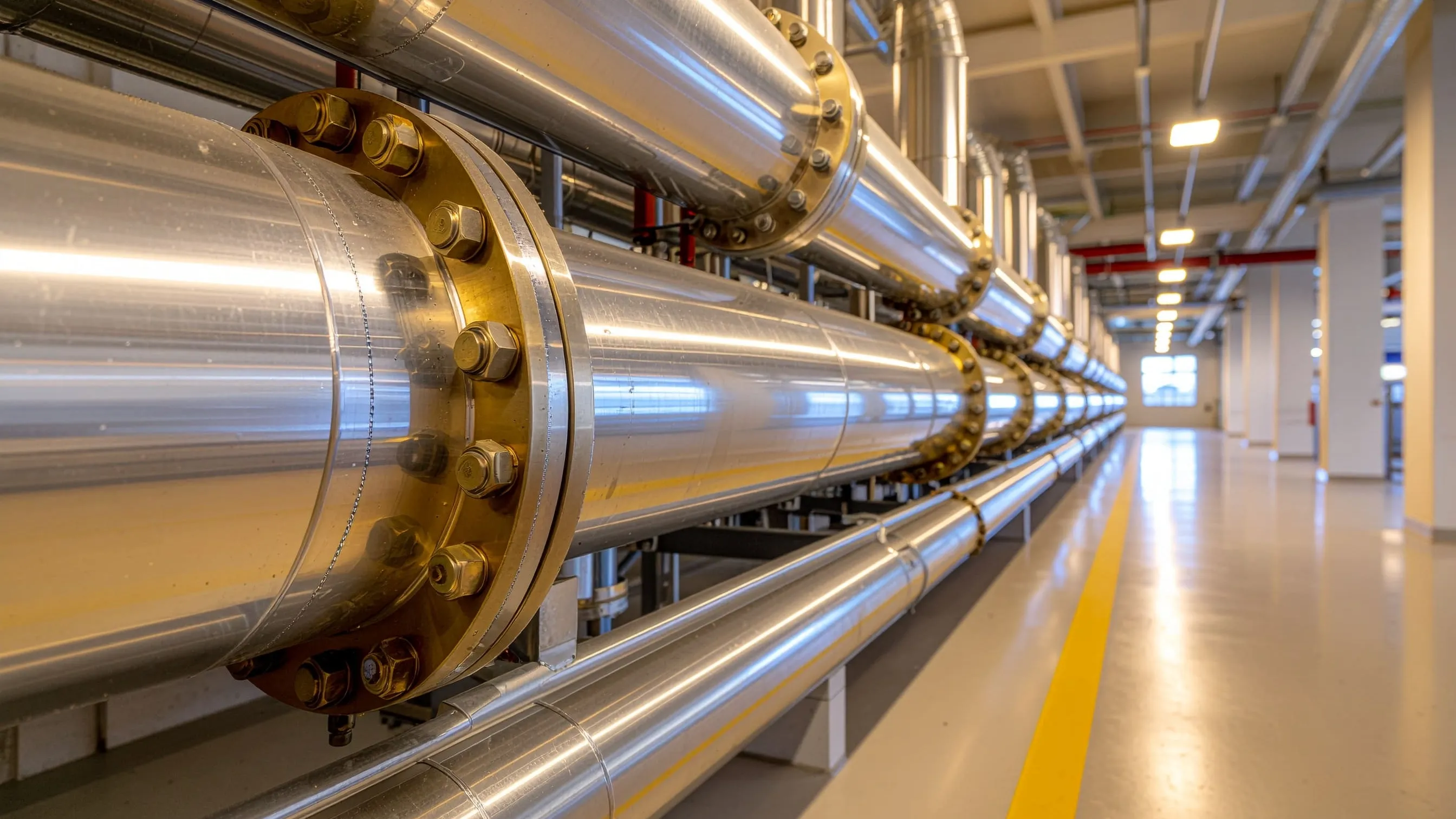
Legacy boiler rooms across the UK contain a hidden hazard that complicates major upgrades. Buildings constructed before the mid-1980s frequently contain asbestos materials. These dangerous materials hide around boilers, pipework, and structural elements. It's essential to arrange specialist removal before any mechanical work can safely proceed.
The presence of asbestos creates significant challenges for building managers planning boiler replacements. Disturbing asbestos-containing materials without proper protocols poses severe health risks. It also carries substantial legal penalties. This reality makes specialist asbestos contractors an absolute requirement for any legacy boiler room project.
Understanding Legacy Boiler Room Asbestos Risks
Asbestos became the preferred insulation material during the post-war construction boom. Engineers routinely specified it for its exceptional fire resistance and thermal properties. Common locations include boiler casings, pipe insulation, and rope seals around heavy doors. Even floor tiles and ceiling panels above older andrews water heaters may contain asbestos fibres, creating a complex contamination scenario.
When these materials deteriorate, they release microscopic fibres into the air. Inhaling them causes severe, long-term health issues like mesothelioma and lung cancer. For heating engineers, this represents a massive occupational hazard. Addressing legacy boiler room asbestos is strictly regulated to protect everyone working on site.
Think of asbestos fibres like microscopic, invisible glass shards. Once they settle deeply in the lungs, they can't be removed. This permanent danger makes absolute atmospheric containment the only safe option during removal.
Why Specialist Contractors Are Non-Negotiable
The Control of Asbestos Regulations 2012 establishes crystal clear legal requirements. Building managers must identify asbestos, assess its condition, and use competent contractors for removal. Attempting this hazardous work without HSE licensing is a criminal offence. It carries unlimited fines and potential imprisonment for the responsible parties.
Specialist contractors do much more than just remove the physical material. They conduct continuous air monitoring to verify that fibre levels remain perfectly safe. They also establish negative pressure enclosures to stop contamination from spreading through the building. General builders simply don't possess this highly specialised safety equipment, even for a simple Wilo pump replacement.
Legacy boiler room asbestos challenges demand specialist expertise at every stage. Licensed contractors undergo rigorous assessment of their technical competence and workplace procedures. They provide the necessary insurance coverage that standard mechanical contractors can't legally offer.
The Comprehensive Asbestos Survey Process
Every legacy boiler room asbestos project begins with a comprehensive, professional survey. Qualified surveyors meticulously inspect the plant room and take physical samples for laboratory analysis. A modern Refurbishment and Demolition Survey (historically referred to as a Type 3 refurbishment survey) is legally required before major works commence.
Surveyors thoroughly check the insulation on the existing boiler and all associated pipework. They identify rope seals, gaskets, and any sprayed coatings around a Grundfos variable speed pump that might release dangerous fibres. The resulting report specifies exactly what requires safe removal. This ensures your new central heating pump and boiler upgrades proceed safely and legally.
Without what the industry still widely calls a thorough Type 3 refurbishment survey, you can't accurately tender the removal work. The survey dictates which materials must be removed and which can remain undisturbed. Booking a proper Type 3 refurbishment survey takes time, so you must incorporate these mandatory timeframes into your project planning early.
Safe Removal Protocols in Occupied Buildings
Contractors use carefully sequenced protocols to prevent fibre migration into occupied spaces. They build fully sealed enclosures around the work zone using heavy-duty polythene sheeting. Negative pressure systems use HEPA filters to ensure air only flows inward, preventing leaks. Multiple airlock chambers safely control personnel and equipment movement.
Operatives wear full respiratory gear and use wet removal methods to suppress fibres. They carefully double-bag all contaminated materials in approved, clearly marked disposal containers. Following removal, independent analysts perform strict four-stage clearance air testing. The space only returns to normal use after achieving clearance certification below 0.01 fibres per millilitre.
A facility manager recently tried to bypass a proper Type 3 refurbishment survey to rush a Vaillant boiler upgrade. The installation team spotted suspect pipe insulation and halted work immediately. The resulting HSE investigation shut down the entire basement for two weeks, costing thousands. Proper early planning would have easily prevented this massive delay.
Coordination Between Asbestos Teams and Heating Engineers
Successful plant room refurbishment demands precise coordination between all parties. National Pumps and Boilers specialists work alongside asbestos teams to supply equipment promptly. We ensure removal work clears the way for new mechanical installations without expanding the project scope unnecessarily.
Communication protocols prove absolutely essential during intrusive work. Asbestos contractors must notify heating engineers immediately if they discover undocumented materials. Likewise, heating engineers must halt work if they uncover anything suspicious inside supposedly cleared areas. This collaborative, safety-first approach prevents accidental exposure incidents.
Site handover procedures require meticulous and permanent documentation. Heating engineers shouldn't commence work without holding verified clearance certificates in their hands. Asbestos contractors must provide these certificates alongside waste consignment notes proving legal disposal. This critical documentation protects building owners from severe future liability.
Installing Modern Equipment After Remediation
Once safely cleared, plant rooms are finally ready for modern heating equipment. The remediation process often reveals hidden structural or service issues. Corroded pipe supports or inadequate ventilation frequently emerge once the bulky asbestos is gone. This presents the perfect opportunity to evaluate upgrading pump valves and replacing deteriorated distribution lines.
A Remeha cascade configuration is excellent for restricted spaces where asbestos removal has reduced the floor area. Specifying a Remeha cascade configuration provides redundancy and turndown capability that older, single boilers can't match. You can rely on this setup to match your building's precise thermal demands efficiently.
Integrating a Grundfos variable speed pump optimises overall system efficiency massively. A correctly sized Grundfos variable speed pump reduces pipework stress through highly controlled pressure management. For domestic hot water, Andrews Water Heaters operate independently of space heating, improving overall system reliability during the summer months.
Cost Implications for Asbestos Remediation
Asbestos removal substantially impacts legacy boiler room refurbishment budgets. Survey costs typically range from £500 to £2,000 depending on building complexity. Removal costs vary dramatically based on material quantities and building occupancy constraints. Straightforward removal might cost £5,000, while extensive contamination around a large lowara water pump can easily exceed £50,000.
These costs represent unavoidable project components, not optional extras. Building managers sometimes attempt to limit the removal scope just to save money on replacing Andrews Water Heaters. This creates future liabilities, as remaining materials will eventually require removal under potentially worse circumstances. Investing properly now prevents massive financial headaches down the line.
Timeline Management and Project Planning
Timeline implications prove equally significant for project planning. Surveys require weeks for sampling, laboratory analysis, and report preparation. The removal work itself spans days or weeks depending on the scope.
Building managers must incorporate these unchangeable timeframes into their planning because safety protocols can't be rushed. When planning to install a remeha cascade system, schedule your asbestos survey months in advance. Early planning guarantees the removal work aligns perfectly with your new equipment delivery.
Conclusion
Legacy boiler room asbestos challenges demand true specialist expertise and patience. The severe health implications and strict regulatory frameworks place this work completely outside standard capabilities. Specialist asbestos contractors protect building owners from massive legal liabilities and ensure safe working environments.
Investing in professional remediation creates safe, clean foundations for modern heating systems. It eliminates dangerous contamination risks and guarantees your new installation proceeds legally. Proper preparation ensures your new, highly efficient equipment can operate for decades without future contamination concerns.
For expert guidance on sourcing replacement equipment after your plant room remediation is complete, Talk to a Product Expert today to discuss your building's specific technical requirements.