

The Role of Temporary Boilers During Major Commercial Heating Upgrades
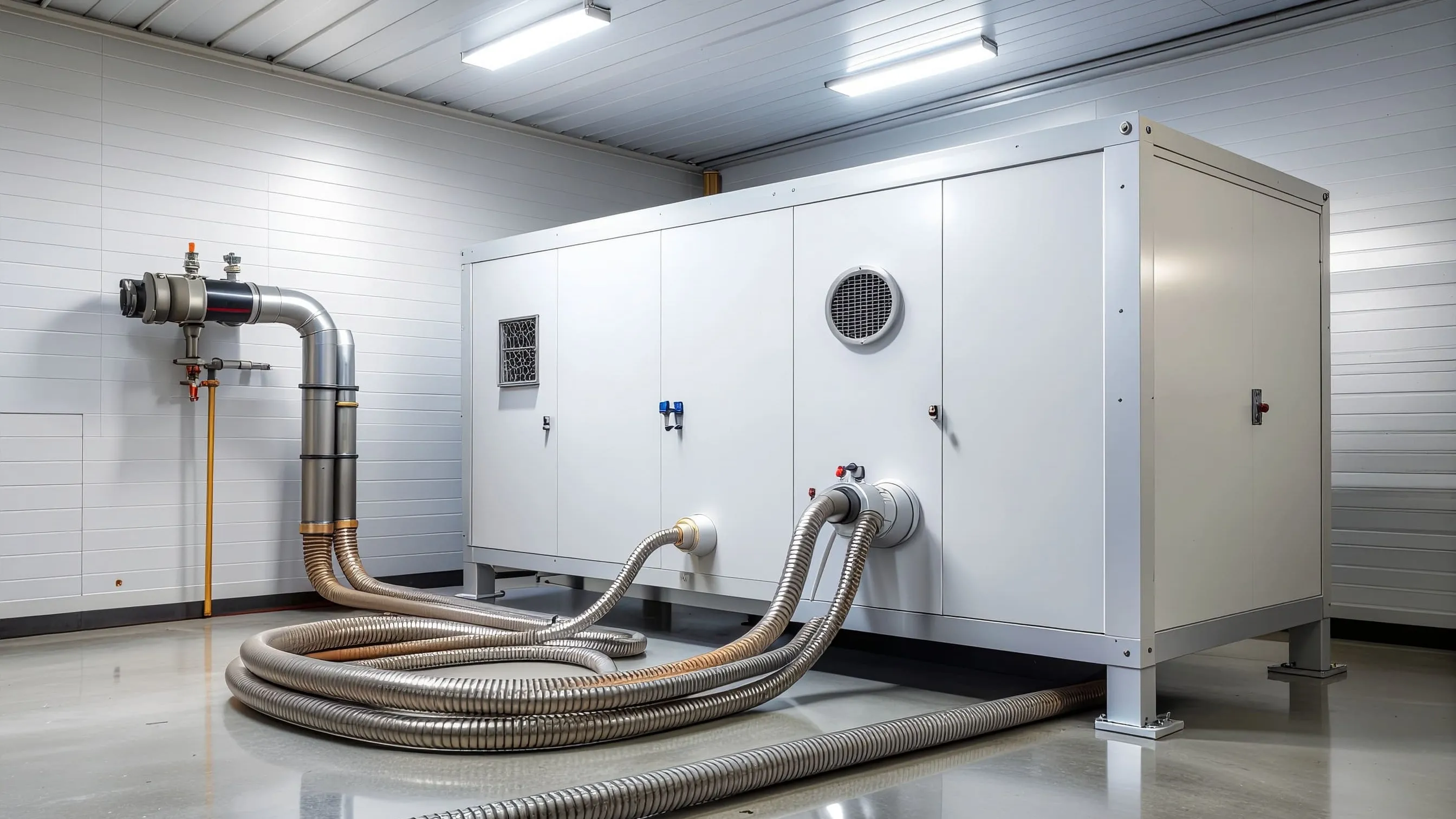
Major commercial heating upgrades present a massive logistical challenge. You can't simply turn off the heat in a hospital, a care home, or a fully occupied hotel for three weeks during mid-winter. Stripping out heavy cast-iron plant and installing modern condensing cascades requires significant time to execute safely. This is precisely where temporary commercial boilers provide an indispensable engineering lifeline.
Deploying temporary commercial boilers removes the immense pressure of a rushed installation. It allows mechanical contractors to drain down the legacy system, cut out the old infrastructure, and build the new primary circuits meticulously. The building occupants remain perfectly warm.
The Operational Reality of Heating Upgrades
Critical facilities demand zero downtime. When a legacy plant room reaches the end of its operational life, the transition period represents a high-risk phase. Relying on outdated equipment to survive one more winter often leads to catastrophic, unplanned failures.
Proactive facilities managers schedule their major retrofits and integrate temporary solutions seamlessly. A well-specified mobile plant room ensures the facility avoids devastating operational closures or revenue losses. Bypassing the offline plant room requires precise hydraulic planning and expert project management.
Deploying a Self-Contained Solution
When space allows, contractors rely on a self-contained mobile plant room. These units arrive on the back of an articulated lorry and sit safely in a car park or loading bay. A mobile plant room is fully weatherproof and houses the boilers, circulation pumps, expansion vessels, and control panels inside a secure steel container.
This approach keeps the noisy, heavy equipment outside the main building. National Pumps and Boilers regularly advises contractors on the exact mechanical requirements to keep buildings live during these complex transitions. You simply need to provide a temporary electrical supply and a temporary fuel source.
Protecting Equipment with Hydraulic Separation
Legacy heating systems contain decades of accumulated magnetite, rust, and sludge. Pumping this highly contaminated water directly into a pristine rental boiler will destroy its narrow heat exchangers instantly. You must physically separate the dirty building water from the clean rental equipment.
Engineers achieve this by installing a heavy-duty temporary heat exchanger. Think of a temporary heat exchanger like a strict security checkpoint at an airport. It allows the valuable thermal energy to pass through seamlessly, but it acts as a solid physical barrier that absolutely blocks any dirty, damaging sludge from crossing over. If you are replacing a large vaillant 80kw boiler array internally, this setup protects the external rental assets flawlessly.
Safe Pipework and Fluid Routing
Connecting an external mobile plant room to an internal heating header requires robust, high-pressure fluid routing. Standard rubber hoses can't withstand commercial heating temperatures or static pressures safely. Contractors must specify heavy-duty flexible stainless steel hose for these critical connections.
Properly rated flexible stainless steel hose absorbs vibrations and handles temperatures exceeding 80 degrees Celsius effortlessly. Engineers must install robust pump service valves on either side of the connections to allow for safe servicing. A mechanical contractor at a large regional hospital recently faced a catastrophic failure of their primary heating header in January. They deployed an external rental unit and routed flexible stainless steel hose through a high-level ventilation louvre. They restored full heating to the surgical wards in just six hours.
Overcoming Tight Access Restrictions
External space isn't always available in dense city centres. When you can't park a trailer outside, you must utilise an internal skid-mounted boiler plant. A skid-mounted boiler plant consists of the heating equipment bolted securely to a compact steel frame rather than enclosed in a shipping container.
Engineers can lift a skid-mounted boiler plant directly into an unfinished plant room or an underground basement using standard lifting gear. It provides massive heat output in a highly concentrated footprint. If you must run hoses across pedestrian walkways to supply a grundfos circulation pump, you must secure them inside protective ramp covers to prevent trip hazards.
Integration with Building Services
Temporary heating equipment must integrate flawlessly with the building's existing mechanical services. The external unit generates the heat, but the internal distribution system still needs to push that thermal energy out to the radiators or air handling units.
This requires temporary electrical interfaces. If you are replacing massive andrews boilers in a tight underground space, the temporary boilers must respond to the building's actual heat load. They must match their firing sequence to the dynamic demands of the facility.
Securing Domestic Hot Water Delivery
Major heating upgrades often involve stripping out the domestic hot water generation plant simultaneously. Temporary commercial boilers are incredibly versatile and can manage both space heating and hot water demands simultaneously.
They provide the primary high-temperature water required to heat the existing calorifier coils. Engineers often have to establish temporary power feeds to keep a vital building services pump running while the main electrical control panel is being completely rebuilt.
Commissioning and Handover Protocols
You can't simply plug temporary commercial boilers in and walk away. They require the exact same rigorous commissioning protocols as a permanent installation. Gas Safe registered engineers must conduct stringent tightness testing on all temporary gas lines. Pressure testing every flexible stainless steel hose before introduction of gas or water is a strict safety mandate.
To ensure continuous DHW circulation across a massive hotel, the temporary flow temperatures must remain strictly elevated above 60 degrees Celsius. This precise temperature control prevents legionella bacteria growth during the transition period.
System Monitoring and Remote Telemetry
Modern temporary solutions incorporate advanced remote monitoring telemetry. This technology allows rental specialists to track flow temperatures, system pressures, and fuel consumption from a remote dashboard. It guarantees optimal performance without requiring an engineer to remain on site 24/7.
If you are hiring a large remeha boiler array for temporary works, the commissioning documentation provides legal proof that the temporary setup is entirely safe. Sizing the temporary heat exchanger correctly ensures optimal thermal transfer without pressure loss, while telemetry confirms the system operates smoothly.
Conclusion
Integrating temporary heating solutions into major commercial upgrades transforms a highly stressful logistical nightmare into a controlled, methodical engineering process. It eliminates the threat of system downtime, protects your revenue streams, and removes the pressure on mechanical contractors to cut corners.
Properly specified temporary plant ensures your occupants remain comfortable and safe while your facility modernises its core infrastructure. If your facility is planning a major upgrade and needs to secure seamless operational continuity, Request a Quote from our team of commercial heating specialists today.