

The True Cost of Pump Failures: Beyond Repair Expenses
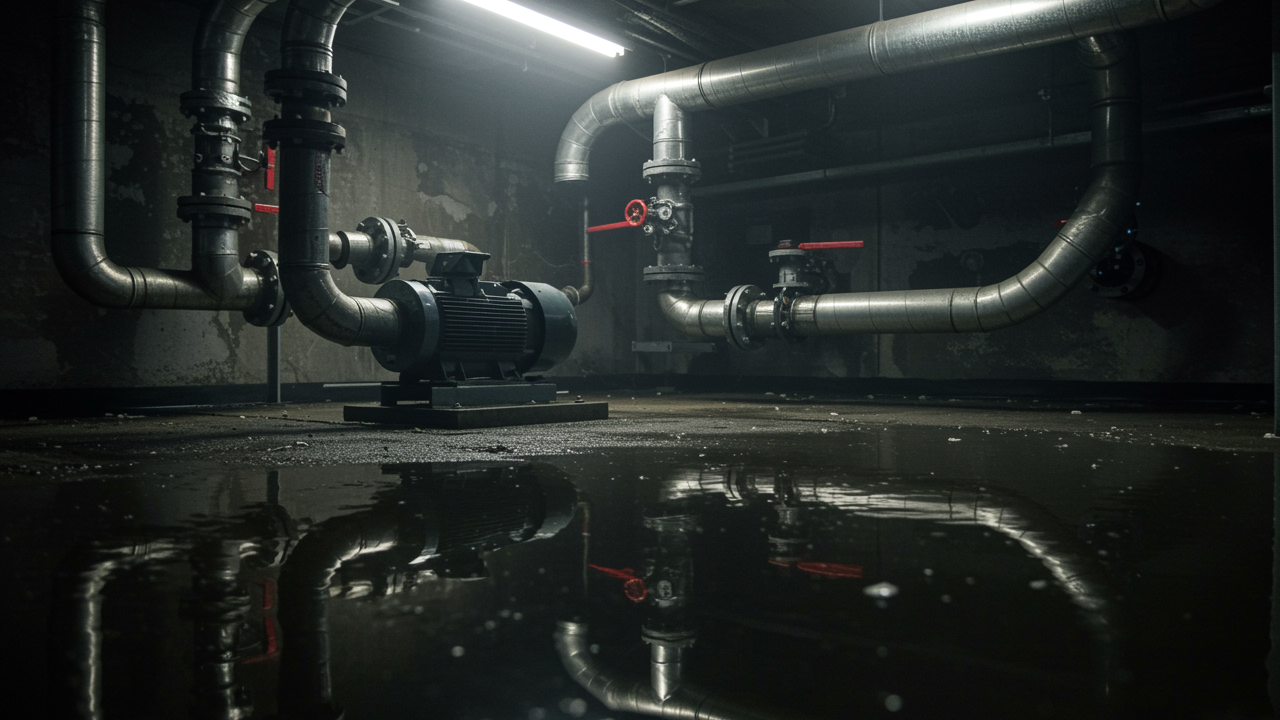
Pump failures cost UK businesses far more than the immediate repair bill suggests. When a circulation pump stops working in a commercial building, the direct replacement cost might run £800-£2,500, depending on specification. Yet the true financial impact typically reaches 5-10 times that figure once secondary costs are factored in. Understanding these hidden expenses helps facilities managers, building services engineers, and property owners make better decisions about pump selection, maintenance strategies, and system design.
Production Downtime and Lost Revenue
The most significant cost of pump failures often comes from operational disruption rather than equipment replacement. In commercial and industrial settings, a failed circulation pump can halt production, close facilities, or render spaces unusable until repairs are completed.
Hospitality Sector Impacts
A failed DHW pump in a hotel forces immediate action - guests cannot shower, kitchens lose hot water, and laundry operations stop. Even a four-hour repair window during peak occupancy can cost £5,000-£15,000 in refunds, compensation, and reputation damage. Hotels with 100+ rooms typically calculate downtime costs at £150-£300 per hour when hot water systems fail.
Manufacturing Facility Consequences
Manufacturing facilities face steeper consequences. A circulation pump failure in a process heating system can shut down entire production lines. Food processing plants operating on tight margins calculate downtime at £2,000-£8,000 per hour, depending on production volume. A six-hour pump replacement that costs £1,200 in parts and labour generates £12,000-£48,000 in lost production value through unplanned pump replacement costs.
Commercial Office Impacts
Office buildings experience different but equally measurable impacts. When heating circulation fails during the winter months, internal temperatures drop below comfortable working conditions within 2-4 hours, depending on building fabric and external temperatures. Productivity research shows office workers perform 6-10% less efficiently when temperatures fall below 19°C, and many employers send staff home when heating cannot be restored within reasonable timeframes.
Emergency Callout and Expedited Repair Costs
Pump failures rarely occur during convenient hours. British Standard maintenance data shows 68% of circulation pump failures happen outside normal working hours, triggering emergency callout fees that multiply standard repair costs.
Emergency Labour Premiums
Emergency heating engineer callouts typically cost £120-£180 for the first hour, compared to £60-£90 during standard hours. Weekend and bank holiday rates increase further to £150-£250 per hour. A straightforward pump replacement taking three hours costs £360-£750 in emergency labour versus £180-£270 during normal operations.
Parts Procurement Premiums
Parts procurement adds further emergency premiums. Standard delivery for Grundfos or Wilo typically arrives the next working day at no additional cost. Emergency same-day delivery from specialist suppliers adds £50-£150, depending on location and part size. Courier services for urgent weekend delivery can reach £200-£400 for next-day Saturday delivery of larger circulation pumps.
Facilities without spare pumps face longer downtimes when exact replacement models require ordering. A Lowara pump specified for a particular commercial application might need 2-5 working days for standard delivery. Emergency procurement reduces this to 24-48 hours but costs 15-25% more in combined expedited delivery and premium sourcing fees, significantly increasing unplanned pump replacement costs.
Secondary System Damage
Pump failures create cascading problems throughout heating and hot water systems. These secondary failures often cost more than the original pump replacement.
Valve and Control Failures
Circulation pump failures cause immediate flow loss, allowing system water to stagnate. In heating systems, this leads to rapid temperature stratification where certain zones overheat while others receive no heat. Thermostatic radiator valves and zone valves operated under these abnormal conditions frequently seize or fail, requiring replacement at £45-£120 per valve plus labour.
Expansion Vessel Damage
Expansion vessels experience accelerated wear when circulation stops. Without flow, localised boiling can occur near heat exchangers, generating steam pockets that pressurise systems beyond design parameters. Expansion vessel diaphragms subjected to these pressure spikes often fail within weeks of the pump incident, necessitating vessel replacement at £80-£350, depending on capacity.
Heat Exchanger Consequences
Heat exchangers suffer particularly severe consequences from circulation loss. Boiler heat exchangers designed for constant flow rates experience thermal stress when water stops moving while burners continue firing. Modern boilers include safety cutouts, but older systems or those with failed sensors can sustain heat exchanger damage, costing £800-£3,500 to repair.
Water Quality Deterioration
System water quality deteriorates rapidly without circulation. Stagnant water accelerates corrosion, particularly in systems lacking proper inhibitor treatment. A 48-hour circulation failure in a poorly maintained system can introduce sufficient corrosion products to require full system flushing and inhibitor treatment costing £600-£1,800 for typical commercial installations.
Energy Waste and Inefficiency Costs
Pump failures rarely announce themselves immediately. Gradual performance degradation precedes complete failure in most cases, creating extended periods of energy waste that inflate operating costs.
Bearing Wear Inefficiency
Bearing wear in circulation pumps increases friction, forcing motors to work harder while delivering reduced flow rates. A pump operating at 70% efficiency due to worn bearings consumes 30% more electricity than when new, while providing inadequate circulation. For a commercial system running 4,000 hours annually, this inefficiency costs £180-£400 extra per year at current UK electricity rates.
Boiler Efficiency Impacts
Reduced circulation flow forces boilers to fire more frequently to maintain temperature, reducing seasonal efficiency. A heating system operating with compromised circulation typically shows 12-18% higher fuel consumption. For a commercial building using 30,000 kWh of gas annually, this inefficiency adds £450-£810 to annual heating costs.
Cavitation Damage
Cavitation damage from failing pump impellers creates noise, vibration, and further efficiency losses. Cavitating pumps can lose 20-35% of their design flow capacity while consuming similar electrical power. Buildings experiencing cavitation for extended periods before pump replacement waste hundreds of pounds in unnecessary energy consumption.
Regulatory Compliance and Safety Issues
Pump failures in certain applications create regulatory compliance problems that carry financial and legal consequences beyond immediate repair costs.
Healthcare Facility Requirements
Healthcare facilities must maintain hot water temperatures above 50°C at outlets to prevent Legionella proliferation while ensuring thermostatic mixing valves prevent scalding. DHW circulation pump failures compromise this temperature control, potentially creating Health and Safety Executive compliance issues. Legionella risk assessments following pump failures cost £400-£1,200, and remedial actions, including system disinfection, add £800-£2,500.
Care Home Obligations
Care homes face similar regulatory scrutiny. A circulation pump failure affecting resident hot water triggers safeguarding concerns and potential Care Quality Commission reporting requirements. Facilities demonstrating inadequate maintenance face enforcement notices and, in severe cases, financial penalties reaching £10,000-£50,000.
Workplace Temperature Standards
Commercial buildings must maintain minimum internal temperatures under workplace regulations. Heating circulation failures during winter months that reduce temperatures below 16°C (13°C for physical work) constitute regulatory breaches. While immediate prosecution is rare for genuine equipment failures, repeated incidents demonstrate inadequate maintenance systems and attract HSE attention.
Insurance Implications
Insurance implications compound regulatory concerns. Commercial property insurance policies typically require documented preventive maintenance programmes. Pump failures attributed to inadequate maintenance can void insurance coverage for secondary damage, leaving building owners liable for full repair costs that might otherwise be partially covered.
Tenant Relations and Reputation Damage
For commercial landlords and property managers, pump failures damage tenant relationships and property reputation in ways that affect long-term revenue.
Retail Tenant Impacts
Retail tenants experiencing heating failures during trading hours calculate lost sales directly. A shopping centre circulation pump failure affecting 20 retail units during peak Saturday trading costs tenants an estimated £15,000-£40,000 in lost revenue. while landlords aren't directly liable for these losses, tenant relations suffer and lease renewals become contentious.
Office Lease Implications
Office tenants increasingly include service-level agreements in commercial leases specifying maximum acceptable downtime for building services. Heating system failures exceeding these thresholds trigger rent abatement clauses, directly reducing landlord income. A single pump failure causing 12 hours of heating loss might trigger £2,000-£8,000 in rent credits depending on lease terms.
Property Value Effects
Reputation damage proves harder to quantify but affects property values and letting potential. Buildings known for unreliable heating systems attract lower-quality tenants, command reduced rents, and experience higher vacancy rates. Property consultants estimate that buildings with documented service reliability issues let for 5-12% below comparable properties with strong maintenance records.
Preventive Maintenance vs Reactive Replacement Economics
The financial case for preventive pump maintenance becomes clear when comparing lifecycle costs against reactive replacement strategies.
Maintenance Programme Benefits
A comprehensive pump maintenance programme, including annual inspections, bearing lubrication, and performance testing, costs £180-£350 per pump annually for commercial installations. This investment typically extends pump service life from 6-8 years (reactive maintenance) to 12-15 years (preventive maintenance), reducing replacement frequency by 50-60%.
National Pumps and Boilers supplies central heating system components to facilities operating both maintenance approaches. Buildings implementing preventive programmes report 70-85% fewer emergency callouts and 40-60% lower total lifecycle costs for circulation systems.
Predictive Maintenance Advantages
Predictive maintenance using vibration analysis and thermal imaging identifies failing pumps before complete breakdown, allowing planned replacements during convenient times at standard labour rates. This approach eliminates emergency callout premiums and reduces secondary system damage by 80-90% compared to run-to-failure strategies.
Strategic Spare Inventory
Spare pump inventory represents another cost-effective strategy for critical applications. Maintaining one spare pump for every 5-10 installed units costs £800-£2,500 in inventory capital but eliminates emergency procurement fees and reduces downtime from days to hours. For facilities where downtime costs exceed £500/hour, spare inventory pays for itself after preventing a single emergency failure.
System Design Considerations That Reduce Failure Costs
Forward-thinking system design minimises both pump failure frequency and associated costs when failures occur.
Duty-Standby Configurations
Duty-standby pump configurations install two pumps where one would suffice, with automatic changeover when the running pump fails. This redundancy costs 60-80% more initially but reduces downtime to near-zero for critical applications. Hotels, hospitals, and data centres routinely specify duty-standby arrangements for DHW circulation and critical heating zones.
Variable Speed Pumps
Variable speed pumps from manufacturers like Grundfos cost 30-50% more than fixed-speed equivalents but reduce energy consumption by 30-60% while extending service life through reduced mechanical stress. Lower operating speeds generate less bearing wear, reducing failure rates by 40-50% over 10-year lifecycles.
Proper Valve Installation
Proper pump valve installation allows pump isolation without draining entire systems, reducing replacement time from 4-6 hours to 1-2 hours. This £150-£300 additional installation cost saves £180-£450 in labour during each pump replacement over the system's lifetime.
Water Treatment Programmes
Water treatment programmes preventing scale and corrosion extend pump life significantly. Systems with proper inhibitor treatment and annual water quality testing show 50-70% longer pump service life than untreated systems. A £200-£400 annual water treatment programme prevents premature failures, costing thousands in replacement and downtime.
Calculating Your True Pump Failure Cost
Facilities managers can estimate their specific pump failure costs using this framework:
Direct costs: Equipment (£800-£2,500) + Emergency labour (£360-£750) + Expedited delivery (£50-£400) = £1,210-£3,650
Downtime costs: Hourly impact rate × Expected downtime hours (typically 4-12 hours for emergency replacement)
Secondary damage: Valve replacements (£200-£600) + Potential expansion vessel (£80-£350) + System flushing if required (£600-£1,800)
Energy waste: Months of degraded performance before failure × Monthly efficiency loss (typically £50-£150/month for 2-4 months)
Compliance costs: Risk assessments, testing, and remediation if applicable (£0-£3,500)
For most commercial buildings, total unplanned pump replacement costs range from £3,500 to £12,000 per incident when all factors are included - far exceeding the £800-£2,500 replacement pump cost that facilities managers typically budget.
Conclusion
Pump failures deliver financial impacts extending far beyond replacement equipment costs. Emergency callouts, production downtime, secondary system damage, energy waste, and compliance issues typically multiply direct repair expenses by 5-10 times. A £1,500 pump replacement becomes a £7,500-£15,000 incident when true unplanned pump replacement costs are calculated.
This economic reality makes preventive maintenance and quality equipment selection financially compelling rather than optional. Facilities operating reactive maintenance strategies face higher lifecycle costs, more frequent disruptions, and greater financial exposure than those investing in prevention.
Buildings specifying reliable pump equipment, implementing comprehensive maintenance programmes, and designing systems with failure mitigation features experience 60-80% lower total circulation system costs over 15-year periods despite higher initial investment. For facilities managers and building owners, understanding the true cost of pump failures transforms maintenance from an expense into a strategic investment that protects operational continuity and financial performance.
Professional guidance on pump selection, system design, and maintenance strategies helps facilities avoid costly failures before they occur. Contact us for expert advice on reducing pump failure risks and optimising circulation system reliability.