

Troubleshooting Common Issues in Hydronic Heating Systems
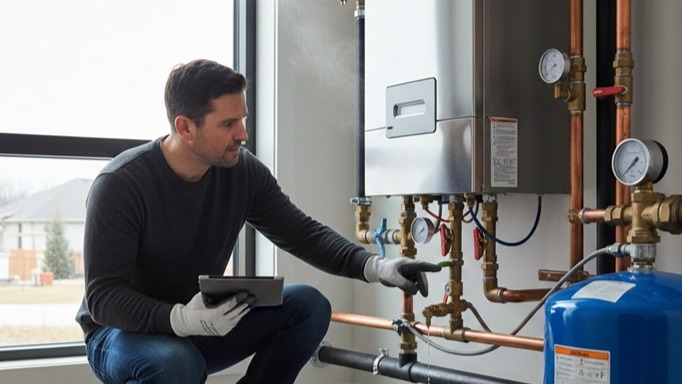
Hydronic heating troubleshooting requires a systematic approach to diagnosing and resolving problems that affect system performance. Whether dealing with no heat, uneven temperatures, strange noises, or pressure fluctuations, understanding common failure patterns enables faster resolution and prevents minor issues from escalating into costly hydronic heating repair projects. This comprehensive guide provides heating engineers and facilities managers with the diagnostic knowledge needed to identify and address the most frequent hydronic system problems efficiently.
Understanding How Hydronic Heating Systems Work
Before diving into troubleshooting procedures, understanding fundamental operating principles helps identify where problems originate. Hydronic systems rely on heated water circulating through pipes to radiators or radiant panels, transferring thermal energy to occupied spaces. This seemingly simple process involves multiple interconnected components, each critical to overall system performance.
Basic Operating Principles
Heat generation begins at the boiler, where fuel combustion or electrical resistance raises water temperature to the desired level. Grundfos circulators then propel this heated water through the distribution network, delivering warmth to heat emitters throughout the building. As water releases its heat, it returns to the boiler for reheating, completing the circulation cycle.
System pressure must remain within specified ranges to ensure proper circulation and prevent component damage. Expansion vessels accommodate volume changes as water temperature fluctuates, maintaining stable pressure throughout heating and cooling cycles. Pressure relief valves provide overpressure protection, automatically venting excess pressure if it exceeds safe limits.
Temperature control systems monitor space conditions and modulate heat output accordingly. Thermostats signal heating demand, whilst zone valves direct flow to specific areas requiring warmth. Modern weather compensation systems adjust supply temperature based on outdoor conditions, optimising efficiency without sacrificing comfort.
Common Components and Their Functions
Boilers serve as the heart of hydronic systems, available in various configurations including conventional, combination, and system boilers. Each type presents unique troubleshooting considerations, with combination boilers adding domestic hot water complexity to heating diagnostics.
Circulation pumps move water through the system, with pump sizing critical to achieving adequate flow rates. Undersized pumps cause weak circulation and insufficient heating, whilst oversized pumps waste energy and may generate excessive noise. Commercial circulators in larger buildings require particular attention during troubleshooting due to their critical role in system performance.
Radiators, underfloor heating loops, and fan coil units convert water heat into space warmth. Heat emitter effectiveness depends on proper sizing, airflow (for convectors), and regular maintenance. Thermostatic radiator valves provide room-level control but can fail, causing localised heating problems.
Control systems range from simple mechanical thermostats to sophisticated building management systems. More complex controls offer superior comfort and efficiency but introduce additional troubleshooting challenges when problems arise.
No Heat or Insufficient Heating Issues
Complete heating failure or inadequate warmth represent the most urgent troubleshooting scenarios, particularly during cold weather. Systematic diagnosis identifies whether problems originate from heat generation, distribution, or control system failures.
Diagnosing Boiler Problems
When confronted with no heat, verify the boiler attempts to fire. Listen for ignition attempts, check display error codes, and confirm pilot light presence (on older models). Modern boilers display fault codes indicating specific problems, though these codes sometimes mislead, requiring experienced interpretation.
Low system pressure frequently prevents boiler operation, with most units refusing to fire below 0.5-0.7 bar. Check the pressure gauge and identify any pressure loss causes before topping up the system. Rapid pressure loss indicates leaks requiring immediate attention before pressurising.
Thermostat communication failures prevent boiler firing even when heating demand exists. Verify thermostat power supply, check wiring connections, and ensure proper thermostat programming. Replace batteries in wireless thermostats, as weak batteries cause intermittent communication failures.
Frozen condensate pipes affect condensing boilers during severe cold weather. The characteristic symptom involves the boiler failing with a fault code after running briefly. Thaw frozen pipes carefully using warm (not boiling) water, then insulate exposed sections to prevent recurrence.
Circulation Pump Failures
Even with the boiler firing correctly, pump failure prevents heat distribution. Check if the pump runs by feeling for vibration or listening for motor hum. Some pumps feature indicator lights or displays showing operational status.
Seized pumps represent a common failure mode, particularly after summer shutdown periods. A gentle tap with a screwdriver handle sometimes frees seized rotors, though replacement usually proves more reliable. Wilo circulators typically include features protecting against seizure during idle periods.
Weak circulation despite a running pump suggests either pump wear or incorrect speed settings. Variable-speed pumps allow adjustment, potentially resolving inadequate flow issues. However, aged pumps lose efficiency and require replacement to restore proper circulation.
Air trapped in the pump housing prevents proper operation even when the motor runs. Pump vent screws allow air release, restoring function. Regular system bleeding prevents air accumulation.
Airlock and Flow Restrictions
Air trapped in radiators or high points within the piping network blocks water circulation, preventing heat transfer. Methodically bleeding all radiators, starting from the lowest level and progressing upward, typically resolves airlock issues. Persistent air problems indicate leak entry points or faulty automatic air vents requiring attention.
Sludge accumulation restricts flow through radiators and narrow pipe sections. Cold spots on radiators, particularly at lower sections, suggest sludge blockages. Power flushing removes accumulated debris, restoring flow and efficiency. Central heating pumps experience increased wear when working against sludge restrictions.
Partially closed or failed valves impede circulation to specific zones or radiators. Verify all isolation valves sit fully open and check thermostatic radiator valves for proper operation. Stuck valve mechanisms require either freeing or replacement.
Uneven Heating and Temperature Problems
Situations where some areas heat adequately whilst others remain cold indicate distribution or control problems rather than heat generation issues. Effective hydronic heating troubleshooting of uneven heating requires understanding flow dynamics and control system operation.
Zone Balancing Issues
Imbalanced systems overheat areas closest to the pump whilst leaving distant zones inadequately served. This common problem stems from taking the path of least resistance, with water flowing preferentially through unrestricted circuits.
Balancing valves allow flow restriction to overserved zones, forcing more flow to underserved areas. Professional balancing uses differential pressure measurements across circuits, adjusting valves to achieve design flow rates. DIY balancing progressively restricts valves on hot radiators until all areas heat uniformly.
Undersized piping to distant zones physically limits flow, preventing adequate heat delivery regardless of balancing attempts. These situations require pipework modifications to resolve properly, though temporary improvement sometimes comes from restricting nearby zones.
Zone valve failures cause entire zones to remain cold or constantly heated regardless of thermostat demands. Motorised valves can fail electrically (motor/actuator issues) or mechanically (stuck valve mechanism). Test zone valves by manually operating them, checking for smooth movement and proper seating.
Thermostat and Control Failures
Inaccurate temperature readings lead to under or overheating, with thermostats reading several degrees off causing persistent discomfort. Thermostat location significantly impacts readings - placement near heat sources, drafts, or in direct sunlight produces false readings.
Control system wiring problems manifest as intermittent or completely absent heating response. Loose connections, damaged cables, or incorrect wiring cause communication failures between thermostats and boilers. Systematic wiring verification against control diagrams identifies connection issues.
Programmable thermostat settings sometimes conflict with user expectations, with "optimum start" features or multiple programmed periods causing apparent malfunctions. Review and adjust programming before assuming hardware failures.
Sensor failures in modern systems trigger error codes and prevent proper operation. Temperature sensors, pressure transducers, and flow switches all potentially fail, requiring testing against known values and replacement when readings fall outside specifications.
Noise and Vibration Problems
Whilst not always indicating serious problems, system noises annoy occupants and sometimes signal developing issues requiring attention. Different sounds indicate specific problems, enabling targeted hydronic heating repair approaches.
Identifying Different System Noises
Kettling produces loud banging or rumbling sounds from the boiler, typically caused by limescale accumulation on heat exchanger surfaces. Scale restricts water flow whilst creating steam bubbles that collapse violently, generating characteristic noises. Chemical descaling or heat exchanger replacement resolves kettling.
Gurgling or whooshing sounds indicate air presence in the system. Air movement through pipes and radiators creates these characteristic noises, particularly noticeable when heating first activates. Systematic bleeding usually eliminates gurgling.
Banging noises from pipes suggest expansion-related movement against building structures. Insufficient pipe clips or improper support allows excessive movement, with pipes striking against joists or walls. Additional pipe supports and protection at contact points reduce banging.
Pump humming or vibration transmits through pipework if pumps mount rigidly without vibration isolation. Rubber isolation mounts or flexible connections prevent vibration transmission. Some pump noise simply reflects operational characteristics, particularly at higher speed settings.
Resolving Noise Issues
Air elimination remains the primary solution for most system noises. Install automatic air vents at system high points, ensuring they function correctly and don't stick closed. Manual venting during initial filling and commissioning prevents air entrainment.
Scale treatment involves either chemical cleaning or heat exchanger replacement depending on severity. Magnetic system filters trap metallic debris and reduce sludge formation, protecting heat exchangers and extending component life. Expansion vessels should be properly sized and maintained to prevent pressure fluctuations that exacerbate noise issues.
Pump speed adjustment reduces flow-related noises without compromising heating performance. Most modern circulators offer multiple speed settings or proportional pressure control modes. Experiment with lower settings whilst monitoring heat delivery adequacy.
Pipe support improvement requires identifying movement locations and installing additional clips or brackets. Felt or rubber protection prevents direct pipe-to-structure contact, silencing impact noises.
Pressure-Related Problems
System pressure directly impacts circulation efficiency, component longevity, and safety. Both excessive and insufficient pressure require prompt attention to prevent damage and restore proper operation.
Low System Pressure Issues
Gradual pressure loss typically indicates small leaks somewhere in the system. Check all visible joints, radiator valves, and pump connections for moisture signs. Systematic inspection of underfloor heating manifolds and buried pipework may require pressure testing to locate hidden leaks.
Expansion vessel failure causes pressure drops as system temperature falls. When vessels lose precharge pressure or develop internal membrane ruptures, they cannot accommodate system volume changes. Test vessels by depressurising the system and checking precharge pressure against specifications.
Pressure relief valve weeping releases small amounts of water when pressure exceeds valve setting. Debris on valve seats or incorrect pressure settings cause chronic relief valve discharge. Replace faulty relief valves rather than attempting repairs, as safety components demand absolute reliability.
Filling loop leaks sometimes explain mysterious pressure loss, with defective non-return valves or loose connections allowing water escape. External filling loops should remain disconnected except during filling operations, preventing backflow contamination risks.
High Pressure Problems
Overpressurisation typically results from overfilling during system topping up. Bleed radiators to reduce pressure if it exceeds maximum system ratings (usually 2.5-3.0 bar for domestic systems). Pressurisation units in commercial systems require specialist attention when pressure regulation fails.
Filling loop check valves failing closed trap water, preventing pressure relief through the filling point. This dangerous condition requires immediate filling loop replacement, as it prevents controlled pressure reduction.
Undersized expansion vessels cannot accommodate system volume changes, causing pressure to spike as temperature rises. Vessel sizing calculations consider system volume and temperature range, with replacement vessels selected accordingly.
Expansion vessel precharge pressure requires periodic checking and adjustment. Incorrect precharge (too high or too low) prevents proper pressure control, causing system pressure to fluctuate excessively during heating cycles.
Water Quality and Corrosion Issues
Water quality profoundly impacts system longevity and efficiency. Poor water chemistry accelerates corrosion, promotes sludge formation, and reduces heat transfer effectiveness.
Identifying Water Quality Problems
Discoloured water (black or brown) when bleeding radiators indicates corrosion and sludge presence. This condition requires immediate attention, as continuing corrosion damages components and restricts flow.
Radiators cold at the bottom but warm at the top suggest sludge accumulation, with heavy deposits settling in lower sections. Single radiator sludge indicates localised problems, whilst system-wide issues reflect overall water quality failures.
External corrosion on radiators or pipes signals water leaks or condensation problems rather than internal water quality issues. Address leak sources to prevent structural damage and mould growth.
Pin-hole leaks in radiators or pipes indicate advanced corrosion requiring component replacement. Prevention through proper water treatment proves far more cost-effective than dealing with failure consequences.
Water Treatment Solutions
Power flushing removes accumulated sludge and debris, restoring flow and efficiency. Professional flushing equipment uses high-velocity water flow and cleaning chemicals to dislodge deposits. Systems showing significant sludge benefit dramatically from flushing.
Corrosion inhibitor dosing protects system metals from oxidation and galvanic corrosion. Inhibitor concentrations require periodic testing, with top-up doses maintaining protection. Modern inhibitors typically last 5-10 years before requiring replacement.
Magnetic system filters continuously remove ferrous debris, preventing accumulation and protecting components. Regular filter cleaning maintains effectiveness, with inspection providing valuable information about system corrosion rates.
Water testing identifies chemical imbalances requiring correction. pH, hardness, and inhibitor concentration all influence corrosion rates and scale formation. Professional water analysis guides treatment decisions.
Control System Troubleshooting
Modern heating controls offer improved comfort and efficiency but introduce additional complexity when problems arise. Systematic diagnosis identifies whether issues stem from hardware failures, programming errors, or communication problems.
Programmer and Timer Issues
Programmes not following schedule often reflect incorrect time/date settings or daylight saving adjustment failures. Verify displayed time accuracy before assuming hardware problems.
Display errors sometimes indicate battery depletion in battery-backed programmers. Replace batteries annually to prevent programme loss and maintain reliable operation.
Wiring connection problems at programmer terminals cause intermittent or absent control signals. Verify tight connections and check for damaged wire insulation that might cause short circuits.
Programmer failures require replacement, as repair typically proves impractical for modern electronic controls. Ensure replacement models offer compatible functionality and terminal arrangements.
Smart Control Problems
Wireless connectivity issues prevent smart thermostats from communicating with boilers or cloud services. Check Wi-Fi signal strength at thermostat locations and verify network settings match requirements.
App synchronisation failures frustrate users but often reflect temporary network problems rather than hardware issues. Restart apps and thermostats before assuming permanent failures.
Sensor communication errors indicate signal interference or low battery conditions in wireless sensor units. Replace batteries and relocate sensors away from potential interference sources.
Software updates occasionally introduce bugs affecting system operation. Check manufacturer websites for firmware updates addressing known issues and follow update procedures carefully.
Leaks and Water Loss
Water leaks require immediate attention to prevent property damage and maintain system operation. Effective leak detection and prompt hydronic heating repair minimise damage and restoration costs.
Locating Hidden Leaks
Visual inspection identifies obvious leak locations, with water stains, corrosion marks, or pooled water indicating problem areas. Check radiator valves, pump unions, boiler connections, and pipe joints methodically.
Pressure drop testing isolates leak sections in complex systems. Close zone valves sequentially whilst monitoring pressure, identifying which zone contains the leak.
Infrared thermography reveals hidden leaks behind walls or under floors through temperature anomalies. Wet building materials appear cooler on thermal images, pinpointing investigation areas.
Common leak locations include radiator valve glands, pump unions, expansion vessel connections, and underfloor heating manifolds. Previous repair sites often develop recurrent leaks and warrant particular attention.
Emergency Leak Response
Isolation procedures limit water damage during leak emergencies. Locate and close the nearest isolation valve upstream of the leak, then drain affected sections. For leaks at radiators, close radiator valves if possible before draining.
Temporary repairs using epoxy putty or pipe repair clamps provide emergency solutions until permanent repairs are completed. These fixes work only on drained sections and should be considered temporary measures.
Water damage prevention requires immediate cleanup using extractors or dehumidifiers. Remove saturated materials and promote drying to prevent mould growth and structural damage.
Professional repair ensures reliable, code-compliant fixes. National Pumps and Boilers provides emergency repair services with experienced engineers available to resolve urgent heating problems.
Preventive Maintenance to Avoid Issues
Regular maintenance prevents most hydronic heating troubleshooting scenarios from developing. Proactive servicing proves far more cost-effective than reactive emergency repairs.
Regular Inspection Schedules
Monthly visual checks by building occupants or facilities staff identify developing problems before they cause failures. Check system pressure, verify boiler operation, listen for unusual noises, and test heating in all zones.
Annual professional servicing maintains efficiency and safety. Comprehensive service includes boiler combustion analysis, control system testing, pump inspection, and safety device verification. Gas Safe registered engineers must perform work on gas-fired equipment.
Component lifespan monitoring allows planned replacements before failures occur. Boilers typically last 15-20 years, circulators 15-25 years, and radiators 20-30 years with proper maintenance. Budget for replacements approaching end-of-life.
System Optimisation
Efficiency improvements reduce operating costs and environmental impact. Weather compensation, improved insulation, and control system upgrades offer substantial savings.
System cleanliness maintenance through periodic flushing and filter changes prevents sludge accumulation. Plan major cleaning interventions every 5-10 years depending on water quality and system design.
Control system updates take advantage of smart technology advances. Modern controls offer remote access, learning capabilities, and improved efficiency compared to older mechanical timers and thermostats.
When to Call Professional Help
Knowing which repairs require professional expertise prevents dangerous DIY attempts whilst allowing capable individuals to address appropriate issues independently.
DIY vs Professional Repairs
Simple tasks including radiator bleeding, pressure adjustments, and thermostat battery replacement suit DIY handling. These procedures require minimal technical knowledge and involve no safety risks.
Complex diagnostics, gas work, and electrical repairs demand professional expertise. Gas safety regulations legally restrict gas work to Gas Safe registered engineers, with serious penalties for non-compliant work.
Warranty considerations influence repair decisions, as DIY attempts often void manufacturer warranties. Maintain warranty coverage by using approved service providers for warranty-period repairs.
Choosing Qualified Engineers
Gas Safe registration provides essential verification for engineers working on gas heating equipment. Check registration cards and verify current validity through the Gas Safe Register website.
Experience with hydronic systems specifically ensures engineers understand system nuances beyond basic heating knowledge. Ask about relevant experience and training when selecting contractors.
Service contracts provide priority scheduling, discounted rates, and peace of mind. Regular servicing maintains system performance whilst establishing relationships with reliable contractors for emergency situations.
Conclusion
Effective hydronic heating troubleshooting requires systematic diagnostic approaches combined with understanding of system operation principles. Most common problems respond to logical investigation and targeted repairs, with proper maintenance preventing many issues entirely.
Recognition of when professional help becomes necessary protects both system integrity and personal safety. Gas work, complex diagnostics, and major component replacements warrant qualified engineer involvement rather than DIY attempts.
For persistent problems or situations requiring expert assessment, contact us to schedule professional diagnostics and hydronic heating repair services. National Pumps and Boilers' experienced engineers resolve heating issues efficiently, restoring comfort and system performance with minimal disruption to building operations.