

Types of Submersible Pumps: How to Pick the Right One for Your Application
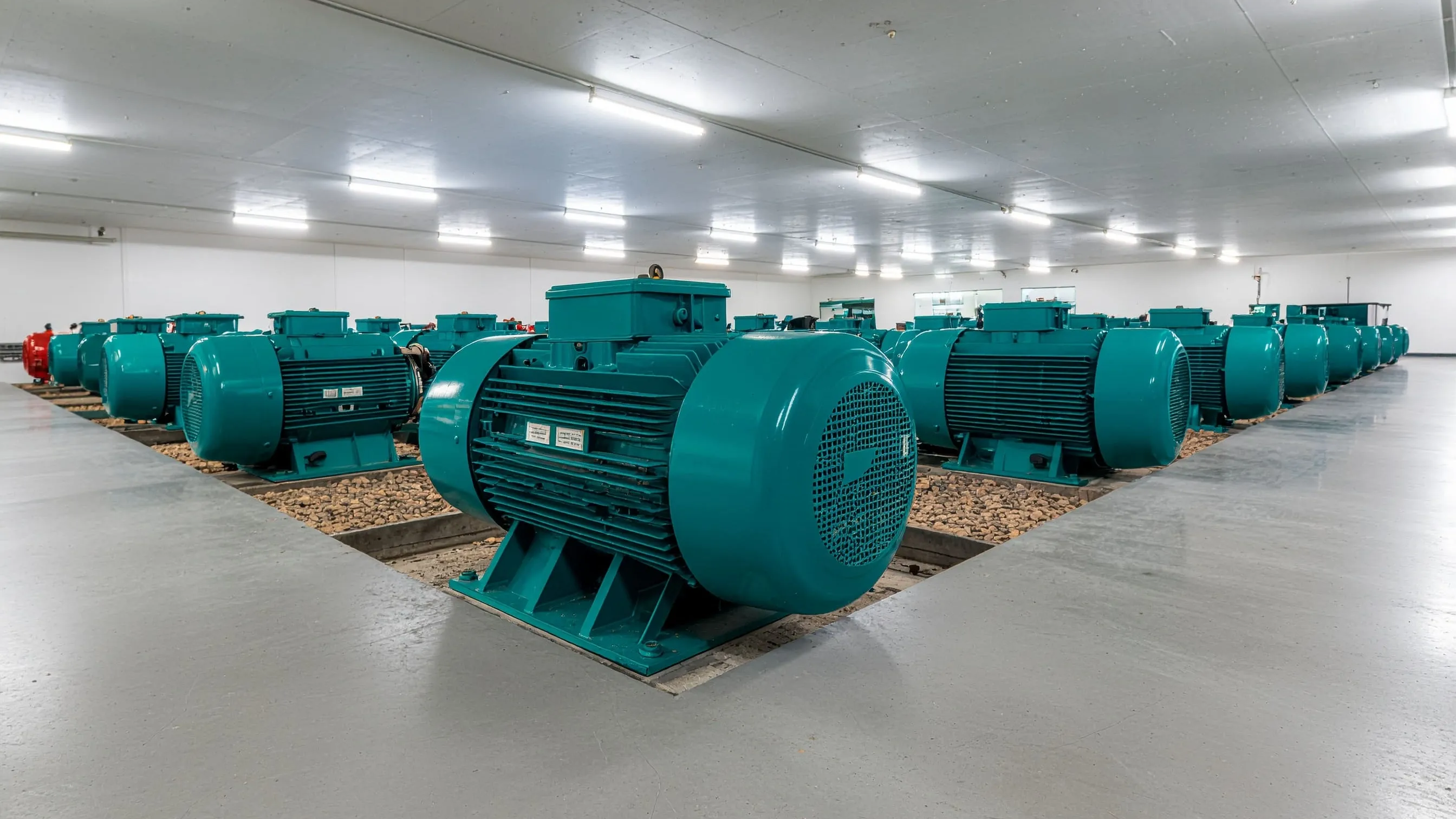
Submersible pumps serve a wider range of applications across UK buildings and infrastructure than any other pump category. However, the term itself describes a method of installation rather than a single specific pump type. Understanding the specific types of submersible pumps UK contractors specify across domestic, commercial, and industrial applications is absolutely essential for correct selection. If you choose the wrong pump family for your site's fluid chemistry, you guarantee blockage problems, premature wear, and inadequate performance.
The defining characteristic of all submersible designs is a hermetically sealed motor and pump assembly capable of operating fully submerged. This arrangement completely eliminates the priming requirements of surface-mounted pumps. It also significantly reduces cavitation risk by placing the impeller directly within the fluid at positive pressure, enabling installation in deep sumps and flooded basements where surface equipment simply cannot function.
What Makes a Pump Submersible
A submersible pump's motor and hydraulic components are enclosed in a sealed housing designed to prevent fluid ingress under continuous immersion. The IP68 ingress protection rating confirms suitability for permanent submersion at depths specified by the manufacturer, typically ranging from 3 to 20 metres for standard drainage. The shaft seal between the motor and hydraulic end provides the critical barrier protecting the electrical components.
When specifying equipment across different project types, a premium grundfos pump offers superior internal protection through its seal configuration. Double mechanical seals with an oil-filled barrier chamber provide the elite protection required for continuous-duty commercial applications. Conversely, single mechanical seals suit intermittent operation in clean water domestic drainage, keeping budget units affordable but restricting their service life under heavy loads.
Drainage and Dewatering Submersible Pumps
Drainage and dewatering units handle clean or lightly contaminated water removal across the widest range of common applications. These pumps use closed or semi-open impellers capable of passing solids up to 10mm in light domestic models and 50mm in heavy construction variants. The pumped fluid must remain relatively free of fibrous materials that could wrap around the impeller shaft.
Domestic flood response represents the most frequent application for this hardware. A ground floor flooded by heavy rainfall requires a unit capable of handling turbid water containing fine sediment and grit without stalling. For construction site dewatering, a heavy-duty submersible drainage pump provides the immense flow rates required to empty flooded trenches and foundation pits efficiently.
Sewage and Wastewater Submersible Pumps
Sewage handling represents the most technically demanding environment due to extreme blockage risks and strict building regulations. Raw sanitary waste cannot pass through a standard drainage unit. A robust free-passage impeller allows solids of 50 to 80mm to pass straight through the hydraulic end without chopping or grinding, making them perfect for commercial basement toilets.
A facilities management team recently installed a standard drainage pump in a commercial basement toilet sump instead of specifying a free-passage impeller. Within 48 hours, sanitary waste blocked the unit completely, causing a severe basement flood that ruined the carpets. Swapping the unit to a dedicated sewage pump resolved the issue permanently and eliminated their daily unblocking routine.
Think of a vortex impeller like vigorously stirring a cup of tea. The spinning motion creates a powerful whirlpool that draws the solids right through the centre of the casing without them ever touching the actual metal blades. Alternatively, grinder pumps use a rotating cutting mechanism to reduce solids to a fine slurry. A premium Wilo pump equipped with a grinder allows you to pump waste horizontally through very small 32mm discharge pipework over long distances.
Borehole Submersible Pumps
A true submersible borehole pump operates in an entirely different duty class, extracting water from deep underground aquifers rather than shallow surface sumps. The multi-stage centrifugal design generates the massive head required to lift water from depths of 20 to 200 metres through very narrow bore casings.
Motor cooling in a submersible borehole pump relies entirely on the extracted water flowing rapidly past the motor exterior. If the flow rate falls below the manufacturer's cooling threshold, thermal protection devices must shut the unit down before the winding insulation melts. A premium lowara water pump covers the exact head and flow ranges that demanding UK agricultural and private water supplies require.
UK applications for a submersible borehole pump include rural properties disconnected from mains water, agricultural irrigation, and geothermal ground source abstraction. The specification must account for variable groundwater chemistry, often requiring full stainless steel construction to prevent rapid corrosion in mineral-heavy aquifers.
Stormwater and Surface Water Submersible Pumps
Stormwater units prioritize high flow rates at low head, serving applications where massive volumes of water must move rapidly with minimal vertical lift. Wet well and attenuation tank emptying in commercial drainage systems require this specific high-flow characteristic. Dual pump duty/standby arrangements with automatic alternation provide the fundamental reliability these vulnerable systems require.
UK building regulations increasingly demand strict stormwater management systems for commercial developments with large impermeable car parks. For commercial buildings requiring a reliable drainage pump system, attenuation tanks must empty efficiently between storm events to restore maximum storage capacity. A single pump failure discovered only when the next major rainfall overwhelms the site creates massive flooding liabilities for the property owner.
Propeller and Axial Flow Submersible Pumps
Propeller and axial flow variants generate extremely high flow rates at minimal head through a large-diameter propeller rather than a centrifugal impeller. These specialist units manage flood relief, large-scale civil dewatering, and pumping station applications requiring hundreds of litres per second.
Adjustable blade angles allow site engineers to vary the pump duty dynamically as flow requirements change during storm events. These massive units require substantial structural installation in purpose-built wet wells. They are typically lowered into place via a heavy-duty guide rail system, utilizing overhead lifting equipment for safe maintenance access.
Commercial and Industrial Submersible Pumps
Industrial fluid handling extends far beyond standard commercial drainage, encompassing mining dewatering, quarry sump management, and harsh chemical processing. Chemical resistance variants utilize duplex stainless steel or engineered plastics to handle acids and solvents that would destroy standard cast iron components in days. An Armstrong commercial pump delivers the continuous-duty ratings and elite build quality that these extreme industrial environments demand.
Petrol interceptor sumps and solvent storage areas require an ATEX-rated submersible pump as a non-negotiable compliance standard. These explosion-proof models carry certification confirming their electrical components cannot generate ignition sparks in flammable atmospheres. Specifying the correct ATEX-rated submersible pump protects both your infrastructure and your personnel from catastrophic industrial accidents.
Selecting the Correct Type for UK Applications
When reviewing the types of submersible pumps UK projects require, matching the pump family to the fluid characteristics is your fundamental starting point. Clean water requires a standard dewatering unit, whilst sanitary waste means you need a dedicated free-passage impeller. Getting the pump family wrong is not a minor performance compromise; it is a total reliability failure that becomes apparent immediately upon commissioning.
Your duty point, which is the exact intersection of your required flow rate and total head on the manufacturer's curve, must fall within the pump's most efficient operating region. If you operate at the extreme edges of the performance curve, you accelerate mechanical wear and waste electrical energy. National Pumps and Boilers consistently advises clients to map their duty points carefully to prevent chronic under-performance during peak flow events.
Installation Considerations by Pump Type
Sump pit sizing must match the pump type and the volume activated between the switch-on and switch-off levels. A pit that is too small relative to the pump's flow rate results in rapid cycling. The pump activates, empties the pit in seconds, stops, and immediately restarts as inflow refills the restricted space, quickly burning out the motor.
Installing a guide rail system for permanent commercial sumps allows maintenance teams to remove the pump without initiating dangerous confined space entry procedures. The guide rail system connects to a fixed discharge bend at the pit base, letting the pump couple automatically as it slides down the rails. This simple mechanical arrangement transforms a dangerous, multi-person extraction job into a safe, routine maintenance task.
Conclusion
Navigating the different types of submersible pumps UK infrastructure demands requires a strict focus on fluid chemistry, solids content, and total head pressure. Matching the correct pump family to your application prevents operational failures, eliminates chronic blockages, and maximizes the service life of your mechanical hardware.
Whether you are designing a commercial sewage lift station or specifying ATEX-rated hardware for an industrial process plant, prioritize engineering fitness over initial purchase price. Not Sure What You Need? Ask Us to discuss your site's specific flow rates and installation conditions with an experienced pump specification specialist today.