
 -
- Types of Thermal Storage Systems for Large-Scale Heating Applications
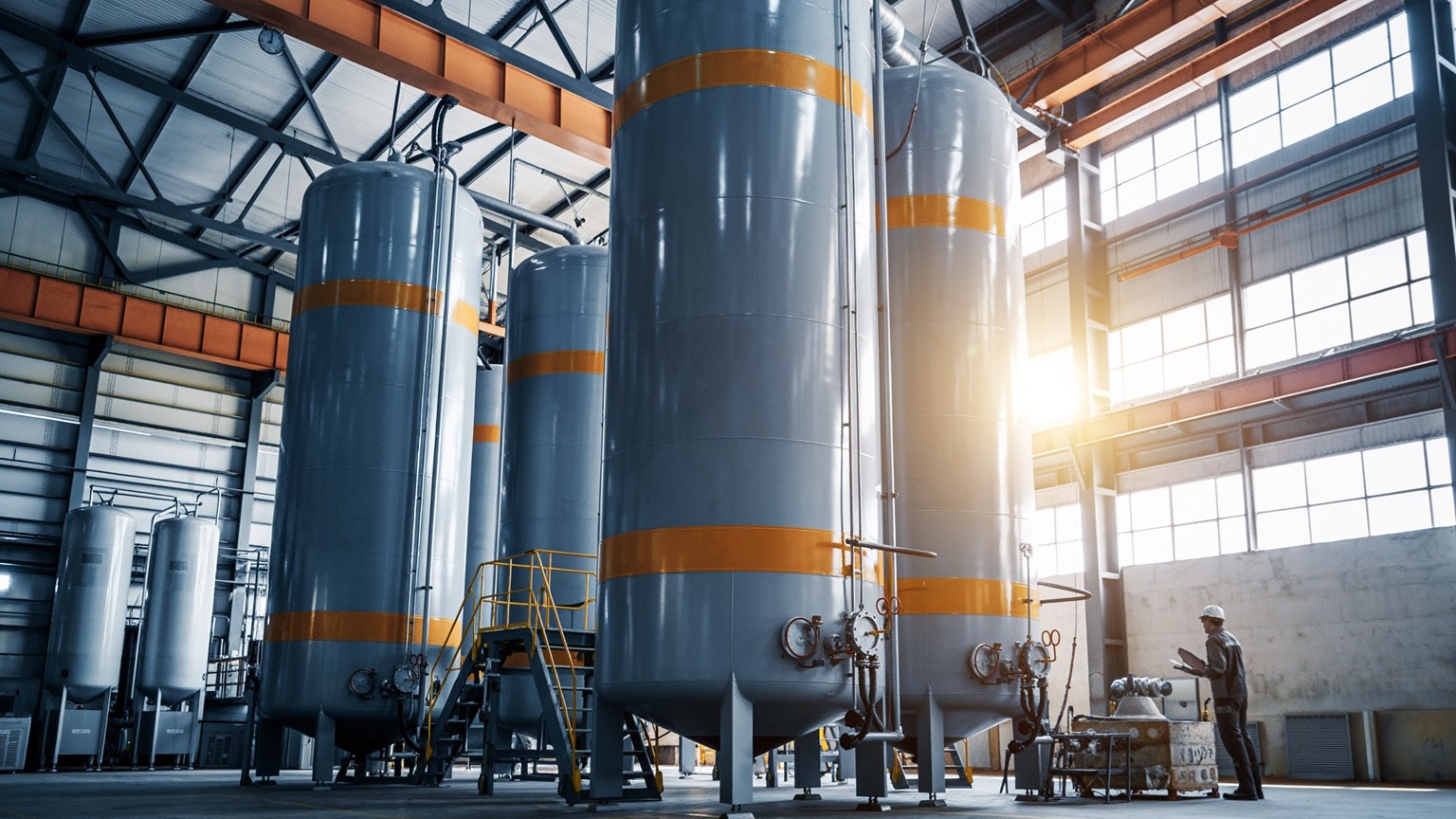
Large-scale heating applications - from district heating networks serving thousands of homes to industrial facilities consuming massive thermal energy - increasingly rely on sophisticated storage solutions to optimise efficiency and reduce costs. Understanding the various types of thermal energy storage available enables facility managers and energy planners to select the most appropriate technology for their specific requirements. Each storage type offers distinct advantages, making the selection process critical to project success.
The landscape of large-scale thermal energy storage encompasses three fundamental categories: sensible heat storage, latent heat storage, and thermochemical storage. Each category contains multiple technologies suited to different temperature ranges, capacity requirements, and operational patterns. As heating systems grow in scale and complexity, matching storage technology to application becomes increasingly essential for achieving optimal performance and economic returns.
Overview of Large-Scale Thermal Energy Storage
Large-scale thermal energy storage refers to systems capable of storing tens to hundreds of megawatt-hours of thermal energy, serving substantial heating loads across extended periods. These installations differ fundamentally from smaller commercial systems in their engineering complexity, capital requirements, and operational sophistication.
Defining Large-Scale Applications
Industrial facilities and manufacturing plants represent major consumers of thermal energy, often requiring process heat at temperatures from 80°C to over 200°C. These facilities typically exhibit predictable thermal demand patterns, making them excellent candidates for large-scale thermal energy storage. Steel production, chemical processing, food manufacturing, and paper mills all benefit from thermal storage that enables them to shift energy consumption to off-peak periods.
District heating networks distribute thermal energy from centralised generation facilities to multiple buildings across urban areas. These networks serve residential, commercial, and institutional customers through insulated distribution piping. National Pumps and Boilers provides the pumping and circulation equipment essential for maintaining efficient heat distribution across these extensive networks.
Campus-style developments - universities, hospital complexes, business parks - create concentrated heating demand that benefits from centralised storage. These settings often combine predictable base loads with variable peak demands, making thermal storage particularly valuable for demand management and cost optimisation.
Commercial complexes, including shopping centres, office parks, and mixed-use developments, present opportunities for large-scale thermal energy storage that serves multiple tenants from shared infrastructure. Centralised storage reduces per-building capital costs whilst enabling sophisticated energy management strategies.
Why Scale Matters in Thermal Storage
Efficiency benefits increase with storage capacity due to improved surface-area-to-volume ratios. Larger storage vessels experience proportionally lower heat losses than smaller tanks, as surface area grows more slowly than volume. A 1,000 cubic metre storage tank might lose only 1-2% of its stored energy daily, whilst a 100 cubic metre tank could lose 3-4% under similar conditions.
Economic considerations shift favourably at larger scales. Fixed costs like engineering, permitting, and project management represent smaller percentages of total project costs for larger installations. Additionally, bulk purchasing of materials and equipment reduces per-unit costs, whilst larger systems justify investment in sophisticated controls and monitoring that optimise performance.
Technical requirements become more stringent as scale increases. Pressurisation units must maintain proper system pressure across significant temperature variations and extensive distribution networks. Pump stations require redundant equipment to ensure reliability, and control systems must coordinate multiple heat sources, storage vessels, and distribution zones.
Sensible Heat Storage Systems
Sensible heat storage - the most established and widely deployed storage technology - stores thermal energy by raising the temperature of a storage medium without changing its phase. Water dominates this category due to its high specific heat capacity, availability, and cost-effectiveness.
Hot Water Storage Tanks
Hot water storage remains the most common approach to large-scale thermal energy storage, with installations ranging from individual tanks holding hundreds of cubic metres to multiple interconnected vessels storing millions of litres. Steel or concrete construction provides the structural integrity needed for pressurised or unpressurised operation, whilst insulation minimises heat losses.
Temperature stratification management proves crucial for maximising usable storage capacity. Properly designed tanks maintain distinct temperature layers, with hot water at the top and cooler water at the bottom. This stratification enables simultaneous charging (adding hot water at the top) and discharging (drawing hot water from the top, returning cooler water to the bottom) whilst preserving the temperature differential that drives heat transfer. Careful inlet and outlet design prevents mixing that would degrade stratification.
Insulation and heat loss considerations determine the economic viability of hot water storage. Modern materials like polyurethane foam or mineral wool can reduce heat losses to less than 0.5°C per day in properly designed vessels. For large-scale thermal energy storage serving seasonal loads, underground installation further reduces heat losses by leveraging stable ground temperatures. The additional excavation costs often prove worthwhile for storage systems operating year-round.
Capacity ranges for hot water storage extend from 50 cubic metres for small district heating applications to 75,000 cubic metres for seasonal storage serving entire communities. Mid-range installations of 500-5,000 cubic metres serve most industrial and large commercial applications, providing daily load levelling and peak shaving whilst remaining economically attractive. These systems require robust circulation pumps, such as those from Lowara, to maintain proper flow rates and temperature distribution.
Underground Thermal Energy Storage
Aquifer thermal energy storage (ATES) exploits naturally occurring underground water-bearing formations to store thermal energy seasonally. Systems inject hot water into aquifers during summer or periods of excess heat generation, then extract that stored thermal energy during winter. The surrounding geological formation provides immense storage capacity at minimal capital cost, though site suitability depends on favourable geology - specifically, confined aquifers with adequate permeability and thickness.
Borehole thermal energy storage (BTES) creates artificial underground storage volumes by drilling multiple boreholes (typically 30-200 metres deep) in a closely spaced pattern. Heat transfer fluid circulates through pipes installed in these boreholes, warming the surrounding rock mass. The collective thermal mass of the rock formation provides substantial storage capacity, with typical installations storing 0.5-2 MW-hours per metre of borehole depth.
Pit thermal energy storage systems combine excavated pits lined with waterproof membranes with insulated covers to create large-volume water storage. These installations bridge the gap between above-ground tanks and underground storage, offering lower construction costs than conventional tanks whilst avoiding the geological constraints of ATES or BTES. Pit storage has proven particularly successful in Scandinavian district heating applications, with several installations exceeding 60,000 cubic metres capacity.
Geological requirements significantly influence underground storage feasibility. ATES demands specific hydrogeological conditions, BTES requires adequate rock mass for drilling, and pit storage needs suitable excavation conditions and water table depth. Site investigations determine which underground storage approach, if any, suits a particular location.
Latent Heat Storage Systems
Latent heat storage exploits phase changes - typically solid-liquid transitions - to store thermal energy at nearly constant temperature. These systems achieve higher energy density than sensible heat storage, storing more energy in smaller volumes.
Phase Change Material (PCM) Storage
Phase change materials absorb or release substantial energy when transitioning between phases without significant temperature changes. Common PCMs for heating applications include salt hydrates, paraffins, and fatty acids, each melting at specific temperatures ranging from 20°C to over 80°C. This characteristic enables large-scale thermal energy storage systems that maintain narrow temperature bands, ideal for applications requiring precise thermal control.
Material selection depends primarily on the required temperature range and application specifics. Salt hydrates offer high energy density and thermal conductivity but may suffer from supercooling or phase separation issues. Paraffins provide reliable phase change behaviour with minimal degradation over thousands of cycles but exhibit lower thermal conductivity, necessitating enhanced heat transfer designs.
Advantages over sensible heat storage include compact system size - PCM systems can store 2-5 times more energy per cubic metre than water systems - and near-constant discharge temperatures. These benefits prove particularly valuable when space constraints limit storage volume or when processes require steady-state temperatures. The higher energy density of types of thermal energy storage using PCMs enables smaller distribution piping and reduced pumping requirements compared to equivalent water-based systems.
Implementation challenges at scale include higher material costs, heat transfer limitations requiring extended surface area designs, and material containment systems that prevent leakage whilst facilitating heat transfer. Encapsulating PCMs in modular containers or integrating them into heat exchanger designs addresses these challenges, though at increased system complexity and cost. For large installations, expansion vessels accommodate volume changes during phase transitions, preventing system over-pressurisation.
Ice Storage Systems
Ice storage represents a specialised form of latent heat storage primarily applied to cooling applications, though the underlying principles apply to heating through heat pump integration. Ice-on-coil systems freeze water around submerged heat exchanger coils, creating ice layers that store cooling capacity for later deployment. These systems offer predictable performance and reliable long-term operation in thousands of installations.
Ice slurry systems generate mixtures of ice crystals suspended in liquid, pumped through distribution systems to provide cooling. The pumpable nature of ice slurries enables them to flow through conventional piping whilst delivering the high energy density of ice storage. Applications include food processing, cold storage facilities, and specialised industrial processes requiring sub-zero temperatures.
Dynamic ice storage combines characteristics of both static ice-on-coil and flowing ice slurry systems, using specially designed ice generators that produce ice on demand and store it in insulated tanks. The flexibility of dynamic systems suits applications with variable cooling loads and limited equipment space. Though less common in pure heating applications, these technologies inform the development of types of thermal energy storage for diverse temperature ranges.
Applications in large cooling loads demonstrate the scalability of phase change storage. Significant commercial buildings, industrial refrigeration, and process cooling all benefit from ice storage's high energy density and peak demand management capabilities. The technology's maturity and proven performance make it a reference point for other large-scale thermal energy storage developments.
Thermochemical Storage Systems
Thermochemical storage achieves the highest energy density among types of thermal energy storage by exploiting reversible chemical reactions or physical adsorption processes. These systems store energy through endothermic reactions that absorb heat, then release that stored energy through exothermic reactions.
Chemical Reaction-Based Storage
Absorption and adsorption processes form the basis of most thermochemical storage systems. Absorption involves dissolving a gaseous component in a liquid absorbent (like water vapour in lithium bromide), whilst adsorption binds gases to solid surfaces (like water vapour on silica gel). Both processes release heat during the bonding phase and absorb heat during regeneration, creating effective thermal storage mechanisms.
Zeolite and salt hydrate systems exemplify practical thermochemical storage materials. Zeolites - microporous aluminosilicate minerals - adsorb water vapour exothermically and release it endothermically, achieving energy densities 4-6 times higher than water-based sensible heat storage. Salt hydrates undergo reversible hydration reactions, similarly providing compact energy storage for heating applications.
Energy density advantages make thermochemical storage attractive despite higher complexity. Systems can theoretically store 200-300 kWh per cubic metre, compared to 50-80 kWh per cubic metre for hot water storage. This dramatic size reduction proves valuable when space limitations constrain traditional storage approaches or when long-term storage without heat losses is required. Thermochemical systems experience minimal standby losses since energy is stored chemically rather than thermally.
Current commercial applications remain limited compared to sensible or latent heat storage, though several demonstration projects have validated the technology. Industrial waste heat recovery, long-duration seasonal storage, and specialised heating applications represent the most promising near-term markets for thermochemical large-scale thermal energy storage.
Emerging Thermochemical Technologies
Metal hydrides store hydrogen through reversible chemical reactions that release substantial heat during hydrogen absorption and consume heat during hydrogen release. These materials offer exceptional energy density and precise temperature control, though the need to manage hydrogen gas adds complexity. Research continues to improve metal hydride materials and reduce costs for commercial applications.
Composite materials combining multiple storage mechanisms - such as PCMs embedded in metal foams or salt hydrates integrated with high-surface-area substrates - aim to capture advantages from different storage approaches. These hybrid systems can potentially overcome limitations of individual technologies, achieving high energy density whilst maintaining practical heat transfer rates and system integration.
Research and development status for advanced thermochemical storage indicates significant progress but limited commercial deployment. Several European projects have demonstrated seasonal storage using thermochemical materials, achieving storage durations impossible with conventional technologies. As material costs decrease and system designs mature, thermochemical storage may become practical for mainstream large-scale thermal energy storage applications.
Comparing Storage Technologies for Large-Scale Applications
Selecting appropriate storage technology requires evaluating multiple factors, including performance characteristics, economic considerations, and technical requirements specific to each application.
Performance Characteristics
Energy density comparisons reveal substantial differences between storage types. Sensible heat storage in water achieves 50-80 kWh per cubic metre, PCM storage reaches 100-150 kWh per cubic metre, and thermochemical storage can exceed 200 kWh per cubic metre. Higher energy density enables more compact installations, particularly valuable in constrained urban locations or where land costs are high.
Charging and discharging rates vary significantly between technologies. Hot water storage supports rapid charging and discharging through high-volume flow rates, limited primarily by heat exchanger capacity and pump specifications. PCM storage experiences slower heat transfer due to material thermal conductivity constraints, requiring extended surface area designs. Thermochemical systems typically discharge more slowly than sensible heat storage, though advances in reactor design continue improving performance. The selection of proper central heating pumps ensures adequate flow rates regardless of storage technology.
Round-trip efficiency - the percentage of stored energy successfully recovered - influences operating economics. Well-designed hot water storage achieves 80-95% round-trip efficiency, with losses primarily from heat dissipation during storage. PCM systems achieve similar efficiencies when properly designed, whilst thermochemical storage can approach 95-100% for short-duration storage, as chemical storage avoids thermal losses.
Temperature ranges supported differ markedly between storage types. Hot water storage typically operates between 40°C and 95°C, PCMs are available for temperatures from sub-zero to over 800°C, and thermochemical materials span even wider temperature ranges. Matching storage technology to application temperature requirements proves essential for achieving optimal performance.
Economic Considerations
Capital costs per kWh stored form the primary economic comparison metric. Hot water storage typically costs £20-50 per kWh of storage capacity for large installations, underground storage can cost £10-30 per kWh, PCM systems range from £60-150 per kWh, and thermochemical storage currently exceeds £100 per kWh. These costs continue evolving as technologies mature and manufacturing scales increase.
Operating and maintenance requirements influence lifecycle economics beyond initial capital costs. Hot water storage demands minimal operating input beyond periodic inspections and maintaining proper water chemistry. PCM systems require similar low maintenance, whilst thermochemical systems may need periodic material regeneration or replacement depending on technology specifics.
Lifecycle cost analysis over 20-30 year system lifetimes often reveals different conclusions than simple capital cost comparisons. Technologies with higher upfront costs but lower operating costs, longer service lives, or superior performance may prove more economical over complete project lifecycles. Proper financial analysis accounts for energy savings, maintenance costs, equipment replacement schedules, and residual system value.
Scalability factors affect how costs change with system size. Hot water storage exhibits excellent scalability, with per-unit costs declining as capacity increases. Underground storage provides even better scalability for huge capacities. PCM and thermochemical storage currently show limited scale economies due to material costs, though this may improve as manufacturing volumes increase.
Technical Requirements
Space requirements vary dramatically between storage technologies, influencing site selection and system layout. Hot water storage demands a substantial footprint or height for above-ground tanks, though underground installation reduces surface requirements. PCM storage reduces space requirements by 50-70% compared to equivalent hot water storage, whilst thermochemical storage offers even greater space savings. These differences prove particularly important in dense urban environments where land costs are high. Proper pump valves ensure reliable flow control across all system sizes.
Integration complexity increases with advanced storage technologies. Hot water storage integrates straightforwardly with conventional heating systems using standard pumps, heat exchangers, and controls. PCM systems require specialised heat exchangers designed for effective phase change heat transfer. Thermochemical systems demand sophisticated controls managing chemical reactions, heat rejection, and material handling.
Control system sophistication ranges from simple temperature-based control for hot water storage to complex algorithms managing charge/discharge cycles, predicting thermal demand, optimising multiple heat sources, and coordinating with utility pricing signals. Advanced large-scale thermal energy storage installations increasingly employ predictive control strategies that anticipate heating requirements and optimise storage operation accordingly.
Safety considerations address different risks for each storage type. Hot water storage requires pressure relief devices, corrosion protection, and legionella prevention measures. PCM systems need material containment and thermal management to prevent uncontrolled melting. Thermochemical systems must manage chemical hazards specific to their materials, including proper ventilation, material handling protocols, and emergency response procedures.
Applications in Different Large-Scale Heating Scenarios
Different heating scenarios favour specific types of thermal energy storage based on their operational characteristics and requirements.
District Heating Networks
Seasonal storage enables district heating networks to capture summer solar thermal energy or industrial waste heat for deployment during the winter heating season. This capability transforms the economics of renewable heat sources and waste heat utilisation, making otherwise impractical heat sources viable. Several European networks employ underground thermal energy storage exceeding 60,000 cubic metres, providing 40-60% of winter heating demand from stored summer heat.
Daily load levelling uses thermal storage to decouple heat generation from consumption within 24-hour cycles. District heating plants generate thermal energy during off-peak electricity periods or when combined heat and power (CHP) plants produce excess heat, storing it for deployment during peak demand periods. This load levelling reduces required generation capacity and enables smaller, more efficient boilers operating at optimal loads. Reliable Wilo pumps ensure consistent heat distribution during both charging and discharging cycles.
Waste heat integration captures thermal energy that would otherwise be released to the environment, storing it for later use in district heating networks. Industrial facilities, data centres, and power stations all generate substantial waste heat suitable for capture and storage. Thermal storage bridges the temporal mismatch between waste heat availability and heating demand, making waste heat recovery economically attractive.
Peak shaving reduces the maximum instantaneous heating capacity required from boilers or heat generators by supplementing generation with stored thermal energy during demand peaks. This application reduces capital costs for generation equipment and enables existing systems to serve growing demand without capacity expansion. Even modest storage capacity - providing just 2-4 hours of peak demand coverage - delivers significant capital savings and operational benefits.
Industrial Process Heating
Batch process support uses thermal storage to maintain stable process temperatures during intermittent heating cycles, standard in food processing, chemical manufacturing, and materials processing. Storage provides thermal energy during the heating phase, then recharges between batches. This operational pattern prevents boiler cycling, improves process consistency, and reduces energy consumption.
Waste heat recovery in industrial facilities captures thermal energy from cooling systems, exhaust streams, and hot products, storing it for later deployment in preheating, process heating, or space heating applications. Many industrial processes generate more waste heat than they can immediately utilise, making storage essential for maximising waste heat recovery benefits.
Process stability enhancement through thermal storage buffers against supply interruptions or temperature fluctuations. Critical processes requiring precise thermal control benefit from storage that maintains steady temperatures regardless of upstream generation variations. This stability improves product quality, reduces waste, and prevents costly production interruptions.
Energy cost optimisation represents a primary driver for industrial large-scale thermal energy storage. Manufacturing facilities with high thermal loads can achieve 15-30% energy cost reductions by shifting heat generation to off-peak periods and optimising boiler operations. These savings typically provide attractive project paybacks of 3-6 years, even for sophisticated storage systems.
Extensive Commercial and Institutional Facilities
Hospital complexes require 24/7 heating reliability with no tolerance for service interruptions. Thermal storage provides redundancy and backup capacity whilst enabling energy cost optimisation through demand shifting. The combination of critical reliability requirements and substantial energy consumption makes hospitals ideal candidates for large-scale thermal energy storage implementation.
University campuses exhibit heating demand patterns with apparent daily and seasonal variations - intense demand during occupied hours and academic terms, minimal requirements during nights, weekends, and holidays. This intermittent usage pattern creates excellent opportunities for thermal storage that generates and stores heat during low-demand periods for deployment when occupancy peaks.
Airport terminals combine variable occupancy with critical operational requirements. Thermal storage enables these facilities to maintain passenger comfort whilst optimising energy costs and ensuring heating reliability during weather disruptions. The scale of major airport heating loads - often measured in tens of megawatts - justifies investment in sophisticated storage systems.
Shopping centres and retail developments benefit from thermal storage that accommodates variable occupancy patterns whilst maintaining customer comfort. Extended weekend and holiday operating hours create opportunities for off-peak heat generation and storage, whilst the thermal mass of retail buildings complements centralised storage systems.
System Design Considerations for Large-Scale Installations
Properly designing large-scale thermal energy storage systems requires careful attention to capacity sizing, heat source integration, and distribution system requirements.
Capacity Sizing and Optimisation
Load analysis methodologies form the foundation of proper capacity sizing. Engineers analyse historical utility data, building management system records, and operational schedules to understand hourly, daily, and seasonal heating patterns. Advanced analysis techniques like load duration curves and heat load profiling reveal optimal storage capacity by identifying the frequency and magnitude of heating demand above base load levels.
Storage-to-load ratios guide preliminary sizing decisions. For daily load levelling applications, storage capacity typically equals 30-60% of daily heat consumption. Peak shaving applications might require only 10-20% of daily load as storage capacity, sufficient to cover 2-4 hour demand peaks. Seasonal storage demands much larger ratios, potentially storing several months of heating requirements for deployment across entire heating seasons.
Seasonal versus daily storage represents a fundamental design decision affecting system configuration, sizing, and economics. Daily storage focuses on load management within 24-hour cycles, requiring smaller, faster-cycling storage systems. Seasonal storage aims to shift thermal energy across months, demanding much larger capacity, minimal heat losses, and economic justification through significant fuel savings or renewable energy integration. Most applications benefit primarily from daily storage, though seasonal storage proves valuable where summer solar thermal or waste heat can offset substantial winter heating demand.
Multi-purpose storage strategies recognise that storage systems can simultaneously serve multiple operational objectives. A single storage installation might provide daily load levelling, peak demand reduction, backup heating capacity, and power plant optimisation. Designing for various purposes maximises storage utilisation and improves project economics, though it requires sophisticated controls coordinating competing objectives.
Integration with Heat Sources
Boiler integration strategies ensure thermal storage systems work effectively with conventional heat generation equipment. Storage should buffer boiler cycling, enable optimised firing sequences, and allow boilers to operate at maximum efficiency regardless of instantaneous heating demand. Proper integration requires careful attention to piping design, pump selection, and control sequences. Quality equipment from manufacturers like DAB ensures reliable long-term performance in demanding applications.
Combined heat and power (CHP) systems benefit substantially from thermal storage that decouples electricity generation from heat consumption. CHP plants generate electricity and heat simultaneously in fixed proportions, but demand for each varies independently. Storage allows CHP units to run during optimal periods - typically when electricity prices peak - storing excess heat for later deployment. This operational flexibility improves CHP economics and increases annual operating hours.
Renewable heat sources, including solar thermal collectors, biomass boilers, and heat pumps, pair naturally with types of thermal energy storage. Storage compensates for the intermittent or time-varying nature of renewable generation, ensuringa reliable heat supply regardless of renewable availability. This combination enables high renewable energy fractions that are impossible without storage.
Waste heat utilisation reaches its full potential when paired with adequate storage capacity. Industrial processes, power generation, and even commercial refrigeration systems generate waste heat that can serve heating loads if properly captured, stored, and distributed. Storage bridges temporal and spatial mismatches between waste heat availability and heating demand, transforming waste heat from a disposal problem into a valuable resource.
Distribution System Requirements
Pumping and circulation considerations become more complex for large-scale installations with distributed loads and extended distribution networks. Systems must maintain proper flow rates and pressures across all operating conditions whilst minimising pumping energy consumption. Variable speed drives, multiple pump stations, and pressure-sustaining valves optimise distribution system performance. Commercial circulators provide the robust, efficient pumping required for large thermal storage applications.
Pipe sizing for large flows requires careful hydraulic analysis, balancing installation costs against pumping energy consumption. Larger pipes reduce pressure losses and pumping energy but increase material and installation costs. Proper sizing considers not just peak flows but also partial-load operation, as oversized pipes experience low flow velocities that reduce heat transfer effectiveness.
Temperature management throughout distribution networks prevents excessive heat losses and ensures delivered temperatures meet end-use requirements. Pre-insulated piping, proper installation practices, and strategic placement of pumping stations minimise distribution losses. For large-scale thermal energy storage serving extensive networks, distribution losses can consume 5-15% of generated heat if not adequately controlled.
Hydraulic balancing ensures all zones and terminals receive proper flow rates regardless of their distance from pumps or position in distribution networks. Balancing valves, differential pressure controllers, and automated flow management devices maintain design flow rates across varying load conditions. Proper balancing proves essential for large systems where pressure differentials between near and far zones can create flow imbalances.
Case Studies and Real-World Implementations
Examining real-world installations provides valuable insights into large-scale thermal energy storage performance and best practices. Several European district heating networks demonstrate the viability of seasonal storage, with facilities in Denmark storing summer solar thermal energy for winter heating deployment. These installations achieve solar fractions of 40-60%, substantially reducing fossil fuel consumption and carbon emissions.
Industrial facility installations span diverse sectors, including food processing, chemical manufacturing, and pulp and paper production. A large food processing plant in Germany employs a 5,000 cubic metre hot water storage that captures waste heat from refrigeration systems, providing 30% of the facility's process heating requirements. The installation achieved a three-year payback through energy savings and avoided refrigeration system capacity.
Lessons learned from these large-scale projects emphasise proper system sizing, robust controls, and comprehensive commissioning. Under-designed storage fails to deliver expected benefits, whilst over-designed systems waste capital without proportional performance improvements. Sophisticated controls prove essential for coordinating multiple heat sources, managing charge/discharge cycles, and optimising operation against dynamic energy prices.
Performance data from mature installations validates design methods and economic projections. Well-designed systems routinely achieve 80-90% round-trip efficiency, operating costs below 2% of stored energy value annually, and service lives exceeding 25 years. These performance characteristics support the growing adoption of types of thermal energy storage across commercial and industrial sectors.
Future Trends in Large-Scale Thermal Storage
The outlook for large-scale thermal energy storage appears exceptionally promising, driven by multiple converging trends in energy markets, technology development, and policy frameworks.
Technology development directions focus on improving energy density, reducing costs, and enhancing integration with renewable energy sources. Advanced PCM materials, thermochemical systems, and hybrid storage approaches aim to deliver performance improvements whilst lowering capital costs. Research into novel materials and system configurations continues to generate innovations that may transform storage economics.
Cost reduction trajectories indicate continued decreases in storage system costs as technologies mature and deployment scales increase. Hot water storage costs have declined 20-30% over the past decade through manufacturing improvements and design optimisation. Emerging technologies like thermochemical storage face steeper cost reduction curves but show potential for substantial improvements as commercial deployment expands.
Policy and regulatory drivers increasingly favour thermal storage adoption. Carbon pricing mechanisms, renewable energy mandates, and building efficiency standards all create economic incentives for large-scale thermal energy storage. Many jurisdictions offer financial incentives specifically targeting thermal storage projects, recognising their role in grid stability, renewable integration, and emissions reduction.
Market growth projections suggest thermal storage deployment will accelerate significantly over the coming decades. Industry analysts forecast the large-scale thermal energy storage market growing 15-20% annually through 2035, driven by industrial decarbonisation, district heating expansion, and renewable energy integration requirements. This growth trajectory indicates thermal storage transitioning from niche applications to mainstream energy infrastructure.
Conclusion
Understanding the diverse types of thermal energy storage available enables informed technology selection for large-scale heating applications. From established hot water storage to emerging thermochemical systems, each approach offers distinct advantages suited to particular operational requirements, temperature ranges, and economic constraints. Sensible heat storage provides proven performance and straightforward integration, latent heat storage delivers compact installations with high energy density, and thermochemical storage promises exceptional efficiency for specialised applications.
Selecting appropriate storage technology requires a comprehensive evaluation of performance characteristics, economic factors, and technical requirements specific to each application. Large-scale thermal energy storage projects demand careful design attention to capacity sizing, heat source integration, and distribution system requirements. The growing body of successful installations demonstrates that properly designed systems deliver substantial energy savings, enhanced operational flexibility, and improved environmental performance.
As heating systems continue evolving toward greater efficiency and renewable integration, thermal storage technologies will play increasingly vital roles across industrial, commercial, and district heating applications. For facility managers, energy planners, and developers considering thermal storage implementation, partnering with experienced professionals ensures projects achieve their technical and economic objectives. Contact us to discuss your specific requirements and discover how appropriate thermal storage technology can transform your large-scale heating operations.