

Understanding Bearing Failure: Warning Signs and Prevention Strategies
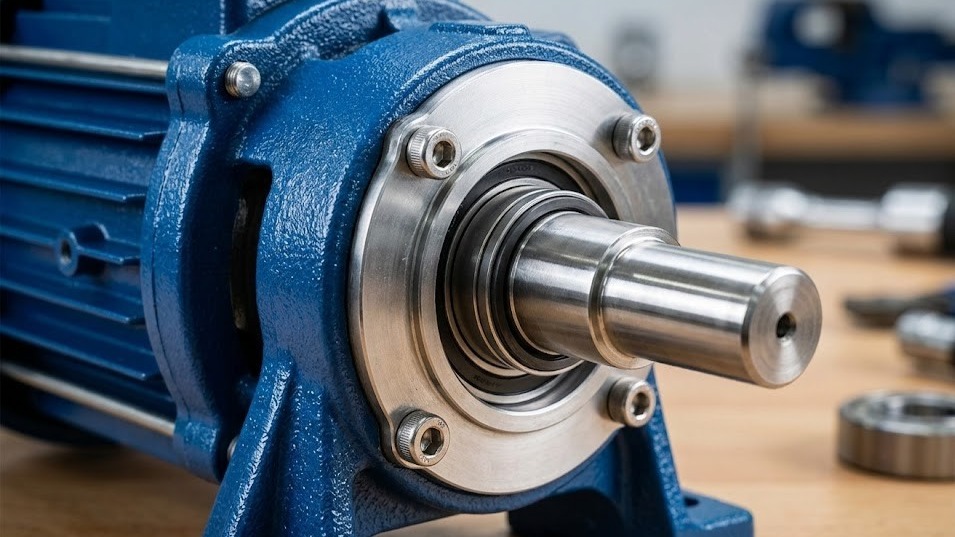
Pump systems operating in commercial heating, HVAC, and building services environments depend entirely on bearing integrity. When bearings fail, the consequences extend far beyond a single component replacement - system downtime, emergency callouts, water damage, and complete pump replacement can cost facilities thousands of pounds whilst leaving occupants without heating or hot water.
Pump bearing failure accounts for approximately 40% of all circulation pump breakdowns in commercial installations, according to industry failure analysis data. The challenge lies not in bearing technology itself - modern sealed bearings are remarkably reliable - but in recognising deterioration before catastrophic failure occurs and understanding the operational conditions that accelerate wear.
National Pumps and Boilers supplies commercial-grade circulation pumps and replacement components across the UK, with technical teams regularly analysing bearing failure patterns to help facilities managers and heating engineers prevent avoidable breakdowns.
What Causes Pump Bearings to Fail
Bearings in circulation pumps operate under demanding conditions - continuous rotation, thermal cycling, vibration, and exposure to system fluids. Several failure mechanisms dominate:
Lubrication Breakdown
Lubrication breakdown represents the primary cause of bearing deterioration. Sealed bearings contain factory-installed grease designed for specific temperature ranges and service lives. When pumps operate outside design parameters - particularly at elevated temperatures above 80°C - lubricant viscosity degrades, creating metal-to-metal contact between bearing races and rolling elements. This generates heat, accelerates wear, and initiates a destructive cycle.
Contamination Ingress
Contamination ingress occurs when shaft seals deteriorate, allowing system water, glycol, or particulates to enter bearing assemblies. Even small quantities of moisture compromise lubricant properties, whilst solid particles create abrasive wear patterns. Pumps installed in dusty plant rooms or those with degraded mechanical seals face elevated contamination risk.
Misalignment and Installation Errors
Misalignment and installation errors impose uneven loads on bearing surfaces. When pump flanges aren't properly aligned with pipework, or when flexible couplings compensate for poor installation practices, bearings experience side-loading forces they weren't designed to handle. This creates localised stress concentrations and premature fatigue.
Cavitation Damage
Cavitation damage transmits destructive shock waves through pump assemblies. When system pressure drops below fluid vapour pressure - typically due to undersizing, excessive flow rates, or insufficient NPSH (Net Positive Suction Head) - vapour bubbles form and collapse violently against impeller surfaces. These pressure pulses travel through the shaft assembly, hammering bearing races and causing micro-fractures.
Electrical Discharge
Electrical discharge can erode bearing surfaces in variable-speed pumps. When variable frequency drives (VFDs) operate without proper grounding, shaft voltages develop and discharge through bearings to ground. This electrical pitting creates a characteristic "frosted" appearance on bearing races - a distinctive failure signature that indicates electrical issues rather than mechanical problems.
Early Warning Signs of Bearing Deterioration
Detecting bearing degradation before complete failure requires systematic monitoring of specific indicators. Experienced heating engineers recognise these progressive warning signs:
Unusual Noise Patterns
Unusual noise patterns provide the earliest audible indication. Healthy bearings produce minimal sound - a smooth, consistent hum during operation. As wear progresses, distinctive sounds emerge: a grinding or rumbling indicates race damage; high-pitched squealing suggests lubrication breakdown; intermittent clicking points to damaged rolling elements. These sounds typically start faintly, becoming progressively louder over weeks or months.
Elevated Operating Temperature
Elevated operating temperature signals increased friction within bearing assemblies. Pumps that feel noticeably warmer to touch, or those showing temperature increases of 10-15°C above baseline readings, warrant immediate investigation. Thermal imaging cameras reveal precise temperature distributions, identifying localised hot spots around bearing housings that indicate specific failure zones.
Increased Vibration Levels
Increased vibration levels manifest as bearings develop play or damage. Facilities with vibration monitoring systems detect amplitude increases and frequency changes that correlate with specific bearing defects. Even without instrumentation, excessive vibration becomes palpable - pumps that previously ran smoothly begin transmitting noticeable vibration through mounting brackets and connected pipework.
Shaft Movement or Play
Shaft movement or play indicates advanced bearing wear. With the pump isolated and motor de-energised, attempting to move the shaft radially (perpendicular to rotation axis) should reveal minimal movement. Detectable play - particularly if shaft movement exceeds 0.5mm - confirms significant bearing clearance increase and imminent failure risk.
Motor Current Fluctuations
Motor current fluctuations appear when bearing resistance increases. Pumps drawing higher amperage than nameplate ratings, or those showing variable current draw during steady operation, often have bearing issues creating additional rotational resistance. This electrical signature frequently precedes mechanical symptoms by several weeks.
Seal Leakage
Seal leakage commonly accompanies bearing problems. As bearings wear and allow shaft movement, mechanical seals experience misalignment and face separation. Weeping around shaft seals - particularly if it develops suddenly on previously dry pumps - often indicates bearing deterioration affecting seal geometry.
Inspection Techniques for Bearing Assessment
Professional bearing assessment employs several diagnostic approaches, ranging from simple sensory checks to sophisticated analysis equipment:
Visual Inspection
Visual inspection begins with external observation. Rust staining, corrosion, or discolouration around bearing housings suggests moisture ingress. Oil or grease leakage indicates seal failure. Mounting bolt looseness or visible misalignment points to installation issues, causing bearing stress.
Acoustic Monitoring
Acoustic monitoring using ultrasonic detectors identifies bearing condition through sound frequency analysis. These handheld instruments detect ultrasonic emissions that increase as bearing surfaces deteriorate. Technicians establish baseline readings during normal operation, then track decibel level increases that indicate progressive wear. Increases of 8-12 dB typically warrant bearing replacement planning.
Vibration Analysis
Vibration analysis provides the most comprehensive bearing diagnostic data. Accelerometers attached to pump housings measure vibration across frequency spectrums. Specific bearing defects generate characteristic frequency patterns - outer race defects produce different signatures than inner race or rolling element damage. Vibration analysts identify not only bearing condition but specific failure modes, enabling precise maintenance planning.
Temperature Monitoring
Temperature monitoring using infrared thermography reveals thermal patterns invisible to touch. Cameras capturing thermal images during operation show temperature gradients across pump assemblies. Bearing housings showing 15-20°C elevation compared to ambient or to similar pumps in the same plant room indicate problematic friction levels requiring investigation.
Oil Analysis
Oil analysis applies to pumps with oil-lubricated bearings (less common in sealed circulation pumps but standard in larger commercial installations). Laboratory analysis of oil samples detects metal particles, identifies particle composition, and assesses lubricant condition. Elevated iron, chromium, or bearing-specific metal concentrations confirm active wear processes.
Prevention Strategies That Extend Bearing Life
Systematic bearing wear prevention pumps strategies dramatically reduce bearing failure rates and extend pump service life:
Correct Pump Sizing and Selection
Correct pump sizing and selection represent the foundation of bearing longevity. Pumps operating continuously at or near design flow rates experience optimal bearing loads and thermal conditions. Oversized pumps cycling frequently, or undersized pumps running at maximum capacity, subject bearings to suboptimal conditions. Proper system calculations ensuring pump selection matches the actual heating load prevent operational stress.
Installation Quality
Installation quality directly impacts bearing life expectancy. Pipe alignment within ±1mm prevents side-loading forces. Flexible connections accommodate thermal expansion without transmitting stress to pump flanges. Vibration isolation mounts prevent building vibrations from entering pump assemblies. Electrical grounding eliminates shaft voltage discharge in VFD applications. These installation details, often overlooked during rushed commissioning, determine whether bearings achieve design life or fail prematurely.
System Water Quality
System water quality affects sealed bearing longevity through seal integrity. Maintaining correct inhibitor concentrations, controlling pH within the 7.5-8.5 range, and preventing microbiological growth protect mechanical seals that shield bearings from contamination. Systems with degraded water chemistry experience accelerated seal deterioration, leading to bearing exposure and failure.
Operating Parameter Monitoring
Operating parameter monitoring enables early intervention. Facilities implementing basic monitoring - weekly temperature checks, monthly vibration assessments, quarterly current measurements - detect degradation trends months before failure. This monitoring needn't be sophisticated; consistent baseline comparison using simple handheld instruments provides actionable intelligence.
Preventive Replacement Scheduling
Preventive replacement scheduling based on manufacturer service life recommendations prevents unexpected failures. Grundfos pumps, for example, specify bearing life expectancy based on operating hours and conditions. Planning bearing replacement during scheduled maintenance windows costs a fraction of emergency breakdown response.
Environmental Controls
Environmental controls in plant rooms extend component life. Maintaining ambient temperatures below 30°C, controlling humidity, and preventing dust accumulation create optimal operating environments. Pumps installed in clean, climate-controlled spaces consistently outlast those in harsh environments.
Bearing Replacement Considerations
When bearing wear prevention strategies prove insufficient and bearing failure becomes inevitable, replacement decisions involve several technical considerations:
OEM Versus Aftermarket Bearings
OEM versus aftermarket bearings present quality and cost trade-offs. Original equipment manufacturer bearings guarantee correct specifications, materials, and tolerances. Aftermarket alternatives may offer cost savings but require careful specification verification - incorrect bearing types, inadequate load ratings, or incompatible materials cause rapid failure. For critical applications, OEM components from manufacturers like Wilo pumps or Lowara circulators provide reliability assurance.
Complete Pump Replacement
Complete pump replacement sometimes proves more economical than bearing replacement, particularly for older units. When pumps exceed 10-15 years of service life, bearing replacement costs approach new pump prices. Modern replacements offer improved energy efficiency - ErP-compliant models from the central heating pumps range consume 30-40% less electricity than older designs - generating operational savings that offset capital costs within 2-3 years.
Seal Replacement During Bearing Service
Seal replacement during bearing service represents best practice. Since bearing replacement requires complete disassembly, replacing mechanical seals simultaneously prevents near-term seal failure after bearing work. The incremental cost of seal replacement during bearing service is minimal compared to repeating disassembly procedures weeks later.
System Flushing
System flushing before reinstalling serviced pumps removes debris that may have circulated during bearing failure. Metallic particles from bearing disintegration contaminate system water and threaten newly installed components. Thorough flushing and magnetic filtration protect replacement bearings from premature damage.
The Role of Predictive Maintenance
Advanced facilities increasingly adopt predictive maintenance approaches that optimise bearing replacement timing:
Condition-Based Monitoring
Condition-based monitoring replaces time-based maintenance schedules with actual component condition assessment. Rather than replacing bearings at arbitrary intervals, monitoring data determines precise replacement timing - maximising component life whilst preventing unexpected failures. This approach requires initial investment in monitoring equipment but delivers substantial cost savings in large facilities with multiple pump installations.
Wireless Monitoring Systems
Wireless monitoring systems enable continuous bearing condition tracking without manual inspections. Permanently installed sensors transmit vibration, temperature, and acoustic data to building management systems, generating alerts when parameters exceed thresholds. These systems prove particularly valuable for pumps in difficult-to-access locations or critical applications where failure consequences are severe.
Reliability-Centred Maintenance Programmes
Reliability-centred maintenance programmes integrate bearing monitoring into comprehensive asset management strategies. These structured approaches balance preventive maintenance costs against failure consequences, allocating resources to the highest-risk equipment whilst accepting managed risk for less critical applications.
Conclusion
Pump bearing failure remains a leading cause of circulation pump breakdowns in commercial heating and HVAC systems, but systematic monitoring and prevention strategies dramatically reduce failure rates. Recognising early warning signs - unusual noise, elevated temperature, increased vibration, and shaft play - enables intervention before catastrophic failure occurs.
Bearing wear prevention begins with correct pump selection, quality installation, and appropriate operating conditions. Regular monitoring using simple temperature and vibration checks detects deterioration trends months before failure, whilst attention to system water quality and environmental controls extends bearing service life. When replacement becomes necessary, using quality components and addressing root causes prevents recurring failures.
Facilities managers and heating engineers seeking technical guidance on pump bearing failure prevention, pump selection, or replacement component specification can contact us for expert support. Proper bearing management transforms pump reliability from a reactive maintenance challenge into a predictable, manageable aspect of building services operation.