

Understanding Boiler Feed Units: What They Do and Why They Matter
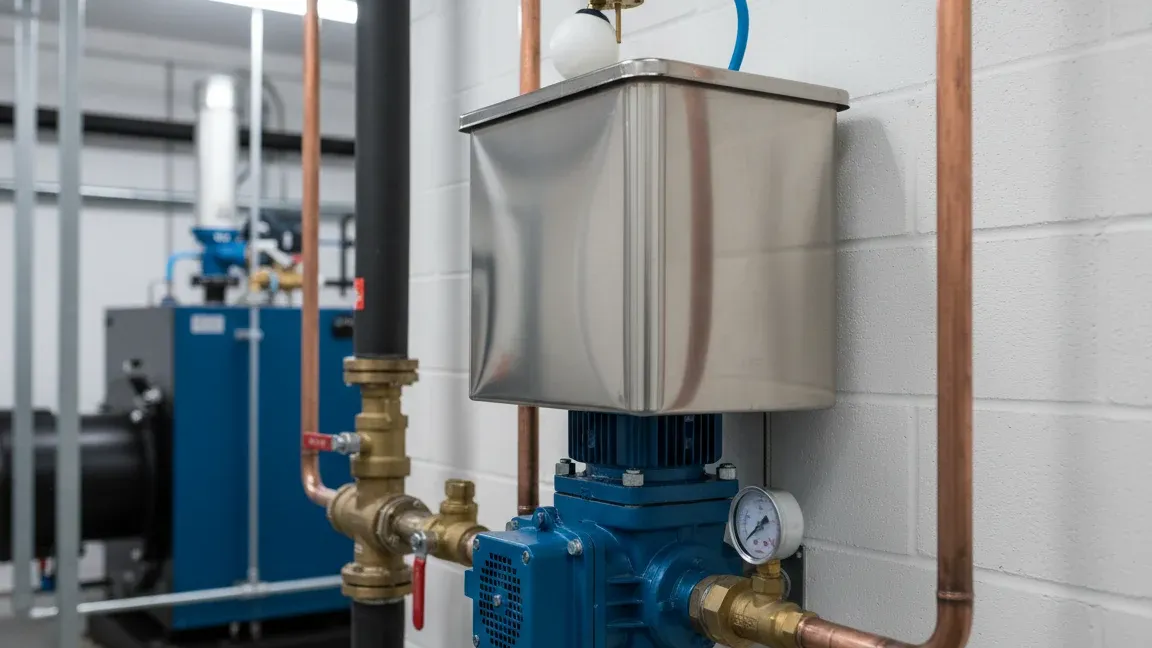
Commercial heating systems depend on consistent water supply to operate safely and efficiently. Boiler feed units automate this critical function, maintaining proper water levels and pressure whilst protecting expensive equipment from damage. These systems have become standard in UK commercial buildings, from office complexes to hospitals, yet many facilities managers struggle to understand their operation and maintenance requirements.
A boiler feed unit is an automated pumping system that supplies makeup water to commercial boiler installations. When system water is lost through evaporation, leaks, or controlled blowdown, the feed unit detects the pressure drop and activates pumps to restore proper levels. This prevents dangerous low-water conditions that can destroy boilers within minutes, whilst maintaining the pressure needed for effective heat distribution throughout buildings.
What Are Boiler Feed Units?
Core Function and Purpose
Boiler feed units serve as the automatic water supply system for closed-loop heating installations. Unlike domestic heating systems that operate as sealed circuits, larger commercial boilers require continuous makeup water to replace losses from the system. These losses occur naturally through evaporation at high temperatures, controlled blowdown to manage water quality, and minor leaks across extensive pipework networks.
The unit monitors system pressure continuously through electronic sensors or mechanical switches. When pressure drops below the setpoint - typically 1.5 to 3 bar depending on building height - pumps activate automatically to inject water from a break tank or mains supply. This maintains the minimum pressure needed to prevent air ingress, ensure proper circulation, and protect the boiler from low-water damage.
Modern boiler feed units incorporate multiple safety features. Pressure relief valves prevent over-pressurisation, whilst low-level alarms warn of excessive water consumption that might indicate significant leaks. Many units include water meters to track makeup volumes, helping facilities teams identify deteriorating system integrity before major failures occur.
The distinction between feed units and standard central heating pumps is significant. Circulation pumps move heated water around the system continuously, whilst feed pumps only operate intermittently to replace lost water. Feed pumps must generate higher pressures to overcome system resistance and inject water against existing pressure, typically requiring 4-6 bar output for most commercial applications.
Key Components Explained
A typical boiler feed unit comprises several integrated components working together. The pump assembly forms the heart of the system - either a single pump for smaller installations or duplex pumps (twin configuration) for critical applications requiring redundancy. These are usually multistage centrifugal pumps capable of generating the high pressures needed to charge commercial heating systems.
Pressurisation units often include an expansion vessel - a steel pressure vessel with an internal rubber diaphragm that accommodates thermal expansion of heated water. This prevents pressure spikes when water temperature increases, reducing the frequency of safety valve discharge and extending component life. Vessel sizes range from 50 to 500 litres depending on system volume and operating temperature.
The control panel manages all automatic functions. Basic units use simple pressure switches and float switches, whilst sophisticated installations employ programmable logic controllers with touchscreen interfaces. These monitor multiple parameters simultaneously - system pressure, pump run time, water level in break tanks, and electrical supply conditions. Advanced controllers can send alarm notifications via email or SMS when intervention is needed.
Break tanks provide a physical air gap between mains water supply and the heating system, preventing contamination of drinking water supplies as required by water regulations. These typically hold 50-200 litres with ball valve fill assemblies, overflow provisions, and insulation to prevent freezing. Some installations use direct mains connection with appropriate backflow prevention devices, though this requires specific approval from water authorities.
Types of Boiler Feed Units
Pressurisation vs. Feed-Only Systems
Pressurisation units combine makeup water feed with system pressure maintenance and expansion accommodation. These integrated systems include expansion vessels, pressure relief valves, and often degassing functions to remove air from the heating water. They are designed as complete solutions for commercial heating systems, managing all pressure-related functions from a single unit.
Feed-only systems provide water makeup without integrated expansion vessels or comprehensive pressure management. These simpler units work alongside separate expansion vessels installed elsewhere in the system. This configuration suits installations where existing pressure equipment is adequate or where space constraints prevent installation of larger integrated units.
The choice between types depends on system design and building requirements. New installations typically benefit from integrated pressurisation units that simplify design and reduce installation time. Retrofit projects often use feed-only systems to supplement existing equipment without extensive modifications. Integrated units cost more initially but reduce total installation expenses by eliminating separate components and additional pipework.
Single vs. Duplex Configurations
Single pump boiler feed units use one pump to provide all makeup water. These suit smaller commercial buildings where heating system downtime during pump maintenance is acceptable. Typical applications include small office buildings, retail units, and light industrial facilities with boiler outputs below 500kW. Single pump units cost less and require smaller installation footprints.
Duplex configurations employ two pumps in duty/standby arrangement. Under normal operation, one pump handles all demand whilst the second remains on standby. The control system alternates which pump operates as duty, ensuring even wear and maintaining both pumps in working condition. If the duty pump fails, the standby activates automatically within seconds, maintaining system pressure without manual intervention.
This redundancy proves critical for buildings where heating failure creates serious consequences - hospitals, care homes, data centres, and manufacturing facilities with temperature-sensitive processes. The additional cost of duplex systems is modest compared to potential losses from heating system failure during cold weather. Many building insurance policies require redundant systems for critical applications.
Commercial circulators often use similar duty/standby arrangements, reflecting the importance of reliability in larger heating installations. The principle applies equally to boiler feed units where continuous operation matters more than initial cost savings.
How Boiler Feed Units Work
Operating Principles
Boiler feed units operate on straightforward principles despite their sophisticated components. The system monitors pressure continuously through a sensor mounted on the heating system pipework. This sensor - either an electronic pressure transducer or mechanical pressure switch - compares actual pressure against the desired setpoint programmed into the controller.
When system pressure drops 0.2-0.3 bar below setpoint, the controller energises the pump starter. The pump draws water from the break tank or mains supply and injects it into the heating system through non-return valves that prevent backflow. As water enters the system, pressure rises steadily. When pressure reaches the upper setpoint (typically 0.2-0.3 bar above the lower trigger), the controller stops the pump.
This cycle repeats whenever pressure falls, whether from thermal contraction as the building cools overnight, water loss from minor leaks, or controlled blowdown from the boiler. Normal systems might cycle once or twice daily in well-maintained installations. Frequent cycling - more than 10-15 times per day - indicates problems requiring investigation.
Boiler feed units integrate with boiler safety systems through pressure monitoring and alarm contacts. If makeup water demand exceeds preset limits - suggesting major leaks - the system triggers alarms and can shut down boilers to prevent damage. This protection proves invaluable during pipe failures or valve malfunctions that could otherwise destroy expensive boiler equipment.
Control Systems and Automation
Modern boiler feed units employ microprocessor-based controllers that manage far more than simple pressure switching. These systems log pump run times, track water consumption volumes, monitor electrical parameters, and provide detailed alarm information when problems occur. Touchscreen interfaces simplify operation and allow facilities staff to adjust parameters without specialist knowledge.
Remote monitoring capabilities transform maintenance practices. Controllers with Ethernet or GSM connectivity send real-time data to building management systems or cloud-based platforms. Facilities managers can monitor boiler feed units across multiple sites from single dashboards, identifying developing problems before they cause failures. Email and SMS alerts notify key personnel immediately when intervention is needed.
Integration with building management systems allows coordinated control of heating equipment. The BMS can monitor makeup water consumption alongside boiler run times, circulation pump operation, and space temperatures to identify system inefficiencies. This data-driven approach to maintenance reduces energy costs and extends equipment life significantly.
Energy-efficient operation modes reduce electrical consumption. Variable speed drives adjust pump speed to match demand, eliminating the energy waste of fixed-speed pumps cycling on and off. Grundfos pumps often provide the circulation needed for effective mixing in larger installations, with soft-start functions reducing inrush current and mechanical stress during pump starting.
Selecting the Right Boiler Feed Unit
Capacity and Sizing Requirements
Proper sizing of boiler feed units requires calculating both flow rate and pressure requirements. Flow rate depends on system volume, typical water loss rates, and desired refill times. A general guideline suggests pump capacity of 1-2% of total system volume per hour, though this varies based on system condition and operating temperatures.
Pressure requirements derive from static head (building height) plus system resistance and desired operating pressure. For every 10 metres of building height, add 1 bar to the minimum pump pressure. A five-storey building with 20 metres from boiler feed unit to highest radiator needs at least 2 bar static head, plus 1-1.5 bar operating pressure, plus 0.5 bar for pipework resistance - totalling 3.5-4 bar minimum pump output.
System losses vary enormously between installations. Well-maintained systems with quality components might lose only 0.5-1% of system volume weekly. Older systems with numerous small leaks can lose 5-10% weekly or more. Boiler feed units must handle typical losses comfortably whilst providing reserve capacity for unexpected demand increases.
Manufacturer sizing tools simplify calculations, though these should be verified by experienced engineers. Wilo and other major manufacturers provide online calculators that account for multiple variables simultaneously. These tools prevent common sizing errors that lead to expensive equipment replacement.
Application-Specific Considerations
Multi-boiler installations require careful coordination between boiler feed units and boiler controls. The feed unit must maintain pressure across the entire system whilst individual boilers cycle on and off based on heat demand. This creates varying pressure conditions that the feed unit must accommodate without hunting or excessive cycling.
High-rise buildings present unique challenges. The static head from ground floor plant rooms to upper floors creates significant pressure differentials. Boiler feed units serving tall buildings need higher output pressures and may require pressure-reducing valves on lower floors to prevent over-pressurisation of radiators and pipework. Buildings above 15-20 storeys often use zone systems with separate feed units for different floor ranges.
Water quality and treatment needs affect equipment selection significantly. Systems using untreated mains water directly need corrosion-resistant materials throughout. Installations with comprehensive water treatment can use standard materials safely. The choice between treated and untreated water involves balancing initial equipment costs against long-term maintenance expenses and system reliability.
Installation and Commissioning
Proper Installation Practices
Boiler feed units require solid, level mounting bases capable of supporting the combined weight of equipment, water, and dynamic loads during pump operation. Concrete plinths or structural steel frames provide adequate support, whilst suspended floors often need reinforcement. Vibration isolation pads reduce noise transmission to occupied spaces.
Location within the plant room affects maintenance access and operational efficiency. Units should be positioned where pumps, valves, and controls can be serviced without moving other equipment. Adequate clearance around electrical panels ensures safe maintenance work. Break tanks need overhead access for cleaning and inspection.
Pipework connections follow standard practices for pumping systems. Isolation valves on suction and discharge sides allow pump removal without draining the entire system. Non-return valves prevent backflow when pumps stop. Pressure gauges at strategic locations help diagnose problems during commissioning and operation. All connections must be watertight, with proper support to prevent stress on pump casings.
National Pumps and Boilers recommends thorough testing procedures before commissioning to verify all components function correctly. This includes running pumps without pressure to check rotation direction, testing pressure switches at various setpoints, verifying alarm functions, and confirming automatic changeover in duplex systems.
System Integration
Connection to existing boiler systems requires careful planning to avoid contamination and air ingress. The feed point should be at the coolest location in the system - typically the boiler return pipework - to minimise thermal stress on components. Connections must be made whilst the system is isolated and depressurised, with thorough flushing before bringing the boiler feed unit online.
Integration with water treatment equipment ensures makeup water meets system requirements before injection. This might include softeners to reduce hardness, dosing systems for corrosion inhibitors, or filters to remove particulates. Properly integrated treatment systems protect boilers and extend equipment life throughout the installation.
Documentation from commissioning should include as-built drawings, equipment specifications, control sequences, safety system test results, and initial performance data. This information proves invaluable for ongoing maintenance and troubleshooting whilst demonstrating compliance with building regulations and insurance requirements.
Maintenance and Troubleshooting
Routine Maintenance Tasks
Annual inspection should include comprehensive examination of all boiler feed unit components. Check pump seals for leakage, verify pressure switch calibration, inspect expansion vessel pre-charge pressure, and test all alarm functions. Lowara and other quality pump manufacturers provide detailed maintenance schedules in their documentation.
Break tank maintenance involves periodic cleaning to remove sediment and biological growth. Inspect ball valves for proper operation, check overflow arrangements, and verify insulation condition. Tank integrity should be assessed for corrosion or damage that could compromise water quality or cause leaks.
Control system maintenance includes software updates where applicable, verification of sensor calibration, and testing of communication systems. Battery backup systems for controllers should be tested annually and replaced according to manufacturer recommendations - typically every 3-5 years.
Common Issues and Solutions
Frequent pump cycling indicates undersized equipment, system leaks, or faulty pressure sensors. Begin diagnosis by checking for visible leaks throughout the system, then verify pressure sensor accuracy against a calibrated gauge. If no obvious cause is found, the system may require professional assessment to identify hidden leaks or sizing inadequacies.
Pressure loss problems often stem from failed expansion vessel diaphragms, stuck pressure relief valves, or system leaks. Check expansion vessel pre-charge pressure - if water discharges when testing the air valve, the diaphragm has failed and requires vessel replacement. Inspect pressure relief valves for weeping or stuck-open conditions.
Alarm conditions require prompt investigation to prevent equipment damage. Low break tank level alarms may indicate supply problems or excessive system demand. High-pressure alarms suggest failed pressure relief or control system faults. Document all alarm events and responses for maintenance records and troubleshooting reference.
Benefits of Modern Boiler Feed Units
Reliability and System Protection
Automatic operation reduces human error whilst ensuring consistent system pressure regardless of building occupancy or operational schedules. Redundancy features in duplex systems prevent downtime, with automatic changeover maintaining operation even during pump failures.
Boiler protection from low water damage represents the primary safety benefit. Low-water conditions can destroy boiler heat exchangers within minutes, creating repair costs exceeding the entire boiler feed unit investment. Proper feed unit operation prevents these catastrophic failures entirely.
Extended equipment lifespan results from maintaining optimal operating conditions throughout the heating system. Consistent pressure prevents air ingress that causes corrosion, whilst proper water levels ensure efficient heat transfer and prevent thermal stress on boiler components.
Efficiency and Cost Savings
Energy-efficient pump operation reduces electrical consumption compared to older fixed-speed systems. Modern variable speed drives and intelligent controls minimise pump running time whilst maintaining required pressure, delivering energy savings of 20-40% compared to basic on/off control strategies.
Reduced water waste through precise control conserves resources and reduces utility costs. Properly functioning boiler feed units inject only the water needed to maintain pressure, eliminating the continuous water loss common in poorly maintained or manually controlled systems.
For expert guidance on boiler feed unit selection, installation, and maintenance, Contact Us to discuss specific requirements with experienced heating specialists who can recommend solutions tailored to operational needs.