

Understanding BS 7593 Compliance for Commercial Heating Water Quality
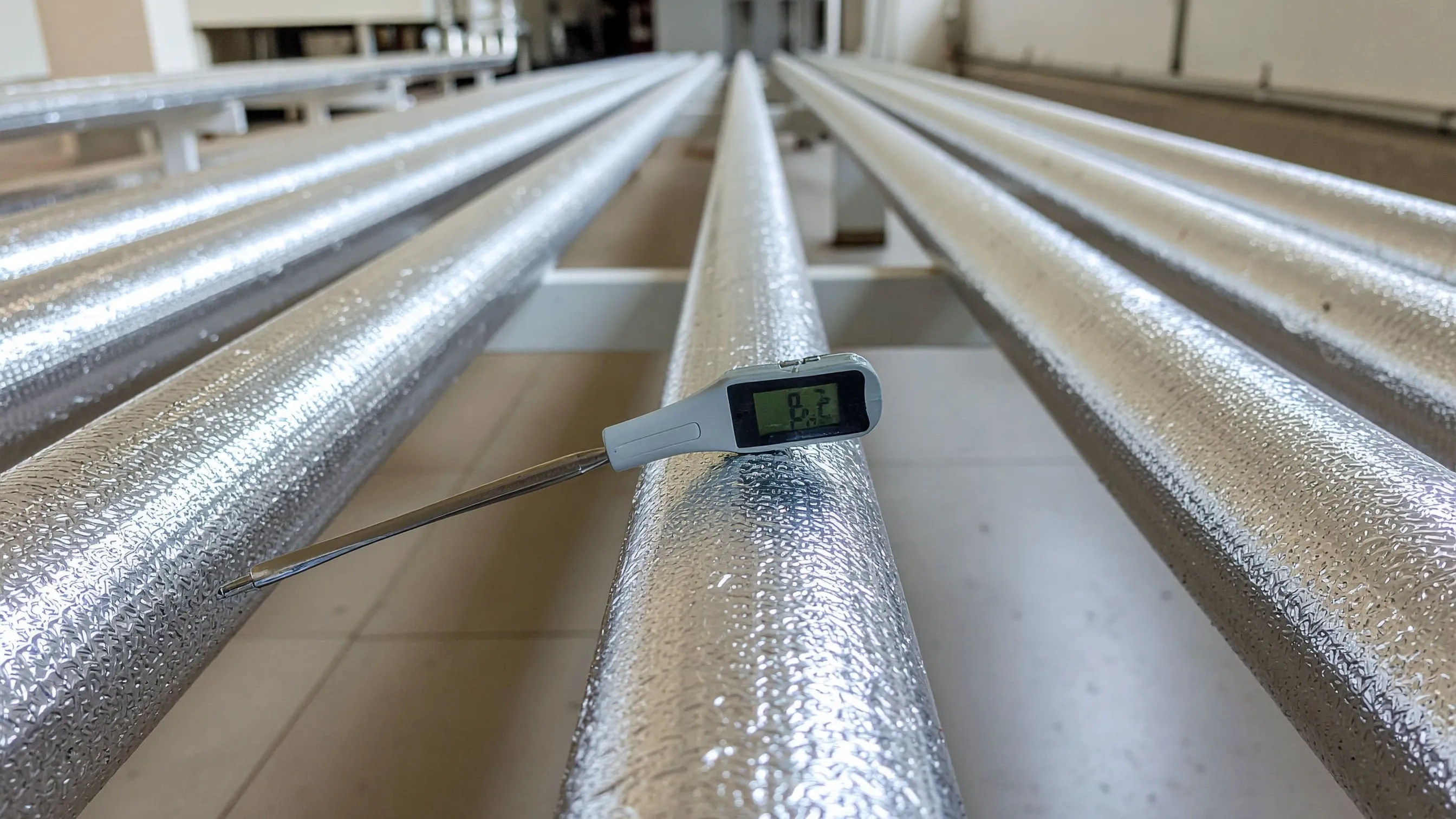
Commercial heating systems represent substantial capital investments, yet many fail prematurely due to entirely preventable water quality issues. BS 7593 provides the technical framework for treating water in closed-loop central heating and chilled water systems. It establishes rigid parameters that protect expensive equipment while maintaining peak thermal efficiency.
For facilities managers, mechanical contractors, and building services engineers, understanding this standard is not optional. It is the absolute foundation of system longevity and regulatory compliance. Poor water quality silently erodes system efficiency, accelerates component wear, and multiplies operational costs long before a physical leak appears.
Achieving proper BS 7593 commercial heating compliance requires more than pouring generic chemicals into a dosing pot. It demands a systematic understanding of water chemistry, precise dosing calculations, and a strict commitment to ongoing monitoring.
The Scope of BS 7593 in Commercial Environments
The standard primarily outlines the Code of Practice for the preparation, commissioning, and maintenance of domestic systems. However, its core chemical principles are universally applied as the baseline standard for light commercial installations, often working alongside BSRIA BG 29 guidelines for larger networks. It addresses the fundamental water quality required in closed-loop systems. This includes networks serving large central heating circuits, underfloor heating, and modern low-temperature hot water applications.
Unlike standard potable water regulations, this standard focuses entirely on properties that trigger internal corrosion, scale formation, and biological growth. This distinction matters because water that is perfectly safe for drinking can still cause catastrophic damage to expensive heating components over time. National Pumps and Boilers consistently advises that managing these specific chemical traits is the only way to guarantee a long operational lifespan.
The scope encompasses both ferrous and non-ferrous metals commonly used across commercial mechanical installations. Systems incorporating aluminium heat exchangers, copper pipework, and steel radiators all fall within the standard's remit. Proper BS 7593 commercial heating compliance ensures these mixed-metal environments do not destroy each other through galvanic corrosion.
Critical Water Quality Parameters
The standard establishes specific limits for multiple water chemistry parameters, and pH control is where many engineers make critical errors. A dangerous industry misconception suggests keeping all systems highly alkaline. In reality, pH levels must be strictly controlled between 6.5 and 8.5 for systems containing aluminium components. If the pH rises above 8.5, the alkaline water will catastrophically dissolve the protective oxide layer on an expensive remeha boiler, leading to rapid perforation.
Alternatively, systems without any aluminium components should maintain a slightly higher pH between 7.5 and 9.5 to protect steel. Alongside pH, strict total hardness specifications must be met. The total hardness should never exceed 200 mg/l to prevent aggressive scale formation. Harder water dramatically increases the risk of calcium carbonate precipitation when exposed to elevated heat exchanger temperatures.
Furthermore, chloride content must remain below 250 mg/l, as elevated chlorides aggressively attack stainless steel components. Dissolved oxygen content also requires careful management. The standard recommends keeping dissolved oxygen levels below 0.1 mg/l for optimal protection. Oxygen directly drives the electrochemical reactions that corrode ferrous metals, creating the destructive magnetite sludge that accumulates in system low points. Understanding these total hardness specifications and oxygen limits dictates your entire treatment strategy.
Common Water Quality Issues
Scale formation represents the most expensive and frequent water quality problem in commercial facilities. Hard water deposits calcium carbonate directly onto heat exchanger surfaces. Think of scale formation exactly like limescale inside a heavily used kettle. It forms a hard, insulating rock that forces the element to work twice as hard to heat the water, wasting massive amounts of energy.
Corrosion manifests in multiple forms across untreated commercial networks. General corrosion produces black magnetite sludge that settles in radiators, underfloor heating manifolds, and pump bodies. This iron oxide accumulation restricts heat emission and can block narrow passages completely. This is why protecting a high-efficiency Vaillant boiler or a commercial condensing boiler from abrasive sludge is an absolute priority for facility managers.
Low-temperature heating systems face highly elevated biofilm risks. Bacteria and algae thrive in lukewarm water below 60°C, forming thick slimes that reduce heat transfer and harbour highly corrosive microorganisms. While Legionella risks remain minimal in a truly sealed closed-loop circuit, other bacteria produce acidic by-products that accelerate localised pitting corrosion within your commercial condensing boiler.
Effective Treatment Methods
Precise chemical inhibitor dosing provides the primary treatment method for achieving strict compliance. Modern inhibitor formulations contain multiple active ingredients designed for heavy-duty commercial use. They utilise filming amines to create protective barriers on metal surfaces, powerful alkalinity buffers to maintain pH stability, and advanced dispersants that keep particulates suspended for filter removal.
Proper chemical inhibitor dosing depends entirely on your system's metallurgy and operating conditions. Products suitable for mixed-metal systems containing aluminium differ vastly from those designed for traditional ferrous-only installations. Inhibitor concentration typically adheres to manufacturer specifications, often around 0.5% to 1% by volume, and hitting this exact concentration is critical to preventing galvanic reactions.
Water softening effectively reduces scale formation risk by removing calcium and magnesium ions before the initial system filling. However, softened water can prove too aggressive without appropriate chemical inhibitor dosing to protect the bare metals. Magnetic and electrolytic scale inhibitors are occasionally used, but they lack the comprehensive corrosion protection that a hardworking grundfos circulation pump requires, making them insufficient as sole treatment methods.
Pre-Commissioning and Remedial Cleaning
System cleaning removes existing contamination before any protective treatment is applied. Implementing rigorous system flushing protocols forces cleaning chemicals through the pipework at high velocity, actively dislodging sludge and baked-on scale deposits. Thorough pre-treatment cleaning proves essential, as even the best inhibitors cannot function effectively in heavily contaminated systems.
New installations also require strict system flushing protocols. Pre-commission cleaning removes manufacturing debris, highly acidic welding flux, and installation contaminants that would otherwise react violently with your treatment chemicals. Field experience demonstrates that standard flushing procedures often remove only 60% to 70% of installation debris, which is why strict adherence to these flushing standards is critical.
When executing these system flushing protocols, you must ensure that all full-bore pump valves remain fully open. This guarantees complete circuit coverage and prevents dead-legs from hiding aggressive installation debris. Skipping this vital step guarantees future chemical instability and premature mechanical failures.
Essential BS 7593 Compliance Checklist
Achieving compliance is not a one-time event; it requires structured oversight. Use this actionable checklist to establish a rigorous water quality baseline and prevent sudden, catastrophic equipment failures in your facility:
- Verify the mains water total hardness specifications and pH before beginning the initial system fill.
- Execute full dynamic flushing to remove all flux, solder, and installation debris prior to dosing.
- Calculate the exact system volume to ensure accurate inhibitor concentration levels.
- Test the system water pH, chloride content, conductivity, and inhibitor levels within one week of the final fill.
- Physically inspect the mechanical seals on your primary Wilo pump for any signs of weeping or chemical degradation.
- Log all chemical additions, test results, and maintenance actions in the official building logbook.
- Schedule comprehensive water quality laboratory analysis at least once every twelve months.
The Consequences of Non-Compliance
Energy efficiency deteriorates progressively in systems with neglected water quality. Scale deposits measuring just 1mm thick reduce heat transfer efficiency by roughly 7%, forcing boilers to fire longer to achieve their target temperature setpoints. This increased runtime translates directly to massive commercial fuel costs and elevated carbon emissions.
A mechanical contractor on a recent office block refurbishment completely ignored BS 7593 commercial heating requirements and reused old, untreated system water to save time. Within six months, abrasive magnetite sludge destroyed two main circulators and entirely voided the manufacturer warranties. Implementing a proper chemical treatment programme and magnetic filtration finally resolved the issue, but the initial negligence cost thousands in completely avoidable emergency repairs.
Circulation pump failures increase drastically when sludge accumulation restricts impellers or corroded debris damages the mechanical seals. Replacement costs extend well beyond the cost of a new central heating circulator. You must also factor in expensive emergency labour, system drainage time, and the potential consequential damage from building-wide heating failures.
Retrofitting Compliance to Existing Systems
Assessment of your current water quality provides the starting point for retrofitting compliance onto older systems, especially when upgrading to a modern commercial condensing boiler. Simple on-site test kits reveal your baseline pH, hardness, and conductivity levels. Visual inspection of radiator bleed water quickly indicates your sludge contamination levels. Black or heavily browned water signals significant, active corrosion that requires immediate removal before any new treatment is applied.
System cleaning becomes much more challenging in occupied commercial buildings where heating interruption must be minimised. Staged, zonal cleaning approaches treat individual floors sequentially, maintaining heat to critical areas whilst cleaning others. You must use chemical cleaners specifically designed for occupied systems, as they work at lower temperatures and avoid aggressive formulations that might cause a weakened DAB pump to leak.
Ongoing maintenance planning should always address the root causes of previous water quality problems. Systems requiring frequent chemical top-ups indicate a hidden physical leak that is introducing fresh, untreated, oxygen-rich water continuously. Pressure loss investigations and robust leak repairs prove absolutely essential before proper BS 7593 commercial heating compliance can be maintained long-term.
Conclusion
Understanding and strictly implementing these compliance standards is the smartest financial decision a facilities manager can make. It transforms your commercial heating network from a reactive maintenance nightmare into a stable, highly efficient, and predictable asset. The relatively minor upfront cost of proper flushing, accurate chemical dosing, and routine testing is dwarfed by the massive savings in energy and deferred capital replacements.
Long-term success depends entirely on treating water quality as a critical engineering parameter rather than an afterthought. When you maintain precise control over your system's chemistry, you actively protect your warranties, reduce your carbon footprint, and ensure your facility remains warm and operational throughout the harshest winter months.
If you are dealing with persistent system failures, unexplained pressure losses, or suspect your current water treatment programme is failing, professional guidance is crucial. To arrange a comprehensive water quality evaluation or to discuss system-specific treatment strategies, please Request Product Support from our dedicated technical team today.