

Understanding Flow Rate Ratings: What Do the Numbers Mean?
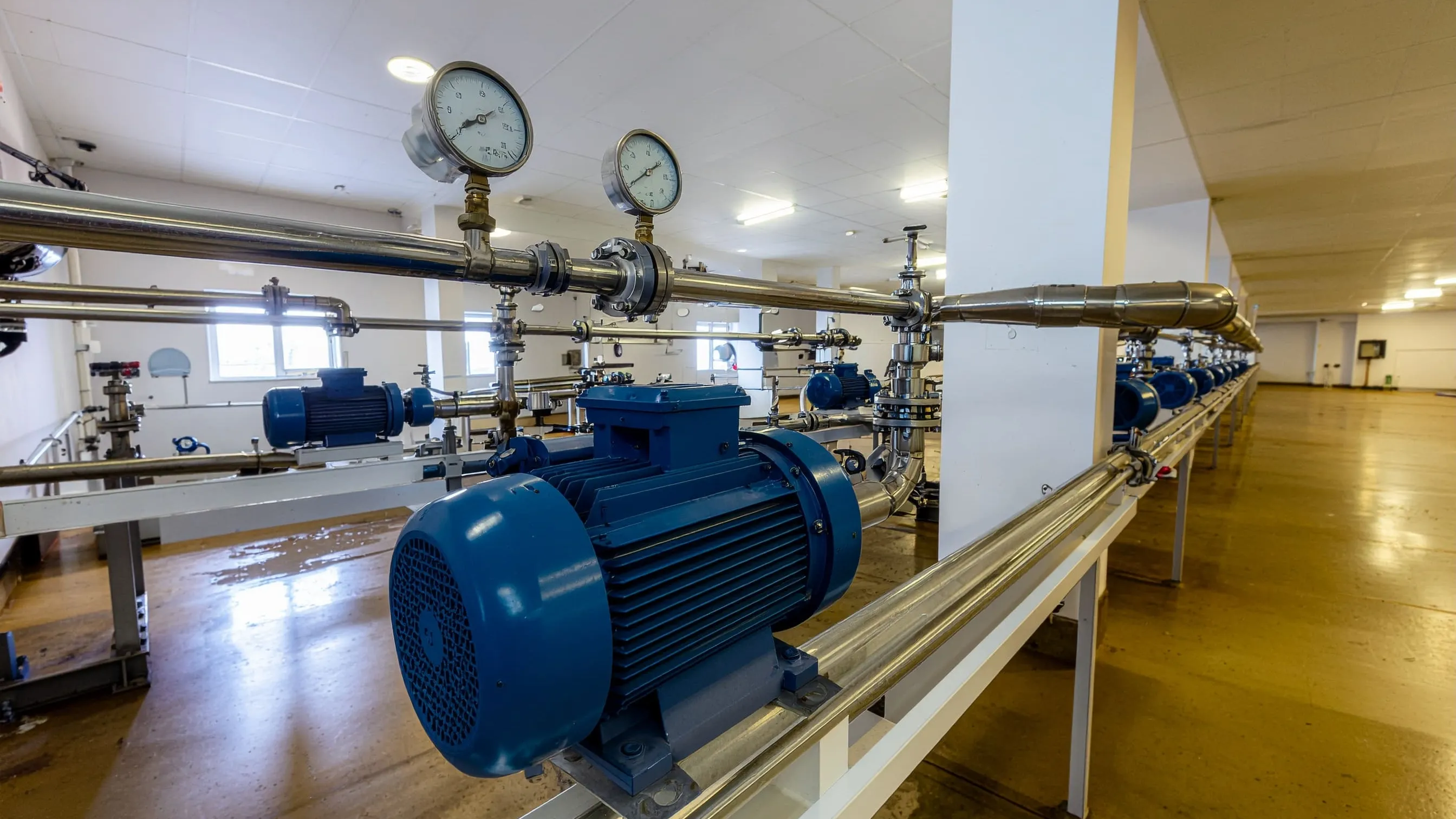
Purchasing a new mechanical pump often feels incredibly confusing for the average homeowner. You look at the glossy packaging and see impressive numbers proudly declaring a 3.0 bar pressure and a 50 litre per minute delivery. The natural assumption is that the pump will deliver both of these maximum numbers simultaneously. This assumption is a profound physical impossibility that leads to massive disappointment.
Understanding flow rate ratings requires a basic grasp of thermodynamic physics and hydraulic engineering. The numbers printed on the box represent the absolute extreme operating limits of the machine. They reflect how the pump performs under highly controlled, unrealistic laboratory conditions. They do not represent what will actually happen when you connect the unit to the complex pipework hidden inside your walls.
Failing to understand these numbers results in incredibly expensive purchasing mistakes. You might buy a massive, highly expensive pump only to find your shower still feels like a weak trickle. To prevent this, you must separate the marketing numbers from the actual mechanical physics. You must learn how to calculate your exact household demand before you ever look at a product catalogue.
The Difference Between Pressure and Volumetric Flow
You must completely separate the concept of pressure from the concept of actual water volume. Pressure is measured in bar or metres of head. It represents the physical pushing force generated by the spinning impellers. Volumetric flow capacity is measured in litres per minute. It represents the actual physical amount of water that exits your shower head.
Think of your plumbing exactly like a garden hose. If you turn the tap on fully, a large volume of water pours out heavily but falls straight to the ground. If you place your thumb tightly over the end, the water suddenly shoots twenty feet across the garden. You have massively increased the dynamic head pressure, but you have drastically reduced the actual volumetric flow.
A highly restrictive shower head acts exactly like your thumb. It creates massive pressure behind the nozzle but allows very little water through. Premium Grundfos Twin Pumps deliver massive pushing force to overcome these restrictions. However, that pushing force does not automatically guarantee a thick, drenching shower experience.
How to Read a Pump Performance Curve Correctly
Every professional pump manufacturer provides a detailed performance curve graph in their technical manual. This graph perfectly illustrates the inverse physical relationship between pressure and volume. The vertical axis shows the pressure, while the horizontal axis shows the flow rate. The performance line always slopes downward from top-left to bottom-right.
The highest point on the left represents the shut-off head. This is the maximum pressure the pump generates when all valves are completely closed and flow is zero. The lowest point on the right represents the maximum free delivery. This is the maximum water volume the pump can move when pushing into an open, unrestricted bucket.
You will never operate your shower at either of these two extreme points. Your true performance sits somewhere in the middle of that downward curve. Highly efficient Wilo Twin Pumps are specifically engineered to provide a robust, stable middle ground. This middle ground is mathematically known as the duty point.
Calculating Your True Household Water Demand
You cannot select the correct duty point without knowing exactly how much water your family uses. A standard modern eco-shower typically requires between 8 and 10 litres per minute to function nicely. A large, luxury rainfall shower head often demands 15 to 20 litres per minute.
If you install body jets alongside a rainfall head, your demand skyrockets instantly. Four body jets and a main head might demand a massive 35 litres per minute simultaneously. You must manually measure your existing baseline using a simple bucket test. Place a marked 10-litre bucket under your bath tap and time exactly how long it takes to fill.
If the 10-litre bucket fills in 30 seconds, your raw gravity flow provides 20 litres per minute. Advanced DAB Digital Models use this baseline data to calculate the exact mechanical boost required. You must perform this physical measurement before spending money on upgrading your equipment.
The Impact of Pipe Sizing on Volume Delivery
Your physical pipework acts as a hard speed limit for your entire plumbing system. The most powerful pump in the world cannot force massive volumes of water through tiny, restrictive pipes. Standard 15mm copper pipe safely carries roughly 14 to 18 litres per minute maximum.
If you attempt to force 30 litres per minute through a 15mm pipe, the water velocity exceeds safe limits. This extreme speed creates massive hydraulic friction and incredibly loud rushing noises through your walls. The friction physically eats the pump pressure, destroying the performance before the water even reaches the bathroom.
Luxury showers demanding high volumes absolutely require 22mm primary pipework. This larger diameter allows the water to travel slower while delivering a much higher total volume. Robust Lowara Multi-Stage pumps rely entirely on these properly sized 22mm pipes to feed their powerful internal impellers.
How System Resistance Restricts Flow Rates
Every single component in your plumbing network creates physical drag against the moving water. This drag is known as friction loss. Every meter of copper pipe, every brass elbow joint, and every isolation valve steals a tiny fraction of your pump pressure.
When you combine all this friction, you create a unique system resistance curve for your property. The exact point where this resistance curve crosses the manufacturer's performance curve is your actual duty point. If your property has long, winding pipe runs, your resistance curve is incredibly steep.
This steep resistance forces the pump to work much harder, drastically lowering your final volumetric flow capacity. Professional Ebara Multistage Pumps feature incredibly strong motor torques to overcome severe pipe friction. You must calculate this physical resistance accurately to guarantee your new shower performs as expected.
Multi-Outlet Demands and Commercial Solutions
Simultaneous water usage ruins poorly planned plumbing systems instantly. If someone flushes a toilet downstairs while you are showering, the available water volume splits rapidly. This sudden drop in system pressure creates nasty temperature fluctuations and a highly disappointing shower experience.
You must design the system to handle the absolute peak household demand. You must calculate the flow requirements for the shower and the bathroom sink running at the exact same time. Installing full-bore Butterfly Valves Available across your network ensures maximum flow availability during these peak morning rushes.
If your household frequently uses two showers simultaneously, your volumetric requirement doubles instantly. You must specify a heavy-duty pump capable of sustaining 30 litres per minute at 2.0 bar continuously. Attempting to run two showers off a small, budget pump will burn the motor out in months.
Overcoming Internal Valve Restrictions
Sometimes the restriction has absolutely nothing to do with your pipework or your pump. Modern thermostatic mixer valves contain highly sensitive internal safety cartridges. These brass and wax cartridges actively regulate the internal water blending to prevent accidental scalding.
These crucial safety mechanisms are physically very small inside. They naturally limit the amount of water that can pass through them, regardless of the pump pressure pushing behind them. You can attach a massive 4.0 bar commercial pump to a cheap shower valve, and the flow will barely improve.
You must always check the manufacturer specifications on your specific shower valve. The valve documentation will state its maximum allowable flow rate. Matching your pump mathematically to these valve limits prevents massive energy waste. Reviewing the extensive NPB Pump Catalogue helps you find the perfect mechanical match for your specific bathroom fittings.
Conclusion
Understanding flow rate ratings prevents you from wasting money on incorrectly sized equipment. You must stop looking at the maximum theoretical numbers printed on the retail packaging. You must learn to read the manufacturer performance curves to find the true, real-world duty point for your specific home.
Accurate diagnosis involves measuring your pipe diameters, understanding the limits of your thermostatic mixer valves, and conducting baseline bucket tests. Replacing highly restrictive 15mm pipework with 22mm copper often yields better results than simply buying a bigger pump. Physics dictates that you cannot cheat hydraulic resistance.
Specifying the correct equipment requires a professional understanding of dynamic head pressure and system friction. The experts at National Pumps and Boilers perform these vital hydraulic calculations every single day. If you are struggling to interpret performance curves, Get Help Choosing the Right Product from our dedicated technical team today.