

Understanding Manifold and Distribution Pump Requirements for Heat Pump Underfloor Systems
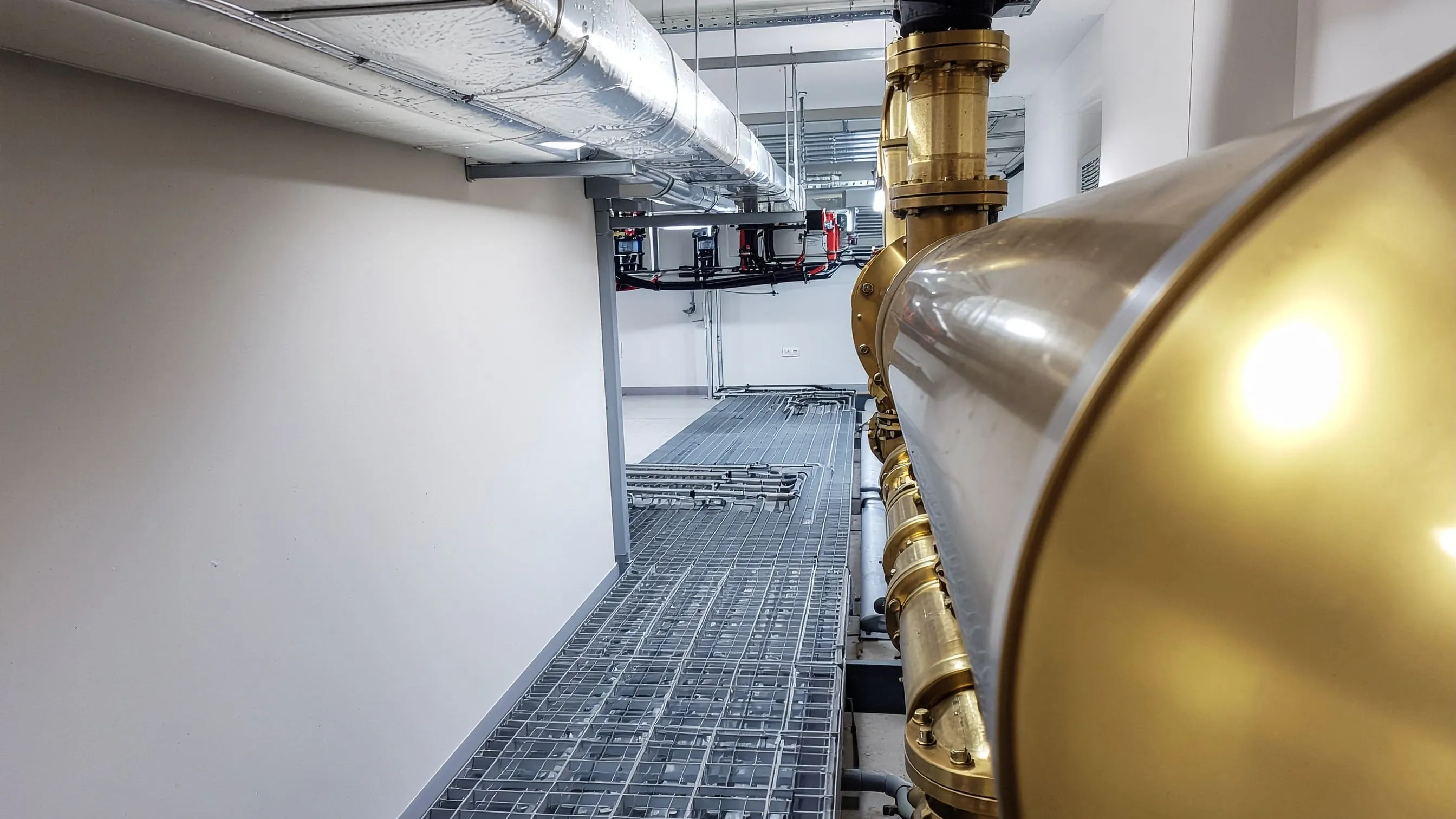
Heat pump underfloor heating systems demand fundamentally different pumping strategies compared to traditional high-temperature boiler installations. The lower flow temperatures combined with extended operating cycles create unique challenges for your underfloor heating manifold pump selection. Getting the specification wrong directly impacts heat pump efficiency. It can increase your running costs by 30% while drastically reducing your overall system lifespan.
The physics are straightforward. Heat pumps achieve their optimal coefficient of performance (COP) when return temperatures remain as low as possible. This requires precise flow rates across each underfloor circuit to maintain the design temperature differential. An incorrectly specified underfloor heating manifold pump creates flow imbalances that elevate return temperatures. This forces the heat pump to work much harder and consume significantly more electricity.
How Heat Pump Systems Differ from Traditional Heating
Traditional gas boilers tolerate considerable variation in system flow rates effortlessly. They simply modulate their flame height to match the demand. Heat pumps cannot compensate so easily because their refrigerant cycles require specific temperature differentials. When return temperatures rise beyond design specifications, the compressor works against higher condensing pressures and loses efficiency.
Think of the manifold pump exactly like a dedicated traffic officer at a complex junction. If the officer waves cars through too quickly, traffic backs up at the next light and causes gridlock. If they move cars too slowly, the intersection completely stalls. The pump must move the heated water at the perfect speed to extract exactly the right amount of heat before returning it.
These systems suffer heavily from both under-sizing and over-sizing. Excessive flow rates reduce the temperature drop across each circuit. This returns water to the heat pump at temperatures far too high for optimal performance. You must constantly account for varying zone valve resistance as rooms reach their target temperatures.
The Role of the Underfloor Heating Manifold Pump
The manifold pump serves as the beating heart of your circuit distribution. It maintains design flow rates across multiple zones despite varying resistance from different pipe lengths. Each circuit within the manifold must receive specific flow rates calculated to achieve the required heat output.
Experts at National Pumps and Boilers know this role becomes critical in modern domestic setups. The underfloor heating manifold pump must overcome the combined resistance of the longest circuit while flow meters regulate individual loops. This differs entirely from the primary circulation pump located within the heat pump unit itself.
Pressure requirements vary considerably based on your manifold configuration. A compact manifold serving a single-storey dwelling might require only 3 metres of head pressure. Incorporating a dedicated mixing station assembly into the manifold design ensures precise temperature delivery. You must select a pump that handles this dynamic zone valve resistance effortlessly.
Calculating Pump Requirements for Manifold Systems
Accurate pump sizing always begins with detailed circuit calculations. For each underfloor zone, the heat loss calculation determines the exact required output. A well-insulated new build might need 50W/m², whereas a retrofit could demand 100W/m². This output requirement determines the necessary flow rate for every individual circuit.
A typical calculation for a 20m² room requiring 1,500W of output with a 7°C temperature drop requires precise math. You calculate this using the formula: 1.5kW / (4.18 × 7) × 60. This yields a required flow rate of approximately 3.1 litres per minute. An underfloor heating manifold pump must meet this exact duty point reliably.
If a manifold features 10 identical circuits, the total flow rate hits roughly 31 litres per minute. Pressure loss calculations must then account for pipe friction across the longest circuit. A 90-metre circuit of 16mm pipe might present 1.5 metres of head loss. You can source reliable pump solutions capable of delivering exactly 31 l/min at this calculated pressure.
Distribution Pump Specifications for Heat Pump Applications
Modern variable speed pumps offer massive advantages for heat pump underfloor systems. Electronically commutated motors adjust their speed to maintain proportional pressure across varying flow demands. When zone valves close in satisfied rooms, the pump automatically reduces its speed to save energy.
Specifying a reliable DAB Evotron circulator guarantees high energy efficiency ratings under ErP regulations. Upgrading to an A-rated pump saves approximately 200 kWh annually compared to an older D-rated model. This reduces your running costs while actively lowering the heat pump's total parasitic electrical load.
Advanced features like the autoadapt function continuously learn the system's hydraulic characteristics. The pump analyses the required flow and adjusts its performance curve automatically. A quality DAB water pump equipped with this technology eliminates the guesswork during commissioning.
Manifold Configuration and Pump Placement
The physical arrangement of pumps within the system architecture significantly affects overall performance. Most installations position the manifold pump on the flow side to push heated water through the circuits. This placement ensures positive pressure throughout the underfloor pipework, preventing unwanted air ingress.
Blending arrangements require highly specific mechanical attention. Many systems incorporate a dedicated mixing station assembly to reduce the flow temperature safely. The pump must be positioned downstream to circulate the safely blended water through the delicate manifold circuits.
You must integrate these setups carefully alongside any existing traditional heating components. Using a trusted grundfos up 20-15 n 150 for secondary hot water loops keeps the primary manifold pumps free from interference. Larger heat pump systems often use a low loss header to separate these competing flow demands entirely.
Common Sizing Errors and Performance Issues
Under-sizing manifold pumps creates immediately apparent mechanical problems. You will experience cold spots in rooms, extended heat-up times, and inadequate overall heating. Insufficient flow rates elevate the return temperatures back to the heat pump, destroying your COP instantly.
A regional housebuilder recently fitted a standard fixed-speed pump on a large 12-circuit manifold. When only two small bathroom zones called for heat, the massive pressure caused loud whistling and blew out two actuator heads. Swapping the unit for a smart pump with an autoadapt function eliminated the pressure spikes and noise instantly.
Over-sizing proves equally problematic despite seeming like a safe approach initially. Excessive pump capacity creates high flow velocities that generate loud noise through the manifold flow meters. You must properly account for fluctuating zone valve resistance to avoid this. If you need lowara water pump troubleshooting support, checking for over-pressurisation is often the very first step.
Selecting Appropriate Pump Models
Residential systems typically require pumps in the 4-metre to 6-metre head range. Flow rates usually sit between 20 and 60 litres per minute for standard domestic properties. A modern DAB Evotron circulator covers this exact duty range with superb energy efficiency.
Smart pump technology increasingly features heavily in modern specifications. An intelligent autoadapt function proves incredibly valuable during commissioning when you are fine-tuning flow rates across the manifold. It helps maintain the perfect temperature differential across the entire floor slab.
Hybrid configurations demand even more robust circulation strategies. If a remeha calenta boiler acts as a high-temperature backup, the manifold pump must accommodate both heat sources safely. It must blend the high-temperature boiler flow down to safe underfloor limits flawlessly.
Installation Best Practices
Pump orientation affects both performance and mechanical longevity heavily. You must install most manifold pumps with the motor shaft perfectly horizontal. This physical orientation prevents damaging air accumulation inside the motor housing. Ignoring manufacturer orientation instructions leads to premature bearing failure rapidly.
Electrical connections must account for the specific heat pump control integration. Sophisticated systems use specific 0-10V control signals to modulate the DAB Evotron circulator perfectly. You should always run control wiring completely separate from the main power supply to avoid electrical interference.
Commissioning procedures establish the proper flow distribution permanently. With all zone valves fully open, you must measure the flow through each circuit accurately. The mixing station assembly should be adjusted to deliver the exact design temperature before you sign off on the installation.
Conclusion
Specifying the correct underfloor heating manifold pump requires careful mathematical calculation. You must verify flow rates, calculate pressure losses accurately, and select highly efficient pump technology. The consequences of poor specification severely impact your running costs and system longevity.
Variable speed pumps featuring automatic adaptation should be standard for all new underfloor installations. Professional calculation ensures the pump operates within its highest efficiency range at all times. It guarantees you maintain the strict temperature differentials required for maximum heat pump performance.
If you need precise guidance on sizing or component selection for your next underfloor installation, Ask About This Product today. Our technical team understands the strict hydraulic demands of modern heat pump integration perfectly.