
 -
- Understanding Manifolds in Multi-Zone Heating Distribution
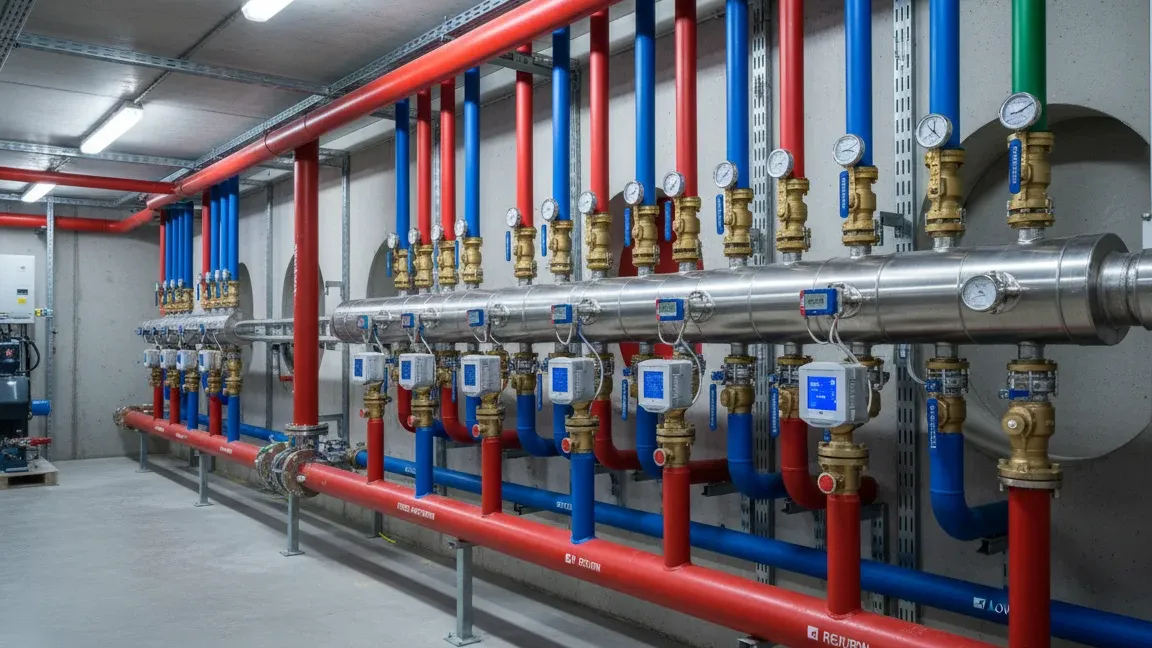
Modern heating systems demand precision, efficiency, and flexibility that traditional single-zone configurations simply cannot deliver effectively. Manifolds in multi-zone heating distribution have transformed how buildings manage thermal comfort, enabling room-by-room temperature control whilst significantly reducing energy consumption. For property owners, facility managers, and heating professionals, understanding manifold systems is essential to designing, installing, and maintaining high-performance heating installations that meet contemporary comfort and efficiency standards.
The shift toward multi-zone heating reflects broader changes in building design and occupant expectations. Where previous generations accepted uniform temperatures throughout properties, modern building users expect individualised comfort with minimal energy waste. Manifolds make this possible through elegant distribution of heated water to multiple independent circuits, each controlled according to specific zone requirements.
What Are Manifolds and Why Do They Matter?
The Core Function of Heating Manifolds
A heating manifold serves as the central distribution hub where a single flow from a heat source splits into multiple independent circuits, each serving a different zone or area within a building. This seemingly simple component revolutionises heating system design by allowing simultaneous but independent temperature control across numerous spaces without interference between zones.
Traditional heating systems connect radiators or heating elements in series or simple parallel configurations, meaning the entire system operates as a single unit responding to one thermostat. Manifolds in multi-zone configurations change this fundamentally - each circuit connected to the manifold operates independently with its own flow control, temperature regulation, and on/off capability based on individual zone requirements.
The technical advantages prove substantial for both comfort and efficiency. Central heating pumps connected to manifold systems can operate more efficiently because the system maintains better hydraulic balance. Rather than forcing flow through all circuits regardless of heating demand, manifolds enable selective operation - only the zones requiring heat receive flow, reducing pump energy consumption and improving overall system efficiency.
For underfloor heating installations, manifolds are practically essential for proper operation. Underfloor circuits require precise flow rates - too much flow prevents proper heat transfer to the floor surface, whilst insufficient flow causes uneven temperatures and cold spots. Manifolds equipped with flow meters allow installers to set exact flow rates for each circuit, ensuring consistent performance across all zones.
Multi-Zone Heating Distribution Explained
Multi-zone heating distribution refers to systems where different areas maintain different temperatures simultaneously according to individual requirements and occupancy patterns. A bedroom might be set to 18°C whilst the living room maintains 21°C, and an unused guest room remains unheated entirely - all controlled automatically through programmable thermostats connected to the manifold's zone valves.
The energy implications prove significant for building operating costs. Research from the Energy Saving Trust indicates that heating unused spaces accounts for approximately 30% of typical household heating consumption. Multi-zone systems eliminate this waste by heating only occupied areas during times they're actually used, delivering measurable savings that compound over years of operation.
Comfort improvements are equally important for occupant satisfaction. Different occupants have different temperature preferences, and different activities require different ambient temperatures for optimal comfort. Multi-zone systems accommodate these variations without compromise - family members can set their preferred bedroom temperatures whilst shared spaces maintain comfortable levels for group activities.
Modern manifold systems integrate seamlessly with smart controls and building management systems for sophisticated operation. Thermostatic actuators mounted on manifold zone valves respond to signals from room thermostats, opening and closing circuits based on actual temperature demand. Advanced systems incorporate weather compensation, occupancy detection, and scheduling to optimise performance further.
Types of Manifolds and Their Applications
Underfloor Heating Manifolds
Underfloor heating manifolds feature specific design characteristics that distinguish them from other manifold types. Most incorporate integral flow meters - transparent columns with floating indicators showing the precise flow rate through each circuit in litres per minute. This visual feedback proves invaluable during commissioning and subsequent system balancing throughout the installation's service life.
Each circuit typically connects through an adjustable valve allowing precise flow regulation to match design requirements. The manifold body itself contains separate flow and return rails - heated water enters through the flow rail, distributes to individual circuits, and returns through the return rail back to the heat source after transferring heat to the floor.
Materials vary based on application and budget considerations. Brass manifolds offer excellent durability and thermal performance, making them the standard choice for most installations. Stainless steel manifolds provide superior corrosion resistance in aggressive water conditions or where longevity is paramount. Polymer manifolds suit specific applications where weight, cost, or non-metallic construction provides advantages.
Typical pressure and temperature ratings for residential underfloor manifolds are 6 bar and 80°C, though commercial specifications may require higher ratings for demanding applications. National Pumps and Boilers supplies manifolds across the full specification range, from compact 2-circuit units for small extensions to 12-circuit configurations for whole-house installations.
Radiator Circuit Manifolds
Radiator circuit manifolds differ from underfloor variants primarily in their pressure handling and valve configurations. Radiator systems typically operate at higher temperatures and pressures than underfloor circuits, requiring manifolds rated accordingly - commonly 10 bar and 110°C to accommodate system demands.
Flow meters are less common on radiator manifolds because radiator circuits naturally balance themselves to some degree through their thermostatic radiator valves. However, balancing valves on the manifold allow fine-tuning of flow distribution, ensuring all radiators receive adequate flow regardless of their distance from the heat source or position in the system.
These manifolds excel in retrofit applications where existing radiator systems need zone control added without complete system replacement. Installing a manifold allows the existing radiator circuits to be divided into zones - perhaps separating ground floor from first floor, or creating day and night zones - with minimal disruption to the existing pipework.
Integration with existing central heating systems requires careful consideration of pump capacity and system pressure. Adding zone control increases system resistance, potentially requiring pump upgrades to maintain adequate flow across all circuits during peak demand periods.
Commercial and Industrial Manifolds
Commercial installations demand robust manifolds capable of handling multiple circuits with higher flow rates and pressures than domestic applications. Heavy-duty manifolds for commercial applications typically accommodate 8-12 or more zones, with some modular systems expandable to 20+ circuits for large buildings.
Construction quality reflects the demanding service conditions in commercial environments. Commercial manifolds use thicker-walled brass or stainless steel, reinforced connection points, and industrial-grade valves and actuators rated for continuous operation over decades of service.
Integration with building management systems (BMS) is standard in commercial settings for centralised control. Manifold actuators connect to the BMS through standard protocols, allowing centralised monitoring and control of all heating zones throughout the facility. This integration enables sophisticated control strategies like optimum start/stop, load shedding, and performance monitoring.
Leading manufacturers like Grundfos and Wilo produce commercial-grade manifolds and associated components engineered for demanding applications where reliability and performance are non-negotiable requirements.
Key Components of Manifold Systems
Flow Meters and Zone Valves
Flow meters transform manifold systems from simple distribution points into precision-controlled heating networks. Each flow meter displays real-time flow rate through its circuit, enabling accurate balancing during commissioning and providing ongoing diagnostic information during operation.
Achieving proper balance requires adjusting each circuit's valve until all circuits display their design flow rates simultaneously. This ensures even heat distribution across all zones and prevents short-cycling of the heat source caused by excessive flow through low-resistance circuits that satisfy quickly.
Zone valves control flow to individual circuits based on temperature demand from room thermostats. Several actuator types serve this function, each with distinct characteristics suited to different applications. Thermostatic actuators contain a wax element that expands when heated, mechanically closing the valve without electrical connection. Electrothermal actuators use electrical resistance heating for faster response. Motorised actuators use small electric motors for rapid response and precise control in demanding applications.
Integration with room thermostats completes the control loop for each zone. When room temperature falls below setpoint, the thermostat energises the appropriate actuator, opening the valve and allowing flow to that zone. When temperature reaches setpoint, the actuator closes, stopping flow and conserving energy until demand returns.
Isolation and Drain Valves
Service valves on manifolds enable maintenance without draining the entire heating system. Ball valves on both flow and return connections to each circuit allow individual circuits to be isolated for repairs or modifications whilst the rest of the system continues operating normally.
Drain points at low points in the manifold assembly facilitate complete drainage during maintenance procedures. Proper drain valve positioning ensures all water can be removed, preventing freeze damage in vulnerable locations and enabling thorough system flushing when required.
Automatic air vents at high points in the manifold remove trapped air that would otherwise cause circulation problems and noise. Air naturally separates from water at low-velocity points like manifolds, making these vents essential for reliable operation throughout the heating season.
Pump valves and pressure test points allow verification of system integrity during commissioning and after repairs. Connection of a test gauge enables pressure testing to specified levels, confirming all joints and connections are sound before filling and operating the system.
Insulation and Protection
Manifold insulation prevents heat loss from the distribution point and reduces the risk of condensation in cool environments. Pre-formed foam insulation jackets slip over the manifold assembly, providing thermal protection whilst maintaining access to adjustment points and indicators.
Protective cabinets serve multiple purposes in manifold installations beyond simple concealment. They provide thermal insulation, protect components from physical damage, and prevent unauthorised adjustment of settings that could compromise system performance. Cabinet sizing must allow adequate space for actuators, connections, and future maintenance access.
Expansion vessels connected near manifolds accommodate pressure variations as zones open and close during normal operation. Proper vessel sizing and positioning ensures stable system pressure regardless of how many zones operate simultaneously.
Selecting the Right Manifold Configuration
Calculating Circuit Requirements
Determining the appropriate number of manifold circuits begins with identifying distinct heating zones within the building. Each area requiring independent temperature control needs its own circuit connection. Typical residential configurations include separate zones for ground floor living areas, ground floor bedrooms, first floor bedrooms, and bathrooms.
Flow rate calculations for each circuit depend on the heat requirement and temperature differential across the circuit. Underfloor heating circuits typically require 1-3 litres per minute depending on circuit length and heat output. Radiator circuits require higher flow rates, typically 5-15 litres per minute per circuit depending on the total radiator output served.
Pressure drop across the manifold affects pump sizing for the overall system. Manufacturers publish pressure drop data for their manifolds at various flow rates. Total system pressure drop includes the manifold, pipework, and heat emitters, determining the required pump pressure capability.
Future expansion planning is prudent in manifold selection for new installations. Specifying a manifold with 1-2 additional unused circuits adds minimal cost during initial installation but provides valuable flexibility for future additions without replacing the entire manifold assembly.
Material and Quality Considerations
Brass remains the standard manifold material for most applications, offering excellent durability, corrosion resistance, and thermal performance at reasonable cost. Quality brass manifolds use dezincification-resistant alloys that maintain integrity in aggressive water conditions over decades of service.
Lowara and other quality manufacturers provide manifold components designed for demanding applications. These products meet stringent quality standards and carry comprehensive warranties that protect installer and building owner investments.
Quality indicators include wall thickness, connection thread quality, valve operating smoothness, and flow meter precision. Reputable manufacturers provide technical specifications, pressure testing certification, and comprehensive warranties reflecting confidence in their products.
Installation Best Practices
Location and Positioning
Central manifold positioning minimises total pipe run length, reducing installation cost, heat loss, and pressure drop throughout the system. In residential installations, manifolds often locate in airing cupboards, under stairs, or in utility rooms where they're accessible but unobtrusive.
Accessibility for maintenance and adjustment is crucial for long-term system performance. Manifolds require periodic inspection, flow balancing, actuator replacement, and control adjustments throughout their service life. Locations requiring ladder access or moving stored items create maintenance barriers that often result in neglected systems and degraded performance.
Height positioning affects air elimination effectiveness throughout the system. Mounting manifolds at high points in the system allows trapped air to naturally migrate to the automatic air vents. This positioning simplifies commissioning and reduces ongoing air problems that would otherwise require manual intervention.
Protection from freezing in vulnerable locations requires careful consideration during installation planning. Manifolds in unheated spaces need adequate insulation and potentially frost protection to prevent damage during cold weather. DHW pumps and other components in similar locations require the same protection.
Connection and Commissioning
Proper pipe connection techniques ensure leak-free operation throughout the system's service life. Compression fittings, push-fit connections, or threaded joints must be made according to manufacturer instructions using appropriate tools and materials.
System flushing before manifold connection removes debris that could block flow meters or damage valve seats. Thorough flushing using appropriate cleaning chemicals ensures the manifold receives clean water that won't cause operational problems.
Pressure testing procedures verify installation integrity before commissioning proceeds. Test pressure typically exceeds operating pressure by 50%, held for a minimum duration to identify any defects. This testing identifies problems before they cause operational failures.
Flow balancing across all circuits requires systematic adjustment of individual circuit valves whilst monitoring flow meters. The goal is achieving design flow rates in all circuits simultaneously, ensuring even heat distribution throughout the building.
Maintenance and Troubleshooting
Routine Maintenance Tasks
Annual inspection of actuators and valves confirms continued proper operation before each heating season. Actuators should operate smoothly when energised, fully opening and closing their respective valves. Sticky or slow actuators indicate impending failure requiring replacement.
Flow meter verification confirms that indicated flow rates match actual system performance. Debris accumulation can affect float position, causing inaccurate readings that compromise system balance. Cleaning or replacement restores accurate indication.
Air vent checking and bleeding procedures ensure trapped air doesn't accumulate and cause circulation problems. Automatic vents should be checked for proper operation, with manual bleeding performed if automatic vents fail to eliminate all air.
Leak inspection at all connection points identifies problems before they cause water damage. Visual inspection during system operation reveals active leaks, whilst pressure testing identifies slower leaks that might not be immediately visible.
Common Problems and Solutions
Uneven heating between zones often results from improper flow balancing or failed actuators. Systematic checking of flow rates and actuator operation identifies the cause. Rebalancing or component replacement restores even heat distribution.
Actuator failures represent the most common manifold maintenance requirement over time. Replacement is straightforward with proper isolation, requiring only basic tools and modest time investment. Keeping spare actuators available prevents extended periods without zone control.
Vaillant boilers and other modern heat sources integrate well with manifold systems when properly configured. Control system programming must account for manifold zone operation to prevent short-cycling and ensure efficient operation.
Air locks causing circulation problems typically indicate inadequate air elimination during commissioning or air ingress through a system defect. Systematic bleeding and investigation of potential air entry points resolves most issues.
Conclusion
Manifolds in multi-zone heating distribution represent essential technology for modern heating systems that demand both comfort and efficiency. Their ability to divide single heat sources into multiple independently controlled zones transforms how buildings manage thermal comfort whilst significantly reducing energy consumption.
Proper manifold selection, installation, and maintenance ensures these systems deliver their full potential over decades of service. Quality components from reputable manufacturers, installed by qualified professionals following best practices, provide reliable zone control that meets contemporary expectations for comfort and efficiency.
For expert guidance on manifold selection and multi-zone system design, Contact Us to discuss specific requirements. Professional assessment ensures manifold systems match building needs whilst delivering maximum value through improved comfort and reduced energy consumption.