

Understanding Pipework Expansion and Contraction in Commercial Heating Systems
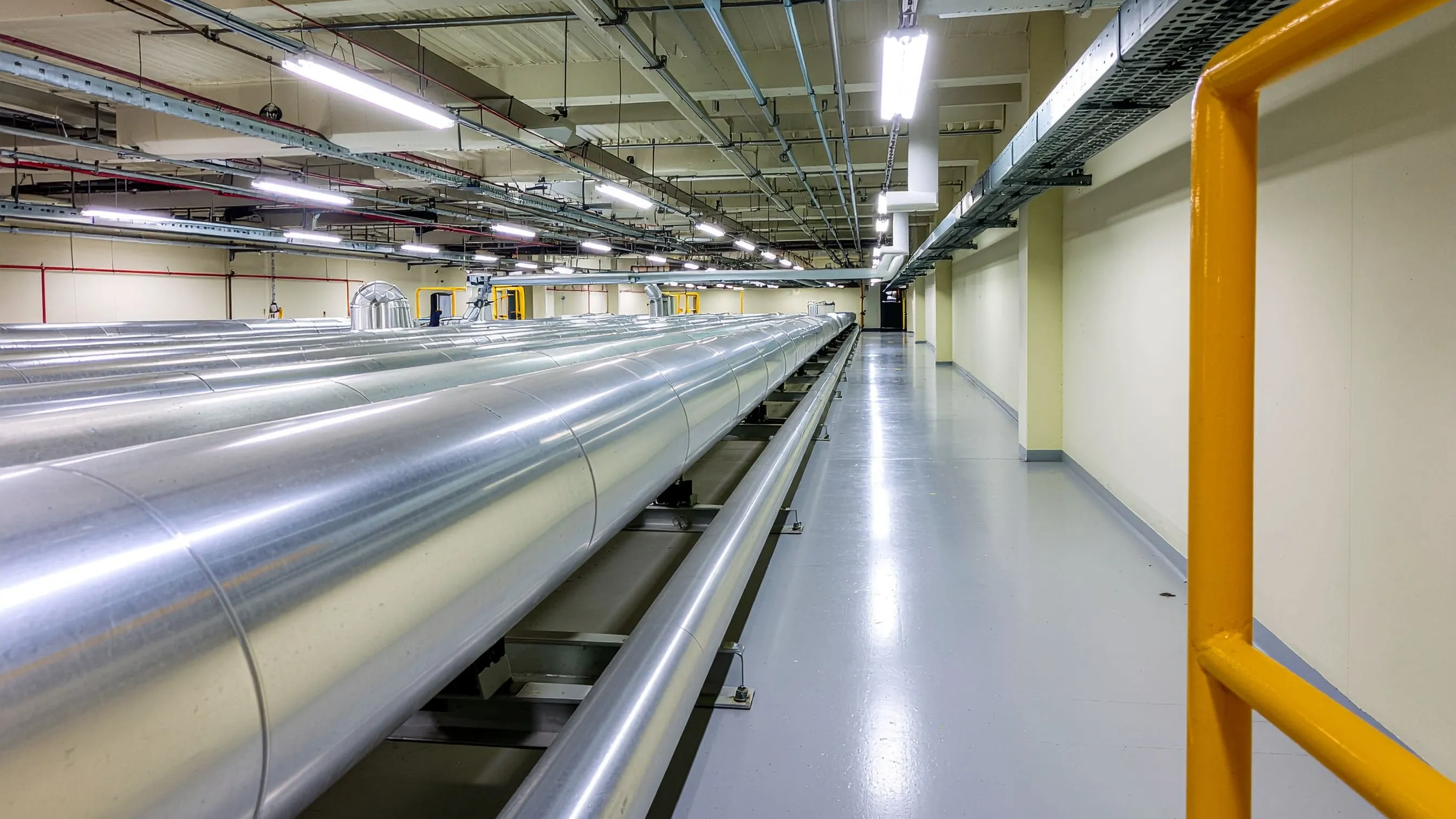
Commercial heating networks operate under extreme temperature variations. When you pump boiling water through a cold steel network, the metal physically grows. Understanding commercial pipework expansion contraction is absolutely vital for any facility manager overseeing a large building. If you ignore this fundamental thermodynamic reality, the shifting metal will literally rip your expensive plant room apart. Managing these immense thermal forces protects your delicate mechanical infrastructure from catastrophic failure. Upgrading your heating plant is useless if the pipes subsequently buckle under their own physical weight.
The Physics of Thermal Movement
Heat causes the molecular structure of steel and copper to vibrate aggressively and push outward. Across a massive commercial pipe run, this physical growth generates massive linear pipework stress. This stress is not a minor shift; it is a relentless, crushing force. It can easily snap thick threaded joints or tear heavy steel support brackets straight out of solid concrete walls.
National Pumps and Boilers regularly advises clients to calculate these shifting forces meticulously before commissioning any new heating circuit. A proactive engineering approach handles commercial pipework expansion contraction safely and effectively. You must treat the pipework as a dynamic, moving entity rather than a static structure.
Calculating Axial Movement
Engineers must calculate the exact amount of axial thermal expansion expected on every single long straight pipe run. This calculation relies on the specific material's coefficient of expansion and the maximum temperature differential. You must account for the exact pipe material because copper expands roughly one and a half times more than carbon steel.
A hundred-metre steel header heated from ten degrees to eighty degrees Celsius will physically expand by over eighty millimetres. If that pipe is bolted rigidly at both ends without any relief, the resulting axial thermal expansion will buckle the thick steel violently. You must calculate this growth accurately to protect delicate pump isolation valves from snapping under the immense pressure. Understanding the maximum operating temperature dictates exactly how much the metal will grow.
Directing Movement with Anchors
You cannot stop metal from expanding, but you can force it to move in a safe, predictable direction. Engineers divide long pipe runs into smaller, manageable, isolated zones using heavy steel anchor points. These anchors are welded securely to structural building columns, forcing the pipe expansion to occur strictly between them.
Between these rigid anchors, you must install a sliding pipe anchor guide to keep the moving pipe perfectly straight. This sliding pipe anchor guide prevents the hot metal from bowing outward or buckling laterally as it pushes forward. It ensures the thermal growth travels safely towards the designated relief points without destroying adjacent heating system components. Engineers strictly follow the 4D and 14D alignment rule. The first guide sits exactly four pipe diameters from the joint, and the second sits fourteen diameters away.
Absorbing Force with Expansion Joints
Once you direct the movement using guides, you must successfully absorb the physical growth. Engineers must specify the exact compensator for the directional stress. An axial joint compresses in a straight line, while a heavy-duty articulated pipe expansion joint bends to absorb lateral sideways movement. This specialised mechanical fitting acts like a flexible accordion, compressing safely as the pipe pushes into it.
Using a properly rated articulated pipe expansion joint stops the growing steel from transferring its destructive force into the main boilers or structural walls. If you operate a large remeha low loss header, absorbing this force prevents the massive header flanges from cracking. During installation, engineers often use a technique called "cold draw." They stretch the joint slightly when cold so it has maximum capacity to absorb the heat expansion later.
Protecting Heavy Plant Equipment
Your primary heat generation plant is incredibly heavy, but the connection flanges are highly vulnerable to lateral stress. If an expanding pipe pushes laterally against a boiler casing or a circulating pump flange, it will shear the brass fittings clean off. Even a few millimetres of unchecked movement can destroy a fragile cast-iron volute.
For example, if a shunt pump sits at the end of a long pipe run, you must use flexible stainless steel bellows to decouple it completely. These rubber or steel bellows absorb the residual linear pipework stress before it can damage the delicate pump casing. Total physical decoupling is a mandatory requirement for any high-temperature commercial installation.
Consequences of Ignored Stresses
Ignoring thermal movement completely ruins expensive mechanical upgrades. A facilities manager at a regional shopping centre recently installed a massive grundfos pressure pump on an ancient heating loop. The new contractors rigidly clamped the new pipework to the floor without any expansion provision or flexible bellows.
When the intense winter heating season started, the massive commercial pipework expansion contraction actually pushed the heavy pump three inches off its concrete plinth, shattering the main casing instantly. This disastrous scenario proves that addressing axial thermal expansion is never an optional step. Replacing a flooded plant room is always vastly more expensive than installing proper guides and anchors.
Natural Flexibility and Offsets
Sometimes, you don't need expensive mechanical joints if the physical pipe routing naturally absorbs the movement. Engineers strategically use expansion loops and natural directional changes to absorb the growth safely. Changing the direction of the pipe creates a flexible leg that bends slightly under pressure.
Think of natural pipe flexibility like the suspension springs on a mountain bike. The springs compress over harsh rocks so the rider doesn't feel the violent shock. An expansion loop does the exact same thing for a heavy building services circulator. It absorbs the linear pipework stress smoothly, allowing the system to breathe without fracturing the rigid connections.
Maintenance and Visual Inspections
Expansion joints and anchors are not fit-and-forget components. They experience severe mechanical fatigue over decades of continuous operation. The stainless steel bellows inside an articulated pipe expansion joint will eventually work-harden and develop microscopic stress fractures.
Facility managers must implement strict annual visual inspections. You must check every sliding pipe anchor guide for signs of binding, rust, or physical damage. If a guide rusts solid, the pipe cannot slide, and it will buckle. Maintaining these movement pathways ensures your commercial pipework expansion contraction remains perfectly controlled throughout the entire lifespan of the building.
Conclusion
Managing thermal dynamics is a highly specialised, non-negotiable engineering requirement for any modern facility. By implementing proper anchor points, calculating your maximum temperature differentials, and utilising natural offsets, you protect your mechanical assets completely.
Uncontrolled axial thermal expansion will silently destroy your plant room, so you must always calculate these forces accurately before turning the boilers on. If you need professional guidance on isolating your pumping infrastructure from thermal stress, Ask About This Product by speaking directly with our commercial M&E specialists today.