

Understanding Pump Efficiency Ratings: What EEI Numbers Mean for Your Bills
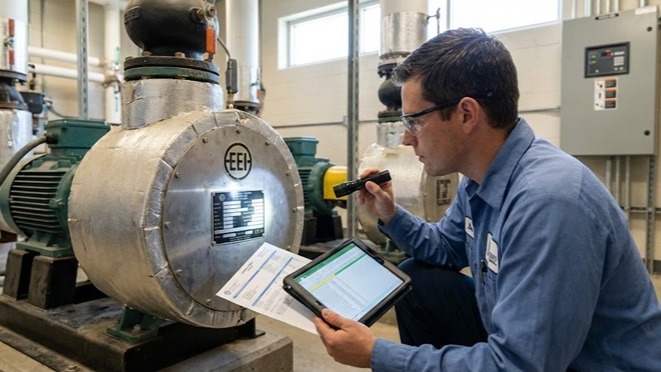
Energy efficiency has become a defining factor in commercial heating and plumbing system design. With rising energy costs and stricter Building Regulations Part L requirements, facilities managers and heating engineers now scrutinise every component's power consumption. Central heating pumps and circulators, which run continuously in most systems, represent a significant portion of operational costs - yet many professionals still struggle to interpret the pump efficiency ratings EEI numbers that define modern pump performance.
The EEI pump index classification system, mandated by European ErP (Energy-related Products) Directive 2009/125/EC and retained in UK law post-Brexit, provides a standardised method for comparing pump efficiency. A pump rated at EEI ≤0.20 consumes substantially less electricity than one rated at EEI 0.27, but the financial implications extend far beyond simple percentage differences. Understanding pump efficiency ratings EEI allows specifiers to calculate lifecycle costs accurately, predict energy savings, and justify higher upfront investment in premium equipment.
National Pumps and Boilers supplies a comprehensive range of ErP-compliant commercial circulators from manufacturers including Grundfos pumps, Wilo range, and DAB pumps, each offering different EEI ratings suited to specific applications. This technical guide explains how pump efficiency ratings translate into operational costs, what factors influence EEI values, and how to select equipment that optimises both performance and running expenses.
What the Energy Efficiency Index Actually Measures
The EEI pump index quantifies a pump's electrical power consumption relative to a reference benchmark. The calculation compares actual power input (measured in watts) against a theoretical reference value based on the pump's hydraulic performance - specifically its flow rate and head pressure requirements.
A pump with an EEI of 0.20 consumes 20% of the reference power consumption. Lower numbers indicate better efficiency. The calculation accounts for the pump's entire operating range, not just a single duty point, which provides a more realistic assessment of real-world performance across varying system demands.
The ErP Directive established maximum EEI thresholds that all circulators must meet:
EEI ≤0.23 - Minimum requirement since August 2015 for most standalone circulators
EEI ≤0.20 - Required for products placed on the market after January 2020
These thresholds effectively eliminated inefficient fixed-speed pumps from the market. Modern variable-speed circulators with permanent magnet motors now dominate commercial and domestic installations, delivering EEI values between 0.15 and 0.23 depending on size and application.
The EEI calculation incorporates several technical parameters:
Hydraulic Power Output: The useful work performed moving water through the system, calculated as flow rate (m³/h) multiplied by head pressure (metres) and fluid density.
Electrical Power Input: Total power drawn from the mains supply, including motor losses, controller consumption, and auxiliary components.
Load Profile Weighting: The calculation applies different weightings to performance at 25%, 50%, 75%, and 100% of maximum flow, reflecting typical operational patterns in heating systems.
Part-Load Performance: Modern variable-speed pumps excel at part-load operation, where they spend most operational hours. The EEI pump index methodology rewards pumps that maintain high efficiency when delivering reduced flow rates.
This comprehensive assessment means pump efficiency ratings EEI provide a more accurate efficiency picture than simple motor efficiency percentages, which ignore controller losses and part-load performance degradation.
How EEI Numbers Translate Into Annual Operating Costs
The financial impact of EEI ratings becomes clear when calculating annual electricity consumption. A typical central heating pump in a commercial building operates approximately 4,000-6,000 hours annually, depending on system design and climate conditions.
Real-World Cost Comparison: 200kW Heating System
Consider a medium-duty circulator serving a 200kW heating system:
Standard Efficiency Pump (EEI 0.23) Average power consumption: 85 watts Annual runtime: 5,000 hours Total consumption: 425 kWh/year Annual cost at £0.28/kWh: £119
Mid-Range Efficiency Pump (EEI 0.20) Average power consumption: 68 watts Annual runtime: 5,000 hours Total consumption: 340 kWh/year Annual cost at £0.28/kWh: £95
Premium Efficiency Pump (EEI 0.17) Average power consumption: 52 watts Annual runtime: 5,000 hours Total consumption: 260 kWh/year Annual cost at £0.28/kWh: £73
The difference between minimum compliance (EEI 0.23) and premium efficiency (EEI 0.17) represents £46 annual savings per pump - a 39% reduction in operating costs. For facilities with multiple pumps, these savings multiply significantly.
Multiple Pump Installations: Cumulative Savings
A commercial office building with six heating zone pumps and two DHW pumps could save £368 annually by specifying EEI 0.17 equipment instead of EEI 0.23 alternatives. Over a 15-year pump lifecycle, this totals £5,520 in reduced electricity costs, often exceeding the initial price premium for higher-efficiency models.
Factors That Influence Real-World Pump Efficiency
While pump efficiency ratings EEI provide standardised comparison, actual efficiency in installed systems depends on several operational factors that designers and installers must address.
System Sizing and Duty Point Selection
Pumps operate most efficiently near their design duty point - the combination of flow rate and head pressure for which they were engineered. Oversised pumps running at reduced speed waste energy, whilst undersised pumps running continuously at maximum output sacrifice efficiency and reliability.
Accurate system calculations determine required flow rates (typically 0.043 litres/second per kW for heating systems with 11°C temperature differential) and head losses through pipework, fittings, valves, and heat emitters. Selecting a pump whose best efficiency point aligns with these calculated values ensures optimal performance.
Variable-Speed Control Implementation
Modern circulators with permanent magnet motors and integrated variable-speed drives adjust output to match system demand. Three control modes affect efficiency differently:
Constant Pressure Mode: Maintains fixed differential pressure regardless of flow rate. Suitable for systems with thermostatic radiator valves or zone valves that create variable flow conditions.
Proportional Pressure Mode: Reduces differential pressure as flow decreases, following a curve that matches typical system resistance characteristics. Delivers better efficiency than constant pressure in most applications.
Constant Temperature Mode: Adjusts pump speed to maintain target supply or return temperatures. Requires temperature sensors but optimises system efficiency by coordinating pump operation with boiler output.
Proportional pressure control typically delivers 20-30% additional energy savings compared to constant pressure operation in systems with significant flow variation.
Pipe Sizing and System Resistance
Undersised pipework increases system resistance, forcing pumps to work harder and consume more power. British Standard BS EN 12828 recommends maximum flow velocities of 1.0-1.5 m/s in heating systems to balance pump energy consumption against pipe material costs.
A system designed with 25mm pipework where 32mm would be appropriate might increase head losses by 40%, requiring a larger pump running at higher speed - negating the efficiency benefits of premium EEI ratings.
Water Quality and Maintenance
Magnetite accumulation, scale formation, and debris in heating systems increase resistance over time, forcing pumps to consume additional power. Regular system flushing, magnetic filtration, and chemical treatment maintain design efficiency levels throughout the pump's operational life.
Comparing EEI Ratings Across Different Pump Types
The EEI pump index classification applies to various circulator types, but performance characteristics differ based on application and design.
Domestic Heating Circulators (15-25W)
Small circulators for residential systems typically achieve EEI values between 0.15-0.20. Premium models from manufacturers like Grundfos Alpha and Wilo Yonos PICO incorporate advanced permanent magnet technology and sophisticated control algorithms.
These pumps automatically adjust to system conditions using AutoAdapt functions that learn resistance patterns and optimise speed settings. Annual consumption often falls below 50 kWh, costing £10-15 per year to operate.
Commercial Heating Circulators (50-200W)
Medium-duty pumps serving commercial buildings, multi-residential developments, and industrial facilities offer EEI ratings from 0.17-0.23. The Wilo range includes Stratos models specifically engineered for commercial applications, combining high efficiency with robust construction.
These circulators handle higher flow rates (up to 120 m³/h) and greater head pressures (up to 16 metres) whilst maintaining efficiency across broad operating ranges. Variable-speed control becomes particularly valuable in commercial systems where load profiles vary significantly between occupied and unoccupied periods.
Twin-Head and Duty/Standby Configurations
Systems requiring redundancy use twin-head pumps or duty/standby arrangements. Modern twin-head circulators can operate both impellers simultaneously during peak demand or alternate between them for extended service life.
EEI ratings for twin-head pumps reflect efficiency when both heads operate. During single-head operation, actual efficiency improves as only one motor consumes power. Intelligent controllers switch between heads based on runtime hours, ensuring balanced wear and maintained efficiency.
Regulatory Requirements and Building Compliance
UK Building Regulations Part L (Conservation of Fuel and Power) establishes minimum efficiency standards for heating system components, including circulators. The 2021 edition references ErP requirements and mandates that all new and replacement pumps meet EEI thresholds.
Building Regulations Part L: New and Existing Buildings
Part L1A (New Dwellings): Requires all circulators to achieve EEI ≤0.20, with SAP (Standard Assessment Procedure) calculations accounting for pump power consumption in overall dwelling energy ratings.
Part L2A (New Buildings Other Than Dwellings): Specifies EEI ≤0.20 for circulators in HVAC systems, with SBEM (Simplified Building Energy Model) calculations including pump energy in compliance assessments.
Part L1B and L2B (Existing Buildings): Pump replacements must meet current ErP standards. Installing non-compliant equipment violates Building Regulations and may result in failed inspections.
BREEAM and Energy Performance Standards
Beyond regulatory compliance, specifying high-efficiency pumps contributes to BREEAM (Building Research Establishment Environmental Assessment Method) credits under the Energy category. Projects targeting BREEAM Excellent or Outstanding ratings benefit from demonstrating pump selections that exceed minimum standards.
Climate Change Levy and ESOS Requirements
The Climate Change Levy (CCL) and associated energy reporting requirements for large organisations create additional incentives for efficiency improvements. Facilities consuming over 40,000 kWh annually must participate in ESOS (Energy Savings Opportunity Scheme) assessments, where pump efficiency upgrades often feature prominently in recommended measures.
Calculating Payback Periods for Premium Efficiency Pumps
Investment decisions require comparing upfront costs against operational savings. Premium efficiency pumps typically cost £50-150 more than minimum-compliance alternatives, but energy savings often justify the premium within 2-4 years.
Worked Example: 15-Year Lifecycle Analysis
Standard Efficiency (EEI 0.23) Purchase price: £320 Annual energy cost: £119 15-year lifecycle cost: £2,105
Premium Efficiency (EEI 0.17) Purchase price: £420 Annual energy cost: £73 15-year lifecycle cost: £1,515
Total lifecycle savings: £590 Simple payback period: 2.2 years
This calculation uses current electricity prices (£0.28/kWh). Energy costs have increased 68% since 2020, and future rises will accelerate payback periods for efficiency investments.
Beyond Direct Energy Savings
The calculation should also account for:
Maintenance Costs: Premium pumps with better bearings and sealed motors often require less frequent service, reducing maintenance expenses.
Replacement Frequency: Higher-quality construction extends operational life, potentially reaching 20+ years versus 12-15 years for budget alternatives.
System Optimisation: Premium pumps with advanced control features may enable broader system efficiency improvements beyond direct pump energy savings.
Selecting the Right EEI Rating for Specific Applications
Not every application requires the lowest possible EEI rating. Selection should balance efficiency, performance requirements, and budget constraints.
Application-Specific Selection Criteria
Continuous Operation Systems: Applications with year-round operation (hospitals, data centres, industrial processes) benefit most from premium efficiency ratings. Extended runtime hours accelerate payback and maximise lifecycle savings.
Seasonal Heating Systems: Office buildings and schools with heating-only operation (September-May) accumulate fewer annual hours. Mid-range EEI ratings (0.20-0.21) often provide optimal value.
Low-Load Applications: Undersised systems or those with minimal head losses may not fully utilise high-efficiency pumps' capabilities. Standard efficiency models suffice when annual consumption remains below 200 kWh.
Budget Constraints: When capital budgets limit options, prioritise efficiency for pumps with highest runtime hours. A primary heating circulator running 6,000 hours annually deserves premium efficiency; a backup pump operating 200 hours can use standard equipment.
For technical guidance on pump selection for specific projects, heating engineers and contractors can contact us for application-specific recommendations.
Beyond EEI: Additional Efficiency Considerations
Whilst EEI ratings provide valuable comparison metrics, comprehensive efficiency assessment considers broader system factors.
Hydraulic and Motor Performance
Hydraulic Efficiency: The pump's ability to convert electrical power into useful hydraulic work. Premium circulators achieve hydraulic efficiencies above 50%, whilst budget models may deliver only 30-35%.
Motor Technology: Permanent magnet motors (used in high-efficiency circulators) maintain consistent performance across speed ranges. Older induction motors lose efficiency at reduced speeds, negating benefits of variable-speed control.
Control Systems and Integration
Controller Losses: Electronic variable-speed drives consume power for control functions. Premium controllers minimise standby consumption, typically drawing less than 3 watts when the pump idles.
System Integration: Pumps that communicate via BACnet, Modbus, or other building management protocols enable coordinated control strategies that optimise entire HVAC systems. A slightly less efficient pump with superior control capabilities may deliver better overall system performance.
Thermal Considerations
Thermal Losses: Heat generated by pump inefficiency enters the water stream. In heating systems, this represents useful heat, but in chilled water applications, it increases cooling loads and compounds energy waste.
The Future of Pump Efficiency Standards
Regulatory trends indicate continued tightening of efficiency requirements. The European Commission's 2022 review of ErP Lot 11 (circulators) proposed further reductions in maximum EEI thresholds, potentially reaching 0.18 by 2027.
Anticipating Future Regulations
UK regulations typically align with European standards despite Brexit, as manufacturers design products for pan-European markets. Specifiers should anticipate that today's premium efficiency ratings (EEI 0.17) will become tomorrow's minimum compliance standards.
Emerging Efficiency Technologies
Emerging technologies promise additional efficiency gains:
Intelligent Load Prediction: Machine learning algorithms that analyse historical patterns and predict future demand, pre-emptively adjusting pump speed to minimise energy waste.
Integrated System Optimisation: Pumps that coordinate with boilers, valves, and sensors to optimise entire system efficiency rather than individual component performance.
Advanced Materials: Ceramic bearings, improved impeller designs, and enhanced motor magnets that reduce friction losses and electrical resistance.
Facilities planning long-term equipment strategies should specify pumps that exceed current requirements, ensuring compliance with future regulations and maximising operational savings throughout extended service lives.
Conclusion
Pump efficiency ratings EEI directly impact operational costs, regulatory compliance, and environmental performance. The EEI pump index classification system provides standardised comparison metrics, but real-world savings depend on proper system design, accurate sizing, and appropriate application matching.
Specifying circulators with EEI ratings of 0.20 or lower delivers measurable financial benefits, typically achieving payback within 2-4 years whilst ensuring compliance with Building Regulations Part L. Premium efficiency pumps rated at EEI 0.17 or better suit continuous-operation applications where extended runtime hours maximise lifecycle savings.
Beyond individual pump selection, comprehensive efficiency requires attention to system resistance, control strategies, and maintenance practices. Oversised pumps, undersised pipework, and poor water quality undermine even the most efficient equipment's performance.
National Pumps and Boilers stocks a comprehensive range of ErP-compliant circulators from leading manufacturers, with technical specifications and energy consumption data available for all models. For assistance calculating system requirements, comparing efficiency ratings, or selecting optimal equipment for specific applications, contact our technical team to discuss project requirements with experienced pump specialists.