

Understanding Pump Motor Failures: Electrical vs. Mechanical Causes
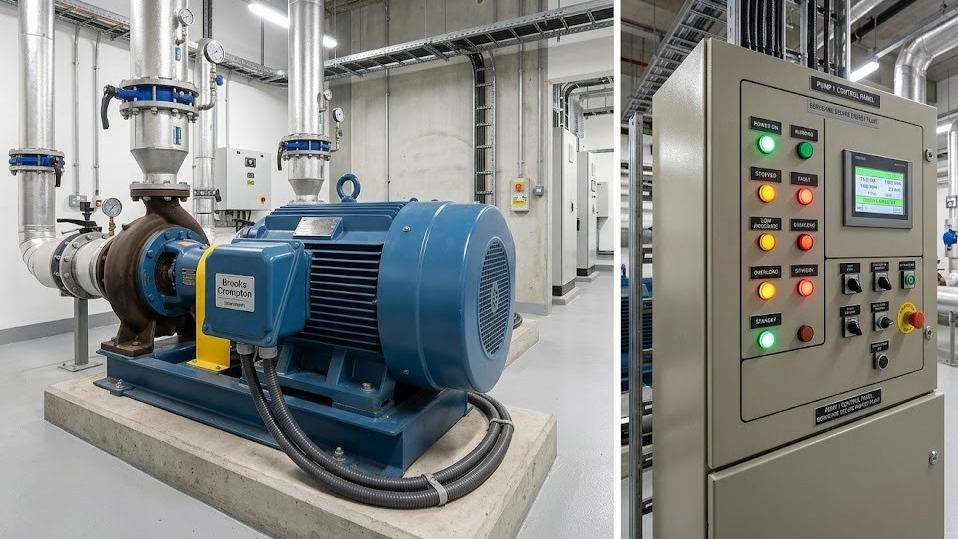
Pump motor failures cost UK facilities an average of £2,400 per incident in emergency repairs, replacement equipment, and system downtime. Yet 70% of these failures follow predictable patterns that heating engineers and maintenance teams can identify before complete motor burnout occurs.
The distinction between electrical and mechanical pump motor failure causes determines everything from diagnostic approach to replacement strategy. A motor that fails due to bearing wear requires different intervention than one damaged by voltage imbalance, yet both may present similar initial symptoms - unusual noise, reduced performance, or complete shutdown.
National Pumps and Boilers supplies commercial and domestic heating equipment across the UK mainland, supporting facilities managers and heating engineers with technical guidance on pump selection, maintenance, and failure prevention. Understanding the root cause of motor failures extends equipment lifespan and prevents costly emergency replacements.
The Financial Impact of Pump Motor Failures
Commercial central heating systems typically operate 4,000-6,000 hours annually. A single circulation pump failure in a multi-storey office building affects 200+ occupants, whilst industrial process systems may face production losses exceeding £15,000 per day during unplanned downtime.
Premature motor failures - those occurring before the expected 10-15 year service life - stem from identifiable causes:
- Electrical failures account for 55% of premature motor burnouts, typically resulting from power quality issues, incorrect wiring, or control system faults.
- Mechanical failures represent 35% of early motor failures, caused by bearing deterioration, shaft misalignment, or excessive vibration.
- Environmental factors contribute to the remaining 10%, including corrosion, contamination, or thermal stress from inadequate ventilation.
The distinction matters because electrical pump failures often damage windings beyond economical repair, whilst mechanical failures may allow motor refurbishment if caught early.
Electrical Causes of Pump Motor Failure
Voltage Imbalance and Phase Loss
Three-phase motors powering commercial Grundfos pumps and similar equipment experience accelerated deterioration when supply voltage varies more than 2% between phases. A 3.5% voltage imbalance increases motor temperature by 25%, reducing winding insulation life by half.
Single-phase loss - when one supply phase drops completely - forces the motor to draw 200-250% rated current through remaining windings. Motors may continue running under this condition for 15-45 minutes before thermal damage becomes irreversible.
Symptoms of voltage-related electrical pump failures:
- Audible hum or growl from motor casing
- Excessive heat generation (surface temperature exceeding 70°C)
- Reduced pump performance despite normal impeller rotation
- Circuit breaker trips under normal load conditions
- Burnt insulation odour near motor terminals
UK facilities experiencing frequent voltage fluctuations - particularly those in rural areas or near heavy industrial loads - benefit from voltage monitoring equipment that triggers shutdown before winding damage occurs.
Overload Conditions and Incorrect Sizing
Motors operating continuously above nameplate rating accumulate thermal stress that degrades winding insulation. A motor rated for 2.2kW but consistently drawing 2.6kW experiences insulation temperature 18-22°C above design limits, reducing expected service life from 15 years to 4-6 years.
Overload conditions in heating circulation pumps typically result from:
- System pressure exceeding pump design parameters
- Impeller diameter increased during retrofit without motor upgrade
- Viscosity changes in system fluid (glycol concentration, contamination)
- Blocked strainers forcing motor to work against excessive head pressure
- Control valve failures creating closed-loop conditions
The thermal overload protection built into most commercial pump motors provides shutdown at 115-125% of rated current, but this protection assumes proper ambient temperature and adequate ventilation. Motors installed in confined plant rooms with ambient temperatures exceeding 35°C may experience nuisance trips or, worse, fail to trip before winding damage occurs.
Electrical Transients and Power Surges
Lightning strikes within 500 metres of a facility can induce voltage spikes exceeding 1,000V on incoming power lines. Even without direct strikes, switching large inductive loads - lift motors, air handling units, or transformer banks - creates transients that stress motor winding insulation.
Cumulative transient damage rarely causes immediate motor failure. Instead, repeated voltage spikes create microscopic insulation cracks that expand over months until turn-to-turn shorts develop within the windings. This progressive deterioration explains why motors sometimes fail without obvious external cause - the damage accumulated over 18-24 months of normal operation.
Modern variable frequency drives (VFDs) controlling Wilo pumps and other commercial equipment offer transient protection, but older installations with across-the-line starters remain vulnerable without supplementary surge protection devices.
Moisture and Contamination
Electrical pump failures don't always originate in the power supply. Moisture ingress through damaged cable glands or condensation in poorly ventilated motor housings creates conductive paths between windings and the motor frame. The resulting earth leakage current may be insufficient to trip protective devices but adequate to cause gradual insulation deterioration.
Plant rooms housing DHW pumps with inadequate ventilation experience condensation during heating system shutdown periods. Water droplets forming on motor terminal boxes create tracking paths that carbonise insulation materials, eventually leading to phase-to-earth faults.
Chemical contamination presents similar risks. Chlorine from swimming pool environments, glycol vapours from leaking system connections, or cleaning chemical overspray all attack motor winding insulation. The damage remains invisible until insulation resistance testing reveals deterioration or catastrophic failure occurs.
Mechanical Causes of Pump Motor Failure
Bearing Deterioration and Lubrication Failure
Ball bearings in circulation pump motors typically require regreasing every 8,000-10,000 operating hours - approximately every 18 months for continuously running systems. Facilities that neglect this maintenance schedule experience bearing failures that progress through identifiable stages:
Stage 1 (Months 18-24): Increased operating noise, particularly high-frequency sounds indicating inadequate lubrication film between bearing races and balls.
Stage 2 (Months 24-30): Elevated vibration levels detectable with handheld analysers, showing characteristic bearing frequencies at 2-4 times shaft rotation speed.
Stage 3 (Months 30-36): Shaft misalignment as bearing clearances increase, creating radial play that allows the rotor to contact the stator during operation.
Stage 4 (Month 36+): Catastrophic bearing failure with complete seizure or bearing race fracture, often causing shaft damage that renders the motor uneconomical to repair.
The transition from Stage 2 to Stage 4 may occur within 6-8 weeks once bearing deterioration accelerates. Condition monitoring programmes using vibration analysis identify bearing problems at Stage 1 or 2, allowing planned replacement during scheduled maintenance rather than emergency response.
Shaft Misalignment and Coupling Issues
Flexible couplings connecting pump motors to impeller shafts accommodate minor misalignment - typically 0.5-1.0mm radial offset and 1-2 degrees angular deviation. Alignment beyond these tolerances creates side loads on motor bearings that accelerate wear and generate excessive vibration.
Misalignment causes include:
- Thermal expansion of pipework pulling pump casing out of position
- Foundation settling in buildings less than 5 years old
- Incorrect reassembly following maintenance interventions
- Worn coupling components allow increased play
- Pipe strain from inadequate support near pump connections
A motor suffering misalignment-induced bearing failure may be mechanically sound otherwise. Installing the same motor on a properly aligned pump assembly would deliver normal service life, yet the failure appears as bearing deterioration without obvious cause.
Precision alignment using laser or dial indicator tools during installation and following any system modifications prevents this failure mode. The investment of 45-60 minutes for proper alignment extends bearing life by 3-5 years compared to visual alignment methods.
Vibration and Resonance
Pump motors operating at rotational speeds that coincide with natural resonance frequencies of mounting structures experience amplified vibration. A motor running at 1,450 RPM (24.2 Hz) mounted on steelwork with a natural frequency of 23-25 Hz may exhibit vibration levels 4-6 times higher than the same motor on a properly designed foundation.
Excessive vibration accelerates bearing wear, loosens electrical connections, and creates fatigue stress in motor shaft and coupling components. Commercial installations using spring isolators or inertia bases to reduce vibration transmission to building structures must ensure these isolation systems don't create resonance conditions.
Vibration analysis distinguishes between different mechanical pump motor failure causes:
- Imbalance: Vibration predominantly at shaft rotation frequency (1x RPM)
- Misalignment: Strong vibration at 2x and 3x shaft rotation frequency
- Bearing wear: High-frequency vibration at bearing characteristic frequencies
- Looseness: Vibration with multiple harmonics and directional variation
Understanding these vibration signatures allows heating engineers to diagnose mechanical failures before a complete breakdown occurs.
Impeller and Hydraulic Issues
Mechanical failures don't always originate in the motor itself. Impeller problems create loads that stress motor components and lead to premature failure:
Cavitation occurs when system pressure at the pump inlet falls below fluid vapour pressure, creating bubbles that collapse violently against impeller surfaces. The resulting shock loads travel through the shaft to motor bearings whilst simultaneously creating a characteristic rattling noise. Sustained cavitation damages impellers within 6-12 months and bearing assemblies within 18-24 months.
Blockages from system debris, scale accumulation, or installation contamination force motors to work against excessive resistance. The increased current draw generates heat whilst the blocked impeller prevents normal cooling airflow around the motor, creating a thermal failure that appears electrical but originates from mechanical obstruction.
Impeller erosion in systems with inadequate water treatment or high flow velocities changes pump hydraulic characteristics over time. An impeller worn by 2-3mm may reduce pump efficiency by 15-20%, forcing the motor to run longer periods or at higher speeds to maintain system performance. This extended duty cycle accumulates operating hours faster than maintenance schedules anticipate.
Diagnostic Approaches for Failure Investigation
Determining whether a pump motor failure resulted from electrical or mechanical causes requires systematic investigation. Visual inspection provides initial clues, but a definitive diagnosis often needs electrical testing and mechanical measurement.
Electrical Testing Methods
Insulation resistance testing using a 500V megohmmeter measures resistance between motor windings and earth. Readings below 2 megohms indicate insulation deterioration, with values under 1 megohm suggesting imminent failure. This test identifies electrical damage but doesn't reveal the underlying cause.
Winding resistance measurement compares resistance between phases. Variation exceeding 2% between phases indicates turn-to-turn shorts or open circuits within windings. Combined with visual inspection for burning or discolouration, this test confirms electrical pump failures.
Current measurement during operation reveals overload conditions. A motor drawing 110-120% of nameplate current under normal system conditions indicates undersizing, mechanical resistance, or supply voltage problems requiring correction before replacement motor installation.
Mechanical Assessment Techniques
Bearing condition assessment involves rotating the shaft by hand after disconnecting power and removing the coupling. Smooth rotation with slight resistance indicates an acceptable bearing condition, whilst a notchy feeling, grinding sensation, or excessive radial play confirms bearing deterioration.
Shaft runout measurement using a dial indicator identifies bent shafts or bearing wear. Total indicated runout exceeding 0.05mm suggests mechanical damage requiring motor replacement rather than bearing renewal.
Vibration analysis on operating pumps provides the most comprehensive mechanical assessment. Portable analysers costing £800-1,500 capture vibration signatures that identify specific mechanical faults, allowing targeted intervention before complete failure occurs.
Prevention Strategies and Maintenance Protocols
Preventing pump motor failures delivers better value than responding to breakdowns. A comprehensive maintenance programme addresses both electrical and mechanical failure modes:
Electrical protection:
- Voltage monitoring on three-phase supplies with an alarm at 2% imbalance
- Thermal overload relays are sized correctly for the motor nameplate rating
- Surge protection devices on incoming supplies in lightning-prone areas
- Cable gland inspection and replacement every 5 years
- Terminal box sealing verification during annual maintenance
Mechanical maintenance:
- Bearing regreasing every 8,000-10,000 operating hours
- Vibration monitoring is performed quarterly on critical pumps
- Alignment verification following any system modifications
- Coupling inspection and replacement at 5-year intervals
- Foundation and mounting bolt torque checks are performed annually
Facilities managing multiple pump installations benefit from condition-based maintenance programmes that prioritise intervention based on actual equipment condition rather than fixed schedules. A Lowara pump showing elevated vibration levels receives attention before one operating normally, even if the calendar suggests servicing the latter first.
Conclusion
Distinguishing between electrical and mechanical pump motor failure causes determines repair strategy, prevents recurrence, and optimises replacement equipment selection. Electrical pump failures typically result from power quality issues, overload conditions, or environmental contamination, whilst mechanical failures stem from bearing wear, misalignment, or hydraulic problems.
The 55% of failures attributed to electrical causes and 35% to mechanical issues both follow predictable deterioration patterns that maintenance programmes can detect early. Voltage monitoring, thermal protection, and regular electrical testing prevent most electrical failures, whilst bearing maintenance, precision alignment, and vibration analysis address mechanical failure modes.
Commercial facilities operating heating equipment and process systems benefit from systematic diagnostic approaches that identify root causes rather than simply replacing failed motors. A £2,400 emergency motor replacement becomes a £600 planned bearing renewal when condition monitoring detects problems at Stage 2 deterioration.
Understanding pump motor failure causes extends equipment service life from 4-6 years under reactive maintenance to the designed 10-15 year lifespan under proactive management. For technical guidance on pump motor selection, failure diagnosis, or preventive maintenance programmes, contact us for specialist support.