

Understanding the Relationship Between Water pH and Commercial Boiler Corrosion
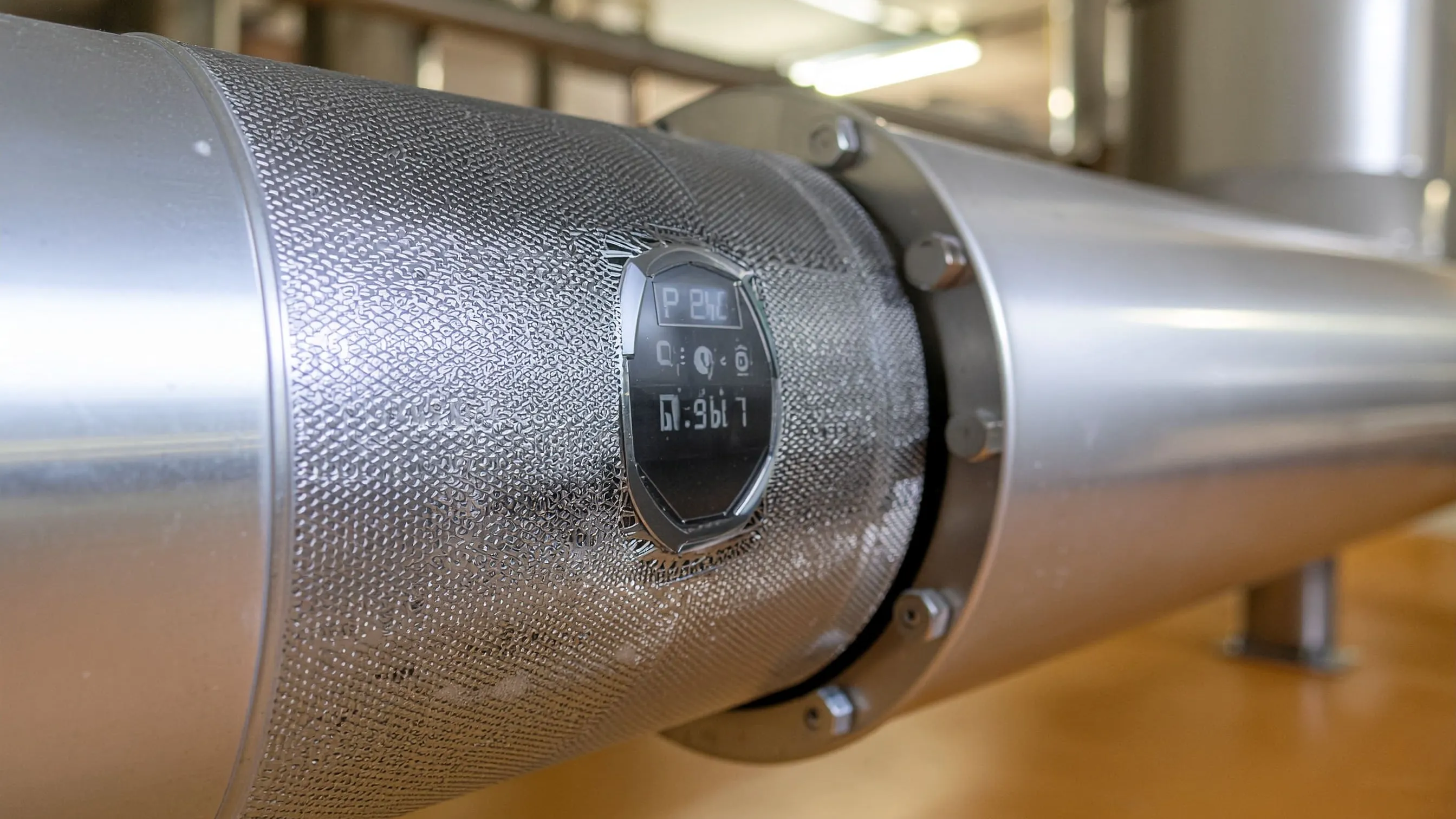
Commercial boiler failures rarely announce themselves with dramatic explosions. Instead, they develop quietly over months and years as improper water chemistry eats away at heat exchangers, pipework, and expensive circulation components. Tracking commercial boiler corrosion pH sits at the absolute heart of this degradation process. It determines whether a commercial heating network delivers two decades of reliable service or requires catastrophic repairs within five years.
The relationship between water acidity and metal degradation follows precise, unforgiving chemical principles. Between the extremes of highly acidic and highly alkaline water lies a narrow operating window where your commercial hardware achieves optimal longevity. Maintaining that strict range requires a deep understanding of the chemistry at work.
You can't simply guess when it comes to system chemistry. Protecting your massive capital investments requires implementing proper water treatment protocols, regular testing, and high-quality chemical buffers.
What pH Actually Means in Commercial Heating
The pH scale measures the hydrogen ion concentration in water, running from 0 (highly acidic) to 14 (highly alkaline). For commercial systems, a single pH unit represents a tenfold change in acidity or alkalinity, making precise control completely essential. A pH of 6 is ten times more acidic than a neutral pH of 7.
Understanding commercial boiler corrosion pH requires distinguishing between old and new technology. Traditional British Standards for legacy steam boilers recommended a highly alkaline pH between 8.5 and 10.5 to protect heavy steel. However, applying this old logic to modern systems is disastrous. National Pumps and Boilers consistently warns that modern aluminium condensing boilers require a strictly neutral-to-slightly-alkaline pH between 6.5 and 8.5.
If you push a modern mixed-metal system up to a pH of 10.0, you might protect the steel pipes, but you will completely dissolve the aluminium heat exchangers. Understanding this delicate balance prevents you from applying inappropriate treatment strategies that solve one problem whilst creating a much worse one.
How Acidic Corrosion Mechanisms Destroy Steel
When boiler water pH drops below 8.0 in a steel system, hydrogen ions aggressively attack the protective oxide layers on the metal surfaces. These acidic corrosion mechanisms manifest as general metal thinning across massive surface areas. This process reduces the wall thickness in buffer vessels, boiler shells, and critical distribution pipework.
The physical destruction accelerates exponentially as the pH decreases. Water sitting at pH 6 corrodes mild steel roughly one hundred times faster than water at pH 8. Condensing boilers face particularly severe risks because flue gas condensate naturally produces highly acidic conditions. If you operate a commercial Vaillant boiler, proper pH control of the main heating water becomes absolutely critical to prevent internal erosion.
Acidic water also attacks the protective magnetite layers that form naturally on steel surfaces in well-maintained systems. Once this black protective barrier dissolves, the raw iron releases into the water, creating heavy sludge in low-flow areas. These acidic corrosion mechanisms produce suspended iron debris that destroys mechanical pump seals and aggressively grinds down precision bearings.
The Severe Caustic Embrittlement Risk in Aluminium
Excessive alkalinity creates entirely different but equally damaging corrosion problems. When the pH exceeds 8.5, modern aluminium components face rapid, catastrophic attack. Since modern commercial heating heavily relies on aluminium heat exchangers for superior thermal conductivity, controlling high pH is critical.
Think of balancing mixed-metal system chemistry like walking a tightrope. If you lean too far to the acidic side, your steel pipework rusts away. If you lean too far to the highly alkaline side, your expensive aluminium components literally melt. Maintaining the exact middle ground is the only way to keep the tightrope walker safe.
A facilities manager at a large secondary school recently spiked their system's pH to 9.8, believing it would protect their ageing steel pipes. The severe caustic embrittlement risk became a reality when the highly alkaline water completely dissolved the heat exchanger inside their brand new remeha boiler. The unit failed catastrophically within three months, and the manufacturer voided the warranty immediately due to the chemical negligence.
Essential pH Testing and Monitoring Checklist
On-site testing provides the immediate feedback required to track commercial boiler corrosion pH effectively. Handheld digital meters offer excellent accuracy when properly calibrated against known laboratory solutions.
Work through this actionable execution checklist to ensure your pH testing is flawless:
- Extract water samples from multiple points, including the flow header, the return header, and the lowest point of the primary circuit.
- Allow all high-temperature water samples to cool to room temperature in a sealed container before testing, as pH changes substantially with heat.
- Never test the water immediately after dosing chemicals; allow at least 24 hours for complete system circulation and mixing.
- Calibrate your digital pH meters weekly using fresh buffer solutions, as probes exposed to dirty system water lose accuracy rapidly.
- Inspect the brass bodies on any Wilo pump visually for red-brown discolouration, which indicates alkaline dezincification.
- Log every single pH reading in the physical plant room manual to track long-term chemical degradation trends.
Using Flow-Through pH Electrodes for Real-Time Tracking
Continuous monitoring systems eliminate the dangerous variability of manual monthly testing. These advanced diagnostic systems provide real-time alerts the moment your water chemistry begins to drift. For mission-critical commercial facilities, this continuous oversight is absolutely essential.
Modern setups incorporate highly sensitive flow-through pH electrodes plumbed directly into a side-stream sampling loop. These probes connect straight to your building management system or a dedicated data logger. If a hidden leak begins diluting your expensive chemical inhibitors, the flow-through pH electrodes instantly trigger a low-level alarm before any physical damage occurs.
This constant monitoring proves particularly valuable for large commercial installations where manual testing becomes a massive logistical burden. The investment in automated sensors typically recovers its cost within months through prevented corrosion damage. It also ensures that any primary grundfos pump on the network circulates perfectly balanced water 24 hours a day.
Chemical Strategies Involving Neutralising Amines
Chemical treatment programmes form the absolute foundation of pH control. Alkalising chemicals or advanced filming amines raise the pH in acidic systems, whilst highly specific buffering agents lock the chemistry into the safe zone. The key lies in matching your treatment chemistry exactly to your system materials and water quality characteristics.
Specific chemical strategies involving neutralising amines offer massive advantages for complex commercial setups. These volatile chemicals travel through the system, actively neutralising acidic conditions before they can corrode return pipework. When properly dosed, neutralising amines protect massive networks without pushing the overall system alkalinity into dangerous territory.
However, chemical dosing requires absolute precision. Overdosing alkaline chemicals pushes the pH straight into the caustic range, whilst underdosing fails to stop the acidic corrosion. You must use automated dosing equipment, ideally interlocked with a primary DAB pump, to maintain target ranges smoothly without dangerous chemical spikes.
Selecting Resilient Commercial Equipment
Material selection determines exactly how well your equipment tolerates inevitable pH variations. Stainless steel resists acidic corrosion far better than standard carbon steel, making it appropriate for systems where pH control proves challenging. However, even premium stainless steel remains vulnerable to chloride pitting if the water chemistry is completely neglected.
If you don't strictly account for your expected water chemistry, premature mechanical seal failures are inevitable. Selecting pumps rated for your actual operating pH range prevents these catastrophic blowouts. High-quality commercial units handle moderate pH fluctuations, but exposing them to a severe caustic embrittlement risk guarantees a shortened lifespan.
Valve selection also heavily impacts system longevity under varying pH conditions. Standard brass components suffer badly from dezincification in highly alkaline water, leaving behind a porous, weakened copper structure. Specifying corrosion-resistant valves or a durable Ebara pump ensures your critical isolation points won't snap off in your hand during an emergency shutdown.
Conclusion
Understanding the relationship between water pH and commercial boiler corrosion is what separates proactive facilities management from a reactive maintenance nightmare. The incredibly narrow optimal range protects against both acidic dissolution of steel components and alkaline attack on modern aluminium heat exchangers. Maintaining this strict balance requires understanding the chemical principles, implementing robust testing protocols, and selecting the right chemical buffers.
The financial case for precise pH control extends far beyond preventing catastrophic physical failures. Systems operating within their target parameters maintain excellent heat transfer efficiency, consume significantly less natural gas, and require far fewer emergency callouts. Component longevity increases substantially, ensuring your capital investments reach their full intended service life.
Professional water testing removes the dangerous guesswork from plant room management. Regular sampling, accurate laboratory analysis, and expert interpretation identify chemical imbalances long before they destroy your hardware. If you need help specifying the correct inhibitors or diagnosing a persistent chemistry problem, please Call for Product Advice from our dedicated technical team today.