

Understanding Warranty Requirements and Maintenance Obligations
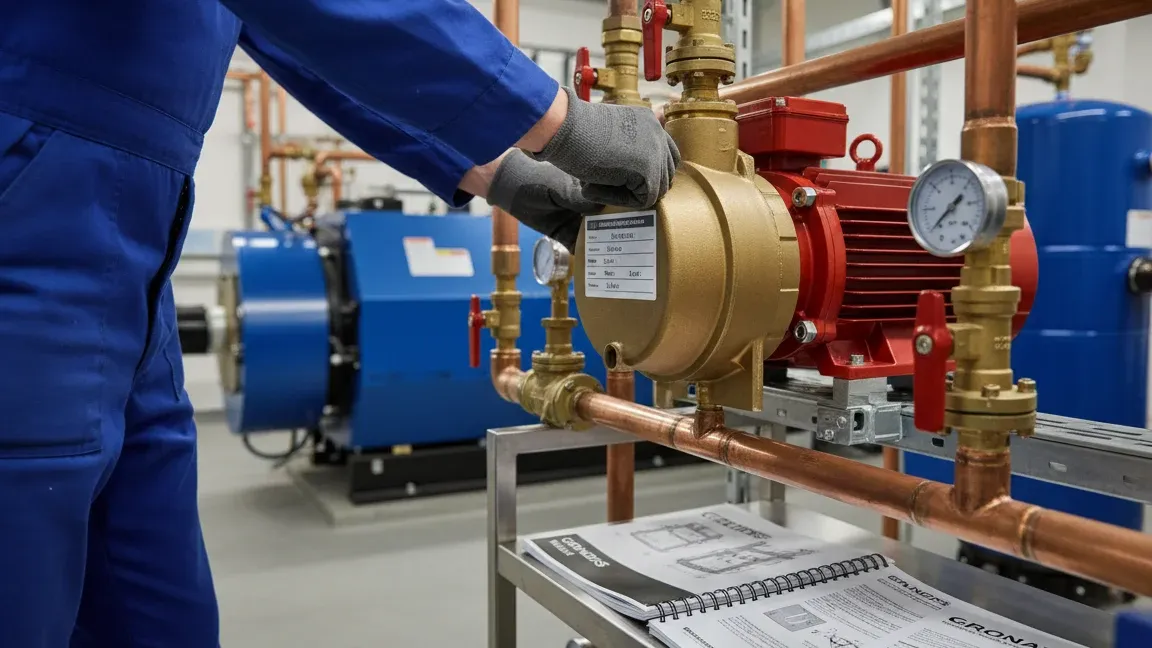
When heating and pumping equipment represents significant capital investment, warranty obligations become critical financial protection. Yet many property owners and facilities managers discover too late that overlooked maintenance requirements have voided their coverage entirely. Understanding the specific conditions that manufacturers impose - and the maintenance standards required to preserve warranty validity - prevents costly surprises when equipment failures occur.
What Warranty Obligations Mean for Heating Systems
Manufacturer warranties provide essential protection against defects and premature failures, but this coverage comes with explicit responsibilities. The contract between equipment owner and manufacturer creates binding warranty obligations that extend far beyond simply registering the product after installation.
Manufacturer Warranty Terms and Conditions
Standard warranties for heating equipment typically span one to five years for residential systems, with commercial installations often receiving extended coverage periods. However, the actual protection varies dramatically based on component type. Grundfos pumps might offer two years on mechanical components but only 12 months on seals and bearings, whilst Vaillant boilers frequently provide five-year coverage when registered within 30 days of commissioning.
Coverage exclusions deserve careful scrutiny. Most manufacturers exclude consequential damage - meaning a failed pump might be replaced under warranty, but water damage to property receives no compensation. Labour costs often fall outside warranty scope after the first year, leaving owners responsible for technician call-out fees and installation charges even when replacement parts arrive free of charge.
Registration requirements represent the first hurdle many owners fail to clear. Manufacturers typically demand registration within 30 to 90 days of installation, requiring serial numbers, installation dates, and installer certification details. Missing this window can reduce warranty coverage by years or void protection entirely, regardless of product condition.
Legal Framework for Warranty Protection
The Consumer Rights Act 2015 provides baseline protections that operate independently of manufacturer warranties. Products must be of satisfactory quality, fit for purpose, and match their description. These statutory rights last up to six years in England and Wales (five years in Scotland), though the burden of proving a fault existed at purchase shifts to the consumer after six months.
Manufacturer warranties supplement rather than replace these statutory rights. When manufacturers specify maintenance requirements, they establish conditions for voluntary extended coverage beyond legal minimums. Courts generally uphold these conditions provided they are clearly communicated and reasonable in scope.
Installer responsibilities create a three-way relationship affecting warranty validity. Gas Safe registered engineers must complete boiler installations to manufacturer specifications, with any deviations potentially voiding both installer workmanship guarantees and manufacturer product warranties. National Pumps and Boilers ensures all installations meet manufacturer requirements precisely because improper commissioning represents the most common warranty dispute trigger.
Essential Maintenance Requirements
Preserving warranty obligations demands adherence to manufacturer-specified service intervals and procedures. These requirements reflect engineering knowledge around component lifecycle expectations and failure prevention.
Regular Service Intervals
Annual servicing represents the universal baseline for central heating systems. Boiler manufacturers universally require yearly inspection and maintenance by qualified technicians, with service records providing essential evidence for warranty claims. Skipping even a single annual service typically voids coverage immediately, regardless of system condition.
Commercial installations face more demanding schedules. Commercial circulators operating in continuous-duty applications often require quarterly inspections, with bearing lubrication, vibration analysis, and performance testing documented at each interval. High-value equipment installations may specify monthly checks for critical parameters like operating temperatures, pressure differentials, and electrical consumption.
Pressurisation units demand particular attention because pressure loss often indicates developing problems elsewhere in the system. Weekly pressure checks catch slow leaks before they cause component damage, whilst quarterly membrane inspections on expansion vessels prevent catastrophic failures that manufacturers exclude from warranty coverage.
Documentation requirements transform maintenance from task to proof. Service records must include dates, technician names and certification numbers, specific work performed, parts replaced, and system performance readings. Photographs of component condition provide additional evidence supporting warranty claims when failures occur between service intervals.
Professional Maintenance Standards
Gas Safe registration represents a legal requirement for anyone working on gas-fired heating equipment. Boiler warranties explicitly require servicing by Gas Safe registered engineers, with registration numbers recorded on service documentation. Using unregistered technicians voids warranties instantly and creates potential liability for carbon monoxide incidents.
Pump maintenance requires different but equally important qualifications. Whilst no licensing scheme matches Gas Safe for pumps, manufacturers increasingly specify that servicing must be performed by factory-trained technicians or approved service partners. Wilo pumps maintain a network of certified service centres, and warranty terms often require that major repairs be completed at these facilities rather than by general contractors.
Industry standards provide the framework for maintenance procedures. HVCA guidance documents outline best practices for system servicing, whilst BSRIA publications detail specific procedures for different equipment types. Following these standards demonstrates due diligence when warranty disputes arise.
Common Actions That Void Warranties
Understanding what invalidates coverage prevents inadvertent warranty loss. Manufacturers design warranty obligations to ensure proper equipment treatment, and violations trigger immediate coverage termination.
Installation-Related Issues
Improper installation represents the leading cause of warranty disputes. Undersized pumps operating at maximum capacity wear prematurely, yet manufacturers rightfully refuse warranty claims when system design caused the failure. Incorrect pipe sizing, inadequate flow rates, and improper electrical connections all void coverage by creating operating conditions outside equipment specifications.
Using approved installers provides protection for both equipment and investment. Manufacturers often extend warranty periods when certified installers complete commissioning, recognising that proper installation dramatically reduces early failures. The additional cost of certified installation typically proves far less than replacing failed equipment at owner expense.
System sizing affects warranty validity because equipment operating outside design parameters experiences accelerated wear. Boilers cycling excessively due to oversizing, or pumps cavitating due to inadequate NPSH, fail prematurely through no manufacturing defect. Warranty claims in these circumstances fail because operating conditions, not product quality, caused the failure.
Maintenance Neglect and Warranty Loss
Skipped service intervals void warranties immediately with most manufacturers. The logic is straightforward - regular maintenance prevents failures, so owners who neglect servicing cannot claim warranty protection when preventable problems occur. Even if the specific failure seems unrelated to missed maintenance, manufacturers often deny claims entirely once service records show gaps.
Using non-approved parts creates similar warranty issues. Fitting aftermarket pump seals or non-genuine boiler components might save money initially, but manufacturers void warranties when they discover these substitutions during failure investigations. The cost savings evaporate when equipment replacement falls entirely on the owner.
DIY repairs appeal to cost-conscious property owners but represent false economy. Opening sealed components, adjusting factory-set parameters, or attempting repairs without proper training voids warranties whilst potentially creating safety hazards. Professional repairs cost more initially but preserve warranty protection worth thousands of pounds.
Failure to address known issues promptly creates liability for consequential damage. When warning signs like unusual noises, pressure fluctuations, or performance degradation appear, warranty obligations typically require immediate professional assessment. Continuing to operate obviously failing equipment allows minor problems to cause major damage that falls outside warranty scope.
Record-Keeping for Warranty Compliance
Meticulous documentation requirements separate successful warranty claims from expensive disappointments. When equipment fails, manufacturers demand proof that all warranty obligations were met throughout the coverage period.
Documentation Best Practices
Service record templates should capture every maintenance intervention. Essential information includes service date, technician name and certification number, specific tasks completed, parts replaced with serial numbers, system performance readings before and after service, and any recommendations for future attention. Digital templates ensure consistency and prevent information gaps that undermine warranty claims.
Photograph evidence strengthens warranty claims significantly. Images of component condition during servicing, corrosion patterns, wear indicators, and installation quality provide objective evidence supporting owner positions during disputes. Timestamped photographs from mobile devices create verifiable records that manufacturers find difficult to dismiss.
Invoice retention matters because warranty claims often require proof of genuine parts usage and qualified labour. Keeping detailed invoices showing part numbers, supplier information, and technician credentials demonstrates compliance with manufacturer requirements. Digital invoice storage prevents loss and enables quick retrieval when submitting warranty claims.
Proof of Compliance
Maintenance logs create timeline evidence showing consistent care. Simple spreadsheets tracking service dates, work performed, and costs incurred demonstrate the pattern of regular maintenance that manufacturers require. Gaps in maintenance logs trigger immediate scrutiny during warranty claim reviews.
Digital record-keeping systems offer advantages over paper files. Cloud-based maintenance management platforms automatically timestamp entries, prevent retrospective alterations, and enable instant access from any location. When warranty claims require rapid documentation submission, digital systems prevent delays that might jeopardise coverage.
Product-Specific Warranty Considerations
Different equipment categories carry distinct warranty terms and maintenance requirements. Understanding these variations ensures appropriate care for each system component.
Circulator Pump Warranties
Heating circulators typically receive two to three year warranties covering manufacturing defects in materials and workmanship. However, wear components like mechanical seals and bearings often carry shorter coverage periods - sometimes just 12 months. This distinction matters because seal failures represent common pump problems that may fall outside warranty scope.
Specific maintenance requirements for pump warranties usually demand annual inspection of electrical connections, verification of correct rotation direction, bearing lubrication where applicable, and performance testing against original commissioning data. DHW pumps circulating domestic hot water face additional requirements around water quality and temperature limits.
Common coverage exclusions in pump warranty terms include damage from dry running, operation outside specified temperature ranges, cavitation damage from inadequate system pressure, and failures caused by electrical supply problems. These exclusions shift responsibility to system design and operating conditions rather than pump manufacturing quality.
Extended warranty options for commercial pumps recognise the higher replacement costs and operational criticality of larger equipment. Lowara and other manufacturers offer extended coverage programmes - sometimes to five years or more - when owners commit to using authorised service centres and genuine replacement parts exclusively.
Boiler Warranty Requirements
Standard boiler warranties range from two to ten years depending on manufacturer and model tier. Premium residential boilers often include five-year coverage as standard, whilst commercial boilers may offer two years on parts with optional extensions available. Registration within specified timeframes (typically 30 days) often determines whether standard or extended coverage applies.
Annual servicing by Gas Safe registered engineers represents the non-negotiable requirement for boiler warranty validity. Service must include combustion analysis, safety device testing, heat exchanger inspection, and controls verification. Missing even one annual service typically voids remaining warranty coverage immediately.
Water quality requirements affect boiler warranties significantly but receive insufficient attention. Manufacturers specify maximum hardness levels, pH ranges, and dissolved oxygen limits. Systems operating outside these parameters experience accelerated corrosion and scale formation that manufacturers exclude from warranty coverage.
Maximising Warranty Protection
Strategic approaches to equipment care extend beyond minimum compliance, creating robust protection for heating system investments.
Proactive Maintenance Strategies
Creating comprehensive maintenance schedules prevents the gaps that void warranties. Annual calendars should map all required service intervals for every system component, with automatic reminders ensuring timely completion. Building in buffer time before warranty deadlines prevents last-minute scrambles when service providers face scheduling constraints.
Budgeting for regular servicing costs eliminates the temptation to skip maintenance during tight financial periods. Treating servicing as non-discretionary operational expense ensures consistent compliance with warranty obligations. The predictable cost of planned maintenance proves far less than emergency repairs or equipment replacement at owner expense.
Selecting qualified maintenance providers deserves careful consideration. Establishing relationships with reputable service companies ensures consistent quality and creates service history continuity that strengthens warranty claims.
Working with Warranty Providers
Understanding claim procedures before problems occur speeds resolution when failures happen. Manufacturers typically require immediate notification of failures, often within 48 hours, to preserve warranty rights. Knowing the proper notification channels and required information prevents procedural rejections of otherwise valid claims.
Preventive measures to avoid warranty issues prove more effective than dispute resolution after the fact. When service technicians identify potential warranty concerns - perhaps borderline water quality or marginal operating conditions - addressing these proactively prevents future claim denials.
For heating systems representing significant capital investment, professional guidance ensures warranty compliance whilst optimising equipment performance. Contact Us for assistance ensuring heating systems receive the care that preserves both performance and warranty protection.