

Upgrading Legacy Gas Pipework to Meet Modern Commercial Standards
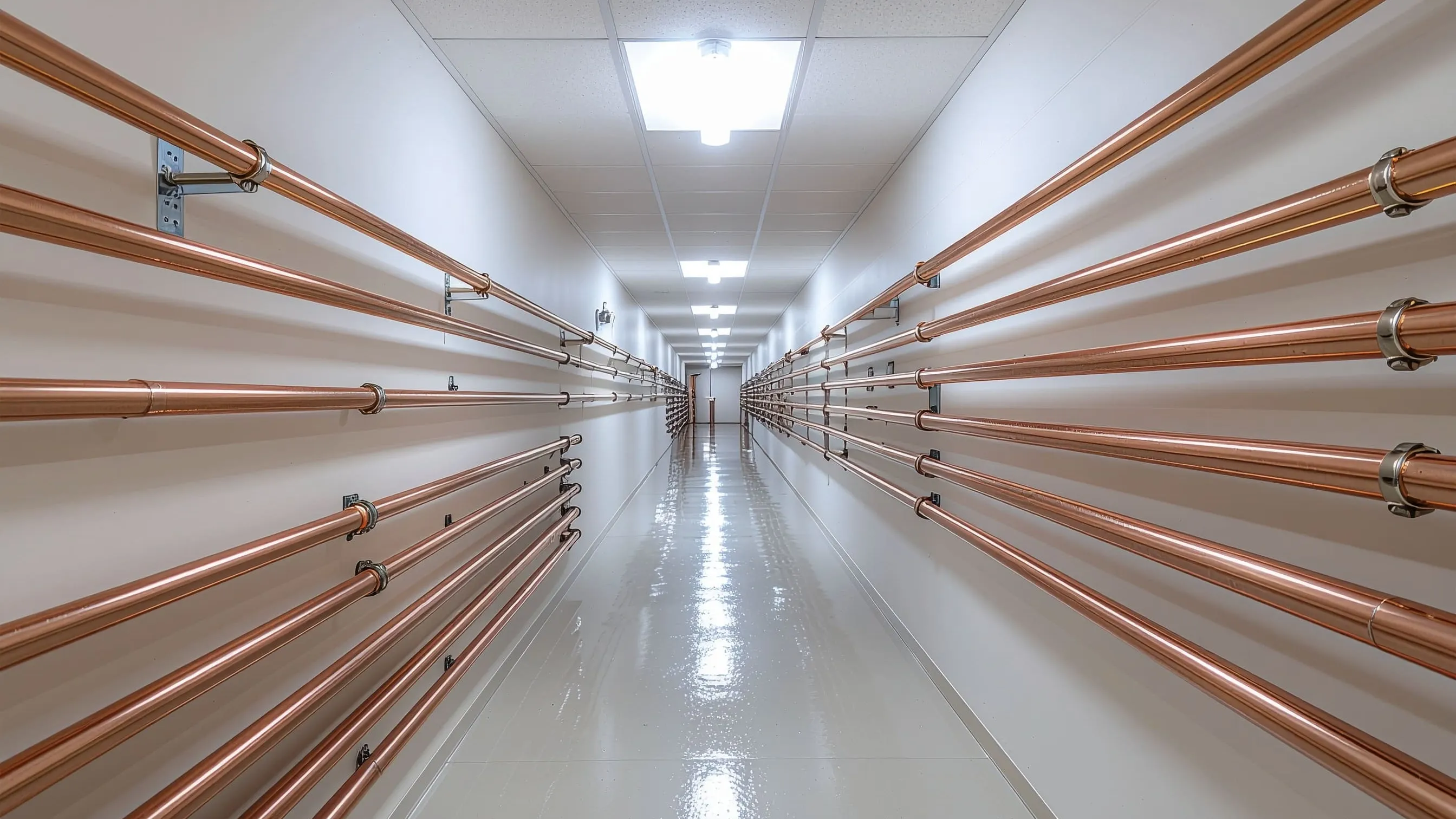
Outdated gas pipework in commercial premises creates severe safety risks and complex compliance challenges. Upgrading commercial gas pipework is an absolute necessity for facilities relying on aging infrastructure. Buildings constructed decades ago feature gas systems designed for old atmospheric appliances. The gap between these legacy installations and current laws creates massive liability concerns for property owners.
It also severely limits the efficiency gains you can achieve with modern heating equipment. The regulatory landscape has tightened considerably. Insurers now heavily scrutinise old gas mains during annual risk assessments. You must maintain these installations in a safe condition. Proactive replacement is a critical risk management strategy, not just an optional building improvement.
Assessing Existing Gas Pipework Systems
A professional assessment forms the absolute foundation of any upgrade project. Upgrading commercial gas pipework requires qualified Gas Safe registered engineers to conduct comprehensive structural surveys. They must document your pipe materials, joint types, and complex routing configurations. Legacy commercial installations usually feature old mild steel pipework with screwed fittings. This old steel is incredibly prone to internal corrosion.
Internal rust reduces the effective pipe diameter and creates dangerous leak points at the threaded connections. National Pumps and Boilers regularly advises facility managers on the safest approach for these structural upgrades. You cannot simply guess the internal condition of 30-year-old pipe. Pressure testing reveals tiny leaks that are totally invisible to the naked eye.
Current Regulatory Framework
The regulatory landscape has tightened massively over the past decade. Basic domestic standards establish the baseline for smaller systems. However, heavy commercial sites must strictly adhere to IGEM/UP/2 standards. These IGEM/UP/2 standards introduce highly specific risk-based assessment methodologies and stringent documentation rules.
Commercial premises with massive gas consumption require professional engineering input throughout the entire upgrade process. Building Regulations Approved Document J also governs how you install associated combustion equipment. Compliance requires perfect coordination between the gas contractors and the wider building services teams. You must also regularly inspect your pump valves and isolation points to ensure they meet these strict codes.
Material Selection for Modern Systems
Copper pipework dominates modern installations due to its incredible corrosion resistance. It offers proven longevity and handles high commercial pressures effortlessly. Alternatively, corrugated stainless steel tubing provides a massive advantage for complex retrofits. This flexible corrugated stainless steel tubing routes smoothly through existing building voids without requiring massive structural demolition.
Steel pipe still retains relevance for massive 80mm installations where mechanical impact protection is necessary. No matter which material you choose, the gas infrastructure must integrate perfectly with your water-side equipment. If you install a heavy-duty commercial building pump nearby, the gas pipes must be properly secured to avoid any vibrational wear.
Sizing and Capacity Planning
Accurate pipe sizing balances your installation costs against actual system performance. Undersized pipework creates a severe commercial gas pressure drop. This commercial gas pressure drop physically starves the burners of fuel, causing continuous nuisance lockouts. Upgrading a boiler without upgrading the gas pipework is like putting a sports car engine in a vehicle with a blocked fuel line. It simply will not perform.
Accurate load calculations must account for every single gas-consuming appliance in the building. You must apply correct diversity factors for large commercial kitchens and massive heating plants. If your facility runs a high-demand domestic hot water pump alongside space heating, the gas main must handle the combined peak load without dropping below the required 20 millibars.
Future-proofing considerations include adding provision for potential system expansion. Installing one pipe size larger than your minimum calculated requirement adds modest cost during initial construction. However, it provides massive operational flexibility for decades.
Integration With Contemporary Heating Equipment
Modern condensing boilers extract extra heat by cooling flue gases below their dew point. This extreme efficiency requires a perfectly sized commercial condensing boiler connection. If the commercial condensing boiler connection is restricted, the burner will suffer from incomplete combustion and lock out safely.
Modular boiler cascades present unique hydraulic and gas demands. Multiple boilers require individual gas supplies sized for full input. You must ensure the gas header accommodates simultaneous firing across all units. Upgrading to a remeha low loss header solves the water-side balancing, but the gas train must be equally well-engineered to match.
Modern installations also incorporate motorised valves for remote isolation and pressure regulators for supply stabilisation. Pipework design must accommodate these components with adequate straight pipe runs to ensure accuracy.
Phased Upgrade Strategies
Commercial buildings rarely tolerate a complete gas shutdown during winter. Phased upgrades maintain your operational continuity while systematically replacing the outdated infrastructure. Effective phasing identifies critical services and establishes temporary supply routes to minimise business disruption.
A hospital facilities team recently tried to patch a 1970s steel gas main rather than phase a full replacement. The old pipe threads crumbled during the repair, forcing an emergency 48-hour total heating shutdown. They quickly learned that integrating modern high-pressure demands with crusty legacy steel is a recipe for disaster. If your phased works involve installing a new vaillant roof flashing for flue routing, the temporary gas lines must be routed safely away from the external scaffolding.
Temporary bypass solutions utilise flexible pipework to route gas around areas under construction. These installations must meet full regulatory standards despite their temporary nature. The additional material costs represent cheap insurance against operational disruption and lost revenue.
Testing and Commissioning Requirements
Upgrading commercial gas pipework concludes with rigorous tightness testing. IGEM/UP/1 protocols specify exact test procedures using air or inert gas. You must maintain these test pressures without any detectable drop. Larger installations require strength testing before the final tightness verification.
Purging removes all air from the new lines before appliance connection. You must continue purging until electronic gas analysis confirms the oxygen content has fallen below safe thresholds. Just as a grundfos water pump must be properly vented to prevent airlocks, a gas line must be flawlessly purged to prevent explosive ignition failures.
Commissioning documentation provides permanent records of your compliance. Comprehensive records include design calculations, material certificates, test results, and as-built drawings. This documentation supports your ongoing maintenance and facilitates future modifications safely.
Conclusion
Modernising your gas infrastructure resolves serious compliance gaps and eliminates hidden safety risks. Sticking with legacy pipework restricts your efficiency and leaves you highly vulnerable to sudden, catastrophic leaks. Professional specification ensures your new materials and pipe sizes perfectly support your modern heating plant.
Always engage qualified commercial engineers who understand heavy M&E standards and strict testing protocols. If you need help specifying your pipework upgrades or selecting compatible heating equipment for your facility, Request a Quote today to speak directly with our technical specialists.