

Warning Signs Your Pressurisation Unit Is Failing and What to Do Next
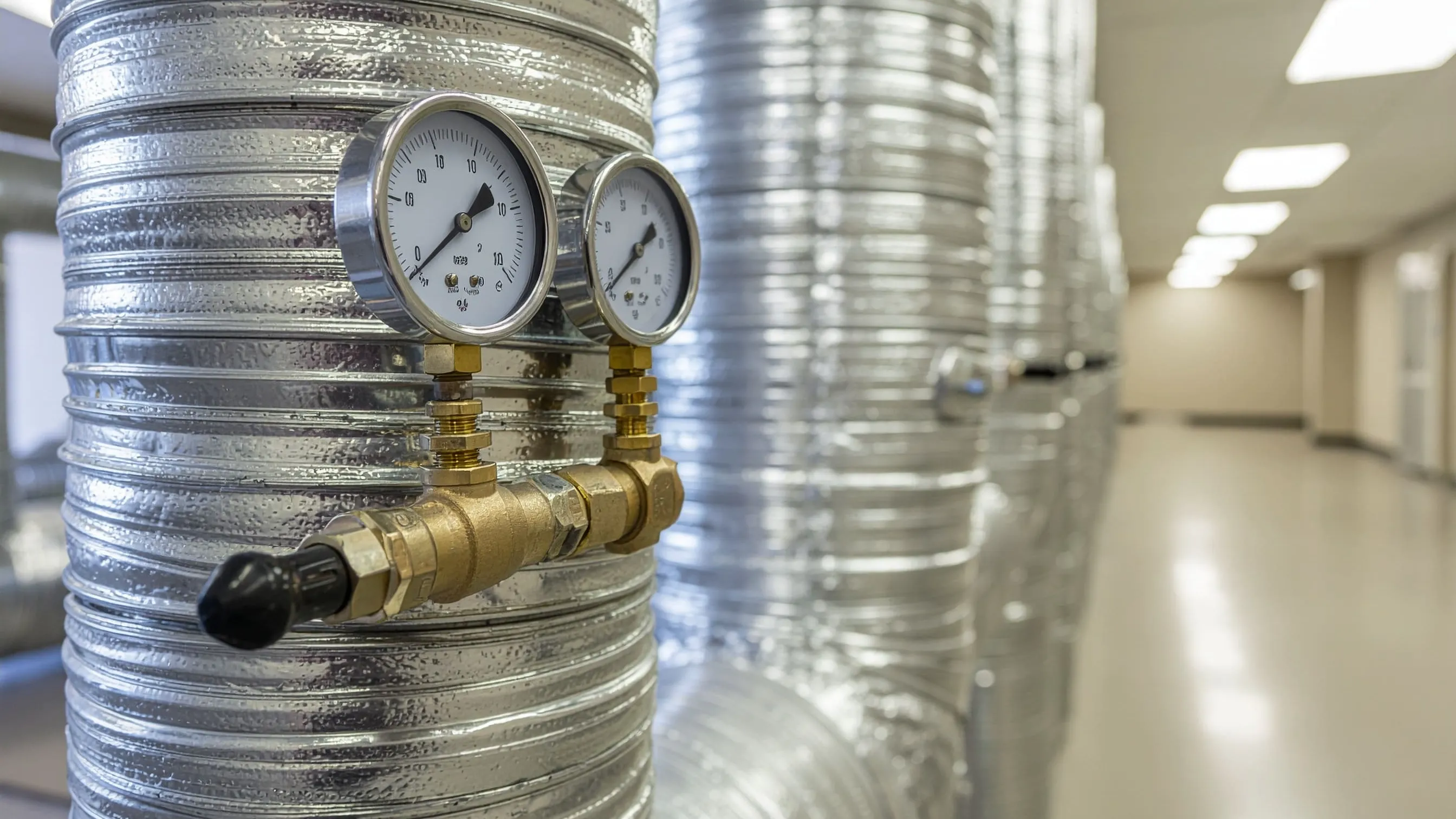
Pressurisation units maintain system integrity in sealed heating and cooling installations, yet their failure often goes unnoticed until complete system shutdown occurs. Recognising pressurisation unit failure signs early allows engineers to schedule planned maintenance interventions rather than responding to emergency callouts at the most inconvenient times - typically the coldest periods when heating system failures have the most serious consequences for building occupants.
A failing unit compromises building comfort, risks equipment damage throughout the heating circuit, and creates potential safety hazards through uncontrolled pressure fluctuations that affect boilers, heat exchangers, and circulation pumps simultaneously. Understanding the progression from early warning indicators to critical failure allows systematic responses that address problems at each stage rather than waiting for complete system breakdown.
Understanding Pressurisation Unit Function in Sealed Systems
Pressurisation units maintain stable operating pressure across varying temperature conditions by compensating for thermal expansion in sealed heating systems. These assemblies comprise an expansion vessel, pressure switches, control panel, and make-up pump that work together continuously to keep system pressure within design parameters - typically between 1.0 and 1.5 bar for domestic installations and up to 4.0 bar for commercial systems.
The expansion vessel contains a flexible membrane separating a nitrogen charge from the system water. As heating water expands during temperature rise, the membrane compresses the gas charge, absorbing volume increase without excessive pressure gain. When the membrane fails or the nitrogen charge depletes, the system loses this buffering capacity, forcing the make-up pump to cycle excessively or causing pressure relief valve discharge that wastes system water and introduces fresh oxygen that accelerates corrosion.
Modern pressurisation units incorporate electronic controls monitoring pressure sensors and activating the make-up pump when pressure drops below the low-pressure setpoint. Quality units from manufacturers like Grundfos feature dual pump configurations providing redundancy, whilst basic models use single pump assemblies that become single points of failure - a design distinction that matters considerably when assessing the risk profile of an installation in a critical application.
Early Warning Signs of Pressurisation Unit Failure
Pressure Gauge Fluctuation Patterns
System pressure gauges revealing wider-than-normal swings between heating cycles indicate expansion vessel membrane problems or incorrect pre-charge pressure that has drifted from its specified value. A correctly functioning system shows minimal pressure variation - typically 0.2 to 0.4 bar difference between cold and hot conditions. Pressure fluctuations exceeding 0.6 bar suggest the expansion vessel no longer provides adequate buffering capacity, forcing the make-up pump to compensate for variations the vessel should be absorbing passively.
Engineers should monitor gauge readings during system heat-up from cold to identify the specific pattern. Rapid pressure climbs followed by relief valve discharge point to complete vessel failure, whilst gradual pressure creep over several weeks indicates partial membrane degradation allowing water migration into the air side. Digital pressure sensors provide more accurate trending data than analogue gauges for identifying these subtle deterioration patterns before they escalate.
Increased Pump Cycling Frequency
Make-up pump activation frequency serves as one of the most reliable early pressurisation unit failure signs available without specialist diagnostic equipment. Systems maintaining proper pressure require minimal pump operation - perhaps once weekly to compensate for minor air absorption or microscopic leakage. When pump cycling increases to daily or hourly intervals, the unit is struggling to maintain pressure, suggesting vessel failure, developing system leakage, or control system malfunction that prevents accurate pressure sensing.
For pressurisation units from Wilo with integrated run-time counters, establishing baseline cycling patterns during commissioning provides the reference data needed to identify deviations reliably. A doubling of pump run-time within weeks indicates a developing problem requiring investigation, whilst gradual increases over months suggest either slow system leakage or progressive membrane permeation that has not yet reached critical levels.
Expansion Relief Valve Discharge
Discharge from the expansion relief valve - typically set at 3.0 bar for domestic systems - signals that the pressurisation unit can no longer accommodate thermal expansion and pressure is reaching unsafe levels. This occurs when vessel failure eliminates expansion capacity, forcing excess volume through the relief valve as the only remaining pressure relief path. Whilst occasional discharge during extreme operating conditions might be acceptable, regular discharge confirms system failure requiring immediate investigation.
The discharge pipe, which must terminate at a visible point under Building Regulations Part G, shows evidence through water staining around the termination point or active dripping during heating cycles. Engineers finding consistent discharge should immediately check vessel pre-charge pressure and membrane integrity before investigating other system components, as vessel failure accounts for the majority of persistent relief valve discharge incidents.
Critical Failure Indicators Requiring Immediate Action
System Pressure Loss Patterns
Complete pressure loss occurring overnight when the system remains cold indicates make-up pump failure or significant leakage rather than vessel membrane problems, which only manifest during thermal cycling. However, pressure loss occurring specifically during heating cycles points to vessel membrane rupture allowing system water into the gas chamber - a waterlogged vessel providing zero expansion capacity and forcing all thermal expansion through the relief valve.
Testing for a waterlogged vessel requires isolating the unit, depressurising the system to zero, and checking the vessel Schrader valve. Water discharge from this valve when the core is depressed confirms membrane failure. For central heating systems with multiple expansion points, individual vessel failure may initially be masked by other vessels compensating, making systematic testing of all vessels important when investigating persistent pressure complaints.
Compressor Motor Issues
Pressurisation units using nitrogen generators rather than pre-charged static vessels incorporate compressor motors maintaining gas pressure continuously. These motors showing increased run-time, thermal protection device activation, or unusual mechanical noise patterns indicate developing wear in pistons, valves, or bearings that reduces compression efficiency. Compressor failure eliminates the unit's ability to replenish nitrogen charge, leading to progressive expansion vessel pressure loss and system instability.
Motor current draw measurements reveal developing problems before complete failure occurs. A compressor drawing 15-20% above nameplate current whilst failing to achieve target pressure indicates worn valves or piston rings that cannot maintain compression efficiency. Annual motor testing for units exceeding five years service life - particularly in installations with high cycling frequency driven by active leaks or poorly sized expansion vessels - identifies these issues while repair remains economical.
Control Panel Fault Codes
Modern pressurisation units incorporate diagnostic systems displaying fault codes when parameters exceed programmed limits. Common codes include low pressure alarms, high pressure warnings, pump failure indications, and sensor faults. Persistent low pressure alarms despite pump activation suggest either significant system leakage or pump delivery problems preventing the unit from maintaining pressure despite correct activation signals. High pressure alarms with simultaneous relief valve discharge confirm vessel failure as the cause.
For DAB pressurisation units and other units incorporating electronic diagnostics, verifying displayed fault codes against manual pressure gauge readings before replacing electronic components prevents unnecessary parts expenditure. Control panel issues sometimes produce fault codes that suggest sensor failure when the underlying problem is mechanical - a distinction that accurate manual gauge readings clarify.
National Pumps and Boilers provides technical support for pressurisation unit diagnosis, helping maintenance engineers distinguish between electronic control faults, mechanical pump failures, and expansion vessel deterioration based on the specific combination of symptoms presented - enabling targeted remediation rather than speculative component replacement.
Diagnostic Procedures for Pressurisation Unit Assessment
Pressure Testing Protocols
Systematic pressure testing isolates failure causes through a methodical sequence that distinguishes between pressurisation unit failure and system leakage producing identical symptoms. Begin by recording static system pressure with heating off, then monitor pressure rise rate during heat-up to operating temperature. Excessive pressure rise rates indicate insufficient vessel capacity. Next, isolate the pressurisation unit and observe whether system pressure remains stable when static - an unstable reading confirms leakage as a contributing factor rather than vessel failure alone.
Testing vessel pre-charge requires complete system depressurisation and vessel isolation. Connect a nitrogen charging kit to the Schrader valve and measure pre-charge pressure against the specified value. Pre-charge pressures below specification indicate nitrogen loss through valve seepage or membrane permeability, whilst correct pre-charge pressure combined with poor system performance confirms capacity undersizing rather than pressure loss as the vessel problem.
Electrical System Checks
Pressurisation unit electrical faults create symptoms that mimic mechanical failure, making electrical verification an important parallel diagnostic pathway. Verify power supply voltage at the control panel, checking for phase loss in three-phase units or supply voltage drop in single-phase installations that may prevent pumps achieving rated output. Measure motor winding resistance and insulation resistance to earth, comparing against manufacturer specifications to identify developing insulation breakdown.
For pump valves in the make-up water supply line, checking for scale accumulation or debris restriction confirms whether pump performance problems stem from valve blockage rather than pump mechanical failure - a straightforward check that avoids unnecessary pump replacement when the actual cause is a restricted isolation or check valve upstream of the pump inlet.
Immediate Actions When Pressurisation Unit Failure Occurs
System Isolation and Safety Steps
Upon confirming pressurisation unit failure, immediately assess whether the system can continue operating temporarily or requires shutdown. Systems maintaining stable pressure above 0.5 bar can typically run short-term whilst arranging repairs, provided hourly pressure monitoring occurs. Complete pressure loss or uncontrolled pressure rise demands immediate system isolation - close the make-up water supply valve, switch the unit to manual mode if available, and contact specialist support without delay.
For the DHW pumps and space heating circuits that share a pressurisation system in combined installations, assessing which circuits can safely continue operating during temporary manual pressure management requires understanding of each circuit's pressure rating and the consequences of pressure loss in each part of the system - space heating circuits often tolerate brief low-pressure operation better than DHW systems with stored hot water under pressure.
Temporary Pressure Maintenance
Short-term pressure maintenance through manual filling loops allows continued building heating during component procurement and specialist attendance scheduling. This approach requires constant monitoring and manual intervention as pressure drops, making it viable only where an engineer or building maintenance person can be present to manage pressure throughout the heating period.
For commercial installations requiring continuous automatic pressure control during permanent unit replacement, Lowara and other suppliers offer temporary pressurisation units for hire that connect to existing pipework via flexible hoses. These mobile units provide full automatic pressure control whilst permanent repairs or replacement units are procured, preventing the building heating disruption that weeks of manual management would otherwise create.
Replacement vs Repair Decision Factors
Component Lifespan and Reliability
Expansion vessels typically achieve 8-12 years service life before membrane degradation requires replacement. Make-up pumps last 10-15 years depending on cycling frequency and water quality - installations with high cycling rates due to active system leaks or undersized expansion vessels accumulate pump starts far faster than well-maintained systems, shortening pump service life proportionally.
Engineers facing multiple simultaneous component failures in pressurisation units exceeding ten years service should recommend complete replacement rather than piecemeal repair of individual components. Updated controls meeting current Building Regulations, improved pump efficiency from modern motor technology, and warranty coverage on all components provide tangible benefits over restoring obsolete equipment to partial functionality.
Cost Analysis Considerations
Repair costs approaching 60-70% of replacement unit prices consistently favour new installation when honest total cost analysis is applied. This calculation must include diagnostic labour, component procurement lead times that extend the period of disrupted heating, and the probability of further failures in adjacent ageing components shortly after initial repair. Replacement provides warranty coverage, updated controls, and a predictable maintenance schedule that piecemeal repair on old equipment cannot offer.
For Mikrofill water treatment and pressurisation systems where chemical dosing equipment operates alongside pressurisation units, coordinating replacement timing ensures both systems are renewed to current standards simultaneously rather than inheriting a newly installed pressurisation unit paired with ageing chemical dosing equipment that may itself require replacement within 12-18 months.
Preventative Maintenance Protocols
Annual Inspection Requirements
Systematic annual inspections identify pressurisation unit failure signs before complete failure occurs. Check vessel pre-charge pressure and adjust to specification if drift is identified. Verify pressure switch operation points using calibrated test equipment, as switch setpoint drift exceeding ±0.1 bar from design values indicates calibration or component wear requiring attention. Test make-up pump delivery by measuring flow rate and discharge pressure, comparing against commissioning data to identify performance degradation.
Detailed service records documenting pressure readings, pump run-times, and component conditions reveal deterioration trends that enable predictive maintenance scheduling. A unit showing consistent pre-charge loss of 0.1 bar annually continues functioning but indicates progressive nitrogen seepage that will eventually require vessel replacement. A unit losing 0.3 bar between annual services suggests accelerated deterioration requiring investigation of the cause before the next inspection period.
Water Quality Management
System water quality directly and significantly affects pressurisation unit longevity. Maintain inhibitor concentrations per BS 7593 recommendations, testing annually and dosing as required. High dissolved oxygen levels from inadequate inhibition accelerate corrosion in vessels and pipework, whilst scale formation restricts pump valve flow paths and reduces heat exchanger efficiency throughout the system the pressurisation unit serves.
Install magnetic filters and chemical dosing points during system commissioning, then monitor filter collection rates as indicators of system corrosion levels. Systems showing high debris accumulation require investigation of corrosion causes rather than simply cleaning filters and accepting ongoing system degradation. For specialist water treatment systems designed specifically for sealed heating installations, engineers and facility managers should seek products engineered to maintain the chemistry parameters that protect pressurisation equipment, boiler plant, and distribution components simultaneously.
Conclusion
Pressurisation unit failure progresses through identifiable stages from subtle pressure gauge fluctuations to complete system shutdown, with each stage presenting increasingly urgent pressurisation unit failure signs that experienced engineers can recognise and act upon. Systematic diagnostic procedures isolate specific component failures, informing repair versus replacement decisions based on equipment age, the extent of deterioration, and the cost analysis that determines the most economical path to restored reliable operation.
Installations showing any combination of these warning signs require professional assessment within days rather than weeks. Delaying intervention risks secondary damage to boilers, pumps, and heat exchangers through pressure excursions or complete system depressurisation. Annual maintenance protocols including pre-charge verification, pump performance testing, and water quality management extend equipment lifespan whilst preventing the gradual deterioration that creates emergency failures.
For immediate assistance diagnosing pressurisation unit problems, sourcing replacement equipment, or establishing annual maintenance programmes for sealed heating systems, Contact Us for technical support from heating system specialists experienced in both diagnosis and remediation of pressurisation unit failures across commercial and domestic applications.