

Water Meters and Sub-Metering for Building Management
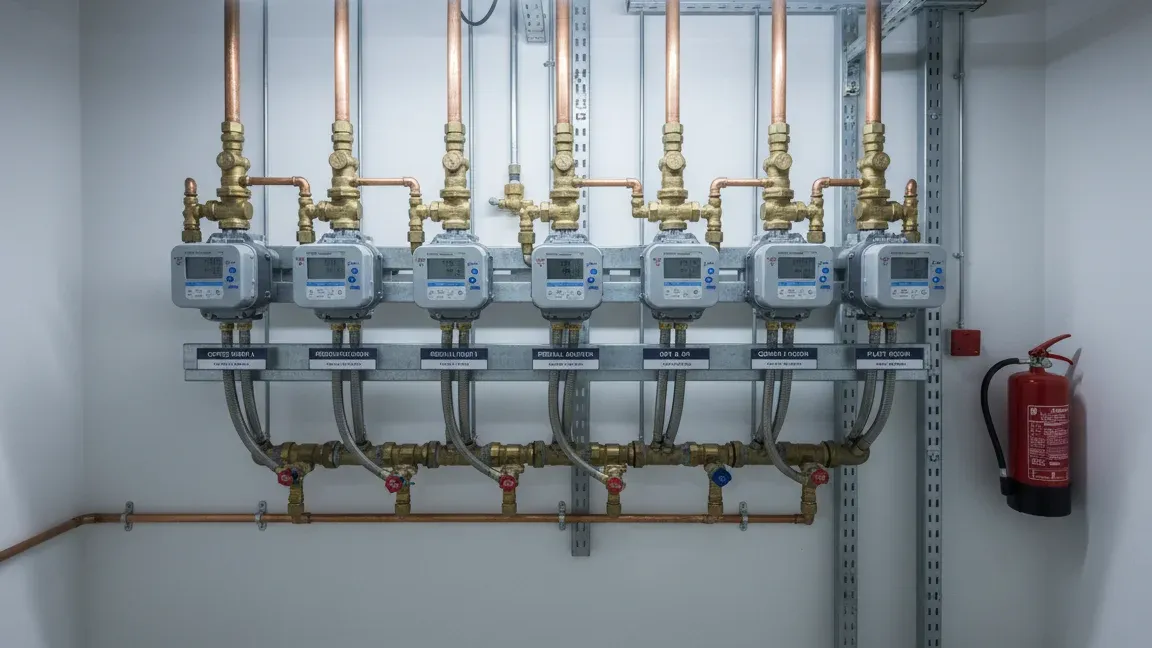
Managing water consumption effectively requires accurate measurement and transparent allocation across building occupants. Modern sub-metering systems transform how property managers, building owners, and facility operators approach water resource management, delivering cost savings, supporting sustainability goals, and ensuring regulatory compliance.
Water meters measure volumetric consumption of water passing through pipes, providing precise data for billing, monitoring, and conservation purposes. In building management contexts, these devices range from simple mechanical meters recording total consumption to sophisticated smart meters transmitting real-time data to centralised monitoring systems.
Sub-metering extends this capability by installing individual meters for separate tenants, zones, or functions within a building. Rather than dividing a master meter reading by occupancy or floor area, sub-metering allocates costs based on actual consumption. This approach delivers fairness, encourages conservation, and provides granular data supporting informed management decisions.
Understanding Water Metering Technology
What Are Water Meters?
Water meters function as precision instruments measuring the volume of water flowing through a pipe. Traditional mechanical meters use turbines or positive displacement chambers that rotate proportionally to flow volume. Electronic sensors count these rotations, converting mechanical movement into consumption data displayed on the meter face or transmitted to remote monitoring systems.
Modern ultrasonic meters eliminate moving parts entirely, using sound waves to calculate flow velocity and volume. Transmitters send ultrasonic pulses through the water, with slight time differences in signal travel indicating flow rate. This technology delivers exceptional accuracy across wide flow ranges, from trickle flows indicating leaks to peak demand periods.
Electromagnetic meters apply a different principle, generating magnetic fields around the pipe and measuring voltage induced by water movement. These meters excel in larger diameter applications where high accuracy and minimal pressure loss matter most.
All meter types integrate with building management systems through various output protocols. Pulse outputs provide simple consumption counting, whilst digital protocols like M-Bus or Modbus enable sophisticated two-way communication with monitoring platforms.
The Purpose of Sub-Metering
Sub-metering divides building water consumption into measurable zones or individual occupancies. In a commercial office building, this might mean separate meters for each tenant suite. In residential developments, individual flats receive dedicated meters measuring only their consumption.
This granular measurement transforms property management by replacing estimation with precision. Traditional approaches divide master meter readings proportionally by floor area or occupancy, creating inequities where high-consumption tenants subsidise low-consumption neighbours. Sub-metering eliminates these distortions, billing each occupant for actual usage based on verified consumption monitoring data.
Beyond fair billing, sub-metering reveals consumption patterns invisible to master metering. Facility managers identify which zones consume excessive water, investigate causes, and implement targeted improvements. A restaurant tenant using far more water than office tenants becomes visible, justifying different rate structures or infrastructure investments.
Regulatory frameworks increasingly mandate sub-metering. Building regulations require separate meters in new multi-occupancy developments, recognising that individual accountability drives conservation. Existing buildings retrofitting sub-metering systems benefit from improved cost recovery and tenant satisfaction alongside compliance with evolving standards.
Benefits of Water Sub-Metering Systems
Cost Allocation and Financial Management
Accurate cost allocation represents the primary financial benefit of water sub-metering. Property owners recover actual water costs from tenants rather than absorbing consumption as an operating expense or using crude allocation formulas. This direct recovery improves property cash flow and eliminates subsidies between high and low consumers.
Tenant billing disputes decline dramatically when invoices reflect measured consumption rather than estimates. Occupants accepting responsibility for their own usage patterns rarely contest meter-based bills. This transparency strengthens landlord-tenant relationships and reduces administrative burden managing billing queries.
Return on investment for sub-metering installations typically occurs within 2-4 years for commercial properties. Equipment and installation costs are offset by recovered water expenses, reduced overall consumption, and early leak detection preventing expensive damage. Residential properties show similar payback periods, particularly in developments with diverse tenant water usage patterns.
Financial benefits extend beyond direct cost recovery. Properties with sub-metering systems command premium rents and valuations, as prospective tenants value transparent utility billing systems. Investment-grade properties increasingly require sub-metering to meet institutional ownership standards.
Water Conservation and Sustainability
Visibility drives behaviour change. Tenants receiving regular consumption feedback reduce water usage by 10-20% on average compared to those billed through estimated allocation. This "metering effect" occurs because occupants become aware of consumption patterns and identify opportunities for reduction.
Sub-metering supports building-wide conservation initiatives by establishing baselines and measuring improvement. Facility managers implement water-saving fixtures, optimise irrigation systems, or upgrade cooling towers whilst tracking actual consumption reductions. This data-driven approach justifies capital investments and demonstrates environmental stewardship to stakeholders.
Leak detection capabilities deliver substantial conservation benefits. Central heating systems and other building infrastructure occasionally develop leaks that waste significant water volumes before becoming visible. Sub-meters showing abnormal consumption patterns alert managers to investigate, often identifying hidden leaks preventing thousands of litres of waste.
Green building certifications including BREEAM and LEED award credits for sub-metering installations. These schemes recognise that measurement enables management, with sub-metering supporting broader sustainability objectives. Properties pursuing certification find sub-metering essential for achieving target rating levels.
Regulatory Compliance and Reporting
UK building regulations increasingly require water metering in new developments and major refurbishments. Part G of the Building Regulations specifies water efficiency standards, with sub-metering supporting compliance demonstration. Properties meeting these requirements avoid enforcement issues and future-proof against evolving standards.
Water supply companies encourage sub-metering through various incentive schemes. Some offer reduced rates for properties with comprehensive metering, recognising that measurement supports network management and reduces demand peaks. Property owners should investigate available incentives when planning sub-metering projects.
Environmental audits and sustainability assessments rely on accurate consumption data. Sub-metering provides the granular information auditors require to evaluate building performance and recommend improvements. Properties without adequate metering struggle to demonstrate compliance with environmental standards or track improvement initiatives.
Types of Water Meters for Building Applications
Mechanical Water Meters
Traditional mechanical meters using turbine or positive displacement technology remain widely installed across UK properties. These proven devices offer reliable performance at competitive costs, making them suitable for many building applications where advanced features are unnecessary.
Turbine meters contain a rotor that spins as water flows through, with rotation speed proportional to flow rate. Gearing connects the rotor to a register displaying total consumption. These meters handle moderate to high flows effectively but show reduced accuracy at very low flow rates. This limitation means small leaks may not register, potentially missing early warning signs of problems.
Positive displacement meters trap specific water volumes in chambers, counting each chamber fill-and-empty cycle. This design delivers superior accuracy at low flows compared to turbine meters, making them ideal for detecting small leaks and measuring intermittent consumption patterns typical in residential properties.
Maintenance requirements for mechanical meters include periodic accuracy testing and eventual replacement. Moving parts experience wear over time, with accuracy degrading after 5-10 years depending on water quality and flow conditions. Replacement cycles must be factored into lifecycle cost analysis when specifying mechanical meters.
Ultrasonic Water Meters
Ultrasonic technology represents the current state-of-art in water metering, offering significant advantages over mechanical alternatives. These meters contain no moving parts, eliminating wear and extending service life to 15-20 years or more.
Transit-time ultrasonic meters measure the time difference for ultrasonic signals travelling with and against water flow. This time differential indicates flow velocity, which the meter converts to volumetric flow using pipe diameter. The technology delivers exceptional accuracy across flow ranges from barely detectable trickles to peak demands, typically maintaining ±2% accuracy or better.
Pressure loss through ultrasonic meters is minimal compared to mechanical alternatives. This characteristic matters in systems where maintaining adequate pressure is challenging or where pumping costs are significant. Grundfos pumps and similar circulation equipment benefit from reduced resistance in metering installations.
Higher initial costs for ultrasonic meters are offset by longer service life, reduced maintenance, superior accuracy, and advanced features. Commercial properties, critical monitoring points, and applications requiring high accuracy justify the investment.
Electromagnetic Water Meters
Electromagnetic meters apply Faraday's law of electromagnetic induction, generating magnetic fields perpendicular to flow direction. Moving water induces voltage proportional to flow velocity, which the meter measures and converts to volumetric flow.
These meters excel in larger diameter applications from 50mm to several metres. They handle high flow rates with exceptional accuracy and minimal pressure loss, making them ideal for building main feeds, cooling system circuits, and industrial process applications.
Installation requirements include adequate straight pipe runs upstream and downstream to ensure stable flow profiles. Electromagnetic meters also require mains power, though modern designs minimise consumption. These factors influence installation costs and site suitability assessment.
For large commercial properties, district heating networks, and industrial facilities, electromagnetic meters deliver unmatched performance in large-diameter applications where accuracy and reliability justify premium pricing.
Implementing Sub-Metering in Commercial Buildings
System Design and Planning
Successful sub-metering begins with comprehensive system design addressing building layout, tenant mix, and management objectives. National Pumps and Boilers works with property managers to assess requirements and develop appropriate metering strategies tailored to specific building configurations.
Metering point identification determines where individual meters should be installed to measure specific zones or tenants. In multi-tenant office buildings, this typically means one meter per suite, installed in accessible locations like service risers or plant rooms. Mixed-use developments may require additional meters separating retail, office, and residential consumption.
The number of metering points balances granularity against cost. More meters provide detailed consumption data but increase equipment and installation expenses. Optimal designs meter individual tenants whilst combining common areas under separate master meters. This approach allocates costs fairly whilst controlling system complexity.
Integration planning addresses how meter data reaches monitoring systems and billing platforms. Modern installations use wireless data collection or wired networks connecting meters to central gateways. Cloud-based platforms then provide remote access to consumption data, automated reporting, and billing integration.
Installation Considerations
Proper installation ensures accurate measurement and long-term reliability. Meters require specific straight pipe lengths upstream and downstream to ensure stable flow conditions. Manufacturers specify these requirements, typically 5-10 pipe diameters upstream and 2-5 diameters downstream depending on meter type.
Access for maintenance and meter reading must be considered even when using remote reading systems. Periodic physical inspections verify meter condition, check for leaks around connections, and provide backup reading capability if remote systems fail. Meters installed in inaccessible locations create long-term maintenance problems.
Installation timing in occupied buildings requires coordination with tenants and building operations. Shutdowns for meter installation must be scheduled during low-impact periods, with affected occupants receiving adequate notice. Professional installers minimise disruption through careful planning and efficient execution.
Compliance verification ensures installations meet water supply authority requirements and building regulations. Some jurisdictions require approved installers or specific meter certifications. Commissioning procedures verify accurate operation before systems enter service.
Data Management and Monitoring
Automated meter reading eliminates manual reading labour whilst providing more frequent data collection. Radio frequency, M-Bus, or cellular systems transmit consumption data to central platforms at intervals from hourly to daily. This frequent data capture enables rapid leak detection and detailed consumption analysis.
Software platforms transform raw meter data into actionable information. Consumption dashboards show current usage, historical trends, and comparative analysis across tenants or time periods. Automated alerts notify managers when consumption exceeds thresholds, indicating potential leaks or unauthorised usage.
Billing integration generates tenant invoices automatically based on meter readings and agreed rates. This automation eliminates manual calculation errors and reduces administrative burden. Tenants access consumption data through online portals, reviewing usage patterns and comparing against previous periods.
Sub-Metering for Residential Properties
Multi-Occupancy Developments
Legal requirements for sub-metering in new residential developments continue expanding as regulations recognise the conservation benefits of individual accountability. New apartment buildings typically include individual water meters as standard, with billing systems integrated into property management operations.
Retrofit opportunities exist in existing apartment buildings and housing estates where master metering currently applies. The business case for retrofit depends on property size, current consumption patterns, and available installation routes. Wilo and other equipment manufacturers offer compact meter solutions suitable for retrofit applications.
Tenant engagement strategies support successful sub-metering implementation. Clear communication about billing changes, conservation benefits, and how to read consumption data helps tenants embrace metered billing. Properties providing consumption feedback and conservation tips achieve greater water savings than those simply implementing metered billing without engagement.
Managing common area water consumption separately from individual units ensures fair allocation. Shared facilities like gardens, car parks, and common rooms should have dedicated meters, with costs distributed across all occupants through service charges rather than individual water bills.
Individual Property Monitoring
Benefits of sub-metering extend to landlords managing multiple rental properties where water is included in rent or separately billed. Remote monitoring capabilities allow portfolio-wide consumption tracking from single dashboards, identifying problem properties requiring attention.
Early leak detection protects property from water damage that can cost thousands to repair. Smart meters transmitting continuous data identify abnormal consumption patterns within hours, allowing intervention before minor leaks become major problems. This protection proves particularly valuable for properties with infrequent occupancy or absentee landlords.
Lowara and other quality manufacturers offer monitoring solutions suitable for residential scale applications, with wireless connectivity eliminating the need for complex wiring installations.
Advanced Metering Infrastructure and Smart Technology
Smart Water Meters
Internet-connected meters providing real-time consumption data represent the cutting edge of metering technology. These smart meters transmit readings continuously to cloud platforms, enabling sophisticated analysis and immediate alerting when problems occur.
Integration with mobile apps gives tenants direct access to consumption information on smartphones and tablets. Users view current usage, compare against historical periods, and receive notifications about unusual patterns suggesting leaks or waste. This visibility empowers conservation behaviour and supports rapid problem identification.
Automated alerts for leaks, abnormal usage, or billing anomalies reach property managers and tenants simultaneously. This immediate notification enables rapid response, minimising water waste and property damage. Some systems integrate with automated shut-off valves, providing protection even when properties are unoccupied.
Integration with Building Management Systems
Connecting water metering data with HVAC, lighting, and energy systems creates holistic building performance visibility. Building management systems correlating water consumption with occupancy, temperature, and other parameters identify inefficiencies that single-system monitoring would miss.
Automated reporting for facility managers and building owners simplifies compliance documentation and performance tracking. Regular reports highlighting consumption trends, anomalies, and improvement opportunities support data-driven decision-making. Expansion vessels and other heating system components can be monitored alongside water consumption for comprehensive building performance assessment.
Supporting predictive maintenance across all building systems becomes possible when metering data integrates with broader building intelligence platforms. Consumption patterns predicting equipment failure enable proactive maintenance, reducing emergency repairs and extending equipment life.
Selecting the Right Metering Solution
Assessing Building Requirements
Evaluating consumption patterns and flow rate requirements establishes baseline specifications for meter selection. Review historical consumption data, consider seasonal variations, and identify peak demand periods that meters must handle accurately.
Building size, occupancy type, and usage profiles influence technology choices. High-turnover commercial properties benefit from robust meters requiring minimal maintenance. Residential applications may prioritise quiet operation and compact size. Industrial facilities need meters handling challenging water quality conditions.
Budget constraints and return on investment timeframes guide specification decisions. Premium technology delivers long-term savings but requires higher initial investment. Basic mechanical meters suit cost-sensitive applications where advanced features provide limited benefit.
Working with Specialist Suppliers
Selecting experienced metering system providers ensures appropriate technology recommendations and quality installation. Technical support and after-sales service capabilities matter as much as initial product quality. DHW pumps and other building systems benefit when metering installations are performed by qualified specialists.
Quality assurance and product certifications verify that meters meet accuracy standards and regulatory requirements. Look for MID (Measuring Instruments Directive) approval for meters used in billing applications, ensuring legal compliance for cost recovery.
Ongoing maintenance contracts and support arrangements protect long-term system performance. Regular calibration, software updates, and technical support ensure metering systems continue delivering accurate data throughout their service life.
Maintenance and Long-Term Performance
Regular Maintenance Requirements
Periodic accuracy testing and calibration procedures verify that meters continue measuring correctly. Calibration frequency depends on meter type and application criticality - typically annually for billing meters and every 2-3 years for monitoring-only applications.
Visual inspections check for leaks around meter connections, damage to housings, and obstruction of display faces. Battery replacement schedules for smart meters must be followed to maintain communication capabilities. Most smart meter batteries last 10-15 years, with low-battery alerts providing replacement warning.
Record-keeping for compliance and warranty purposes documents maintenance activities and calibration results. This documentation supports billing accuracy claims and demonstrates due diligence in system management.
Troubleshooting Common Issues
Addressing accuracy concerns begins with comparison testing against portable reference meters. If discrepancies exist, identify whether the installed meter requires calibration or replacement. Consider water quality factors like sediment or air bubbles that can affect meter accuracy.
Resolving communication issues with smart metering systems may involve antenna repositioning, gateway relocation, or network configuration changes. Manufacturer technical support can diagnose most communication problems remotely using diagnostic data.
Replacement decisions when meters reach end of service life should consider technological advances since original installation. Modern replacement meters often offer improved accuracy, lower maintenance, and enhanced features at comparable or lower cost than original equipment.
For expert guidance on water metering and sub-metering solutions, Contact Us to discuss specific requirements with experienced specialists who can recommend systems tailored to building management needs.