

What Are Smart Control Systems and How Do They Improve Commercial Heating Efficiency?
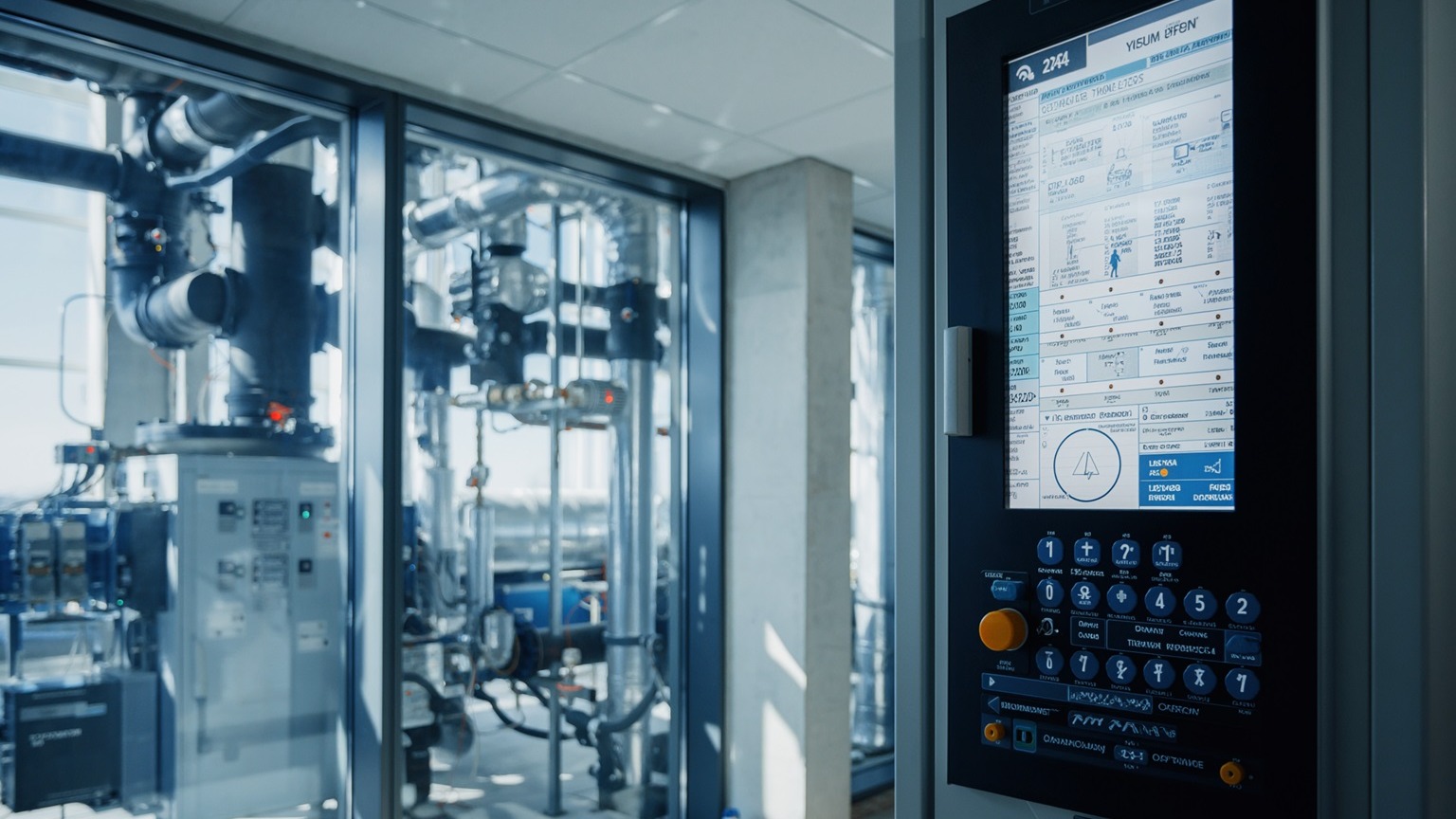
Commercial facilities face mounting pressure to reduce energy consumption whilst maintaining comfortable environments for occupants. Traditional heating controls, with their limited functionality and reactive operation, increasingly struggle to meet modern efficiency standards. Smart HVAC controls represent a transformative technology that addresses these challenges through intelligent automation, real-time optimization, and data-driven decision-making that dramatically improves heating system performance.
The evolution from basic thermostats to sophisticated smart control systems has fundamentally changed how commercial buildings manage thermal comfort and energy consumption. Facilities implementing these advanced technologies consistently achieve 15-30% energy reductions whilst enhancing occupant comfort and reducing maintenance burdens.
Understanding Smart Control Systems
Smart heating systems encompass networked controllers, sensors, actuators, and analytics software that work together to optimize heating performance automatically. Unlike conventional thermostats that simply maintain set temperatures, these intelligent systems continuously analyse multiple variables including occupancy patterns, weather conditions, time schedules, and equipment status to make sophisticated heating decisions.
The core components include distributed temperature sensors providing granular data from throughout facilities, smart controllers executing optimization algorithms, motorized valves and actuators enabling precise zone control, and cloud-based platforms aggregating data for analysis and remote management. This integrated architecture enables coordination impossible with traditional standalone controls.
Modern systems communicate via standardised protocols including BACnet, Modbus, or proprietary wireless networks, allowing seamless integration with existing building management systems. The connectivity enables centralised oversight of distributed heating equipment whilst maintaining localised control intelligence that continues functioning even during network disruptions.
Real-time monitoring capabilities provide unprecedented visibility into heating system operation. Facility managers access current temperatures, equipment status, energy consumption, and performance trends from any location via web browsers or mobile applications. This transparency facilitates proactive management rather than reactive firefighting when problems occur. National Pumps and Boilers provides comprehensive solutions supporting smart control implementation across diverse commercial applications.
Key Efficiency Improvements from Smart HVAC Controls
Automated Temperature Optimization
Smart HVAC controls continuously adjust heating output based on actual requirements rather than maintaining fixed temperatures regardless of conditions. The systems learn building thermal characteristics and occupancy patterns, enabling anticipatory heating that achieves comfort precisely when needed whilst minimizing energy waste during unoccupied periods.
Sophisticated algorithms balance multiple objectives including energy efficiency, comfort maintenance, and equipment longevity. The optimization considers factors traditional controls ignore, such as thermal mass effects, solar heat gains, and equipment cycling penalties. This holistic approach delivers superior efficiency without compromising comfort or equipment reliability.
Zone-Based Heating Management
Traditional systems often heat entire buildings uniformly despite varying occupancy and thermal requirements across different areas. Smart heating systems enable granular zone control, directing heating energy only where needed. Conference rooms receive heating just before scheduled meetings, office areas follow occupancy patterns, and storage spaces maintain minimal temperatures.
The zone-based approach eliminates wasteful heating of unoccupied spaces whilst ensuring occupied areas remain comfortable. Facilities with diverse usage patterns achieve particularly dramatic savings, often reducing overall heating energy by 25-35% through intelligent zone management alone. Quality central heating pumps support effective zone control through reliable circulation management.
Occupancy Detection and Scheduling
Integrated occupancy sensors detect presence automatically, eliminating reliance on manual adjustments or rigid schedules that poorly match actual building use. The systems learn usage patterns over time, developing optimised schedules that anticipate normal occupancy whilst responding dynamically to variations.
Holiday periods, weekend usage variations, and seasonal pattern changes receive automatic accommodation without manual intervention. The adaptive scheduling ensures heating operates only when beneficial, preventing energy waste whilst maintaining comfort when occupants arrive.
Weather Compensation Features
Smart HVAC controls integrate local weather data and forecasts to optimize heating proactively. Rather than waiting for indoor temperatures to drop before increasing output, the systems anticipate heating needs based on predicted weather conditions and building thermal response characteristics.
This anticipatory approach maintains more stable indoor conditions whilst reducing energy consumption. The weather compensation prevents excessive temperature swings during rapidly changing conditions, improving comfort whilst minimizing equipment cycling that reduces efficiency and accelerates wear.
Load Balancing and Demand Response
Facilities with multiple heating zones or equipment benefit from intelligent load balancing that distributes demand efficiently across available capacity. The coordination prevents equipment from operating simultaneously at low efficiency whilst ensuring adequate capacity remains available for unexpected demands.
Demand response capabilities enable participation in utility programmes that reward energy consumption reductions during peak pricing periods. Smart heating systems automatically implement pre-programmed demand response strategies, reducing heating during high-cost periods whilst minimizing comfort impacts through careful pre-conditioning and zone prioritization.
Energy Savings Through Intelligent Control
Quantifiable Efficiency Improvements
Comprehensive studies document average energy savings of 15-30% following smart HVAC controls implementation, with well-optimized systems occasionally exceeding 35% reductions. The savings derive from multiple mechanisms working synergistically, including reduced runtime during unoccupied periods, optimized equipment cycling, improved zone control, and elimination of simultaneous heating and cooling.
Consider a commercial facility consuming £80,000 annually in heating costs - a conservative 20% reduction delivers £16,000 yearly savings. With typical implementation costs ranging £25,000-50,000 depending on facility size and complexity, payback periods of 2-4 years make compelling financial cases even before considering comfort improvements, maintenance benefits, and carbon reduction value.
Reduction in Heating Cycles
Equipment cycling frequency directly impacts both energy efficiency and equipment longevity. Frequent on-off cycling reduces boiler efficiency, accelerates component wear, and increases maintenance requirements. Smart heating systems optimize cycle timing, ensuring adequate runtime for efficient operation whilst preventing excessive cycling during low-demand periods.
The sophisticated control extends equipment service life by 20-30% through reduced wear, whilst maintaining slightly higher average efficiency throughout operational periods. This dual benefit of improved efficiency and reduced replacement frequency substantially enhances total value from smart control implementation.
Minimized Energy Waste
Traditional controls frequently create energy waste through poor coordination between heating equipment, inadequate response to changing conditions, and inability to anticipate requirements. Smart HVAC controls eliminate these inefficiencies through comprehensive system optimization that considers equipment interactions, thermal dynamics, and usage patterns simultaneously.
The waste reduction extends beyond obvious savings like preventing heating during unoccupied periods to include subtle improvements such as minimizing overheating that triggers ventilation, coordinating multiple heating zones efficiently, and preventing equipment from fighting each other through poor sequence coordination. Modern Grundfos circulators integrate seamlessly with smart control systems for optimal performance.
Advanced Features of Modern Smart Heating Systems
Remote Access and Monitoring
Cloud connectivity enables facility managers to monitor and adjust heating systems from anywhere via smartphones, tablets, or computers. This remote capability proves invaluable for multi-site operations, allowing centralized management across distributed facilities without extensive travel.
Emergency situations receive immediate attention regardless of staff location. Alarm notifications alert managers instantly to equipment failures, temperature excursions, or other critical issues requiring response. The rapid notification prevents minor problems from escalating into major failures through early intervention.
Predictive Maintenance Alerts
Smart heating systems continuously monitor equipment performance parameters, comparing current operation against baseline characteristics established during commissioning. Gradual degradation signals developing maintenance needs before outright failures occur, enabling scheduled interventions during convenient periods rather than emergency repairs.
The predictive capability reduces total maintenance costs by 15-25% through elimination of emergency callouts, prevention of secondary damage from component failures, and optimization of preventive maintenance scheduling based on actual equipment condition rather than arbitrary time intervals.
Data Analytics and Reporting
Comprehensive data collection enables detailed analysis of heating system performance, energy consumption patterns, and optimization opportunities. The analytics identify inefficiencies, validate energy savings from implemented improvements, and support continuous optimization efforts.
Automated reporting provides documentation supporting energy management initiatives, regulatory compliance, and internal decision-making. The standardized reports track key performance indicators over time, revealing trends and highlighting areas warranting attention.
Integration with Renewable Energy Sources
Modern smart HVAC controls coordinate seamlessly with renewable energy systems including solar thermal collectors and heat pumps. The intelligent coordination maximizes renewable energy utilization whilst ensuring backup conventional heating maintains comfort during periods when renewable sources prove insufficient.
The integration optimizes overall energy costs by prioritizing renewable sources when available, managing thermal storage effectively, and minimizing conventional fuel consumption. Facilities pursuing sustainability goals benefit enormously from this coordinated approach to heating management.
Return on Investment Considerations
Initial Implementation Costs
Smart heating system implementation typically requires investment in controllers, sensors, actuators, installation labour, and commissioning services. Costs vary substantially based on facility size, existing infrastructure compatibility, desired feature sophistication, and integration complexity.
Simple installations in facilities with compatible equipment may cost £10,000-20,000, whilst comprehensive retrofits in complex buildings can reach £50,000-100,000 or more. Despite significant upfront investment, the compelling energy savings and operational benefits typically deliver attractive returns within 2-5 years.
Payback Period Calculations
Accurate payback analysis must consider all relevant factors including energy cost savings, reduced maintenance expenses, extended equipment life, improved comfort value, and potential utility incentives supporting efficiency upgrades. Many regions offer substantial grants or rebates for smart control implementation, dramatically improving financial returns.
Facilities with high energy costs, extended operating hours, and inefficient baseline systems achieve fastest payback, often under 2 years. Even facilities with moderate savings potential typically achieve payback within 3-4 years whilst enjoying ongoing benefits throughout 15-20+ year system lifespans. Equipment suppliers like Wilo provide efficient components supporting smart control strategies.
Long-Term Operational Savings
Beyond direct energy cost reductions, smart HVAC controls deliver ongoing operational benefits including reduced maintenance burdens, fewer emergency repairs, improved comfort leading to enhanced productivity, better compliance documentation, and enhanced ability to respond to changing energy pricing or regulatory requirements.
The accumulated value over equipment lifespans far exceeds initial investment, making smart control implementation among the most cost-effective efficiency measures available to commercial facilities. Facilities that embrace comprehensive optimization consistently outperform those relying on basic controls, achieving lower total operating costs whilst maintaining superior comfort and reliability.
Selecting the Right Smart Heating System
Assessment of Facility Requirements
Successful implementation begins with thorough evaluation of current heating systems, operational patterns, efficiency goals, budget constraints, and technical capabilities. Understanding specific requirements enables appropriate technology selection matching needs without over-investment in unnecessary sophistication.
Facility audits identify optimization opportunities, quantify potential savings, and reveal integration challenges requiring attention. The assessment process establishes baseline performance metrics supporting future measurement of implemented improvements.
Compatibility with Existing Infrastructure
Smart heating systems vary significantly in their ability to integrate with existing equipment. Some require substantial infrastructure modifications whilst others retrofit seamlessly to legacy systems. Evaluating compatibility early prevents costly surprises during implementation and ensures selected systems meet both immediate needs and future expansion possibilities.
Modern controllers typically accommodate various sensor types, communication protocols, and actuator specifications, though verifying specific compatibility for existing equipment remains essential. Manufacturers' technical support teams assist with compatibility assessment during planning phases.
Scalability Considerations
Facilities should select systems accommodating future growth, additional building integration, or enhanced functionality without requiring complete replacement. Modular architectures support incremental expansion, allowing initial implementations in priority areas followed by gradual rollout across entire facilities as budgets permit and value becomes evident.
The scalability ensures investments remain productive throughout their lifespans rather than becoming obsolete as requirements evolve. Planning for expansion during initial implementation proves far more cost-effective than discovering systems cannot accommodate future needs.
Conclusion
Smart HVAC controls and smart heating systems represent transformative technologies delivering substantial energy savings, improved comfort, reduced maintenance burdens, and enhanced operational visibility. The combination of intelligent automation, real-time optimization, and comprehensive data analytics enables efficiency levels impossible with traditional heating controls.
Facilities implementing these advanced systems consistently achieve 15-30% energy reductions alongside numerous operational benefits that enhance total value beyond direct cost savings. The compelling financial returns, typically within 2-4 years, make smart control upgrades among the most attractive efficiency investments available to commercial building operators.
For expert guidance on smart heating system selection, implementation planning, and performance optimization tailored to your facility's specific requirements, contact us to discuss comprehensive solutions with our experienced technical team.