

What Building Services Consultants Should Consider When Specifying Commercial Pumps
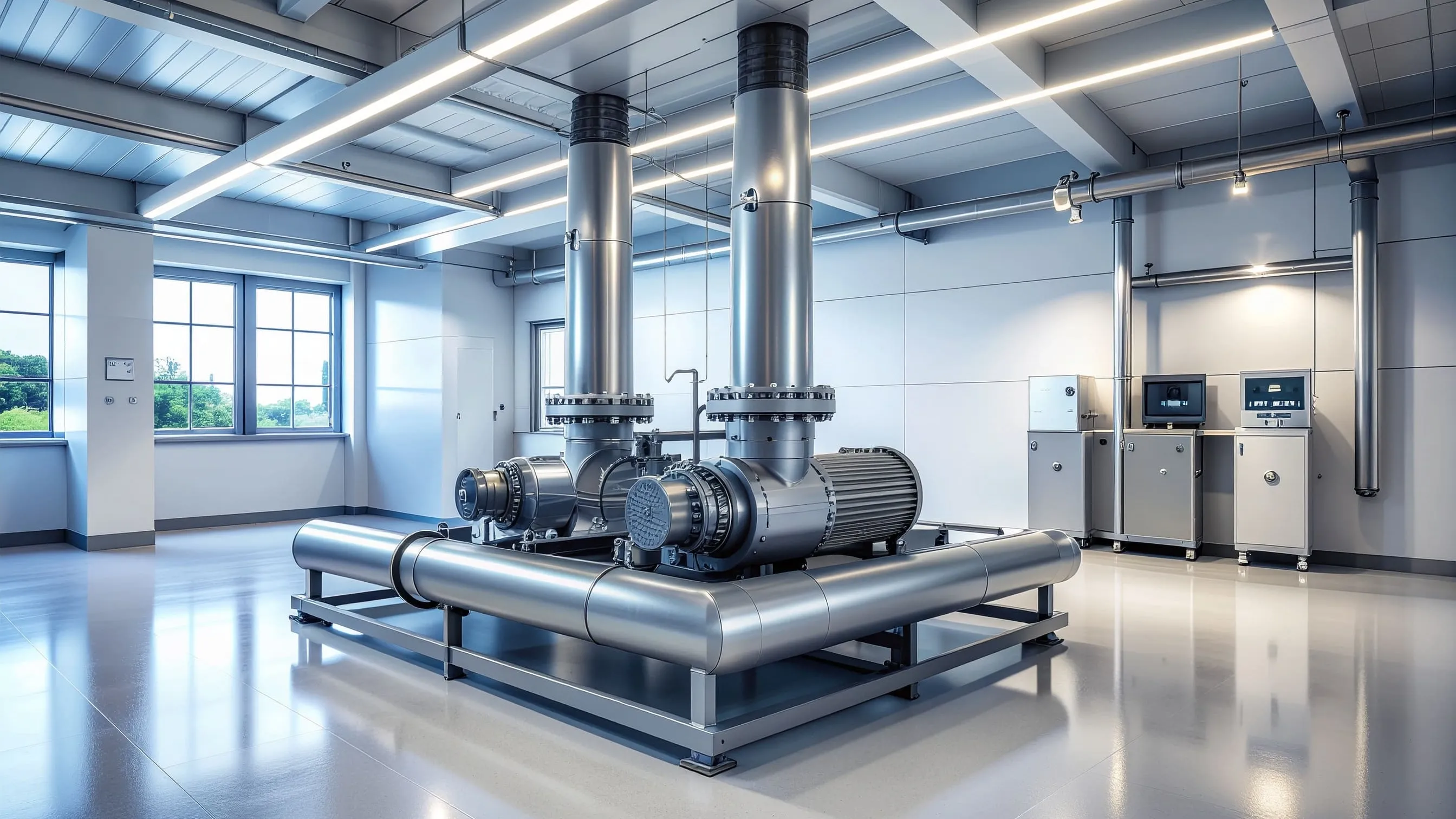
Specifying commercial pumps requires a precise balance of fluid dynamics, energy efficiency mandates, and strict budgetary control. Building services consultants carry the heavy responsibility of selecting mechanical equipment that will operate for decades. A poor specification doesn't just waste a client's capital budget upfront. It actively drains their operational budget through substantial electrical inefficiencies year after year.
Modern commercial buildings demand highly sophisticated mechanical responses to fluctuating thermal loads. Consultants can no longer rely on simplistic sizing rules of thumb or inflated safety margins. You must evaluate every single pump against strict criteria including lifecycle costs, digital connectivity, and physical plant room constraints. This professional approach protects your consulting reputation and delivers highly optimised, compliant systems for your clients.
The Financial and Operational Stakes of Pump Selection
The decisions made during the schematic design phase permanently lock in a building's baseline energy consumption. Commercial circulation pumps often run continuously for thousands of hours every single year. Even a slightly oversized pump operating inefficiently at part-load wastes substantial electrical energy. Specifying a precisely matched Lowara water pump actively mitigates this specific operational risk.
Consultants must educate their clients about the massive difference between capital expenditure and operational expenditure. Presenting a cheaper, lower-tier pump might win short-term approval during value engineering meetings. However, that exact same pump will likely cost the client ten times its purchase price in wasted electricity over its lifespan.
Accurate Load Profiling and System Resistance
Proper pump sizing begins with exceptionally rigorous mathematical analysis of the building's hydraulic network. You must account for the specific friction losses generated by every metre of pipework, control valve, and heat emitter. Performing a thorough dynamic system head calculation is the only reliable way to determine the true mechanical resistance.
Think of a dynamic system head calculation exactly like planning fuel for a heavy freight truck. You don't just calculate the straight-line distance to the destination. You have to account for every single steep hill, sharp turn, and traffic stop along the entire route to ensure you have enough power. Partnering with a specialist like National Pumps and Boilers provides consultants with access to highly accurate flow data and sizing support.
A senior consultant on a recent hospital wing upgrade relied entirely on thirty-year-old as-built drawings. They completely skipped performing a proper dynamic system head calculation for the new pipework layout. Once commissioned, the undersized pump couldn't push water past the third floor, forcing a highly embarrassing and costly immediate replacement.
Navigating ErP Directives and Energy Efficiency
The Energy-related Products Directive fundamentally transformed how consultants specify commercial circulation equipment. It legally phased out outdated, fixed-speed induction motors in favour of highly intelligent permanent magnet technology. You must specify an ErP compliant variable speed circulator for virtually all new commercial heating and cooling applications.
To remain fully compliant with current regulations, consultants must verify several critical parameters:
- The pump must feature an Energy Efficiency Index rating of 0.23 or lower.
- The unit must modulate its speed automatically in response to varying system demands.
- The equipment should log operational data to prove ongoing efficiency to facility managers.
- The installation must comply with BS EN 12828 safety standards for heating systems.
Specifying a modern central heating pump that exceeds these baseline metrics future-proofs the building. An ErP compliant variable speed circulator delivers outstanding part-load efficiency, dropping its electrical draw dramatically when thermal demand is low.
Integration with Modern Building Management Systems
Standalone mechanical equipment no longer meets the needs of modern, data-driven commercial facilities. Facilities managers expect their central building management systems to monitor and control every single hydraulic circuit in real time. Specifying a pump equipped with a native BMS BACnet communication module is now an industry standard requirement.
This connectivity allows the building to adjust pump speeds based on external weather compensation and live occupancy data. A properly configured digital communication gateway also transmits early warning fault codes directly to maintenance dashboards. Specifying a smart Wilo circulator with these digital protocols pre-installed saves contractors hours of frustrating on-site commissioning work.
Built-In Redundancy and Reliability Strategies
Mechanical failures in critical buildings like hospitals, data centres, and luxury hotels cause unacceptable operational disruptions. Consultants must design robust redundancy directly into the primary hydraulic circuits to mitigate this risk. Specifying proper twin-head commercial pump redundancy provides an immediate, automatic backup if the primary motor fails.
Modern control systems automatically rotate the duty cycle between the two pump heads every week. This intelligent rotation within a dual-pump configuration equalises mechanical wear across the bearings and seals. A premium grundfos pump configured for automatic duty and standby operation offers exceptional peace of mind for high-stakes commercial environments.
Physical Footprint and Plant Room Constraints
Plant room space is incredibly expensive in modern commercial developments, frequently leading architects to compress mechanical areas severely. Consultants constantly battle to fit required equipment and safe maintenance clearances into highly restricted footprints. Vertical inline pump designs provide a brilliant solution by significantly reducing the required floor space compared to traditional long-coupled end-suction models.
You must also consider the physical logistics of getting heavy equipment into basement plant rooms or onto roof decks. Specifying modular equipment components helps contractors navigate tight stairwells and narrow service corridors safely. Integrating a compact DAB water pump package often solves these spatial constraints without sacrificing any necessary hydraulic power.
Lifecycle Costing Versus Initial Capital Expenditure
Professional consultants must always advocate for long-term value over short-term savings. The initial purchase price of a commercial pump represents only a tiny fraction of its total lifecycle cost. Maintenance requirements, operational downtime, and electrical consumption dominate the financial profile of the equipment over a fifteen-year period. For example, investing in a premium DHW circulation pump rather than a budget alternative significantly reduces these ongoing maintenance burdens.
High-quality pump isolation valves may cost slightly more upfront during the installation phase. However, they allow maintenance teams to replace a failing pump head in thirty minutes without draining the entire building. This simple specification detail saves thousands of pounds in labour and prevents massive system disruptions down the line.
Conclusion
Specifying commercial pumps requires rigorous attention to hydraulic mathematics, energy regulations, and long-term operational practicalities. Building services consultants must protect their clients by pushing back against arbitrary value engineering that compromises core system efficiency. Relying on accurate load profiling rather than outdated rules of thumb is the only way to deliver truly optimized mechanical designs.
Embracing variable speed technology, digital integration, and duty/standby redundancy builds highly resilient facilities. By prioritising lifecycle costs, you deliver sustainable systems that operate quietly and efficiently for decades. If you are currently drafting a complex specification and need precise technical support, Speak to a Specification Expert. We can verify your calculations and help you select the optimal equipment for your project today.