

What Facility Managers Need to Know About Gas Purging and Testing
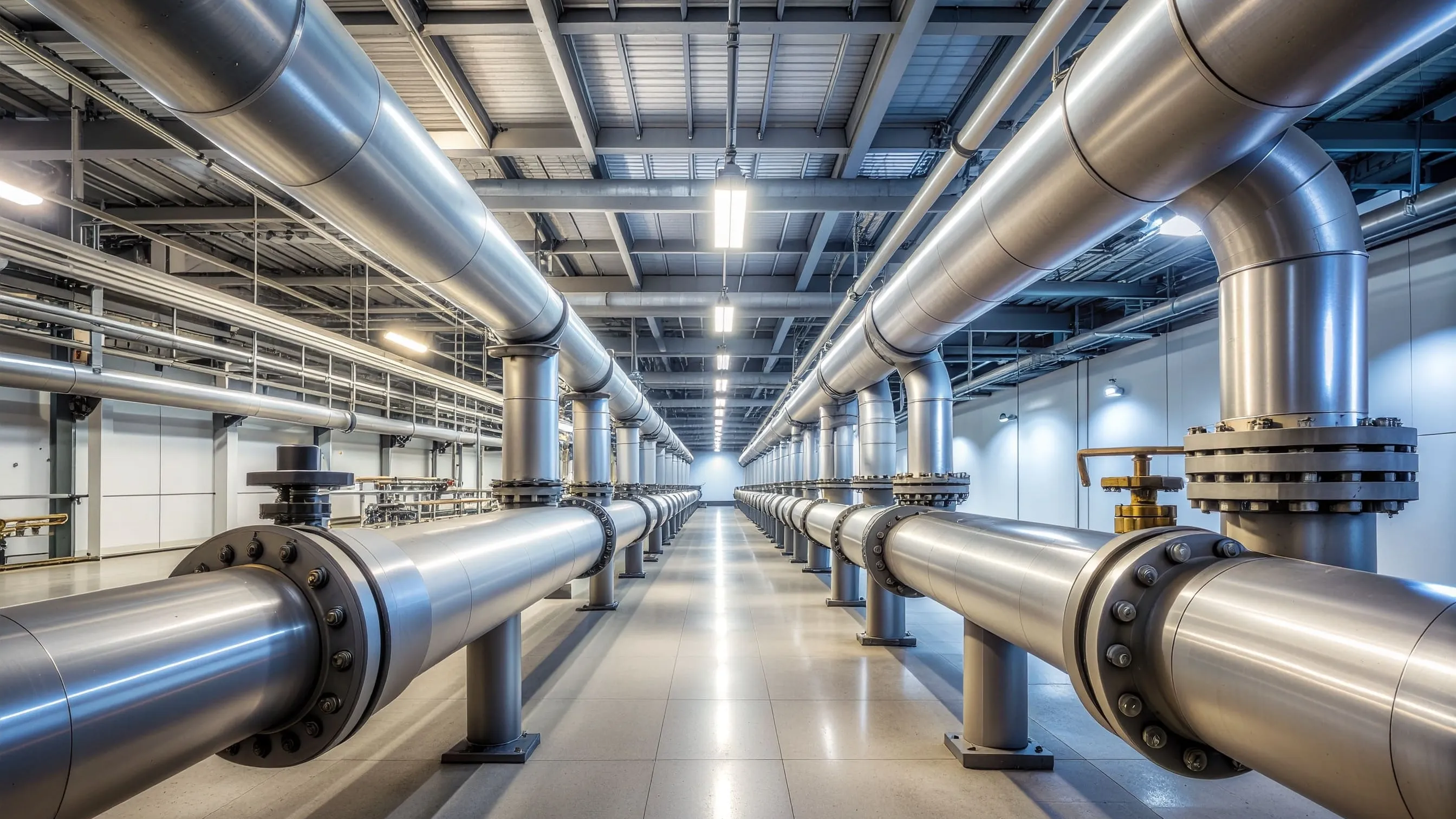
Commercial gas purging represents a critical, yet frequently misunderstood, aspect of heating system commissioning. For facility managers overseeing large buildings, understanding the safety protocols surrounding this process can mean the difference between a highly efficient operation and a catastrophic system failure. The process safely removes air from gas pipework before commissioning, ensuring proper combustion across complex heating installations.
The stakes extend far beyond immediate safety concerns. Inadequate purging leads to incomplete combustion, reduced boiler efficiency, and premature equipment wear. In commercial facilities where heating systems serve hundreds of occupants, these failures carry severe financial and operational consequences. British Standards mandate specific purging procedures, placing the legal responsibility firmly on facility managers to ensure proper implementation.
Understanding the Fundamentals of Gas Purging
Commercial gas purging involves systematically displacing air from gas pipework with natural gas before you connect appliances and initiate combustion. Unlike a domestic setup where pipework runs might measure a few metres, commercial systems often feature extensive pipe networks spanning multiple floors. This vast scale transforms the process from a simple task into a highly complex engineering operation.
Initial purging occurs during new installations or when pipework has been opened for maintenance. The process ensures that when gas first reaches the burners, the fuel-air mixture contains the exact gas concentration required for safe ignition. Air trapped in the pipework dilutes the gas supply, creating mixtures that are too lean for proper combustion.
Think of commercial gas purging like bleeding a massive commercial radiator system. If you leave air trapped in the system, the water cannot circulate properly, and the radiator stays cold. Similarly, if you leave air in a gas pipe, the fuel cannot ignite cleanly, resulting in a dangerous, spluttering burner that produces lethal carbon monoxide. Proper commercial gas purging ensures a smooth, solid flow of pure fuel. National Pumps and Boilers regularly advises facility managers on ensuring these vital commissioning steps are fully documented.
Regulatory Frameworks and Industry Standards
A common mistake in the M&E sector is applying domestic standards to heavy commercial plant. While basic BS 6891 purging standards apply to smaller light-commercial pipework (up to 35mm), heavy commercial facilities with larger gas volumes must adhere to strict IGEM/UP/1 protocols. Attempting to use BS 6891 purging standards on massive industrial pipework is a dangerous breach of compliance.
The Gas Safety (Installation and Use) Regulations 1998 impose strict legal duties on anyone managing gas systems. Regulation 26 requires that gas fittings are commissioned according to appropriate standards. For facility managers, this translates to ensuring only qualified, Gas Safe registered commercial engineers perform these tasks.
Documentation requirements extend well beyond the initial handover. Facility managers must maintain comprehensive records showing exact purging dates, the specific methods used, test results, and engineer certifications. These records prove absolutely essential during insurance audits or when troubleshooting a modern Wilo circulator system that may have integrated gas sensors relying on pure gas quality.
Pre-Purging Preparation and Pipework Testing
Rigorous commercial pipework testing must precede any purging operation. Engineers must physically verify that all pipework joints achieve completely gas-tight seals before they introduce a single drop of fuel. The standard commercial pipework testing protocol involves pressurising the system with compressed air or an inert gas, then meticulously monitoring for any pressure drops.
Commercial pipework testing differs significantly from domestic checks. Large systems require extended test periods—often lasting several hours—to detect microscopic leaks that represent serious safety hazards when multiplied across a massive building. Electronic pressure recording equipment provides auditable evidence of this testing, which is critical for compliance.
A mechanical contractor recently faced major handover delays at a newly built secondary school. The team had rushed the initial testing and failed to purge a 50-metre run of high-level pipework properly. When they attempted to fire the boilers, the trapped air caused immediate explosive ignition failures and locked the system out. They had to drain the entire gas train and repeat the proper purging sequence, delaying the handover by two full days.
Equipment preparation also involves verifying that all appliances remain isolated during the test. For instance, if you are commissioning an ecoTEC commercial boiler, its gas valves must remain completely closed, with manual isolation valves providing a secondary layer of protection.
Methods for Purging Large-Scale Systems
Direct purging involves releasing gas directly to the atmosphere. However, commercial installations almost invariably require the indirect purging method due to the massive gas volumes involved. The indirect purging method uses temporary pipework to route the purged gas safely away from building openings, ignition sources, and occupied areas.
Using the indirect purging method is non-negotiable for large-scale safety. A typical commercial heating system might contain over 1,000 litres of pipework volume. Venting this amount of raw natural gas directly into a plant room or an adjacent courtyard creates a highly explosive atmosphere.
Purging point selection follows a strict, systematic logic. Engineers always start from the main gas meter, working progressively through the distribution network towards the furthest appliances. Each branch requires individual attention. Dead legs—sections of pipework serving removed appliances like old andrews water heaters—demand particular vigilance, as they easily harbour dangerous air pockets.
Post-Purging Gas Testing and Verification
Once the physical purge is complete, flue gas analysis provides the definitive evidence of proper combustion. Engineers use electronic analysers to measure oxygen, carbon dioxide, and carbon monoxide levels in the exhaust gases. Correct flue gas analysis readings confirm that the burners are finally receiving undiluted, clean fuel.
Thorough flue gas analysis is vital because elevated oxygen readings instantly indicate excess air, proving that the purge was incomplete or that infiltration is occurring. Modern condensing boilers rely on highly sophisticated combustion controls that require precise gas quality. Even minor air contamination will disrupt these controls, causing severe efficiency losses.
Carbon monoxide testing receives particular emphasis during this phase. Acceptable levels should not exceed 200 parts per million, with readings below 100ppm considered optimal. If the analysis reveals elevated carbon monoxide, the engineer must halt the commissioning. Facility managers must ensure engineers investigate and resolve any elevated readings before accepting the system. Reliable water movement relies on a proper lowara water pump, just as reliable combustion relies entirely on pure gas delivery.
Safety Protocols During Commissioning
Ventilation requirements for plant rooms during active purging operations heavily exceed normal operational standards. Mechanical ventilation systems must operate continuously throughout the process, with air change rates typically exceeding 10 volumes per hour. Natural ventilation alone rarely provides adequate capacity for commercial purging.
Personal protective equipment is mandatory. This includes highly sensitive gas detection monitors worn by individual engineers. These personal monitors provide an immediate, audible warning if gas concentrations in the engineer's breathing zone approach dangerous levels.
Emergency procedures must be established before any valve is turned. Engineers require clear communication protocols, emergency shutdown procedures, and designated assembly points. The location of all emergency gas isolation valves must be clearly marked. If the plant room houses a large central heating system pump, ensure it is isolated electrically so a stray spark does not trigger an incident.
Temporary supplementary ventilation often becomes necessary during tricky commissioning phases. Basement installations or tightly packed rooftop plant rooms can easily trap lighter-than-air natural gas at the ceiling level. Portable ATEX-rated fans positioned to create positive airflow towards external venting points are heavily utilised during these operations.
Conclusion
Commercial gas purging demands systematic planning, precise execution, and exhaustive documentation. Facility managers carry the ultimate legal responsibility for ensuring these proper commissioning procedures take place. The technical complexities surrounding large commercial installations require specialist knowledge that extends well beyond standard domestic practices.
Safety considerations pervade every single aspect of the purging operation. Adequate ventilation, continuous electronic gas monitoring, and established emergency procedures protect both the commissioning personnel and the building occupants. Regulatory compliance relies on following proper IGEM and British Standards precisely, maintaining comprehensive documentation, and engaging only appropriately qualified engineers.
The investment in proper purging procedures delivers substantial long-term returns through improved system efficiency and enhanced operational safety. Commercial heating systems represent massive capital investments that deserve commissioning practices guaranteeing optimal performance from day one. If you require specialist guidance on commercial commissioning or need to upgrade your plant room infrastructure, Get the Right Solution by speaking directly with our team of commercial heating experts.