

What Is a Calorifier and How Does It Work in Commercial Hot Water Systems?
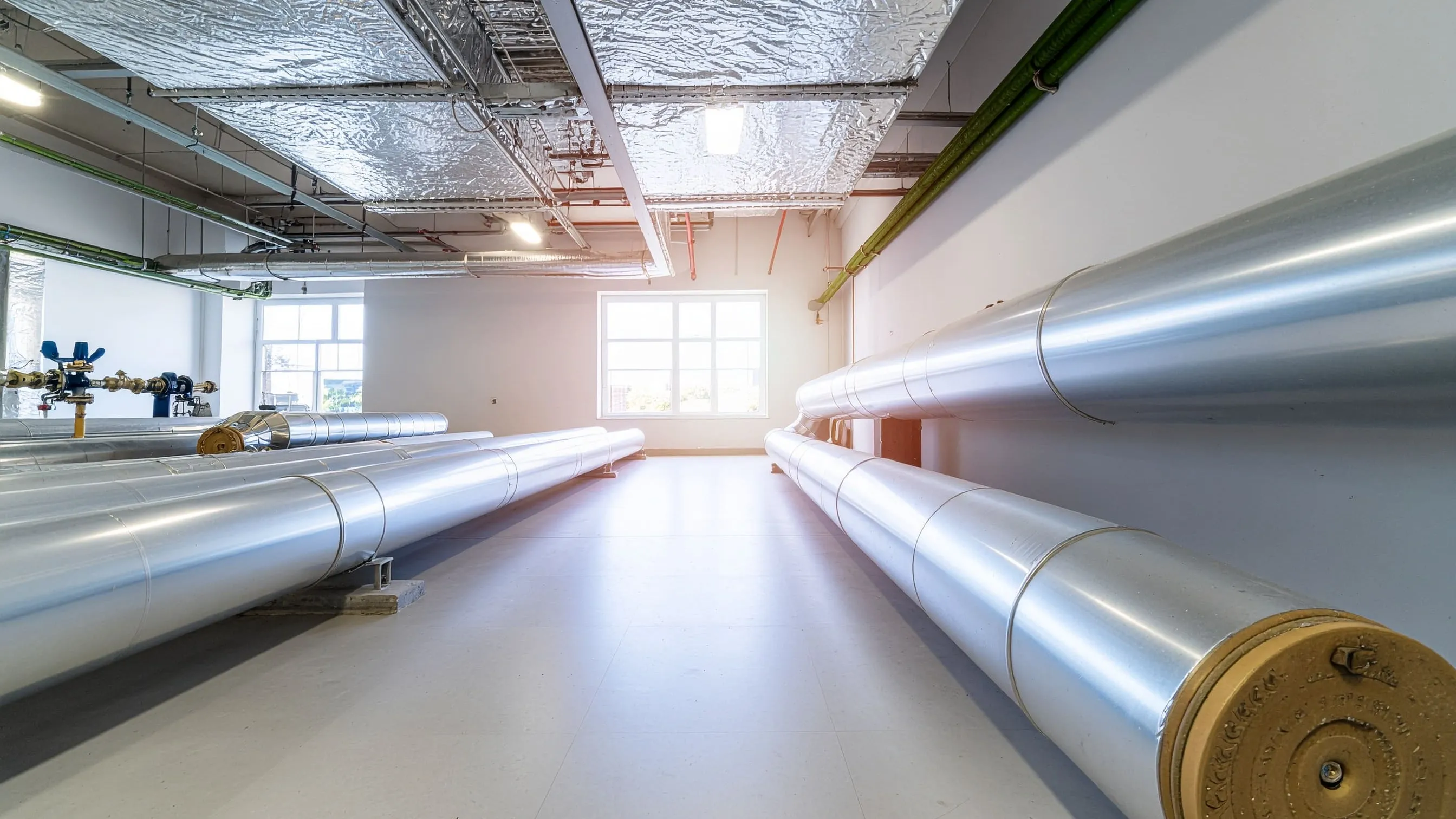
Large commercial buildings demand highly reliable hot water delivery at massive volumes. Standard domestic plumbing systems simply cannot match this intense, continuous draw-off requirement. Understanding exactly what is a calorifier helps building services engineers specify safe and efficient commercial systems. These highly robust vessels deliver consistent performance for hotels, hospitals, leisure facilities, and industrial premises every single day.
The term originates directly from the Latin word for heat. Having a commercial calorifier explained properly is absolutely critical before beginning any mechanical plant room specification. This specific terminology refers to an advanced indirect water heater where a dedicated heat exchanger coil sits inside a large storage vessel. The primary heating water never actually mixes with the stored domestic hot water at any point.
This strict physical separation prevents drinking water contamination entirely. It allows mechanical engineers to apply different chemical water treatments to the primary heating circuit safely. This fundamental design principle makes these specific units absolutely essential in high-demand plumbing applications. They provide the perfect mechanical balance between large thermal storage capacity and rapid temperature recovery.
How a Calorifier Works
The core operating principle centres entirely on thermodynamic heat transfer. A primary heat source like a heavy commercial boiler generates hot water. This primary fluid circulates through a submerged metallic coil located deep inside the main storage vessel. The highly heated coil transfers its thermal energy directly into the surrounding domestic water.
The primary heating circuit operates as a completely closed loop. A dedicated Grundfos Solar Pumps unit or standard circulator pushes this fluid through the internal coil continuously. A motorised control valve regulates this hot flow based on precise electrical feedback from internal temperature sensors.
Because the two fluids never mix, the primary circuit can safely contain chemical inhibitors or antifreeze. The secondary side contains pure, potable drinking water destined for the building taps and showers. Having a commercial calorifier explained in these strict mechanical terms demystifies the entire indirect heating process perfectly.
The Physics of Thermal Stratification
Thermal stratification occurs completely naturally within any large body of stored water. Heated water becomes less dense and physically rises to the very top of the steel vessel. Cooler, denser water automatically settles at the very bottom near the cold inlet. This natural temperature gradient improves overall system efficiency dramatically.
It ensures the absolute hottest water always remains available at the uppermost draw-off point. Meanwhile, the coldest water constantly contacts the lower heat exchanger coil. This massive temperature difference between the incoming cold water and the hot coil drives maximum heat transfer.
Quality commercial units incorporate internal baffles and dedicated coil positioning to optimise this exact physical effect. Disrupting this delicate stratification ruins system efficiency and causes highly inconsistent delivery temperatures. Installers must carefully manage return flow velocities to keep this natural thermal layering completely intact.
Types of Commercial Calorifiers
Indirect models completely dominate modern commercial mechanical plumbing installations. Single coil models connect to one dedicated central boiler plant for straightforward heating. Dual coil variants accommodate two completely separate primary heating circuits simultaneously. This dual configuration easily combines a traditional gas boiler with renewable solar thermal inputs.
Vertical orientation represents the absolute standard for commercial hot water storage vessels. Vertical tanks maximise natural thermal stratification and deliver highly superior thermal performance. Horizontal models only suit cramped plant rooms with severe architectural height restrictions.
You must securely mount horizontal units on dedicated steel saddle supports. However, their drastically reduced height severely limits natural thermal layering. Ensuring you have high-quality Valve Engineer Supplies is crucial for isolating these complex multi-coil configurations safely during routine maintenance.
Key Components and Safety Systems
The internal heat exchanger coil determines the overall thermal performance completely. Copper coils offer excellent thermal conductivity and superb corrosion resistance in properly treated systems. Stainless steel alternatives suit highly aggressive water conditions safely without degrading. Manufacturers always specify the exact coil surface area in square metres.
Larger surface areas deliver much faster temperature recovery times following heavy usage. Insulation quality also dictates your long-term operational efficiency heavily. Strict adherence to Building Regulations Part L mandates minimum insulation standards for all commercial cylinders. These units typically feature heavy polyurethane foam insulation beneath a protective steel jacket.
Safety devices are absolutely non-negotiable on unvented commercial heating systems. British Standard BS 853 strictly specifies the requirements for temperature and pressure relief valves. Facility managers must strictly test these brass safety devices annually to ensure absolute regulatory compliance.
Applications in Healthcare and Hotels
Hotels experience massive simultaneous demand across multiple rooms and kitchens every single morning. Calorifiers provide the crucial thermal storage buffer required to prevent sudden temperature drops. Large hotels frequently specify multiple units piped together in parallel cascade configurations to guarantee uninterrupted supply.
Healthcare facilities demand absolute mechanical reliability and incredibly stringent hygiene standards. Hospital systems must maintain precise temperature control for vital infection prevention protocols. They must simultaneously deliver sufficient capacity for daily patient care and continuous sterilisation equipment operation.
Hospital systems must strictly meet HTM 04-01 requirements for healthcare hot water safety. Specifying a robust DHW Approved Range circulation pump ensures constant movement through the complex distribution network. This prevents dangerous water stagnation and protects vulnerable patients from lethal bacterial growth.
Industrial and Leisure Applications
Leisure centres and public swimming pools consume staggering volumes of hot water daily. Dozens of showers operating simultaneously require massive instant thermal delivery. Calorifiers in these environments often connect to combined heat and power systems to maximise overall building efficiency.
They can also extract waste heat from the main pool dehumidification plant safely. Industrial process heating relies heavily on these robust indirect cylinders to maintain production. Heavy manufacturing processes and chemical dilution require highly consistent, large-scale hot water delivery constantly.
A commercial installer recently fitted a standard direct electric cylinder in a busy commercial laundry. The unit could not keep up with the massive continuous flow requirements. Swapping it for a properly sized Andrews Storage Heaters indirect water heater resolved the severe bottleneck instantly.
Sizing and Specification Guidelines
Accurate mathematical demand calculation forms the bedrock of proper mechanical specification. British Standard BS 8558 provides the exact framework for sizing these commercial systems. You must carefully calculate peak hourly demand and establish highly acceptable recovery times.
Storage capacity in commercial settings ranges from 300 litres to several thousand litres. Undersizing creates immediate hot water shortages during morning peaks. Oversizing increases your daily standing heat losses and raises your bacterial contamination risks significantly due to unused stored volume.
The relationship between storage volume and coil surface area dictates system success. A larger coil area delivers incredibly fast temperature recovery after heavy usage. Integrating highly efficient Remeha Condensing Boilers ensures the primary circuit provides enough thermal energy to support these rapid recovery rates.
Maintenance and Legionella Control
Legionella bacteria control dictates exactly how commercial hot water systems must operate legally. The HSG274 Part 2 guidance requires stored water temperatures to remain above 60°C constantly. You must install a high-limit thermostat to enable weekly thermal pasteurisation cycles at 65°C safely.
Regular inspection schedules strictly protect your expensive mechanical investment. You must examine the external jacket, verify insulation integrity, and check all safety valves quarterly. Hard water areas require annual chemical descaling to maintain optimal heat transfer efficiency across the internal coil.
Units incorporating sacrificial magnesium anodes require annual internal inspections. You must replace the internal anode when it becomes 75 percent consumed to prevent catastrophic tank corrosion. Reliable Lowara Domestic Pumps keep the primary circuit flowing smoothly during these vital chemical maintenance procedures.
Comparing Calorifiers to Plate Heat Exchangers
Some mechanical engineers consider plate heat exchangers as an alternative to traditional calorifiers. Plate exchangers provide instantaneous hot water without requiring massive storage tanks. However, they completely lack the vital thermal buffer needed for sudden, massive demand spikes.
Think of a calorifier exactly like a massive thermal battery for your building. It stores thermal energy slowly overnight and releases it rapidly during the morning rush. Instantaneous systems must generate all that heat the exact second a commercial tap opens.
This requires an incredibly large and heavily expensive primary boiler plant to function. A commercial calorifier explained technically proves vastly superior for any building with pronounced demand peaks. These dedicated hot water storage vessels protect against sudden system failures and boiler lockouts brilliantly.
Conclusion
Understanding exactly what is a calorifier ensures you specify the safest and most efficient commercial hot water system possible. These robust vessels provide vital thermal storage that instantaneous heating solutions simply cannot match safely. The indirect heating principle protects your potable water quality perfectly while allowing highly flexible heat source integration.
Proper specification requires balancing peak demand profiles against rapid temperature recovery requirements. You must strictly adhere to Building Regulations Part L for efficiency and HSG274 for Legionella control. When sized and maintained correctly, these commercial systems deliver decades of flawless, high-volume performance.
If you are planning a commercial hot water upgrade and need specific technical guidance, Request Technical Support today. Our experienced engineering team will help you specify the perfect storage solution for your exact building requirements.