

What Is a Pressurisation Unit and Why Does Your Heating System Need One
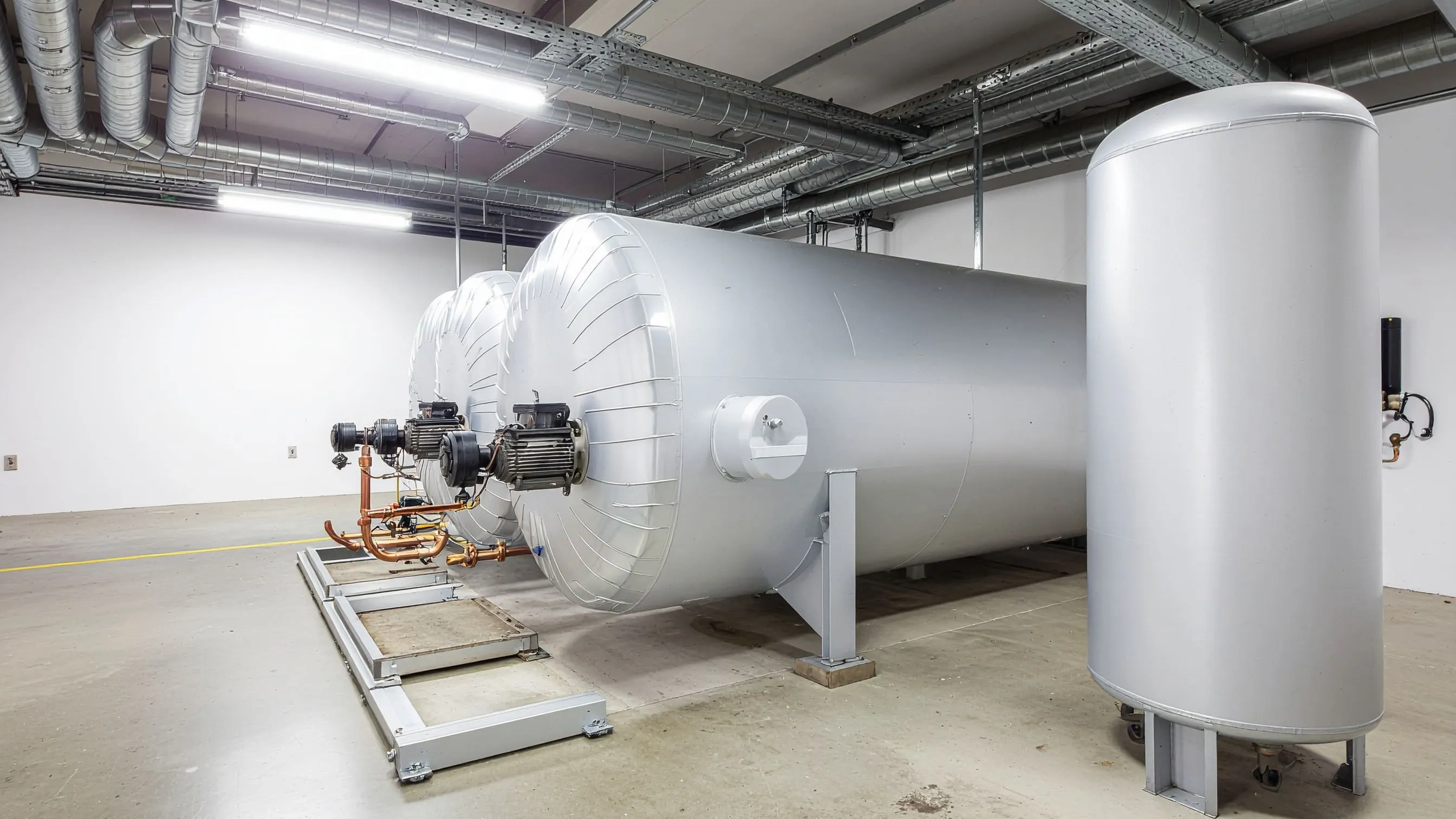
Pressurisation units remain one of the most misunderstood components in commercial and large-scale domestic heating installations. Many heating engineers encounter systems where pressure losses cause repeated breakdowns, yet the root cause of inadequate pressure maintenance goes unaddressed. A pressurisation unit solves this problem by automatically maintaining optimal system pressure, preventing air ingress, and protecting expensive equipment from damage.
If you've ever asked what is a pressurisation unit actually doing differently than a standard tank, the answer lies in active monitoring. These devices differ fundamentally from simple expansion vessels. Whilst an expansion vessel accommodates thermal expansion, a pressurisation unit actively monitors and adjusts pressure throughout the heating circuit. This distinction matters particularly in buildings where the static head exceeds 10 metres or system volumes surpass 500 litres.
Understanding Pressurisation Units in Modern Heating Systems
A pressurisation unit maintains consistent pressure within closed-loop heating systems through automated water injection. The device monitors system pressure continuously and activates a pump when pressure drops below the preset threshold. This provides sealed system pressurisation that prevents air from entering the circuit through automatic air vents, joints, or pump seals. The unit comprises three primary components: an expansion vessel, a pressure switch, and a break tank supplying make-up water.
Commercial heating systems in multi-storey buildings face challenges that domestic filling loops simply cannot address. When static head reaches 15 metres, the system requires approximately 1.5 bar pressure just to prevent water column separation. Manual filling becomes impractical when pressure drops occur weekly due to micro-leaks or thermal cycling. Brands like grundfos manufacture pressurisation units specifically engineered for these demanding applications. Their technology ensures pressure remains within the 0.5 bar tolerance required by most modern condensing boilers.
How Pressurisation Units Work
The operating cycle begins when system pressure falls below the preset minimum. The pressure switch detects this drop and signals the pump to start. Water flows from the break tank or mains connection into the heating circuit until pressure reaches the upper setpoint. This cycle occurs automatically without engineer intervention. During heat-up, thermal expansion pushes water into the expansion vessel bladder, compressing the air charge.
A mechanical contractor on a recent hotel refurbishment specified undersized vessels based on an old rule of thumb instead of a proper system head loss calculation. Within a month, the pressurisation unit was cycling every five minutes, burning out the pump motor. Swapping the tanks out to match the correct pressurisation unit capacity resolved the issue instantly. British Standard BS 7074 provides specific calculation methods, but experienced heating engineers typically specify vessels at 8 to 10 percent of total system volume.
Break tanks serve an important safety function beyond basic water storage. They provide a Type AA air gap, preventing any possibility of heating system water back-flowing into the mains supply, which is a strict UK regulatory requirement for Fluid Category 5 commercial installations. The team at National Pumps and Boilers consistently advises that tanks holding 20 to 50 litres are usually sufficient for several days of normal make-up water demand. While a standard auto-fill valve handles minor domestic top-ups, it cannot replace the high-volume capability of a dedicated break tank assembly.
Why Commercial and Large Domestic Systems Need Pressurisation Units
Building Regulations and British Standards mandate minimum pressure maintenance in heating systems exceeding certain sizes. These requirements stem directly from safety concerns and equipment protection needs. A system losing pressure allows air ingress, leading to corrosion, pump damage, and potential boiler failure. Static head creates the primary challenge here. Each metre of vertical height requires approximately 0.1 bar pressure just to prevent water column separation.
For a typical four-storey building (roughly 12 metres high), you need 1.2 bar just to overcome this gravity. Add the 0.5 bar minimum operating pressure most types of central heating pump require, and the system demands 1.7 bar continuously. Manual filling loops cannot maintain this baseline reliably. Small leaks from pump glands, automatic air vents, and microscopic joint seepage accumulate into significant pressure losses. Facility managers lacking heating knowledge might not notice the issue until boilers lock out or top-floor radiators run cold.
System volume compounds this pressure issue significantly. A 2,000-litre heating system losing just 1 percent of its volume experiences a 0.3 bar pressure drop. That's enough to trigger immediate boiler pressure faults. Thermal cycling exacerbates these losses as repeated expansion and contraction constantly stresses joints and seals.
Preventing System Failures
Air locks represent the most common failure mode in under-pressurised systems. Think of your closed-loop heating infrastructure like a simple drinking straw. If you pierce a tiny hole in the side of the straw, you lose the vacuum and the fluid drops instantly. When pressure drops below atmospheric at any point in the circuit, air enters through automatic air vents or pump seals. This air collects at high points, blocking flow and causing cold spots on upper floors.
Pump cavitation occurs when pressure at the pump inlet falls below the water's vapour pressure. Bubbles form and collapse violently, eroding impeller surfaces and creating a characteristic rattling noise. If you install a premium Wilo circulator, you must maintain minimum inlet pressures to prevent this structural damage. Dedicated sealed system pressurisation maintains adequate net positive suction head regardless of the fluctuating system conditions.
Boiler dry-firing presents the absolute most serious operational risk. Modern condensing boilers incorporate pressure switches that should prevent firing when pressure drops below safe levels. However, if a switch fails and the boiler fires without adequate water flow, aluminium heat exchangers can melt within minutes. Proper design prevents this expensive remedial work and protects long-term reliability.
Types of Pressurisation Units Available
To understand what is a pressurisation unit capable of achieving, you must look at the available control types. Fixed-speed units use simple on-off pump logic. When pressure drops to the lower setpoint, the pump runs at full speed until reaching the upper threshold. These units suit smaller systems where the 0.5 bar pressure differential between start and stop points doesn't affect system performance. If your system experiences minor fluid loss, a mechanical auto-fill valve can supply secondary regulatory top-ups.
Variable-speed units employ inverter drives to modulate pump speed, maintaining pressure within much tighter tolerances. Rather than cycling between 1.5 and 2.0 bar, these units hold pressure precisely at 1.75 bar. This accurate control reduces mechanical stress on pump valves and significantly extends component life.
Twin pump configurations provide vital redundancy for critical commercial applications. Both pumps share the duty cycle, alternating with each fill cycle to equalise wear. If one pump fails, the second continues maintaining pressure whilst repairs are scheduled. Capacity ranges span from compact 100-litre systems suitable for large houses to industrial units handling 20,000-litre district heating networks.
Selecting the Right Pressurisation Unit
System volume always provides the starting point for specification. Calculate total water content including pipework, radiators, boilers, and heat exchangers. A typical rule of thumb allocates 10 litres per kW of boiler output for radiator systems. Underfloor heating requires 15 litres per kW due to the larger pipe volumes involved.
Static head determines your minimum operating pressure. Measure the vertical distance from the unit location to the highest point in the system, add 0.1 bar per metre, and include a 0.5 bar safety margin. Systems with known leakage issues need higher flow rates. However, performing a proper system head loss calculation proves far more cost-effective than simply oversizing the core assembly.
Brand reliability matters significantly for equipment operating entirely unattended. You need a robust pressure pump designed specifically for continuous commercial duty. Cheaper alternatives using domestic-grade components fail prematurely when subjected to daily cycling over years of operation. To establish the correct pressurisation unit capacity, always factor in your expansion margins before purchasing.
Installation and Maintenance Requirements
Positioning the hardware requires careful consideration during the design phase. Install the unit on the system return pipework, right before the circulating pumps. This location ensures the coldest water temperature, maximising reliability and reducing thermal stress. The unit must sit below the lowest point in the heating circuit to prevent air accumulation.
Connection sizing directly affects fill performance. Use 22mm or 28mm copper pipework depending on flow rate, with isolation valves allowing unit removal for servicing without draining the entire system. Install a strainer upstream to prevent debris from entering the pump mechanism. This is a critical step in older systems dealing with heavy corrosion deposits.
The expansion vessel requires the correct pre-charge pressure before filling the system. Check this using a standard tyre pressure gauge on the Schrader valve. If a system operates at 1.5 bar, it needs a 1.3 bar pre-charge. Routine schedules should include quarterly pressure checks, whilst annual maintenance involves testing pump operation and cleaning strainers.
Conclusion
Pressurisation units provide essential pressure maintenance for commercial heating systems where manual filling proves completely inadequate. These devices prevent air ingress, protect against cavitation, eliminate boiler dry-firing risks, and ensure reliable operation in multi-storey buildings. The automated operation reduces maintenance demands whilst extending equipment life through consistent control.
Understanding exactly what is a pressurisation unit and how it protects your infrastructure is the first step in commercial system design. Proper specification based on system volume, static head, and flow requirements ensures optimal performance across the board. If a building exceeds three storeys or contains more than 500 litres of water, this hardware represents an essential safety requirement rather than an optional upgrade. If you aren't sure how to match a unit to your specific building demands, Find the Right Pump by discussing your system layout with an experienced heating specialist today.