

What is HVAC Optimisation and Why Is It Critical for Commercial Buildings?
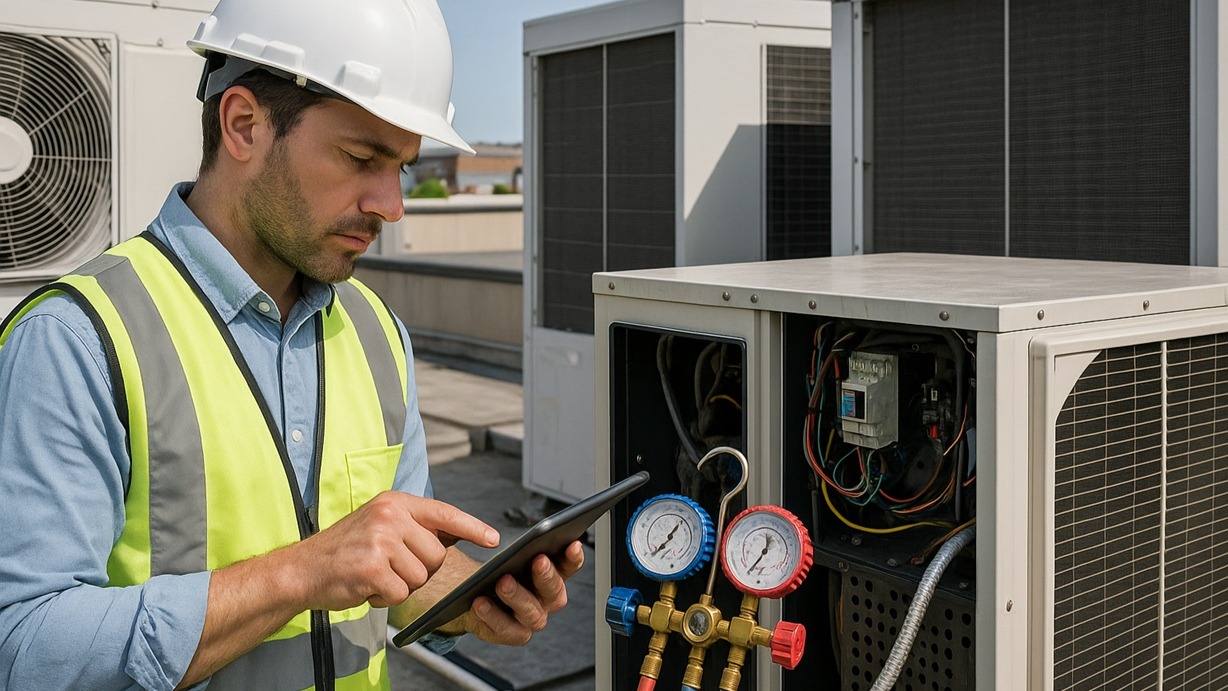
Commercial HVAC systems form the backbone of modern buildings. They maintain steady temperatures, regulate indoor air quality, and ensure energy is used efficiently. When these systems are poorly set up or neglected, operating costs rise, equipment fails prematurely, and occupants are the first to complain.
HVAC optimisation isn’t only about lowering energy bills. It’s about designing and maintaining a system that delivers long-term reliability, occupant comfort, and sustainability. By paying attention to the right components, heat pumps, expansion vessels, pump valves, and efficient controls, you create a Commercial HVAC solution that is predictable, efficient, and easier to maintain.
The Benefits of Optimising Commercial HVAC Systems
Getting optimisation right pays off across every aspect of building operation. It reduces running costs, improves reliability, and creates healthier working and living environments.
Enhanced Energy Efficiency
Energy accounts for a large proportion of a commercial building’s operating expenses. Poorly balanced pumps or undersized vessels can waste thousands of kilowatt-hours every year. Correctly specified and tuned systems significantly reduce power consumption.
Modern heat pumps show the difference clearly. Instead of blasting out hot or cold air, they transfer heat intelligently, ensuring every kilowatt is put to work. Pumps from Grundfos or Wilo include built-in efficiency controls that adapt to demand. This prevents the all-too-common issue of oversized pumps consuming unnecessary electricity.
Cost Savings
Energy savings alone can reduce operating costs by double-digit percentages. But the real financial gain comes from reduced wear and tear. Components like expansion vessels protect pipework, pumps, and valves from damaging pressure surges.
Think of it like running a fleet of vehicles. If you keep the suspension, brakes, and tyres in good condition, you avoid breakdowns and costly replacements. HVAC optimisation works on the same principle, protecting the core components, and the whole system lasts longer.
Improved Indoor Air Quality (IAQ)
Healthy air is vital in offices, retail spaces, schools, and healthcare settings. Optimised systems do more than heat and cool. They filter particulates, remove excess moisture, and maintain steady air circulation.
One engineer recalled being called to a hotel where staff complained of “stuffy air” and guests reported poor sleep. The issue traced back to a failed expansion vessel, which created irregular pressure throughout the system. Once the vessel was replaced and the system rebalanced, air quality improved immediately, and the complaints stopped overnight. That’s the real-world value of proper IAQ management.
Essential Components for HVAC Optimisation
Optimisation isn’t about any single item of equipment. It’s about how each element works together as part of a coordinated system.
Heat Pumps
Heat pumps are at the centre of modern Commercial HVAC systems. By moving heat rather than generating it, they take the load off boilers and chillers. The result is consistent comfort with far lower energy demand.
When paired with variable-speed Wilo or Grundfos pumps, heat pumps can adjust flow rates to match building load in real time. This cuts costs during mild weather while still delivering dependable performance in peak conditions.
Expansion Vessels
An expansion vessel works much like a car’s suspension. When system pressure rises, the vessel cushions the impact, preventing leaks and damage. Without it, even minor surges can place severe strain on pumps, joints, and valves.
Correct sizing is critical. Too small, and it can’t absorb enough fluctuation. Too large, and the system may short-cycle, wasting energy. Engineers calculate vessel size based on water volume, static head, and required operating pressure. This calculation isn’t optional; it’s what prevents callbacks and costly repairs.
Explore our range of expansion vessels designed for both commercial and domestic systems.
Pump Valves
Pump valves provide the fine control that keeps systems balanced. They regulate flow so every zone in a building gets the right heating or cooling. Without them, one area overheats while another remains cold, a common frustration in multi-storey offices.
Modern valves also help with commissioning and maintenance. They prevent backflow and make flushing more effective, which is vital when setting up or servicing an HVAC system.
For a full selection of safe, efficient fittings, see our pump valves.
Additional Components That Strengthen an HVAC System
Beyond the core equipment, a fully optimised system relies on supporting components:
- Commercial circulators: Maintain consistent flow across extensive pipe networks.
- Pressurisation units: Automatically keep system pressure at the right level.
- Specialist controls: Use sensors and automation to adapt operations in real time.
These elements provide resilience, ensuring the system responds to fluctuating loads without wasting energy.
The Role of System Balancing and Commissioning
Even the best equipment won’t deliver efficiency if the system is badly balanced. During commissioning, balancing valves, flow meters, and pressure controls must be set correctly.
A frequent problem in retrofit projects is oversized pumps left running at full speed. Without commissioning adjustments, they waste power and cause hydraulic imbalances. Correctly setting pump speeds and valve positions can cut energy use by 20–30% without replacing a single component.
Preventive Maintenance and Monitoring
HVAC optimisation isn’t a one-time project. It requires ongoing attention. Regular water treatment, filter replacement, and valve calibration are what keep systems operating at peak performance.
Digital monitoring now plays a major role in Commercial HVAC systems. Smart pumps and pressurisation units connect to building management systems, allowing engineers to spot inefficiencies before they escalate. For example, a gradual rise in pump energy consumption often points to air ingress or a blocked strainer. Addressing these issues early prevents expensive breakdowns.
Why HVAC Optimisation is Critical for Commercial Buildings
Sustainability and Environmental Responsibility
Optimised systems reduce greenhouse gas emissions and help organisations meet ESG targets. With building regulations tightening, this is shifting from good practice to a legal requirement.
Enhanced Occupant Comfort and Productivity
Balanced systems maintain steady temperatures, low noise, and clean air. In offices, this directly supports employee well-being and productivity.
Operational Efficiency and Reliability
By stabilising system performance, optimised setups prevent sudden failures. Building managers benefit from fewer callouts, predictable maintenance schedules, and less downtime.
Competitive Advantage and Future-Proofing
With energy costs unlikely to fall, optimised systems future-proof buildings against higher tariffs and stricter carbon limits. Companies that invest today gain both operational savings and a stronger sustainability profile.
Explore Energy-Efficient Solutions for HVAC Optimisation
From heat pumps to expansion vessels and pump valves, every component has a role in delivering reliable performance from a Commercial HVAC system. Correct specification, professional commissioning, and consistent maintenance create systems that are efficient, dependable, and cost-effective.
National Pumps and Boilers works with trusted manufacturers such as Grundfos, Wilo, and Mikrofill to supply components built for long-term efficiency. If you’re planning an upgrade or need advice on product selection, get in touch with our technical team today.