

What is Thermal Energy Storage and How Does It Benefit Commercial Buildings?
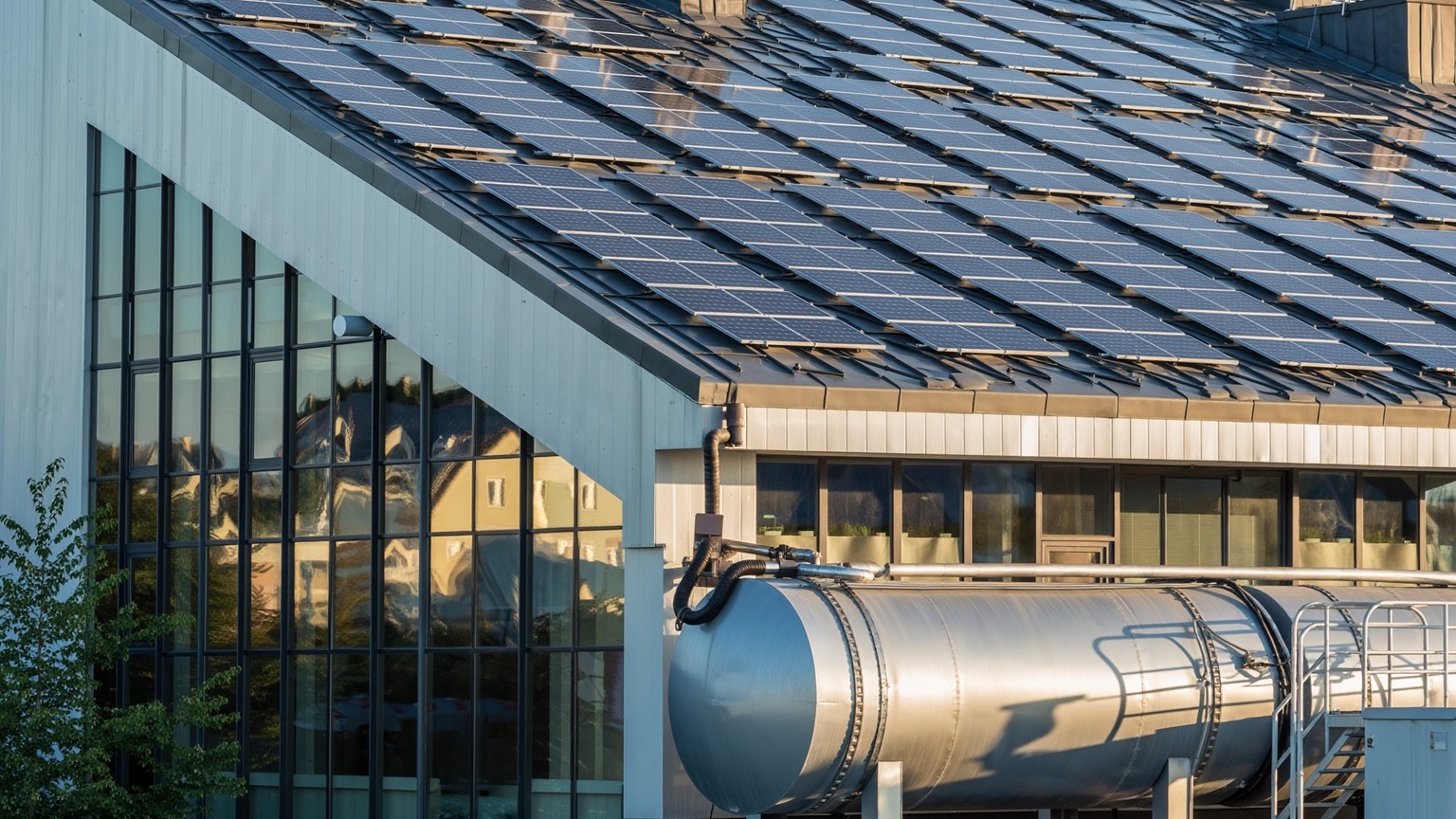
As commercial building operators face mounting pressure to reduce energy costs whilst meeting increasingly stringent sustainability targets, thermal energy storage is emerging as a transformative solution. This technology enables facilities to store heating or cooling energy during off-peak periods and deploy it when demand - and energy prices - reach their peak. For building managers seeking to optimise operational efficiency and reduce carbon emissions, understanding thermal energy storage systems has become essential.
Thermal energy storage represents a fundamental shift in how commercial buildings manage their heating and cooling requirements. Rather than generating thermal energy precisely when needed, these systems allow facilities to decouple energy generation from consumption, creating unprecedented flexibility in building energy management.
Understanding Thermal Energy Storage
Thermal energy storage works on a straightforward principle: capture thermal energy when it's abundant or inexpensive, store it efficiently, and release it when required. In heating applications, this might involve storing hot water generated by boilers during off-peak electricity hours, then circulating that stored heat throughout the building during peak demand periods. The technology has been proven across thousands of commercial installations, from hospitals to office towers.
Modern TES systems typically consist of insulated storage vessels, heat exchangers, circulation pumps, and sophisticated control systems that optimise charging and discharging cycles. The storage medium - often water, though other materials are used - absorbs thermal energy during the charging phase and releases it during the discharge phase. Advanced sensors and controllers monitor temperatures and flow rates, ensuring the system operates at peak efficiency.
The effectiveness of these systems depends heavily on proper integration with existing building infrastructure. National Pumps and Boilers specialises in designing and installing thermal storage solutions that seamlessly integrate with commercial heating systems, ensuring optimal performance and reliability.
Types of Thermal Storage Media
Water remains the most common storage medium for commercial applications due to its high specific heat capacity, availability, and cost-effectiveness. Large insulated tanks can store thousands of litres of heated water, providing substantial thermal capacity for even the most extensive facilities. The simplicity of water-based systems makes them particularly attractive for retrofitting existing buildings.
Phase change materials (PCMs) offer higher energy density by storing thermal energy through material phase transitions rather than simple temperature changes. When a PCM melts or solidifies at a specific temperature, it absorbs or releases significant energy without large temperature swings. This characteristic makes PCMs valuable in applications requiring precise temperature control.
Ice storage systems, whilst primarily used for cooling applications, demonstrate the versatility of thermal storage technology. These systems freeze water during off-peak hours, then melt the ice to provide cooling when electricity prices peak. The principle applies equally to heating applications across various commercial settings.
How Thermal Energy Storage Benefits Commercial Buildings
The advantages of implementing thermal energy storage extend far beyond simple cost savings, touching every aspect of commercial building operations from financial performance to environmental compliance.
Cost Savings and Energy Efficiency
Peak demand reduction represents the most immediate financial benefit of TES systems. Commercial electricity tariffs typically charge substantially higher rates during peak hours - often two to three times off-peak rates. By shifting thermal energy generation to off-peak periods, facilities can reduce their electricity costs by 20-40% annually. For a medium-sized commercial building with £100,000 in annual heating costs, this translates to £20,000-£40,000 in savings.
Time-of-use tariff optimisation becomes increasingly important as energy markets evolve. Thermal energy storage allows building managers to purchase energy when it's cheapest and use it when prices spike. This arbitrage opportunity grows more valuable as the differential between peak and off-peak rates widens, which many analysts expect as renewable energy generation increases.
Long-term operational cost benefits extend beyond direct energy savings. TES systems can reduce the required capacity of boilers and heating equipment, lowering capital costs for new installations or equipment replacements. The ability to run heating equipment at consistent, optimal loads rather than cycling on and off also extends equipment lifespan and reduces maintenance requirements.
Environmental and Sustainability Advantages
Carbon footprint reduction represents a critical benefit for organisations committed to environmental responsibility. By enabling greater use of off-peak electricity - which typically has a lower carbon intensity due to base-load nuclear and renewable generation - thermal energy storage helps commercial buildings reduce their carbon emissions by 15-25%. This reduction contributes significantly to corporate sustainability goals and regulatory compliance.
Supporting renewable energy integration provides another environmental advantage. TES systems can store heat generated by solar thermal collectors or biomass boilers, making these renewable sources more practical for commercial applications. The storage capacity compensates for the intermittent nature of renewable generation, ensuring consistent building comfort regardless of weather conditions.
Meeting green building standards becomes easier with thermal energy storage systems. Many sustainability certification schemes, including BREEAM and LEED, award credits for thermal storage implementation. These certifications can increase property values, attract environmentally conscious tenants, and demonstrate corporate commitment to sustainability.
Operational Flexibility and Reliability
Load shifting capabilities provide unprecedented operational flexibility. Building managers can schedule thermal energy generation during periods of low electricity demand or when renewable generation is high, then deploy that stored energy when building occupancy and heating requirements peak. This flexibility extends to managing unexpected demand spikes or equipment failures without compromising occupant comfort.
Backup heating capacity offers valuable insurance against system failures. If a boiler fails during peak demand, stored thermal energy can maintain building temperatures whilst repairs are completed. This redundancy proves especially valuable in healthcare facilities, hotels, and other settings where heating interruptions carry significant consequences.
System redundancy benefits extend beyond emergency backup. TES systems allow staged equipment maintenance during off-peak periods without affecting building operations. Maintenance teams can service boilers knowing that stored thermal energy will meet heating demands until work is completed. This flexibility reduces the urgency - and cost - of maintenance work.
TES Systems in Different Commercial Applications
Different commercial sectors benefit from thermal energy storage in distinct ways, reflecting their unique operational patterns and requirements.
Office Buildings and Corporate Facilities
Office buildings typically exhibit clear daily and weekly occupancy patterns, making them ideal candidates for thermal energy storage. These facilities require minimal heating overnight and at weekends but need substantial capacity during business hours. TES systems can generate and store thermal energy during these low-demand periods, then discharge it during occupied hours.
Energy management strategies in office buildings often focus on reducing peak demand charges, which can represent 30-50% of total electricity costs. By shifting thermal energy generation to off-peak periods, offices can dramatically reduce these charges whilst maintaining occupant comfort. The predictable occupancy patterns make it straightforward to optimise charging and discharging schedules.
Many corporate facilities are pursuing ambitious sustainability goals, and thermal energy storage provides a practical tool for achieving them. The technology integrates well with other energy efficiency measures like building management systems, LED lighting, and improved insulation, creating a comprehensive approach to reducing environmental impact.
Healthcare and Educational Institutions
Healthcare facilities require 24/7 heating availability with no tolerance for service interruptions. Thermal energy storage provides the redundancy these facilities demand whilst still delivering significant cost savings. Hospitals can generate thermal energy during off-peak hours, store it efficiently, and maintain critical temperature requirements throughout patient care areas.
Educational institutions face different challenges. Schools and universities experience intense heating demand during occupied hours but minimal requirements during evenings, weekends, and holiday periods. This intermittent usage pattern makes TES systems particularly cost-effective, as institutions can generate and store thermal energy when electricity is cheapest and deploy it precisely when needed.
The combination of predictable schedules and substantial heating loads makes educational facilities excellent candidates for thermal storage. Universities with multiple buildings can implement centralised storage systems that serve entire campuses, maximising economies of scale whilst simplifying management and maintenance.
Retail and Hospitality Sectors
Retail facilities and hotels present unique opportunities for thermal energy storage implementation. These buildings often experience variable occupancy patterns - hotels fill during peak seasons or events, whilst retail spaces see increased traffic during sales periods and holidays. TES systems can accommodate these fluctuations without requiring oversized heating equipment.
Peak demand management becomes crucial during high-occupancy periods when heating loads coincide with elevated electricity rates. By deploying stored thermal energy during these peaks, hotels and retail facilities can maintain guest comfort whilst controlling energy costs. The ability to shift heating generation to off-peak periods provides operational flexibility that fixed-capacity systems cannot match.
Guest comfort requirements in hospitality settings demand reliable, responsive heating systems. Thermal energy storage enables rapid temperature adjustments without the lag associated with firing up boilers from cold. This responsiveness contributes to guest satisfaction whilst maintaining energy efficiency - a combination that benefits both reputation and bottom line.
Technical Considerations for Commercial TES Implementation
Successfully implementing thermal energy storage requires careful attention to technical details and proper integration with existing building systems.
System Sizing and Capacity Planning
Load analysis forms the foundation of proper TES system design. Engineers must understand the building's hourly, daily, and seasonal heating requirements to specify appropriate storage capacity. Under-sizing results in inadequate thermal energy during peak periods, whilst over-sizing wastes capital and reduces return on investment. Detailed analysis of utility bills, building management system data, and occupancy patterns informs accurate sizing.
Storage capacity calculations must account for heat losses, charging efficiency, and safety margins. Modern insulated storage vessels can maintain temperatures with minimal losses, but these losses still affect system sizing. Thermal stratification within storage vessels - where hot water rises, and cold water settles - can be leveraged to improve system efficiency and adequate capacity.
Integration with existing heating systems requires careful planning and, often, the expertise of specialists like those at National Pumps and Boilers. The storage system must interface seamlessly with boilers, heat exchangers, distribution piping, and building controls. Proper integration ensures the TES system enhances rather than complicates building operations.
Equipment Selection and Specification
Storage vessel requirements vary significantly based on application, available space, and temperature requirements. Large commercial buildings might require multiple vessels totalling hundreds of thousands of litres. These vessels must be adequately insulated, structurally sound, and equipped with appropriate connections for charging and discharging. For larger installations, commercial circulators provide the reliable, efficient pumping capacity needed to move large volumes of heated water.
Pump and circulator considerations extend beyond simple capacity. The pumps must handle the required flow rates whilst maintaining energy efficiency - poorly selected pumps can negate the energy savings that thermal storage provides. Variable speed pumps with sophisticated controls offer optimal performance across varying load conditions. Grundfos pumps are frequently specified for commercial thermal energy storage applications due to their efficiency and reliability.
Control system integration represents perhaps the most critical aspect of TES implementation. Modern building management systems must coordinate thermal storage charging, monitor storage temperatures, control discharge flows, and optimise operation based on weather forecasts, occupancy schedules, and electricity pricing. Advanced algorithms can predict heating requirements and adjust charging schedules accordingly, maximising both comfort and cost savings.
Return on Investment and Financial Benefits
Understanding the financial implications of thermal energy storage helps building owners and managers make informed investment decisions.
Initial investment costs for commercial TES systems vary widely based on capacity, complexity, and installation requirements. A typical system might cost £50,000-£200,000 for a medium-sized commercial building, including storage vessels, pumps, controls, and installation. Whilst this represents a significant capital investment, the long-term benefits usually justify the expenditure.
Payback period expectations depend on several factors: existing energy costs, peak-to-off-peak rate differentials, system efficiency, and maintenance savings. Many commercial installations achieve payback within 5-8 years, with systems continuing to deliver savings for 20-30 years or more. As peak-to-off-peak rate differentials increase, payback periods typically shorten.
Available incentives and grants can substantially reduce net investment costs. Many governments and utilities offer financial support for energy storage projects as part of grid modernisation and carbon reduction initiatives. The Enhanced Capital Allowance scheme in the UK allows businesses to claim 100% first-year capital allowances on qualifying energy-efficient equipment, including specific thermal energy storage systems.
Lifecycle cost comparisons demonstrate the long-term value of thermal energy storage. When evaluating competing solutions, decision-makers should consider not just initial costs but also ongoing energy expenses, maintenance requirements, equipment longevity, and avoided capacity charges. On this basis, TES systems often prove more economical than alternatives, even before considering environmental and operational benefits.
Best Practices for TES System Implementation
Successful thermal energy storage projects follow established best practices from design through ongoing operation.
Design considerations begin witha thorough understanding of building heating requirements and operational patterns. Engineers should analyse multiple years of utility data when available, accounting for seasonal variations and unusual events. Computer modelling can predict system performance under various conditions, helping optimise storage capacity and equipment selection. Professional design services, such as those offered by National Pumps and Boilers, ensure systems meet both technical requirements and budget constraints.
Installation requirements demand experienced contractors familiar with commercial heating systems and thermal storage technology. Proper installation affects system performance, longevity, and safety. Storage vessels must be positioned correctly with adequate access for maintenance, piping must be adequately insulated and supported, and pumps must be installed according to manufacturer specifications. Using quality components from reputable manufacturers like Wilo helps ensure long-term reliability.
Commissioning and testing protocols verify that installed systems perform as designed. Comprehensive commissioning includes testing all system components individually and as an integrated whole, verifying control sequences, checking safety systems, and documenting baseline performance. Proper commissioning identifies and corrects issues before they affect building operations, establishing a foundation for years of reliable service.
Maintenance and monitoring strategies ensure TES systems continue delivering expected benefits throughout their service life. Regular inspections should check storage vessels for corrosion or leaks, verify pump operation, confirm control system functionality, and monitor system efficiency. Modern monitoring systems can alert operators to developing issues before they become critical, enabling proactive maintenance that minimises downtime and extends equipment life.
Conclusion
Thermal energy storage offers commercial building operators a proven solution for reducing energy costs, improving sustainability, and enhancing operational flexibility. The technology's ability to decouple thermal energy generation from consumption creates opportunities for substantial cost savings whilst supporting environmental goals and building comfort requirements.
As energy markets evolve and sustainability pressures intensify, TES systems will become increasingly valuable for commercial facilities. The combination of peak demand reduction, time-of-use tariff optimisation, and operational flexibility addresses multiple challenges facing modern building management. From office towers to healthcare facilities, thermal storage delivers measurable benefits across diverse commercial applications.
For building owners and managers considering thermal energy storage, partnering with experienced professionals ensures successful implementation. From initial assessment through design, installation, and ongoing optimisation, expert guidance maximises system performance and return on investment. If you're ready to explore how thermal storage can benefit your commercial facility, contact us to discuss your specific requirements and discover the potential savings awaiting your organisation.