

What to Ask Your Installer About Monitoring Equipment Options
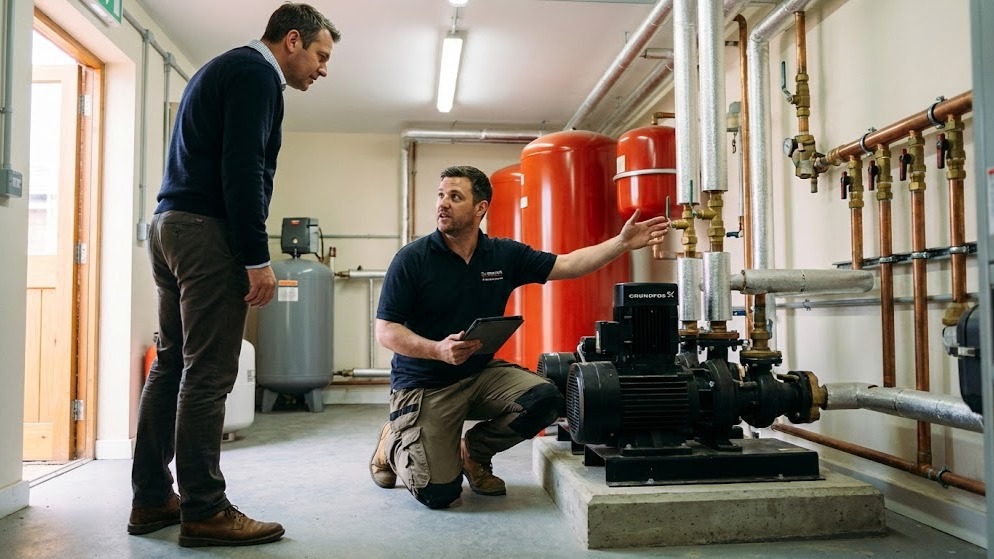
Modern heating systems generate valuable performance data every second, yet most installers fit basic equipment that leaves building managers guessing when problems develop. The difference between a standard circulation pump and one with monitoring capabilities can mean spotting a £300 bearing replacement before it becomes a £5,000 emergency callout. Understanding which monitoring features genuinely protect system reliability, and which add cost without benefit, requires asking specific technical questions before equipment gets specified. Monitoring equipment questions should drive every specification conversation.
What Real-Time Data Does the Equipment Actually Provide?
Basic monitoring displays pump speed or boiler temperature. Professional-grade equipment tracks parameters that predict failures weeks before they occur. Ask installers to specify exact data points each component monitors, including flow rate, differential pressure, power consumption, bearing temperature, vibration levels, and system pressure trends over time.
Grundfos pumps with integrated monitoring typically measure differential pressure, flow rate, and power consumption as standard. Premium models add vibration analysis and predictive maintenance algorithms. Installers should explain which parameters matter for the specific system type; a commercial office needs different monitoring than a multi-zone residential system.
Request sample screenshots or data exports from similar installations. Generic promises about "smart monitoring" mean nothing without seeing actual interface layouts and data granularity. Can the system log hourly averages, or does it only show current readings? Does it store historical data for trend analysis, or reset every time power cycles? Specifying measurement devices requires understanding exactly what data becomes available.
How Does Monitoring Data Reach Building Management?
Equipment might collect excellent data but prove useless if accessing it requires a laptop, proprietary software, and physical access to the plant room. Modern monitoring should integrate with building management systems or provide secure remote access through standard protocols.
Ask whether monitoring uses open protocols like BACnet or Modbus, or relies on proprietary systems that lock facilities teams into single-vendor ecosystems. Open protocols allow integration with existing building management platforms and future equipment upgrades without replacing entire monitoring infrastructures.
Clarify whether remote access requires ongoing subscription fees, dedicated hardware, or specific network configurations. Some manufacturers charge annual fees for cloud-based monitoring platforms. Others provide local network access without recurring costs. Understanding total ownership costs over 10-15 years prevents budget surprises years after installation. Monitoring equipment questions must address these integration requirements.
Which Alarms Trigger Automatically and How Are They Delivered?
Monitoring equipment that simply logs data without automated alerts provides limited protection. Critical failures develop faster than most facilities teams can manually review system dashboards. Effective monitoring identifies abnormal conditions and notifies relevant personnel immediately through multiple channels.
Request specific alarm threshold examples for the proposed equipment. At what differential pressure reading does a circulation pump trigger a blockage warning? What temperature deviation prompts a boiler efficiency alert? Generic "system fault" notifications prove less useful than specific alerts that guide troubleshooting, such as "Pump 2 power consumption increased 23% over 14 days, suggesting bearing wear."
Ask how alerts reach facilities teams through email, SMS, building management system integration, or dedicated monitoring panels. Systems that rely solely on plant room alarm panels fail when problems develop outside normal working hours. Multiple notification methods ensure critical alerts reach someone who can respond regardless of time or location. Specifying measurement devices with proper alarm capabilities protects system investments.
What Historical Data Gets Stored and for How Long?
Real-time monitoring shows current conditions. Historical data reveals patterns that predict future problems and prove regulatory compliance. Ask installers to specify data retention periods and storage capacity for proposed monitoring systems.
Professional systems typically store detailed operational data for 12-24 months minimum, with compressed historical records extending several years. This allows seasonal pattern analysis and long-term efficiency tracking. Systems that only retain seven days of history provide insufficient data for meaningful trend analysis.
Clarify whether historical data remains accessible after warranty periods expire or if manufacturers restrict access. Some cloud-based platforms limit historical data exports or charge fees for extended retention periods. Building owners should control their own operational data without ongoing vendor dependencies.
How Does Monitoring Integrate With Existing Building Systems?
Few commercial buildings install entirely new heating systems. Most projects replace individual components within existing infrastructures. Monitoring equipment should integrate with current building management systems rather than requiring parallel monitoring platforms.
Ask installers to diagram exactly how proposed monitoring equipment connects to existing systems. Which communication protocols does it support? Does integration require additional gateway hardware? What configuration does the existing building management system need?
Wilo pumps often include multiple communication options including analogue signals, digital protocols, and wireless connectivity. Installers should specify which connection method suits the existing infrastructure and explain any limitations. A pump that only communicates via proprietary wireless protocols proves problematic in buildings with RF interference or thick concrete construction. Monitoring equipment questions should address all integration scenarios.
What Happens When Internet Connectivity Fails?
Cloud-based monitoring offers convenient remote access but becomes useless when internet connections drop. Critical heating systems need monitoring that continues functioning during network outages and retains data until connectivity restores.
Ask whether monitoring equipment includes local data storage and standalone operation capabilities. Quality systems buffer operational data locally and synchronise with cloud platforms when connectivity returns. This prevents data gaps during network maintenance or internet service disruptions.
Clarify whether equipment reverts to safe operating modes or continues normal operation during connectivity losses. Some systems default to fixed-speed operation when they lose communication with control systems, potentially wasting energy or failing to meet heating demands. Others maintain last known settings or implement pre-programmed fallback schedules.
Who Actually Reviews Monitoring Data and Takes Action?
Installing sophisticated monitoring equipment provides no value unless someone regularly reviews data and responds to alerts. Ask installers to recommend specific workflows for data review and alert response.
Many facilities teams lack time for daily dashboard reviews. Effective monitoring strategies might include weekly automated reports highlighting unusual patterns, monthly efficiency summaries, and immediate alerts for critical faults. Installers should suggest realistic review frequencies based on system complexity and available facilities management resources.
Consider whether monitoring data should integrate with planned maintenance schedules. Systems that automatically log operating hours and cycle counts can trigger preventive maintenance reminders based on actual equipment usage rather than arbitrary calendar intervals. This prevents both premature maintenance and unexpected failures from deferred service. Specifying measurement devices with maintenance integration capabilities improves operational efficiency.
What Training Comes With Monitoring System Installation?
Sophisticated monitoring systems require training beyond basic operation. Facilities teams need to understand which parameters indicate developing problems, how to interpret trend data, and when readings warrant immediate action versus scheduled maintenance.
Ask installers to specify included training scope, including duration, number of attendees, topics covered, and whether follow-up sessions are available. One-hour handover sessions rarely provide sufficient depth for effective monitoring system use. Comprehensive training should cover normal operating ranges, common fault patterns, alarm response procedures, and basic troubleshooting steps.
Request training documentation and reference materials. Verbal explanations during commissioning get forgotten within weeks. Written procedures, annotated screenshots, and decision trees help facilities teams months later when unusual conditions develop.
How Much Does Monitoring Actually Cost Beyond Initial Equipment?
Monitoring equipment pricing often hides ongoing costs that exceed initial hardware expenses over system lifetimes. Ask installers to provide total cost of ownership projections covering 10-15 years, including subscription fees, software updates, communication costs, and support contracts.
Some manufacturers bundle monitoring capabilities with equipment at minimal additional cost. Others charge premium prices for monitoring-enabled models, then add annual software licenses and cloud platform fees. National Pumps and Boilers can provide transparent comparisons of total ownership costs across different monitoring approaches. Monitoring equipment questions must address lifetime costs.
Consider whether monitoring systems require dedicated IT infrastructure including servers, network equipment, or specialised software. Cloud-based platforms eliminate local infrastructure costs but create ongoing subscription dependencies. Local monitoring systems require upfront investment but avoid perpetual fees.
What Happens When Equipment Reaches End of Life?
Monitoring systems often outlast the equipment they monitor. Boilers might last 15 years while circulation pumps need replacement after 10. Ask whether monitoring infrastructure remains useful when individual components get replaced.
Systems built on open protocols and standard communication methods adapt easily to equipment changes. Proprietary monitoring tied to specific manufacturers creates problems when replacement equipment comes from different suppliers. Facilities teams should not need to maintain multiple monitoring platforms because different equipment generations use incompatible systems.
Clarify whether monitoring system software receives ongoing updates and for how long. Technology evolves rapidly; monitoring systems installed today should support current communication standards and security requirements for at least 10 years. Manufacturers that abandon software support after five years leave building owners with obsolete systems requiring premature replacement.
Which Monitoring Features Actually Prevent Failures?
Marketing materials promote countless monitoring capabilities, but only specific features genuinely predict failures before they cause damage. Ask installers which monitoring parameters have proven track records for early fault detection in similar applications.
Vibration monitoring on circulation pumps reliably detects bearing wear weeks before failure. Power consumption trends identify motor problems and system blockages. Differential pressure monitoring spots filter clogging and valve failures. Temperature monitoring prevents freeze damage and identifies heat exchanger scaling. Specifying measurement devices with these proven capabilities delivers genuine protection.
Request case studies or references from similar installations where monitoring prevented failures or reduced maintenance costs. Specific examples carry more weight than general claims about "predictive maintenance" and "optimised efficiency." Installers should explain exactly how proposed monitoring features would have prevented common failures in the building's specific application.
How Does Monitoring Support Energy Efficiency Compliance?
Building regulations increasingly require energy monitoring and efficiency reporting. Ask whether proposed monitoring equipment provides data in formats that satisfy regulatory requirements without additional measurement hardware.
Systems that track pump power consumption, boiler efficiency, and system operating hours simplify energy audits and compliance reporting. DHW pumps with integrated energy monitoring eliminate needs for separate submetering equipment. Clarify whether monitoring systems export data in formats compatible with energy management software and building certification programs.
Some monitoring platforms automatically generate efficiency reports and highlight optimisation opportunities. Others simply log raw data, requiring manual analysis to identify improvement areas. Understanding included analysis capabilities prevents discovering post-installation that monitoring data exists but proves difficult to use effectively. Central heating systems benefit from monitoring that supports regulatory compliance. Monitoring equipment questions should address all compliance requirements.
Making Monitoring Work in Practice
Effective monitoring transforms heating system management from reactive emergency response to proactive maintenance planning. The right questions during specification prevent expensive mistakes and ensure monitoring actually delivers promised benefits. Focus on specific data points, practical accessibility, realistic training, and transparent lifetime costs rather than impressive-sounding features that provide limited real-world value.
Quality installers welcome detailed questions about monitoring capabilities and provide specific answers with supporting documentation. Vague responses or reluctance to discuss integration details, ongoing costs, or data ownership suggest potential problems. Professional installations include comprehensive monitoring strategies that match building requirements, facilities team capabilities, and realistic budget constraints.
For technical guidance on monitoring equipment selection and integration with existing systems, contact the team at National Pumps and Boilers for expert advice tailored to specific building requirements and operational needs.