

What to Expect During Professional Pump Commissioning (And What to Ask)
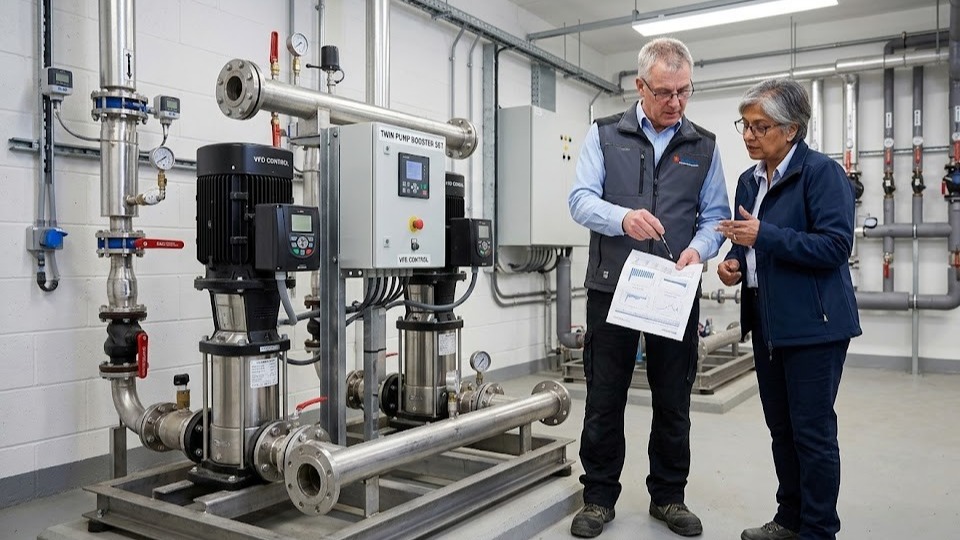
Professional pump commissioning separates reliable heating systems from costly callbacks. When a new circulator pump, booster set, or commercial heating system arrives on site, the final installation steps determine whether that equipment delivers its rated performance or becomes a maintenance headache. Yet many contractors and facilities managers treat commissioning as a quick switch-on rather than the systematic validation process it should be.
Proper professional pump commissioning verifies that every component - from electrical connections to hydraulic balancing - meets design specifications and operates safely within system parameters. This process typically takes 2-4 hours for domestic installations and up to several days for complex commercial systems, depending on system complexity and equipment type.
Why Professional Pump Commissioning Matters
Skipping thorough commissioning creates problems that surface weeks or months later. A Grundfos pump installed without proper flow verification might run continuously at maximum speed, wasting energy and wearing bearings prematurely. An incorrectly configured booster set could deliver excessive pressure that damages fixtures or insufficient pressure that fails to meet demand.
Technical Performance Validation
The technical reality: pumps operate within specific performance curves defined by flow rate, head pressure, and power consumption. Installation alone doesn't guarantee the pump operates at its design point on that curve. The pump commissioning process validates actual performance against manufacturer specifications and system requirements.
Common issues found during commissioning include:
- Incorrect pump speed settings for the actual system resistance
- Airlocks are preventing proper circulation
- Isolation valves are partially closed, restricting flow
- Electrical phase imbalance reduces motor efficiency
- Control sensors positioned incorrectly or miscalibrated
- System pressure outside safe operating parameters
National Pumps and Boilers supplies equipment to heating engineers and contractors who understand that proper commissioning protects both their reputation and the client's investment. A £400 circulator pump becomes a £2,000 problem when callbacks, system damage, and reputation costs accumulate.
The Pre-Commissioning Checklist
Before energising any pump, competent engineers verify installation fundamentals. This pre-commissioning phase catches issues that would otherwise cause immediate failure or unsafe operation.
Mechanical Installation Verification
Mechanical installation verification includes:
- Pump mounting is secure with no excessive vibration or stress on pipework
- All isolation valves are fully open and accessible
- Strainer baskets cleaned and properly seated
- Pipe supports are adequate to prevent the pump from bearing pipe weight
- Flexible connections were installed where specified to isolate vibration
- Drain points are accessible and functional
Electrical Installation Verification
Electrical installation verification confirms:
- Supply voltage matches pump nameplate rating (230V single-phase or 400V three-phase)
- Electrical protection is correctly rated for the motor's full load current
- Earth continuity verified and resistance within acceptable limits
- Control wiring connections match the manufacturer's terminal diagram
- Variable speed drive parameters set for the pump model, if applicable
For DHW pumps serving domestic hot water circuits, additional checks include verifying temperature sensor placement and ensuring bronze-fitted pumps are specified where water quality requires corrosion resistance.
System Preparation Before Pump Start-Up
Attempting to commission a pump in an unprepared system wastes time and risks equipment damage. Professional pump commissioning begins with system readiness verification.
Flushing and Cleaning Requirements
New installations must be thoroughly flushed before pump commissioning. Construction debris, welding slag, pipe compound residue, and flux can destroy pump seals and bearings within hours. British Standard BS 7593 specifies cleanliness requirements for heating and chilled water systems - commissioning engineers verify these standards are met before proceeding.
For existing systems receiving pump replacements, engineers inspect strainer contents to assess system cleanliness. Heavy debris accumulation indicates inadequate filtration or system contamination requiring remedial treatment before the new pump operates.
Filling and Venting Procedures
Air in circulation systems causes noise, corrosion, and flow problems. Proper filling follows a systematic sequence:
- The system filled slowly from the lowest point with all vents open
- Automatic air vents checked for operation (not seized or blocked)
- Manual vents at high points operated until water flows without air bubbles
- Pump casing vent opened to release trapped air (critical step often missed)
- System pressure stabilised at design level (typically 1.0-1.5 bar for domestic systems)
Expansion vessels require pre-charge pressure verification before system filling. An incorrectly charged vessel causes pressure fluctuations that affect pump operation and may trigger safety devices.
Water Quality Verification
Commissioning engineers test the system water for pH, conductivity, and inhibitor concentration. Incorrect water chemistry accelerates corrosion and scaling, reducing pump lifespan regardless of installation quality. Building Regulations Approved Document L2 requires appropriate water treatment for commercial heating systems.
Initial Pump Start-Up Sequence
The first energisation follows a deliberate sequence that protects equipment and allows immediate problem detection.
First Power-Up Protocol
Experienced engineers never simply switch on and walk away. The initial start-up involves:
Rotation direction check (three-phase pumps): Incorrect phase sequence causes reverse rotation that produces no flow and can damage impellers. Competent electricians verify rotation before extended operation.
Current draw measurement: Using a clamp meter, engineers measure actual current against the nameplate full load current. Excessive current indicates mechanical binding, incorrect voltage, or electrical faults. Insufficient current suggests cavitation, air locks, or closed valves.
Vibration assessment: Excessive vibration signals indicate misalignment, bearing damage, or hydraulic imbalance. Engineers use vibration analysis tools for critical installations or rely on experienced tactile assessment for smaller systems.
Noise evaluation: Pumps produce characteristic sounds during normal operation. Grinding, rattling, or cavitation noise indicates problems requiring immediate investigation before proceeding.
Temperature monitoring: Motor and bearing temperatures should stabilise within normal ranges (typically 40-60°C above ambient for continuous operation). Excessive heat indicates mechanical or electrical problems.
For variable speed Wilo pumps with integrated controls, commissioning includes verifying sensor inputs and control response before optimising speed settings.
Performance Verification and Testing
Once basic operation is confirmed, the pump commissioning process focuses on validating actual performance against design requirements.
Flow Rate Measurement
Accurate flow measurement requires proper instrumentation and methodology:
- Ultrasonic flow meters provide non-invasive measurement on existing pipework
- Differential pressure measurement across the pump or system components allows flow calculation using the manufacturer's curves
- The temperature differential method calculates flow from heat output and temperature rise for heating circuits
- Commissioning valves with calibrated flow measurement enables direct reading
Engineers compare measured flow against design requirements, adjusting pump speed or impeller diameter if necessary to achieve target performance. A pump delivering 15% below design flow might indicate excessive system resistance, air locks, or incorrect pump selection.
Pressure Testing
System pressure measurement at multiple points reveals whether the pump generates sufficient head to overcome system resistance:
- Static pressure at pump suction and discharge with the pump off establishes a baseline
- Running pressure differential across the pump confirms actual head generation
- Pressure at remote circuits verifies adequate delivery to all zones
- Pressure drop across filters and heat exchangers indicates cleanliness and flow
For central heating systems, engineers verify that the differential pressure across thermostatic radiator valves falls within the 10-15 kPa range that ensures proper control authority.
Electrical Parameter Verification
Comprehensive commissioning includes electrical performance documentation:
- Supply voltage under load (should remain within ±10% of nominal)
- Current draw on each phase (imbalance should not exceed 5%)
- Power factor (typically 0.7-0.9 for standard induction motors)
- Insulation resistance (should exceed 2 megohms to earth)
These measurements establish baseline performance for future maintenance comparison and verify the installation meets electrical safety standards.
Control System Integration and Testing
Modern pumps rarely operate in isolation. Commissioning validates integration with building management systems, boiler controls, and zone valves.
Sensor Calibration Verification
Temperature sensors, pressure transducers, and flow switches require verification against known references. A temperature sensor reading 5°C high causes the pump to underperform, while a miscalibrated pressure switch might prevent boiler operation.
Control Sequence Testing
Engineers systematically test each control scenario:
- Pump response to thermostat calls
- Interlock operation with the boiler or the heat source
- Zone valve coordination and pump overrun timing
- Frost protection and low-temperature cutout operation
- High limit and safety device response
For weather compensation systems, commissioning includes verifying the heating curve produces appropriate flow temperatures across the outdoor temperature range.
Variable Speed Drive Optimisation
Pumps with variable speed capability require commissioning that goes beyond fixed-speed verification. Engineers establish:
- Minimum speed setting that maintains circulation without noise or control instability
- The maximum speed limit that prevents excessive flow or pressure
- Proportional pressure control setpoint for optimal energy efficiency
- Response time settings that balance comfort with energy consumption
A properly commissioned variable speed system reduces electrical consumption by 30-50% compared to fixed-speed operation while improving comfort through better temperature control.
Documentation and Handover Requirements
Professional pump commissioning produces documentation that proves compliance and supports future maintenance.
Essential Commissioning Records
Commissioning records should include:
- Equipment nameplate details and serial numbers
- Measured electrical parameters (voltage, current, power)
- Flow rates and pressures at key points
- Control settings and sensor calibration data
- Water quality test results
- Photographic evidence of installation quality
- Defects identified and remedial actions taken
Building Regulations compliance requires commissioning certificates for notifiable work. Heating system commissioning certificates must accompany Building Control notifications for new installations and major alterations.
Client Handover Information
End users and maintenance personnel need practical guidance, not just technical data:
- Normal operating parameters (pressure, temperature, noise levels)
- Routine maintenance requirements and intervals
- Isolation procedures for emergency shutdown
- Contact details for technical support
- Warranty registration and coverage details
National Pumps and Boilers provides comprehensive technical documentation with supplied equipment, but commissioning engineers translate specifications into practical operating guidance.
Critical Questions to Ask Your Commissioning Engineer
Property owners, facilities managers, and contractors should expect clear answers to these questions during the pump commissioning process.
Performance Verification Questions
- What flow rate and pressure does the system actually achieve compared to design?
- How does measured electrical consumption compare to the manufacturer's data?
- Are all zones receiving adequate flow and pressure?
- What evidence confirms the pump operates at its design point?
Control and Integration Questions
- How does the pump respond to varying demand?
- What safety devices protect the pump and system?
- Are control sequences operating as intended?
- What adjustments were made during commissioning and why?
Maintenance and Reliability Questions
- What routine maintenance does this equipment require?
- What are the normal operating parameters I should monitor?
- What symptoms indicate problems requiring attention?
- How long should I expect this equipment to operate before major service?
Documentation Questions
- What commissioning records will I receive?
- Are warranty registration and compliance certificates complete?
- Who provides technical support if problems arise?
- What baseline data exists for future performance comparison?
Engineers who cannot answer these questions clearly either lack proper commissioning methodology or haven't completed thorough verification.
When to Specify Third-Party Commissioning
For critical applications or complex systems, independent commissioning provides additional assurance beyond installer verification.
Third-Party Commissioning Benefits
- Objective verification without the installer's conflict of interest
- Specialist expertise in complex control systems or large installations
- Detailed performance testing using calibrated instrumentation
- Comprehensive documentation meeting strict compliance requirements
- Warranty protection through independent performance validation
Commercial installations, district heating connections, and critical process applications typically justify third-party commissioning costs. The investment prevents disputes over performance and provides defensible evidence that systems meet specifications.
Conclusion
Professional pump commissioning transforms equipment installation into reliable system performance. The process verifies that pumps operate safely within design parameters, controls function correctly, and systems deliver intended performance. Thorough commissioning prevents callbacks, reduces energy consumption, and extends equipment life.
Expect competent commissioning to include systematic pre-start checks, measured performance verification, control integration testing, and comprehensive documentation. Engineers should clearly explain actual performance, identify any deviations from design intent, and provide practical operating guidance.
For heating systems, pump valves, and controls that require expert commissioning support, contact us for technical guidance on equipment selection and commissioning requirements.