

What Your Installer Should Check During Pump Commissioning
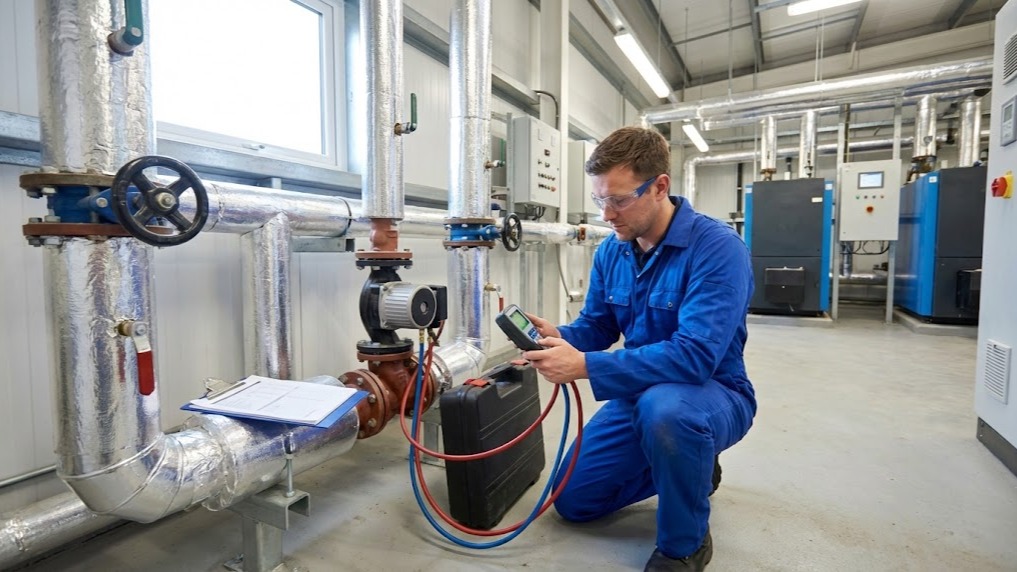
Pump failures within the first 12 months of installation rarely stem from manufacturing defects. The majority trace back to rushed or incomplete commissioning procedures. A systematic pump commissioning checklist ensures installers verify every critical parameter before signing off on a heating or circulation system.
Professional commissioning protects equipment warranties, prevents premature failures, and guarantees systems operate at design efficiency from day one. For heating engineers working with Grundfos pumps or other commercial-grade equipment, following a structured pump startup checklist separates reliable installations from callback-prone projects.
Pre-Commissioning Verification Steps
Before energising any circulation pump, installers must confirm the system meets basic readiness criteria. Rushing this stage introduces contaminants, air locks, and mechanical stress that compromise pump longevity.
System Cleanliness and Flushing
Debris from pipe threading, welding slag, and flux residue destroy mechanical seals and impellers within hours of operation. British Standard BS 7593 requires thorough system flushing before introducing pumps into new or modified installations.
Installers should verify:
- All pipework flushed with clean water at velocities exceeding 1 metre per second
- Magnetic filters installed and positioned correctly for debris capture
- Strainers fitted upstream of pumps with mesh size appropriate to system design
- Water quality testing completed, with pH between 7.0-9.5 and chloride content below 250mg/l
- Inhibitor dosing calculated and added according to manufacturer specifications
Systems containing residual flux or soldering compounds cause rapid seal deterioration. Flushing until discharge water runs clear prevents 90% of early-life pump failures attributed to "manufacturing defects."
Electrical Supply Verification
Voltage inconsistencies and phase imbalances reduce motor efficiency and shorten bearing life. Before connecting pumps, installers must measure and document:
- Supply voltage at pump terminals (should be within ±6% of nameplate rating)
- Phase balance on three-phase supplies (voltage deviation between phases below 2%)
- Earth continuity resistance (below 0.5 ohms for Class I equipment)
- Circuit protection correctly rated for pump full-load current plus 25% safety margin
- Isolation switches are positioned accessibly and clearly labelled
Variable-speed pumps with electronic drives prove particularly sensitive to supply quality. Harmonics and voltage spikes damage control boards, making proper electrical verification essential for Wilo pumps with integrated frequency converters.
Critical Commissioning Measurements
Once pre-commissioning checks confirm system readiness, installers proceed to operational verification. These measurements establish baseline performance data and confirm equipment operates within design parameters.
Pump Flow Rate Verification
Flow rate represents the most critical commissioning parameter. Undersized flow starves heat emitters, whilst excessive flow increases energy consumption and generates noise.
Installers measure pump flow rate using:
- Ultrasonic flow meters clamped to pipework (non-invasive, accurate to ±2%)
- Differential pressure measurements across control valves with known Kv values
- Thermal energy meter readings on heating circuits
- Calibrated balancing valves with integral flow indicators
For central heating pumps applications, measured flow should match design calculations within ±10%. Commercial systems require tighter tolerances, typically ±5% of the design flow rate.
Installers must document flow measurements at multiple pump speed settings on variable-speed units. This data enables future diagnostics and confirms pump curves match manufacturer specifications.
System Pressure Testing
Pressure testing verifies system integrity before filling and identifies leaks that compromise performance. Building Regulations Approved Document L requires pressure testing for all new heating installations.
The pump startup checklist includes:
- Initial pressure test at 1.5 times maximum operating pressure, held for a minimum of 30 minutes
- Visual inspection of all joints, valves, and connections during pressure hold
- Pressure drop measurement (acceptable loss below 0.1 bar over 30 minutes)
- Expansion vessel pre-charge pressure verification (typically 0.5 bar below system fill pressure)
- Pressure relief valve operation testing at the rated pressure setting
Systems failing pressure testing require leak identification and rectification before proceeding. Even minor weeps cause air ingress, leading to corrosion and pump cavitation over time.
Electrical Current Draw Measurement
Motor current consumption reveals mechanical binding, voltage issues, and hydraulic problems before they cause failures. Installers use clamp meters to measure running current on each phase.
The measured current should fall within the range stated on the pump nameplate. Current exceeding nameplate values indicates:
- Excessive system resistance is forcing pump operation beyond the design point
- Mechanical binding from installation stress or debris
- Voltage supply problems are reducing motor efficiency
- Incorrect impeller diameter or pump selection
Current measurements 20% below nameplate values suggest closed valves, air locks, or incorrect rotation direction on three-phase motors. This simple check prevents numerous post-installation problems.
Hydraulic Balance and System Settings
Achieving design flow rates across all circuits requires systematic balancing. Unbalanced systems waste energy, create comfort complaints, and force pumps to work harder than necessary.
Circuit Balancing Procedures
Professional installers balance heating systems by measuring and adjusting flow through each circuit until distribution matches design intent. The process follows these steps:
- Fully open all the thermostatic radiator valves and zone valves
- Measure the flow rate or temperature differential across each heat emitter
- Adjust lockshield valves to achieve design flow distribution
- Re-measure and fine-tune until all circuits are within ±10% of the target flow
- Document final valve positions and flow measurements
Systems incorporating pump valves and automatic balancing devices simplify this process but still require verification. Installers must confirm automatic valves respond correctly to system demand changes.
Properly balanced systems allow pumps to operate at lower speeds, reducing energy consumption by 20-40% compared to unbalanced installations running at maximum output.
Pressure Differential Settings
Variable-speed pumps with differential pressure control require careful setpoint adjustment. Incorrect settings cause hunting, noise, and premature component wear.
Installers should:
- Set differential pressure control to match system design (typically 1.5-3.0 metres head for domestic heating)
- Verify pressure sensor location provides representative system measurement
- Test pump response to circuit valve closure (should reduce speed smoothly without oscillation)
- Confirm minimum speed setting prevents pump stalling during low-load conditions
- Document final control settings for future reference
Systems with multiple zones require differential pressure measurement at the index circuit - the circuit with highest resistance determining pump duty requirements.
Performance Documentation and Handover
Thorough commissioning documentation protects installers, informs maintenance contractors, and preserves warranty coverage. Professional installations include comprehensive records.
Essential Commissioning Records
Complete pump commissioning checklist documentation includes:
- Pump nameplate data (model, serial number, performance specifications)
- Electrical measurements (voltage, current, phase balance)
- Flow rate measurements at commissioning and multiple pump speeds
- System pressure readings (static, operating, and test pressures)
- Circuit balancing data showing flow distribution across zones
- Water quality test results and inhibitor dosing calculations
- Control settings (differential pressure, temperature, timer programming)
- Photographs documenting installation quality and component positioning
National Pumps and Boilers recommends installers provide clients with laminated commissioning sheets affixed near equipment for maintenance contractor reference.
System Demonstration and Client Handover
Professional commissioning concludes with client education. Installers should demonstrate:
- Pump isolation procedures for maintenance access
- Control interface operation and adjustment capabilities
- Pressure gauge interpretation and acceptable operating ranges
- Filter cleaning requirements and service intervals
- Noise and vibration characteristics indicate normal operation
- Emergency shutdown procedures and isolation valve locations
Clients' understanding of system operation results in higher satisfaction and perform basic maintenance tasks that extend equipment life.
Common Commissioning Failures to Avoid
Experienced heating engineers recognise patterns in commissioning shortcuts that generate callbacks and warranty claims.
Air Elimination Oversights
Trapped air causes pump noise, reduces heat output, and accelerates corrosion. Every pump startup checklist must verify:
- Automatic air vents are positioned at system high points and are functioning correctly
- Manual air release valves purged at radiators and towel rails
- Pump speed gradually increased during initial fill to prevent air entrainment
- System topped up after initial air release and re-vented after 24 hours of operation
Systems with DHW pumps require particular attention to air elimination, as domestic hot water circuits accumulate dissolved gases during heating cycles.
Inadequate Running Time Before Sign-Off
Pumps require minimum running periods before installers can confirm successful commissioning. Rushing this stage misses problems that emerge after thermal cycling.
Professional pump commissioning checklist procedures include:
- Minimum 4-hour continuous operation at design conditions
- Full thermal cycle testing with system heating from cold to operating temperature
- Verification of control response across typical load variations
- Re-checking of all measurements after thermal stabilisation
- Second visit after 1-2 weeks of operation to address any emerging issues
Problems invisible during initial start-up often manifest after several heating cycles. Scheduling follow-up visits demonstrates professional commitment and catches issues before they escalate.
Regulatory Compliance and Standards
UK heating installations must comply with multiple regulatory frameworks. Professional commissioning ensures adherence whilst providing evidence of compliance.
Building Regulations Requirements
Part L of the Building Regulations mandates commissioning procedures for heating and hot water systems. Installers must:
- Complete commissioning in accordance with manufacturer instructions
- Provide building owners with commissioning records
- Set controls to optimise energy efficiency
- Verify system performance meets design specifications
- Issue compliance certificates documenting regulatory adherence
Non-compliance risks enforcement action and invalidates building control approval. Systematic pump startup checklist procedures ensure regulatory requirements are met consistently.
British Standards Guidance
BS 7593 provides detailed commissioning procedures for heating and hot water systems. The standard specifies:
- Pre-commissioning cleaning and flushing requirements
- Pressure testing procedures and acceptance criteria
- Functional testing of all system components
- Documentation and handover information requirements
- Recommended inspection and test equipment
Installers following BS 7593 guidance demonstrate professional competence and reduce liability exposure. The standard serves as the definitive reference for commissioning procedures in commercial and domestic applications.
Conclusion
Systematic pump commissioning using a structured checklist transforms installations from potential problems into reliable, efficient systems. The time invested in thorough verification, measurement, and documentation prevents callbacks, protects warranties, and ensures systems deliver design performance throughout their service life.
Professional heating engineers recognise that commissioning represents the final quality control stage before handing systems to clients. Cutting corners during this critical phase undermines months of careful design and installation work.
For technical guidance on commissioning procedures specific to your equipment or assistance selecting pumps suited to your application, contact us for expert support from experienced heating specialists.