

What Your Installer Should Check When Installing Condensate Pumps
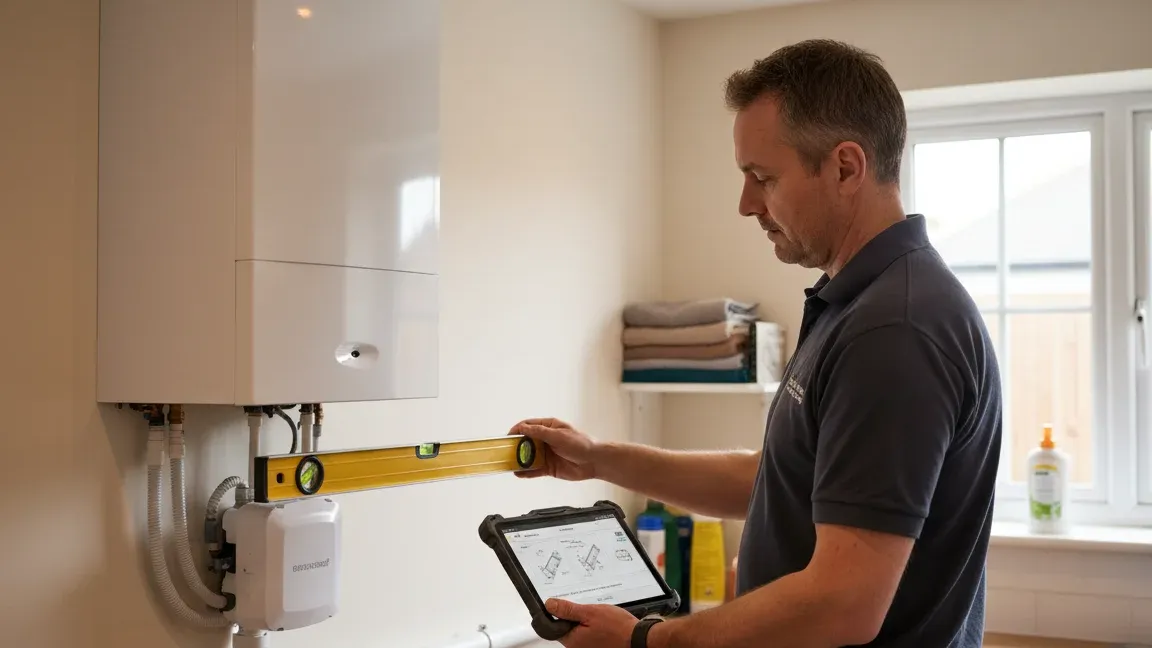
Condensate pump installation requires meticulous attention to detail and adherence to professional standards that protect both the heating system and the property it serves. When heating systems, air conditioning units, or refrigeration equipment produce condensate water, a properly installed pump ensures this water drains safely away without causing property damage or system failures. Understanding what installers should check during installation helps property owners ensure the work meets professional standards and protects their investment.
The installation process involves far more than simply connecting a pump to the heating system. Professional installers must assess electrical requirements, verify drainage routes, ensure proper pump positioning, and test multiple safety mechanisms before commissioning the system. Each checkpoint serves a specific purpose in creating a reliable, efficient condensate removal system that operates quietly and effectively for years of service.
Understanding Condensate Pump Installation Requirements
Why Professional Installation Matters
Modern condensing boilers, air conditioning systems, and refrigeration units all produce condensate water as a natural byproduct of their efficient operation. This acidic water must be removed efficiently to prevent corrosion, system damage, and potential property flooding. A condensate pump provides mechanical drainage when gravity drainage proves impractical due to the equipment's location relative to available drainage points.
Professional installation ensures the pump operates reliably under all conditions throughout the heating season and beyond. Improper installation can result in water damage, system shutdowns, noise problems, and premature pump failure that interrupts heating service. In commercial settings, these failures can disrupt business operations and create significant financial losses. Residential installations require equal attention - a failed condensate pump can flood utility rooms, damage flooring, and create conditions favourable for mould growth.
Gas Safe registered engineers must complete installations involving condensing boilers, whilst qualified HVAC technicians should handle air conditioning applications. These professionals understand the technical requirements, safety standards, and regulatory compliance necessary for proper condensate pump installation. They carry appropriate tools, testing equipment, and knowledge to identify potential problems before they cause system failures that interrupt service.
The cost difference between professional and amateur installation becomes apparent quickly when problems develop. Professional installers provide warranties, comply with Building Regulations, and ensure systems operate efficiently from day one. They understand pump capacity requirements, electrical safety, and drainage system integration - knowledge that prevents the expensive callbacks and remedial work that frequently follow substandard installations.
Pre-Installation Site Assessment
Before installing any condensate pump, professional installers conduct thorough site assessments that identify challenges and ensure the chosen pump suits the specific application. This evaluation examines the physical space available, measuring clearances for pump installation, maintenance access, and pipework routing that affects long-term serviceability.
Electrical supply verification forms a critical part of pre-installation assessment that cannot be overlooked. The installer must confirm adequate power supply exists at the installation location, checking voltage, amperage, and circuit protection. Many central heating systems and condensate pumps require dedicated electrical circuits to prevent overloading and ensure reliable operation independent of other electrical loads.
Drainage route planning determines how condensate water travels from the pump to its final discharge point. Installers should identify the most direct route whilst avoiding areas where frozen pipes could cause winter failures. They assess whether drainage can discharge into internal waste pipes, external drains, or soakaways, ensuring compliance with local Building Regulations and water authority requirements that govern discharge locations.
System compatibility checks ensure the condensate pump matches the heating or cooling equipment it serves. The installer should verify the pump's capacity exceeds the maximum condensate production rate of the connected equipment with adequate margin. They examine existing system components, checking for potential conflicts or integration challenges that might affect installation quality or system performance.
Critical Technical Checks During Installation
Electrical Connection Verification
Proper electrical installation ensures safe, reliable pump operation throughout the equipment's service life. Installers should verify the power supply matches the pump's voltage requirements, typically 230V for UK domestic installations. They must install appropriate circuit protection, usually a 3-amp fused spur, providing overcurrent protection and a local isolation point for maintenance activities.
Earthing verification protects against electrical faults that could endanger occupants or damage equipment. The installer should test earth continuity, ensuring the pump's metal components connect properly to the building's earth system. This protection prevents electric shocks and ensures safety devices operate correctly if faults develop during operation. Professional installers use earth continuity testers to verify connections meet safety standards before energising the system.
Control wiring configuration varies depending on the specific application and boiler requirements. Some condensate pump installations require integration with boiler controls, shutting down the heating system if the pump fails or the condensate level rises too high. The installer should wire these interlocks correctly, testing failsafe operation before commissioning to ensure the safety systems function as designed.
Testing electrical connections before system activation prevents damage and identifies wiring errors that could cause problems. The installer should measure voltage at the pump terminals, verify correct polarity, and test earth continuity before applying power. They should operate the pump briefly, checking for unusual noise, vibration, or electrical problems that might indicate installation errors or component defects requiring correction.
Pump Positioning and Mounting
Correct pump positioning significantly affects performance, noise levels, and maintenance accessibility throughout the equipment's service life. The installer should position the pump on a firm, level surface, ensuring stability during operation. Many condensate pumps include mounting brackets or feet designed to minimise vibration transmission to surrounding structures - proper use of these mounting systems reduces operational noise and prevents pump movement that could stress pipe connections.
Orientation matters critically for condensate pump installation success. Most pumps specify required orientations in their installation instructions, ensuring float switches operate correctly and internal components function as designed. The installer should verify the pump sits level using a spirit level, ensuring accurate float switch operation and proper condensate collection within the reservoir.
Accessibility for future maintenance deserves careful consideration during installation planning. The installer should position the pump where homeowners or maintenance technicians can easily access it for inspection, cleaning, and servicing activities. Adequate clearance must exist around the pump for removing covers, accessing electrical connections, and replacing components if necessary - access restrictions that seem minor during installation become significant obstacles during emergency repairs.
Vibration isolation prevents operational noise from travelling through building structures and disturbing occupants. Professional installers may use anti-vibration mounts, rubber pads, or flexible pipe connections to minimise noise transmission. They should test the installed system, listening for excessive vibration or noise that might disturb occupants or indicate installation problems requiring correction before handover.
Pipework and Drainage Configuration
Condensate Pipe Sizing and Routing
Proper condensate pipe sizing ensures reliable drainage without blockages or overflows that could damage property. Installers should use pipe diameters specified by the pump manufacturer, typically 21.5mm to 32mm for domestic applications. Undersized pipes increase flow resistance, forcing the pump to work harder and potentially causing premature failure. Oversized pipes may allow condensate to cool excessively, increasing corrosion risk in metal drainage systems.
Pipe material selection affects system longevity and regulatory compliance significantly. Modern installations typically use plastic pipes (ABS, PVC, or polyethylene) resistant to the acidic nature of condensate. The installer should avoid copper or other metals that corrode when exposed to condensate, unless specifically designed for this challenging application. All pipe materials must comply with Building Regulations and manufacturer recommendations.
Routing condensate pipes requires careful planning to prevent freezing, maintain adequate fall, and avoid drainage problems. The installer should route pipes with a continuous fall towards the discharge point, typically at least 2.5 degrees from horizontal. This gradient ensures condensate flows freely without pooling in low points where it might freeze during cold weather or create conditions for bacterial growth.
External pipe runs require additional protection against freezing that internal runs avoid. The installer should insulate external condensate pipes thoroughly or, preferably, route them internally where possible. Where external routing proves unavoidable, larger diameter pipes (32mm minimum) and continuous fall to drainage points reduce freezing risk. Some installations benefit from trace heating or frost protection devices that actively prevent winter freezing.
Connection Points and Joint Sealing
Every pipe joint represents a potential leak point requiring proper sealing to prevent water damage. Installers should use appropriate jointing methods for the pipe materials selected - solvent cement for rigid plastic pipes, compression fittings for flexible pipes, or push-fit connections where suitable for the application. Following manufacturer instructions precisely ensures joints cure properly before testing the system.
The connection between the pump and drainage pipework deserves particular attention as a critical interface. The installer should ensure this joint seals perfectly, preventing leaks that could damage property or create slip hazards. They should use the connection method specified by the pump manufacturer, whether compression fitting, push-fit connection, or threaded joint with appropriate sealant.
Testing all joints for leaks forms an essential installation step before handover. The installer should fill the pump with water and operate it, carefully inspecting every joint for leaks whilst the system runs. Checking connections immediately after installation and again after 15-20 minutes of operation catches leaks that only become apparent once joints warm up or pressure cycles occur.
Airlocks can prevent proper drainage even when pipes are correctly sized and sloped. The installer should design the pipework to avoid high points where air might accumulate, or install automatic air vents where high points prove unavoidable. Thorough system testing verifies that condensate drains completely without gurgling sounds or slow drainage that might indicate airlock problems affecting performance.
System Integration and Testing
Connection to Heating Equipment
Integrating the condensate pump with heating or cooling equipment requires careful attention to manufacturer specifications and installation requirements. The installer should connect the condensate outlet from the boiler, air conditioning unit, or refrigeration system to the pump's inlet, ensuring a watertight seal. Condensate must flow freely from the equipment into the pump's collection chamber without restrictions or airflow problems.
Some heating systems require condensate traps between the boiler and pump for proper operation. The installer should fit these traps correctly, ensuring proper seal depth that prevents combustion gases from escaping through the condensate system. Filling traps with water during installation verifies proper operation before commissioning the heating system.
The condensate collection chamber must accommodate the maximum condensate production rate with appropriate margin. The installer should verify that the chamber capacity and pump activation level suit the connected equipment's output. Undersized chambers cause frequent pump cycling that reduces component life and increases energy consumption unnecessarily.
Safety mechanisms protect against pump failures or blockages that could cause property damage. Professional installers should connect overflow alarms, high-level switches, or system interlocks that shut down heating equipment if condensate levels rise dangerously high. Testing these safety devices during commissioning verifies they activate at appropriate levels and trigger correct responses from connected equipment.
Commissioning and Performance Testing
Thorough commissioning ensures the condensate pump installation operates correctly before the installer leaves site. The installer should fill the pump's collection chamber with water, verifying that the float switch activates the pump at the correct level. Observing several complete pump cycles confirms that condensate pumps out completely and the float switch deactivates the pump at the appropriate low level.
Flow rate verification confirms the pump delivers adequate capacity for the application being served. The installer should measure the time required to pump out a known volume of water, calculating actual flow rate and comparing it to manufacturer specifications. Reduced flow might indicate blockages, incorrect pipe sizing, or pump defects requiring correction before commissioning completes.
Leak detection during commissioning prevents future water damage that could prove costly. The installer should inspect all pipe joints, pump connections, and equipment interfaces whilst the system operates under full pressure. Checking for obvious leaks and subtle weeping that might not be immediately visible but could worsen over time ensures long-term reliability.
Noise level assessment ensures the installation will not disturb building occupants unreasonably. The installer should listen to the pump operating through complete cycles, identifying excessive noise, vibration, or unusual sounds that might indicate installation problems. Noise levels acceptable in a utility room might prove unacceptable in a bedroom cupboard or other occupied space.
Safety and Compliance Verification
Regulatory Compliance Checks
Building Regulations govern condensate drainage in the UK, particularly where condensate discharges externally. The installer should verify that the installation complies with all relevant regulations, including requirements for pipe sizing, fall gradients, frost protection, and discharge locations. External discharges must terminate in appropriate locations, avoiding areas where freezing condensate might create slip hazards or cause nuisance.
Gas Safe registration requirements apply when condensate pump installation involves condensing boilers or other gas appliances. Only Gas Safe registered engineers should work on these systems, ensuring installations meet safety standards and legal requirements. The installer should provide Gas Safe certification upon completion, documenting the work performed and confirming compliance with gas safety regulations.
Electrical safety certification may be required depending on the installation's complexity and location within the property. Work in bathrooms, kitchens, or other special locations often requires certification by qualified electricians. The installer should advise whether certification is necessary and arrange appropriate inspection if required by Building Regulations.
Documentation and certification completion provides essential records for future reference and maintenance planning. Professional installers should provide installation certificates, warranty documentation, and operation manuals. Completing any required building control notifications ensures the installation complies with all regulatory requirements and protects the property's compliance status.
Safety Device Testing
Float switch operation determines when the pump activates and deactivates during normal operation. The installer should test the float switch multiple times, verifying consistent operation at correct water levels. Checking that the switch moves freely without sticking and that electrical contacts make and break cleanly without arcing ensures reliable long-term operation.
Overflow alarm functionality provides warning if the pump fails or blockages prevent proper drainage. Where fitted, the installer should test these alarms by raising water levels above normal operating points, verifying that alarms activate before water overflows the collection chamber. Alarm signals must be clearly audible or visible in locations where occupants will notice them promptly.
Emergency shut-off mechanisms protect heating equipment if condensate drainage fails unexpectedly. The installer should test these interlocks, verifying that heating systems shut down when condensate levels rise too high. Confirming that systems will not restart until condensate levels return to safe operating ranges prevents water damage from continued condensate production when drainage has failed.
Backup systems for critical applications provide redundancy against pump failures that could interrupt essential services. In commercial installations or applications where heating interruption causes serious problems, dual pump systems or battery backup may be appropriate. Testing these backup systems thoroughly verifies automatic changeover if primary pumps fail and confirms backup capacity matches primary system performance.
Post-Installation Quality Assurance
Final System Checks and Handover
Complete system walkthroughs ensure homeowners or facility managers understand their new installation and can recognise normal operation. The installer should explain how the condensate pump operates, what normal sounds indicate proper function, and what unusual symptoms might indicate problems requiring attention. Demonstrating the pump operating through complete cycles whilst pointing out key components and their functions builds confidence in the installation.
Maintenance schedule explanation helps prevent future problems and extends system life significantly. The installer should provide clear guidance on inspection intervals, cleaning procedures, and signs of wear requiring professional attention. Explaining how to access the pump for inspection, what to look for during routine checks, and when to schedule professional servicing empowers property owners to maintain their systems effectively.
Troubleshooting guidance for common issues empowers occupants to identify simple problems before calling for service unnecessarily. The installer should explain what to check if the pump stops working, how to reset tripped circuit breakers, and when problems require professional assistance. This guidance reduces unnecessary service calls whilst ensuring serious problems receive prompt professional attention.
Warranty registration and coverage details protect the investment in the condensate pump installation. The installer should register the equipment warranty, explain coverage terms, and provide contact information for warranty claims. Clarifying what the warranty covers, typical exclusion terms, and how to maintain warranty validity through proper maintenance protects against unexpected repair costs.
Maintaining Your Condensate Pump Installation
Regular inspection intervals depend on system usage and operating conditions throughout the year. Domestic heating systems typically require annual inspection before the heating season begins, whilst commercial installations might need quarterly checks. The installer should recommend inspection schedules based on the specific application, considering factors like condensate production rates, operating hours, and environmental conditions.
Signs of potential problems include unusual pump cycling patterns, increased operational noise, visible leaks, or heating system shutdowns related to condensate faults. Occupants should monitor pump operation periodically, listening for changes in sound or frequency that might indicate developing problems. Early detection enables intervention before minor problems escalate into expensive failures or property damage.
Professional servicing maintains pump performance and extends equipment life beyond minimum expectations. Annual servicing typically includes cleaning the collection chamber, inspecting float switches, checking electrical connections, and verifying proper drainage throughout the system. Professional technicians can identify wear before it causes failures, replacing components proactively rather than reactively after breakdowns occur.
Seasonal maintenance considerations address specific challenges posed by winter cold and summer heat variations. Before winter, verify that external pipes have adequate insulation and frost protection. Before summer cooling season, check that air conditioning condensate systems drain properly and that pumps operate reliably under increased loads that cooling systems generate.
Choosing Quality Equipment and Professional Services
Selecting Appropriate Condensate Pumps
Selecting appropriate condensate pumps affects installation success and long-term reliability significantly. Reputable brands like Grundfos offer proven reliability backed by comprehensive warranties and technical support that protects the investment. Professional installers can recommend equipment suited to specific applications, considering factors like condensate production rates, available space, and environmental conditions.
Quality pump valves and fittings designed for condensate applications ensure reliable connections that withstand acidic conditions over years of service. Wilo provides commercial-grade solutions for demanding applications where reliability proves essential for business operations. Standard plumbing components may corrode or fail prematurely when exposed to condensate, creating leaks requiring emergency repair.
National Pumps and Boilers supplies the complete range of condensate management equipment from leading manufacturers, ensuring availability of quality components for every application. Their technical team provides guidance on equipment selection, ensuring pumps match specific installation requirements for optimal performance.
For properties with expansion vessels and complex heating systems, coordinating condensate pump selection with other system components ensures compatibility and reliable operation. Lowara equipment handles demanding commercial applications where multiple condensate sources require management, whilst DAB offers solutions for residential and light commercial installations.
Integration with DHW pumps and other heating system components requires attention to system design as a whole rather than individual components in isolation. Professional installers understand these relationships and specify equipment that works together reliably throughout the system's service life.
Conclusion
Professional condensate pump installation requires attention to numerous technical details that collectively determine system reliability and longevity. From electrical connections and pump positioning through pipework configuration and safety device testing, each checkpoint serves a specific purpose in creating an installation that operates reliably for years. Understanding these requirements helps property owners recognise professional workmanship and ensure installations meet appropriate standards.
The investment in professional installation pays dividends through reliable operation, warranty protection, and avoided repair costs that amateur installations frequently incur. Quality equipment from reputable manufacturers, installed by qualified professionals following manufacturer specifications and Building Regulations, provides the foundation for trouble-free condensate management.
For expert guidance on condensate pump installation, quality equipment selection, and professional installation services, Contact Us to discuss specific requirements. Professional assessment ensures installations meet all technical requirements whilst delivering reliable performance throughout the heating system's operational life.