

What Your Installer Should Consider When Selecting Mixing Valves
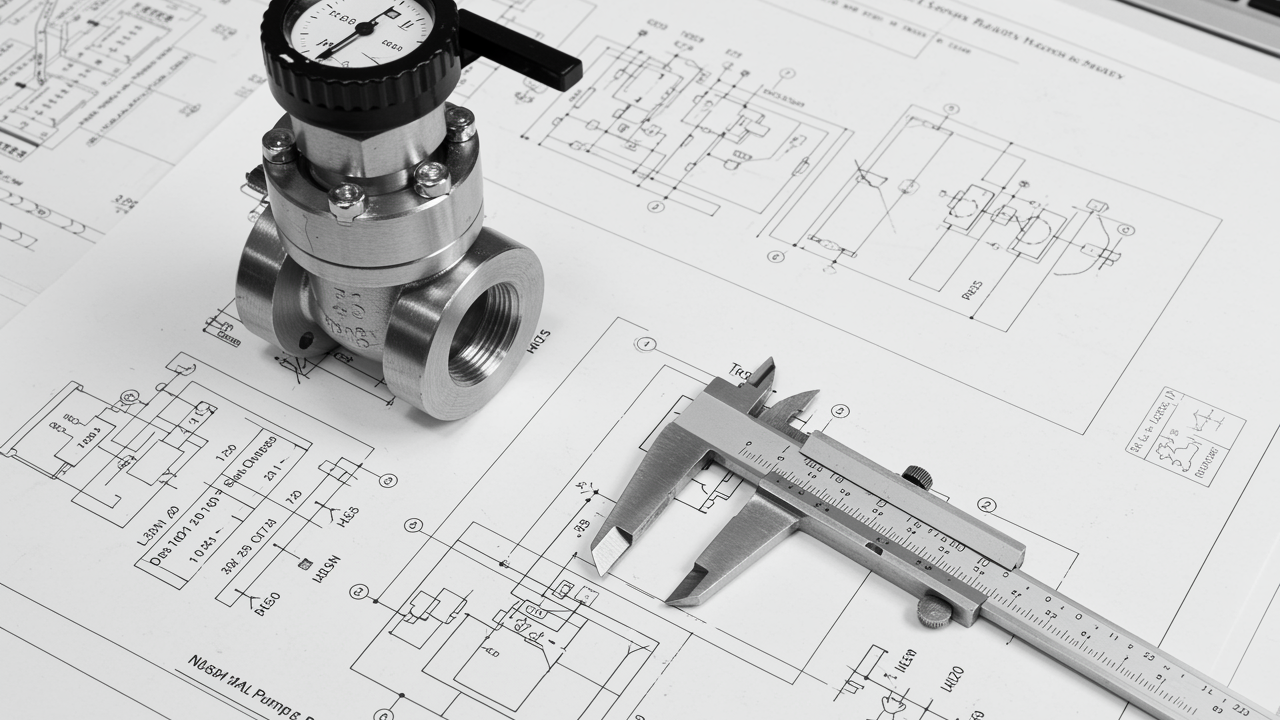
Selecting the right mixing valve represents one of the most critical decisions in heating system design and installation. The valve's performance directly affects occupant comfort, energy efficiency, and system safety. Professional installers must balance technical specifications, application requirements, regulatory compliance, and long-term reliability when specifying these essential components.
Mixing valves serve as the primary temperature control mechanism in modern heating systems, blending hot water from the heat source with cooler return water to achieve precise outlet temperatures. This temperature regulation protects building occupants from scalding whilst maintaining optimal system efficiency across varying load conditions. Installation professionals recognising the critical nature of proper valve selection ensure that systems deliver intended safety and efficiency benefits throughout their operational lifespan.
Understanding Mixing Valve Fundamentals
The Role of Mixing Valves in Heating Systems
Mixing valves regulate water temperature by blending hot water from the heat source with cooler return water to achieve precise outlet temperatures. This temperature regulation protects building occupants from scalding whilst maintaining optimal system efficiency across varying load conditions. The fundamental safety and efficiency functions of mixing valves make their proper selection essential to system performance.
Thermostatic mixing valves operate mechanically, using a temperature-sensitive element that expands or contracts to adjust the hot and cold water mix ratio. These valves provide reliable, fail-safe operation without requiring external power or control signals, making them ideal for applications where simplicity and reliability outweigh the need for sophisticated control. Motorised mixing valves, conversely, use electric actuators controlled by external sensors and building management systems, offering greater precision and integration capabilities for complex installations. National Pumps and Boilers supplies both thermostatic and motorised mixing valves from leading manufacturers, ensuring appropriate technology selection for every heating system requirement.
The safety function of mixing valve selection cannot be overstated. In domestic hot water applications, valves must prevent water temperatures exceeding 48°C at outlets used by vulnerable persons, whilst commercial installations often require TMV3-certified valves for healthcare and educational facilities. Grundfos heating solutions supply certified mixing valves meeting these stringent safety standards across residential and commercial applications.
Flow rate management represents another fundamental valve function. The valve must handle the system's maximum flow requirements whilst maintaining stable temperature control. Undersized valves create excessive pressure drops, reducing system efficiency and potentially causing flow noise. Oversized valves may struggle to control temperature accurately at low flow rates, leading to temperature fluctuations that compromise comfort and safety.
Key Performance Parameters
Temperature range capabilities define the valve's operational envelope. Most heating system mixing valves operate between 35°C and 85°C, though specific applications may require wider ranges. The adjustment precision - typically ±2°C for quality thermostatic valves and ±1°C for motorised valves - determines how accurately the system maintains setpoint temperatures under varying conditions.
Pressure drop specifications directly impact pump sizing and energy consumption. A well-selected mixing valve introduces minimal resistance whilst maintaining control authority. Installers should calculate pressure drop at design flow rates and verify that the valve's Kv value (flow coefficient) suits the application. Systems with central heating pumps require careful matching between pump curves and valve characteristics to achieve efficient operation.
Response time becomes critical in applications with rapidly changing loads. Thermostatic valves typically respond within 5-15 seconds to temperature changes, whilst motorised valves' response depends on actuator speed and control algorithm tuning. Underfloor heating circuits, with their high thermal mass, tolerate slower response times than radiator circuits or domestic hot water systems requiring rapid temperature adjustment.
Fail-safe mechanisms protect systems when components malfunction. Quality thermostatic mixing valves default to a safe position - typically closing the hot water port - if the thermostatic element fails. Motorised valves should include spring-return actuators that position the valve safely upon power loss, preventing scalding risks or system damage. This critical safety feature has prevented countless injuries in both domestic and commercial settings.
Application-Specific Selection Criteria
Domestic vs Commercial Requirements
Residential heating systems typically operate with lower flow rates and simpler control strategies than commercial installations. A domestic property might require a single mixing valve serving underfloor heating manifolds or a hot water cylinder, with flow rates rarely exceeding 30 litres per minute. These installations often use compact thermostatic mixing valves that provide reliable performance without complex controls.
Commercial installations present substantially different demands. A multi-storey office building or hospital might require multiple mixing valves coordinating across dozens of zones, with total flow rates reaching hundreds of litres per minute. These systems demand motorised mixing valves with precise control and integration capabilities, often supplied by manufacturers like Wilo or DAB who specialise in commercial-grade components.
Load calculations drive valve sizing across all applications. Installers must accurately calculate peak heat demand, accounting for simultaneous usage patterns and diversity factors. Undersizing causes inadequate heating capacity, whilst oversizing creates control instability and unnecessary capital expense. Commercial projects typically require detailed hydraulic modelling to optimise valve selection across multiple circuits.
Compliance requirements differ markedly between sectors. Domestic installations must meet Building Regulations Part L for energy efficiency and Part G for hot water safety. Commercial projects face additional requirements including HTM 04-01 for healthcare facilities, requiring TMV3-certified valves and specific maintenance protocols. Educational facilities similarly require enhanced safety measures, with mixing valves forming part of the Legionella control strategy.
System Configuration Compatibility
Boiler compatibility represents a primary selection criterion. Condensing boilers achieve maximum efficiency when return temperatures remain below 55°C, requiring mixing valves that can operate effectively with lower flow temperatures. Non-condensing boilers and some biomass systems require minimum return temperatures to prevent condensation damage, necessitating valve configurations that maintain adequate return temperatures under all load conditions.
Underfloor heating circuits almost universally require mixing valves, as floor surface temperatures must not exceed 27°C for occupied spaces (29°C for bathrooms). These applications suit thermostatic mixing valves with narrow temperature ranges and high control precision. Expansion vessel integration with underfloor mixing valves ensures system stability as circuits cycle on and off.
Radiator circuits increasingly incorporate mixing valves in modern installations, particularly when combining different emitter types or integrating renewable heat sources. A system might blend high-temperature radiators in older building sections with low-temperature underfloor heating in extensions, requiring sophisticated valve control to optimise efficiency whilst meeting comfort requirements across all zones.
DHW systems require particularly careful valve selection to balance energy efficiency with responsiveness and safety. The valve must respond quickly to flow changes as taps open and close, maintaining safe outlet temperatures under varying inlet conditions. Lowara circulation equipment works alongside mixing valves in DHW applications, with controls coordinating pump operation and temperature regulation.
Heat pump installations present unique mixing valve selection challenges. Heat pumps operate most efficiently at lower flow temperatures, typically 35-45°C, but existing radiator systems may require higher temperatures during peak demand. The mixing valve must accommodate this wide operating range whilst maintaining precise control, often requiring motorised valves with weather compensation and load-dependent control strategies.
Technical Specifications and Standards
Compliance and Certification Requirements
UK Building Regulations Part G mandates that hot water systems incorporate measures to prevent scalding, with mixing valves forming the primary control method. Domestic installations must limit outlet temperatures to 48°C at baths and showers, though basin outlets may operate at higher temperatures where risk assessment permits. Commercial installations face stricter requirements, particularly in healthcare and educational settings.
TMV2 and TMV3 certification schemes verify that mixing valves meet performance and safety standards. TMV2 certification suits most domestic applications, confirming the valve maintains outlet temperatures within acceptable limits and fails safely. TMV3 certification, required for higher-risk commercial applications, demands enhanced performance testing including response to pressure fluctuations, temperature shock, and component failures.
WRAS (Water Regulations Advisory Scheme) approval confirms that valve materials and design comply with water quality regulations, preventing contamination and ensuring durability. This approval becomes particularly important in potable water applications, where valve materials must resist corrosion and avoid leaching harmful substances. Installers should verify WRAS approval for all mixing valves in drinking water systems.
The ErP (Energy-related Products) Directive influences mixing valve selection through efficiency requirements for heating systems. Whilst mixing valves themselves aren't directly regulated, their role in system efficiency makes selection critical. High-quality valves with low pressure drops and precise control contribute significantly to achieving ErP compliance for the complete heating system.
Material and Construction Quality
Valve body material fundamentally affects longevity and performance. Brass bodies suit most heating applications, offering good corrosion resistance and machinability at reasonable cost. Bronze provides enhanced corrosion resistance for aggressive water conditions, whilst stainless steel offers maximum durability for demanding applications including solar thermal systems and high-temperature industrial processes.
Seal materials must withstand continuous exposure to hot water without degrading. EPDM (ethylene propylene diene monomer) seals suit most heating applications, maintaining flexibility and sealing performance across wide temperature ranges. PTFE (polytetrafluoroethylene) seals offer superior chemical resistance for applications involving glycol antifreeze or aggressive water treatment chemicals.
Actuator quality separates premium motorised mixing valves from budget alternatives. Quality actuators provide consistent torque across their operating range, maintain position accuracy over millions of cycles, and include robust gear trains that resist wear. Vaillant heating equipment demonstrates engineering standards for actuators specifically designed for heating applications.
Corrosion resistance becomes critical in systems with poor water quality or inadequate treatment. Hard water areas require valves with enhanced scale resistance, whilst systems using inhibitors need materials compatible with treatment chemicals. The valve's internal surfaces should resist deposit formation that could impair operation, with designs facilitating cleaning when maintenance becomes necessary.
Brand Selection and Product Quality
Evaluating Manufacturer Reputation
Established manufacturers invest heavily in product development, testing, and quality control, producing mixing valves that deliver reliable long-term performance. Brands with decades of heating industry experience understand the real-world conditions valves face and engineer products accordingly. This expertise translates into valves that maintain calibration, resist wear, and perform consistently across their design life.
Technical support quality varies dramatically between manufacturers. Premium brands provide detailed installation instructions, commissioning guidance, and troubleshooting resources that help installers achieve optimal results. Telephone support from knowledgeable technical staff can resolve installation challenges quickly, preventing costly delays. Budget brands often provide minimal support, leaving installers to resolve issues independently.
Spare parts availability determines whether a faulty valve requires complete replacement or simple repair. Quality manufacturers maintain spare parts stocks for products installed decades earlier, allowing cost-effective repairs that extend system life. Budget alternatives frequently become obsolete within years, forcing complete valve replacement when simple seal or actuator replacement would suffice with better-supported products.
Warranty terms reflect manufacturer confidence in product quality. Premium mixing valves typically carry 2-5 year warranties covering materials and workmanship, with some manufacturers offering extended warranties for registered installations. These warranties provide valuable protection for installers and building owners, though they only deliver value if the manufacturer maintains a responsive claims process. Armstrong equipment demonstrates professional standards for warranty coverage and support.
Quality Indicators and Long-Term Value
Material specifications provide reliable indicators of product quality. Valves specifying dezincification-resistant (DZR) brass or gunmetal bodies perform better long-term than standard brass in aggressive water conditions. Seals specified from premium elastomer manufacturers maintain performance longer than economy alternatives. These material selections, whilst increasing initial cost, dramatically improve long-term value through extended service life and reduced failure rates.
Performance testing and certification procedures ensure that valves meet design specifications. Independent certification by accredited bodies including TMV certification schemes provides assurance that valves perform as claimed. Installers should prioritise valves with extensive performance documentation and third-party certification over products relying solely on manufacturer claims.
Service life expectations differ significantly between quality levels. Premium thermostatic elements often last 10-15 years before requiring replacement, whilst economy versions may degrade noticeably within 5-7 years. Motorised actuators from quality manufacturers operate reliably for 15-20+ years, whilst budget alternatives sometimes fail within 5-10 years. These service life differences compound over building lifetimes, making premium products more economical despite higher initial costs.
Customer support and technical assistance availability distinguish quality manufacturers from budget suppliers. Availability of technical staff for commissioning assistance, troubleshooting guidance, and spare parts sourcing determines whether problems resolve quickly or escalate into system failures. Installers should evaluate manufacturer support quality before committing to product specifications for important projects.
Integration with Existing Systems
Compatibility Assessment
Modern mixing valves increasingly integrate with building management systems and smart controls, requiring communication protocols that match existing infrastructure. Motorised valves with 0-10V analogue control suit basic systems, whilst more sophisticated installations may require Modbus, BACnet, or proprietary protocols. Installers should verify protocol compatibility before specifying valves for systems with existing controls.
Retrofit installations present particular integration challenges. The new mixing valve must fit physically within existing pipework, often in confined plant rooms with limited access. Valve dimensions, connection orientations, and actuator sizes all affect retrofit feasibility. Some manufacturers offer compact designs specifically for retrofit applications, minimising installation disruption.
Coordinating mixing valves with existing pumps and controls requires careful attention to system hydraulics and control logic. The valve's pressure drop characteristics must suit the existing pump curve, avoiding flow starvation or excessive bypass flow. Control systems may require reprogramming to accommodate the new valve's characteristics, particularly when replacing thermostatic valves with motorised units or vice versa.
Control System Requirements
Wiring and electrical requirements for motorised valves must comply with current regulations, with appropriate cable types and protection for outdoor sensor connections. Control units require mounting in accessible locations for future adjustment and maintenance. Integration with existing boiler controls demands understanding of specific manufacturer protocols and wiring configurations.
Sensor integration determines control system accuracy and responsiveness. Temperature sensors must be positioned where they accurately represent the conditions the control system attempts to regulate. Outdoor temperature sensors for weather compensation require north-facing placement away from direct sunlight and heat sources. Indoor sensors should monitor representative zone temperatures rather than locating in atypical spaces.
Actuator compatibility with control systems ensures proper valve operation. The selected actuator must accept control signals from the existing controller and respond appropriately across its full operating range. Remeha valve systems demonstrate compatibility standards for integration with modern building management systems.
Installation and Commissioning Considerations
Sizing and Flow Rate Calculations
Accurate flow rate calculation forms the foundation of proper mixing valve sizing. Installers must determine peak flow requirements by calculating heat demand and applying the formula: Flow Rate (l/min) = Heat Load (kW) × 14.3 / Temperature Differential (°C). A 20kW underfloor heating circuit operating with a 10°C differential requires approximately 28.6 litres per minute, suggesting a valve with a Kv value of approximately 4-6 depending on available pressure differential.
Pressure drop calculations verify that the selected valve won't create excessive system resistance. The pressure drop across the valve at design flow rate should not exceed 20-30% of the total available pump head, preserving adequate pressure for distribution pipework and emitters. Installers can calculate pressure drop using the formula: ΔP (bar) = (Q / Kv)², where Q represents flow rate and Kv represents the valve's flow coefficient.
Temperature differential requirements influence both valve selection and system design. Underfloor heating typically operates with 5-10°C differentials, requiring valves that maintain precise control across this narrow range. Radiator systems may operate with 15-20°C differentials, allowing greater tolerance in valve control characteristics. The selected valve must maintain stable control across the full range of operating conditions.
Safety margins protect against undersizing whilst avoiding excessive oversizing. A 10-20% capacity margin above calculated requirements accommodates measurement uncertainties and minor system modifications without compromising performance. Larger margins risk control instability, particularly with thermostatic mixing valves that require adequate flow velocity for responsive operation.
Positioning and System Design
Optimal valve placement balances hydraulic efficiency with maintenance accessibility. Mixing valves should install in locations with straight pipe runs upstream and downstream - typically 5 pipe diameters upstream and 3 diameters downstream - ensuring fully developed flow profiles for accurate temperature sensing and control. Turbulent flow from nearby elbows or tees can cause temperature stratification that impairs valve performance.
Accessibility requirements extend beyond initial installation to encompass routine maintenance and emergency repairs. Valves should install at comfortable working heights with adequate clearance for actuator removal and thermostatic element replacement. Plant room layouts should provide clear access paths, avoiding situations where other equipment must be removed to service the mixing valve.
Isolation valves upstream and downstream of the mixing valve enable maintenance without draining the entire system. These isolation valves should include drain points facilitating complete water removal from the mixing valve section. Quality installations also incorporate strainers upstream of mixing valves, protecting internal components from debris that could impair operation or damage seals.
Sensor placement critically affects motorised mixing valve performance. Outlet temperature sensors should install in straight pipe sections downstream of the valve, avoiding locations where stratification or stagnant water could cause inaccurate readings. Immersion pockets provide superior accuracy compared to strap-on sensors, ensuring the control system receives reliable temperature feedback for precise valve modulation.
Commissioning and Testing Procedures
Professional commissioning verifies that installed mixing valves achieve intended performance before the building enters service. Comprehensive commissioning includes temperature testing at all outlets under various demand conditions, adjustment of valve set points to achieve target temperatures, and documentation of as-installed performance. This thorough commissioning process ensures that the system meets safety requirements and provides a baseline for future maintenance and troubleshooting.
Pressure testing confirms that the valve's internal passages remain clear and that no internal leakage occurs. Flow measurement quantifies actual performance versus design specifications, identifying whether the valve is delivering intended capacity and control authority. Temperature response testing verifies that the valve responds appropriately to changing conditions, meeting design response time specifications.
Safety function testing confirms that fail-safe mechanisms operate correctly, closing hot water flow if the thermostatic element or cold water supply fails. These critical safety tests must be performed before system handover, ensuring that the valve will protect occupants from scalding if component failures occur during operation.
Maintenance and Lifecycle Costs
Serviceability and Ongoing Maintenance
Regular maintenance requirements vary significantly between valve types and applications. Thermostatic mixing valves in domestic installations typically require annual inspection and testing, verifying that outlet temperatures remain within acceptable limits and the thermostatic element responds correctly to temperature changes. Commercial installations, particularly those serving vulnerable populations, may require monthly testing documented in compliance logs.
Common failure modes including scale accumulation on internal components, seal degradation causing leaks or mixing ratio drift, and thermostatic element wear reducing control accuracy require preventive maintenance strategies. Water treatment systems minimising scale formation, system flushing removing debris, and proactive seal replacement before leaks develop extend valve service life and prevent performance degradation.
Cleaning and descaling procedures restore performance to valves affected by water quality issues. Many thermostatic mixing valves can be disassembled for cleaning without removing the valve body from the pipework, minimising maintenance disruption. Descaling solutions compatible with valve materials remove scale deposits without damaging seals or metal surfaces, though heavily scaled valves may require complete cartridge replacement.
Total Cost of Ownership Analysis
Initial equipment cost represents only one component of total cost of ownership. Lifecycle costs including installation labour, maintenance, component replacements, and energy consumption determine the true financial impact of valve selection. A lower-cost valve requiring frequent service visits and early replacement often proves more expensive than premium equipment delivering years of reliable, efficient operation.
Energy efficiency impacts vary based on valve characteristics and control capabilities. Motorised valves with weather compensation deliver greater fuel savings than simple thermostatic alternatives, with payback occurring within 2-5 years for most applications. These energy savings continue annually throughout the system's operational life, making efficient valve selection financially attractive alongside direct cost considerations.
Maintenance cost considerations depend on whether spare parts remain available and whether service intervals can be extended. Quality valves maintaining performance over extended service life reduce cumulative maintenance costs through fewer emergency repairs and component replacements. Premium products often justify their higher initial cost through lower lifecycle expenses and extended service periods.
Replacement part costs and availability affect maintenance economics. Valves from established manufacturers with broad spare parts distribution networks cost less to maintain than products from smaller manufacturers with limited part availability. Considering long-term spare parts availability when selecting valve brands ensures economical maintenance throughout the valve's service life.
Professional Installation Standards
Best Practice Installation Procedures
System preparation including thorough flushing before mixing valve installation removes accumulated scale, debris, and corrosion products that could damage the new valve or impair performance. Proper commissioning procedures include temperature testing under various load conditions, pressure verification confirming adequate supply, and adjustment of control systems to deliver design performance.
Quality assurance throughout installation ensures reliable operation and extended service life. Proper pipe sizing prevents excessive pressure drops whilst maintaining adequate flow. Isolation and drain valve positioning enables maintenance without system shutdown. Strainer installation upstream of the mixing valve protects internal components from debris circulating through the heating system.
Conclusion
Proper mixing valve selection by qualified professionals establishes the foundation for safe, efficient, reliable heating system operation. Technical specifications, compliance requirements, and long-term value considerations should guide valve selection rather than focusing solely on initial cost. Professional installers recognising the critical importance of proper valve selection invest appropriate effort in evaluating options and specifying equipment suited to specific application requirements.
Understanding the technical capabilities, safety functions, and long-term performance characteristics of available valve types enables installers to make informed specifications delivering optimal results for their clients. Systems designed with proper mixing valve selection, installed by qualified professionals, and maintained according to manufacturer recommendations deliver years of safe, efficient temperature control.
If you require expert guidance on mixing valve selection for your specific heating application requirements, our team of experienced heating engineers can assess your system and recommend appropriate valve specifications. Contact Us to discuss your mixing valve selection needs and ensure optimal performance for your heating system.