

What Your Installer Should Know About Glycol System Design
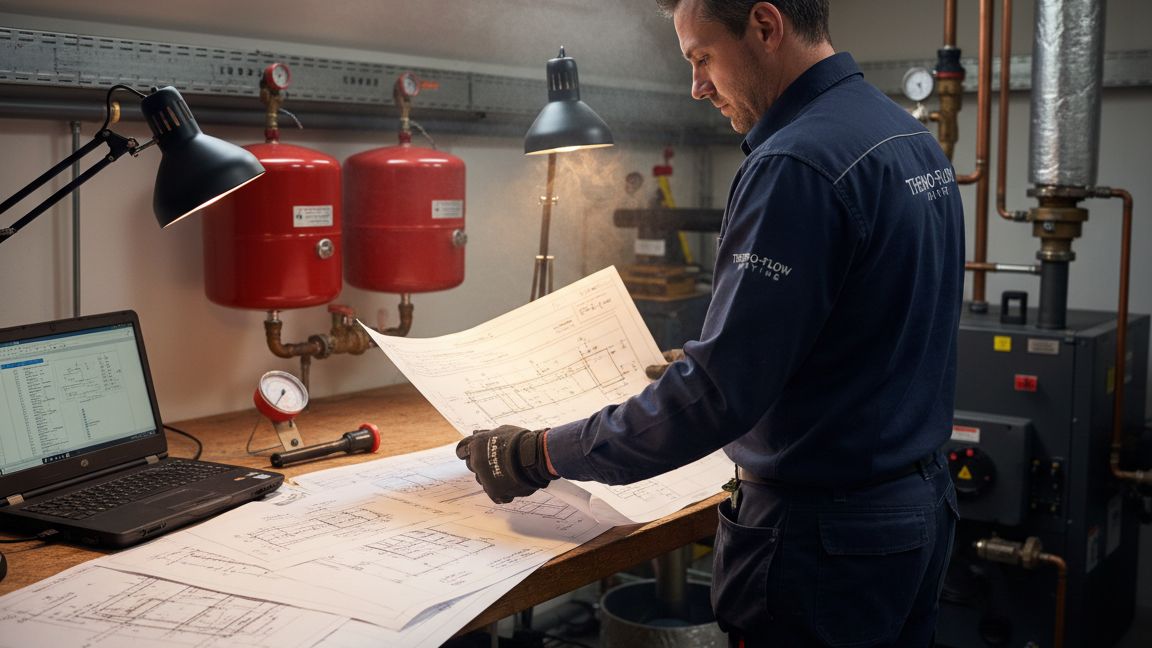
Glycol system design demands far more technical knowledge than conventional water-based heating systems. Installers who underestimate these requirements risk creating systems that fail prematurely, operate inefficiently, or pose safety hazards. Understanding the fundamental differences between water and glycol solutions forms the foundation for successful installations.
The addition of glycol to a heating system alters virtually every design parameter. Heat transfer rates drop by 10-15% compared to water alone, requiring larger heat emitters or higher flow rates to achieve the same output. Viscosity increases significantly - a 50% propylene glycol solution has roughly twice the viscosity of water at 10°C, which directly impacts pump selection and energy consumption. These changes aren't minor adjustments; they're fundamental shifts that affect component sizing, energy costs, and system performance.Understanding Glycol System Fundamentals
Why Glycol Systems Require Specialised Knowledge
Glycol-based heating systems serve applications where freeze protection is non-negotiable - unheated warehouses, outdoor biomass installations, ground source heat pump arrays, and industrial processes with shutdown periods. The consequences of freezing extend beyond burst pipes; they include catastrophic equipment damage, production losses, and safety incidents.
The chemistry of glycol solutions creates challenges absent in water systems. Glycol system design must account for reduced specific heat capacity, meaning the fluid carries less thermal energy per litre. A 40% propylene glycol solution has approximately 92% of water's specific heat capacity - seemingly minor until you calculate the flow rate increase needed to deliver the same heat output across an entire building.
Installers need to understand that glycol concentration isn't a one-size-fits-all specification. A 30% solution protects to approximately -15°C, adequate for many UK applications. However, systems in Scotland's highlands, cold stores, or outdoor installations may require 40-50% concentrations for protection to -25°C or lower. Over-concentration wastes money and reduces efficiency; under-concentration risks expensive freeze damage.
Grundfos glycol system expertise demonstrates how leading manufacturers provide detailed guidance on system design, component selection, and installation procedures. Professional installers leverage this manufacturer support to ensure systems perform optimally throughout their service life.
The Chemistry Behind Glycol Solutions
Propylene glycol dominates UK heating applications due to its low toxicity - crucial for systems near potable water or food processing. Ethylene glycol offers superior heat transfer but poses poisoning risks if leaks occur. Most installers specify propylene glycol unless specific circumstances justify ethylene glycol's performance advantages.
The relationship between concentration and freezing point isn't linear. Moving from 30% to 40% propylene glycol drops the freeze point from -15°C to -23°C, but increasing to 50% only achieves -33°C. Beyond 60% concentration, freeze protection actually decreases - pure glycol freezes at -12°C. This counterintuitive behaviour catches inexperienced installers who assume "more is better."
Viscosity changes with both concentration and temperature create significant design challenges. At 0°C, a 50% propylene glycol solution has nearly four times water's viscosity. Commercial circulators must be sized to overcome this increased resistance whilst maintaining design flow rates. Undersized pumps lead to inadequate flow, poor heat distribution, and excessive temperature differentials that stress system components.
Critical Design Parameters for Glycol Systems
Calculating Proper Glycol Concentration
Accurate freeze protection calculations prevent both under-protection and wasteful over-concentration. Start with the lowest expected ambient temperature where pipework or equipment is located. Add a safety margin - typically 5-10°C below the design minimum - to account for exceptional weather or localised cold spots.
System shutdown duration affects required protection levels. A system that's only off overnight during a cold snap faces different risks than one that might sit idle for weeks. Thermal mass and insulation provide temporary protection, but installers shouldn't rely on these factors alone. Proper glycol system design assumes worst-case scenarios: extended shutdown during the coldest weather. National Pumps and Boilers works with installers nationwide who recognise that proper glycol system design starts with accurate freeze protection calculations and comprehensive technical knowledge.
Testing concentration after filling verifies design calculations. Refractometers provide quick field measurements, whilst hydrometers offer acceptable accuracy for most installations. Laboratory analysis gives definitive results for critical applications. Documentation should record concentration levels, test methods, and the installer's calculations showing how the specified concentration was determined.
System Sizing and Component Selection
Pump selection for glycol systems requires careful attention to manufacturer performance curves. Most pump data assumes water at 60-70°C; glycol's higher viscosity at lower temperatures significantly affects performance. A pump that delivers 20 litres per minute with water might only achieve 15 l/min with 40% glycol at 40°C.
Wilo pump systems and other quality manufacturers provide correction factors for glycol applications. These factors adjust head and flow rate based on concentration and temperature. Installers who ignore these corrections end up with undersized pumps that can't maintain design flow rates, leading to cold spots, temperature complaints, and excessive cycling.
Expansion vessels require larger volumes for glycol systems due to higher expansion coefficients. A 40% propylene glycol solution expands approximately 15% more than water over the same temperature range. Undersized expansion vessels cause pressure relief valve discharge, system pressure loss, and air ingress that accelerates corrosion.
Material Compatibility and Component Selection
Most modern heating components tolerate propylene glycol, but older systems or specialised equipment may have incompatible materials. Natural rubber, some elastomers, and certain gasket materials degrade in glycol solutions. Zinc-coated components risk accelerated corrosion, particularly if inhibitor levels drop.
Valve selection matters more in glycol systems than installers often realise. Ball valves with PTFE or EPDM seals perform reliably, whilst some gate valves with compression packing may leak as glycol affects seal materials. Automatic air vents designed for water can malfunction in glycol systems; specify vents rated for glycol use.
DAB commercial equipment compatibility with glycol systems must be verified through manufacturer documentation. Pressurisation units must be compatible with glycol solutions, with diaphragm materials, seal compounds, and pump wetted parts all requiring verification before installation.
Common Installation Mistakes to Avoid
Improper Mixing and Filling Procedures
Pre-mixing glycol solutions before filling ensures accurate, consistent concentration throughout the system. Adding neat glycol to a partially filled system rarely achieves uniform distribution, particularly in complex pipework with multiple circuits. Gravity circulation during filling doesn't mix thoroughly enough; pockets of high or low concentration persist.
Professional installers calculate total system volume accurately, accounting for pipework, radiators, heat exchangers, and buffer vessels. They then mix the required quantity of glycol with clean water in a separate container, verifying concentration before pumping into the system. Filling through the lowest point whilst venting at high points prevents air locks that trap pockets of unmixed fluid.
Water quality affects glycol longevity and system protection. Hard water introduces minerals that precipitate out in glycol solutions, forming sludge that blocks strainers and reduces heat transfer. Chlorides and sulphates accelerate corrosion even in inhibited glycol. Using softened or deionised water for initial fill extends glycol life and maintains system cleanliness.
Inadequate System Flushing
Flushing new systems removes installation debris - metal filings, flux residue, jointing compound, and general dirt. These contaminants react with glycol inhibitors, depleting them prematurely and leaving the system vulnerable to corrosion. Oil from pipe threading equipment is particularly problematic, as it can't be removed once glycol is introduced.
Thorough flushing means circulating clean water until it runs clear, then draining completely and repeating. Many installers flush once and consider the job done; best practice involves multiple flush cycles with visual inspection of the discharge water. Strainers should be cleaned repeatedly during flushing until no debris appears.
When refurbishing existing systems for glycol use, chemical cleaning may be necessary to remove scale, corrosion products, and biofilm. Standard flushing won't remove these deposits, which will contaminate the glycol solution and compromise its protective properties. Specialist cleaning chemicals designed for heating systems should be used according to manufacturers' instructions, followed by neutralisation and thorough rinsing.
Overlooking Expansion and Pressurisation
Expansion vessel sizing for glycol systems uses different calculations than water systems. The expansion coefficient varies with glycol concentration - a 50% propylene glycol solution expands approximately 50% more than water over a typical heating system temperature range. Installers who use water-based calculations end up with vessels that are 30-40% undersized.
System pressure settings require adjustment for glycol systems. Higher viscosity affects pressure drop calculations, whilst different expansion characteristics influence the pressure range between cold fill and maximum operating temperature. Lowara pump systems must work within their performance envelope across this adjusted pressure range.
Verification after filling involves checking static pressure, operating pressure at design temperature, and pressure relief valve settings. The expansion vessel pre-charge pressure should match cold fill pressure; incorrect pre-charge causes premature relief valve operation or inadequate expansion accommodation. These checks take minutes but prevent callbacks and system damage.
System Protection and Monitoring Requirements
Corrosion Inhibitor Management
Glycol solutions contain corrosion inhibitors that protect ferrous and non-ferrous metals from the acidic breakdown products that form as glycol degrades. These inhibitors deplete over time through chemical reactions, thermal stress, and oxidation. Once inhibitor levels drop below protective thresholds, corrosion accelerates rapidly.
Annual testing of inhibitor concentration should be standard practice for all glycol systems. Test strips provide quick field assessment, whilst laboratory analysis offers comprehensive evaluation of inhibitor levels, pH, glycol concentration, and contamination. Results guide maintenance decisions - whether to add supplementary inhibitor, replace the glycol, or investigate system problems causing rapid inhibitor depletion.
High operating temperatures accelerate inhibitor degradation. Systems running above 80°C may need testing twice yearly; those operating below 60°C might extend testing to 18-24 months. Temperature monitoring and control prevent unnecessary inhibitor depletion whilst maintaining system efficiency.
Temperature and Pressure Monitoring
Critical monitoring points in glycol system design include flow and return temperatures, pressure at the pump inlet, and expansion vessel pressure. Commercial systems benefit from continuous monitoring with data logging; even residential applications should have accessible gauge points for service visits.
Temperature limits vary with glycol type and concentration. Propylene glycol begins degrading above 120°C, whilst ethylene glycol tolerates slightly higher temperatures. Most heating systems operate well below these limits, but localised overheating at boiler outlets or poorly designed heat exchangers can cause glycol breakdown, producing acidic compounds that attack system components.
Pressure monitoring detects leaks, air ingress, and expansion problems before they cause system failures. Gradual pressure loss indicates a leak requiring immediate attention; glycol leaks are more serious than water leaks due to fluid cost and environmental concerns. Sudden pressure changes during operation suggest air problems or expansion vessel failure.
Commissioning and Testing Procedures
Initial System Testing
Pressure testing before glycol introduction uses water or nitrogen to verify system integrity. Leaks that are minor annoyances in water systems become expensive problems when glycol escapes. Testing to 1.5 times maximum operating pressure for at least an hour, with visual inspection of all joints and connections, identifies problems whilst repairs are straightforward.
Flow rate verification ensures pumps deliver design flow rates against actual system resistance. Glycol's higher viscosity means measured flow rates will be lower than pump curves predict for water. Installers should measure flow rates at design operating temperature with glycol at final concentration, adjusting pump speeds or impeller sizes if necessary to achieve specified flows.
Temperature differential testing across heat emitters confirms adequate flow rates and proper system balance. Excessive temperature drops indicate insufficient flow; minimal temperature difference suggests short-circuiting or oversized emitters. These tests establish baseline performance for comparison during future service visits.
Glycol Concentration Verification
Testing concentration immediately after filling, then again after several days of operation, confirms uniform distribution throughout the system. Initial readings might vary between different parts of the system; after thorough circulation, concentration should be consistent everywhere.
Refractometers designed for propylene or ethylene glycol provide accurate readings in seconds. Hydrometers work but require larger sample volumes and temperature correction. Test results should be recorded in the system logbook along with fill date, glycol brand, and calculated system volume.
Client handover should include explanation of glycol system requirements, testing schedules, and maintenance needs. Providing written documentation prevents misunderstandings about ongoing service requirements and helps building managers budget for annual testing and eventual glycol replacement.
Maintenance Planning and Long-Term Management
Scheduled Testing and Analysis
Annual testing as a minimum standard catches problems before they cause damage. Sample collection from the system's lowest point provides representative fluid for analysis. Samples should be taken when the system is at operating temperature and has circulated thoroughly.
Laboratory analysis provides comprehensive assessment: glycol concentration, inhibitor reserve, pH, metals content (indicating corrosion), and contamination levels. This information guides maintenance decisions more effectively than simple concentration testing. Trending results over years reveals degradation patterns and helps predict when glycol replacement will be necessary.
Interpreting test results requires understanding normal ranges for each parameter. pH should remain above 7.5; values below 7.0 indicate significant degradation requiring immediate action. Inhibitor reserve below 50% of original concentration suggests replacement or supplementary inhibitor addition. Iron content above 50 ppm indicates active corrosion requiring investigation.
System Flushing and Glycol Replacement
Glycol solutions typically last 5-10 years depending on operating conditions, system design, and maintenance quality. Systems running at higher temperatures, those with copper/aluminium combinations, or installations with poor water quality at initial fill may need replacement sooner.
Proper disposal of used glycol follows environmental regulations - it cannot be poured down drains. Specialist waste contractors collect used glycol for recycling or approved disposal. Costs should be factored into lifecycle budgeting for glycol systems.
Flushing before refilling removes degradation products, corrosion debris, and contamination that accumulated during the previous fill. Multiple flush cycles with clean water, followed by complete drainage, prepare the system for fresh glycol. Vaillant boiler systems and other equipment manufacturers provide specific recommendations for flush procedures appropriate to their products.
Training and Certification Requirements
Installer Competency Standards
Professional installers working with glycol systems should possess knowledge of thermodynamics, fluid mechanics, material chemistry, and system design principles beyond what's required for water-only systems. This expertise comes through formal training, manufacturer programmes, and practical experience on diverse installations.
Armstrong technical resources and similar manufacturer documentation provide reference materials that installers should study and keep accessible for project consultation. Understanding this technical depth separates competent specialists from general contractors attempting glycol installations without adequate preparation.
Conclusion
Glycol system design requires systematic attention to chemistry, component selection, installation procedures, and ongoing maintenance. Installers who invest time understanding these requirements create systems that deliver reliable freeze protection, maintain efficiency, and minimise lifecycle costs. The alternative - cutting corners on design and commissioning - creates the failures and inefficiencies that damage professional reputation and frustrate building managers.
Professional installation of glycol systems demands expertise beyond standard heating knowledge, yet this specialisation creates market differentiation and customer appreciation. Building managers recognise the value of competent glycol system design when systems perform reliably year after year with minimal intervention.
If you require expert guidance on glycol system design or want to enhance your team's capabilities in this specialised area, Contact Us to discuss how professional support can ensure your glycol systems deliver optimal performance and longevity.