

When Your Heating System Needs a Buffer Tank (Key Indicators)
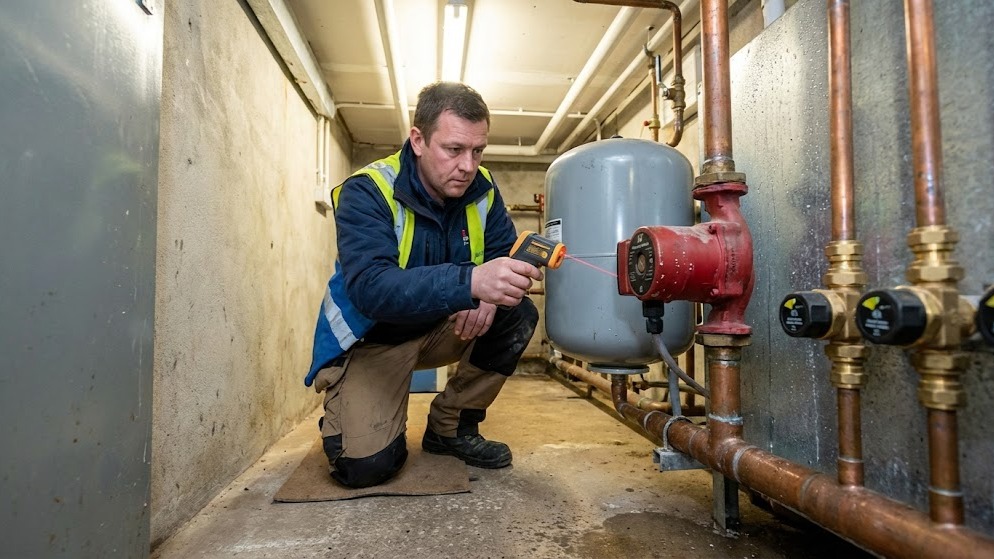
Not every heating system requires buffer storage, but those that do often suffer significant problems without it. Recognising the buffer tank indicators that suggest thermal storage is needed helps facilities managers address developing problems before expensive consequences accumulate. Systems exhibiting certain operational behaviours, configurations, or performance issues likely benefit from buffer installation.
Understanding when to add thermal storage heating capacity enables proactive decision-making that prevents the equipment damage and efficiency losses that inadequate buffering causes. The indicators described in this article help identify systems where buffer investment will deliver meaningful returns through improved performance and reduced operating costs.
Recognising the Need for Thermal Storage
Buffer requirements manifest through various symptoms that careful observation reveals. Some indicators appear obviously in system behaviour, whilst others emerge only through detailed monitoring or professional assessment. Recognising both obvious and subtle indicators helps identify buffering opportunities before problems become severe.
The buffer tank indicators described below range from easily observable symptoms to factors requiring technical analysis. Facilities managers without heating engineering expertise can recognise many warning signs, whilst others may require professional assessment to identify and quantify.
Systems exhibiting multiple indicators almost certainly benefit from buffer installation. Single indicators may warrant investigation but may not conclusively establish need. The accumulation of evidence across several categories builds the case for buffer investment.
Early recognition of buffer requirements prevents the accumulating damage that systems experience when operating without needed thermal storage. Components stressed by cycling wear faster, efficiency losses compound over operating hours, and comfort problems create ongoing occupant dissatisfaction. Addressing needs promptly limits these consequences.
Operational Warning Signs
Day-to-day system operation reveals important information about buffer requirements. Observing how heating equipment behaves during normal operation identifies several key indicators.
Frequent Generator Cycling
The most obvious buffer tank indicator is frequent heat generator cycling. Boilers and heat pumps that start and stop repeatedly rather than running continuously likely need additional system volume that buffer installation provides.
Observing generator behaviour during various load conditions reveals cycling patterns. Plant room visits during mild weather, when loads fall below generator capacity, often reveal cycling that full-load operation conceals. Building management systems that log start events provide objective cycling data for analysis.
Normal cycling frequency varies with generator type and system characteristics, but some thresholds indicate problems. Generators cycling more than six times per hour during sustained operation almost certainly suffer from inadequate system volume. More than ten cycles per hour represents severe cycling demanding immediate attention.
Seasonal variations in cycling behaviour help distinguish buffering needs from other problems. Systems that cycle severely during mild weather but operate stably during cold periods likely need buffers to handle part-load conditions. Systems cycling year-round may have additional problems beyond simple volume inadequacy.
Quality heating equipment from National Pumps and Boilers achieves design efficiency only when system conditions support stable operation. Recognising cycling indicates when those conditions are not being met.
Temperature Instability
Fluctuating supply temperatures indicate mismatch between generation and demand that buffering addresses. Systems without adequate thermal mass experience temperature swings as generators cycle on and off in response to varying loads.
Monitoring supply temperatures during operation reveals instability that casual observation might miss. Temperature loggers installed on flow pipework record fluctuations that occur between plant room visits. Variations exceeding five degrees Celsius during steady-state operation suggest buffering benefit.
Control system behaviour provides additional evidence of buffering need. Systems constantly hunting, with generation controls continuously adjusting rather than settling at stable points, indicate load variations that thermal mass would smooth. Buffering enables controls to find and maintain stable operating conditions.
The consequences of temperature instability extend beyond comfort to efficiency. Generators operating under unstable conditions cannot optimise combustion or refrigerant cycle operation. Adding thermal mass stabilises conditions and enables efficiency improvements.
Comfort Complaints and Uneven Heating
Building occupants experience the consequences of inadequate buffering through temperature fluctuations, slow heating response, and uneven conditions across zones. Persistent comfort complaints despite adequate generation capacity may indicate buffering need.
Temperature swings during occupied periods create discomfort even when average temperatures are acceptable. Occupants notice cycling between warmer and cooler conditions that statistical averages conceal. Buffering smooths these variations by providing thermal mass that moderates temperature changes.
Zone interaction problems sometimes indicate buffering requirements. Zones that interfere with each other, with opening one zone causing temperature changes in others, suggest hydraulic issues that buffer installation may resolve by separating generation from distribution circuits.
Systems requiring frequent thermostat adjustment to maintain comfort may benefit from the stability that buffering provides. The need to add thermal storage heating becomes apparent when occupants cannot achieve consistent temperatures without continuous adjustment.
System Configuration Indicators
Certain system configurations almost always benefit from buffer installation regardless of current operational symptoms. Recognising these configurations helps specify buffering during initial design or identify retrofit opportunities.
Heat Pump Installations
Heat pumps represent the system type most commonly requiring buffer storage. Their sensitivity to cycling, defrost cycle requirements, and compressor protection needs make buffering a standard recommendation for most installations.
The indicators specific to heat pumps include compressor short-cycling that reduces coefficient of performance, supply temperature drops during defrost cycles, and comfort complaints despite adequate installed capacity. These symptoms almost universally resolve with proper buffer installation.
Air source heat pumps requiring periodic defrost cycles particularly benefit from buffering. The thermal mass provides heat during defrost periods when the heat pump reverses operation, preventing supply temperature drops that would otherwise affect building comfort.
Variable speed heat pumps tolerate lower buffer volumes than fixed speed units because their modulation capability provides some inherent load matching. However, even variable speed units benefit from buffering during extreme part-load conditions and defrost operations.
Equipment from manufacturers like Grundfos and Wilo provides the circulation support that heat pump buffer systems require. Proper pump specification ensures effective heat transfer between heat pumps and buffers.
Multiple Heat Source Systems
Systems combining multiple heat generators present coordination challenges that buffering simplifies. Buffer tanks provide common storage that all sources can charge independently, eliminating complex sequencing requirements.
The decision to install buffer storage in multi-source systems becomes compelling when coordination problems cause operational issues. Sources interfering with each other, fighting for control, or failing to hand over smoothly all indicate buffering benefit.
Hybrid systems combining heat pumps with backup boilers particularly benefit from buffering. The buffer allows each source to operate according to its optimal characteristics without demanding instantaneous response to load changes. Heat pumps can run continuously at efficient conditions whilst boilers provide peak support.
Solar thermal systems almost always require buffer storage to capture intermittent solar availability for later use. The unpredictable nature of solar gain makes buffering essential for useful energy capture.
Highly Variable Load Profiles
Buildings with characteristically variable loads often need buffering regardless of generation equipment type. The mismatch between typical loads and peak requirements creates conditions where generators cannot operate efficiently without thermal storage.
Building types exhibiting high load variability include places of worship, assembly halls, sports facilities, and entertainment venues. These buildings experience extreme swings between occupied and vacant conditions, with heating demand varying by factors of ten or more between states.
Shift-based operations in industrial facilities create similar variability as occupancy changes. Offices with flexible working arrangements may experience unpredictable occupancy patterns creating variable loads that challenge efficient generation.
The need to add thermal storage heating in variable load applications enables rapid temperature recovery when loads increase whilst preventing cycling when loads fall. Buffers charged during low-load periods provide the thermal mass for quick warm-up when demand rises.
Equipment-Related Indicators
Equipment specifications, performance patterns, and maintenance history all provide information about buffer requirements. These indicators may require more detailed investigation to identify.
Manufacturer Minimum Volume Requirements
Heat generator manufacturers specify minimum system water volumes as operating requirements. Systems failing to meet these specifications experience the cycling and inefficiency that minimum volumes are intended to prevent.
Checking existing system volume against manufacturer requirements reveals buffer tank indicators related to specification compliance. Calculation involves summing boiler content, pipe volumes, and emitter contents, then comparing against specification.
Warranty implications make volume compliance particularly important. Manufacturers may deny warranty claims for failures attributed to inadequate system volume. Buffer installation provides straightforward compliance whilst delivering operational benefits.
Modern compact boilers often have minimal internal water content, making connected system volume especially important. Replacement of older boilers with modern units may create volume deficiency in systems that previously operated adequately.
Premature Component Wear
Maintenance history revealing premature component failure indicates cycling damage that buffering prevents. Patterns of early ignition component, gas valve, or heat exchanger replacement suggest cycling stress that warrants investigation.
Ignition electrodes lasting two years instead of typical five-year life, or flame sensors requiring annual replacement, indicate cycling frequencies damaging components faster than normal operation would. Quantifying this wear pattern helps build economic cases for buffer investment.
Heat exchanger cracking or leakage before expected service life similarly suggests thermal stress from cycling. Boilers experiencing heat exchanger problems within the first decade of service may be cycling severely enough to cause fatigue damage.
Systems protected by appropriate expansion vessels and buffers create the stable conditions that extend component life. Addressing buffer requirements prevents the premature wear that creates ongoing maintenance costs.
Assessment Methods
Formal assessment approaches provide objective information supporting buffer investment decisions. Various methods suit different situations and available resources.
Performance Monitoring
Detailed monitoring provides data for informed decisions about buffer investment. Temperature logging, cycle counting, and efficiency measurement all contribute to understanding current system performance and potential improvement.
Building management systems often provide monitoring capability without additional equipment. Configuring data logging for relevant parameters and analysing accumulated data reveals operational patterns indicating buffer benefit.
Professional assessment services provide expert analysis for systems where in-house capability is limited. Heating engineers can interpret system behaviour, identify buffer tank indicators, and recommend appropriate solutions based on observed conditions.
Trial periods with temporary monitoring equipment help assess borderline cases. Deploying loggers for heating season duration captures performance across varying conditions, providing comprehensive data for decision-making.
Economic Evaluation
Cost-benefit analysis compares buffer investment against expected returns from efficiency gains, maintenance reduction, and equipment life extension. Positive returns within acceptable payback periods justify investment.
Payback calculations consider initial buffer cost against annual benefits. Efficiency improvements of five to fifteen percent, maintenance cost reductions, and deferred equipment replacement all contribute to returns.
The decision to add thermal storage heating often becomes clearer when full economic analysis is completed. Benefits that seem marginal when considered individually often combine into compelling investment cases.
Factors affecting investment returns include energy prices, current cycling severity, and equipment condition. Systems with severe cycling, high energy costs, and aging equipment approaching replacement benefit most from immediate buffer installation.
Conclusion
Recognising buffer tank indicators helps identify systems where thermal storage investment delivers meaningful returns. The operational, configuration-based, and equipment-related signs described provide multiple pathways to identifying buffer requirements.
Systems exhibiting multiple indicators almost certainly benefit from buffer installation. The decision to add thermal storage heating becomes compelling when evidence accumulates across several categories.
Facilities managers observing the indicators described should investigate buffer installation through professional assessment. The efficiency gains, equipment protection, and comfort improvements that proper buffering provides typically justify investment.
For guidance on buffer requirement assessment and quality heating equipment, contact the National Pumps and Boilers team for expert technical support.