

When Your Heating System Needs Glycol Freeze Protection
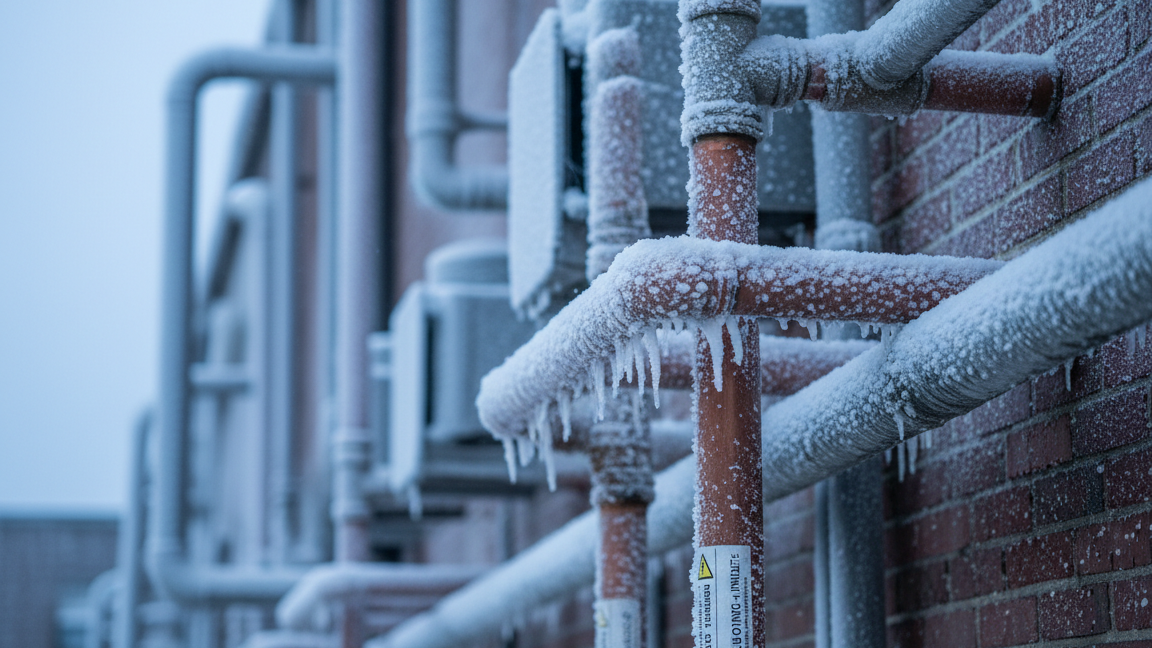
Heating systems exposed to freezing temperatures face genuine risks that glycol freeze protection solves effectively. Understanding when a system requires this protection - and implementing it correctly - prevents costly damage whilst maintaining efficient operation throughout winter months.
Glycol freeze protection becomes essential when heating pipework runs through unheated spaces, serves intermittently occupied buildings, or operates in outdoor environments. Properties including holiday homes, conservatories with underfloor heating, and buildings with external pipe runs all benefit from properly specified glycol solutions. The investment in protection proves far more economical than repairing burst pipes and damaged equipment after freeze events occur.
The most common scenarios requiring glycol freeze protection include ground source heat pumps with underground collectors, solar thermal systems with roof-mounted panels, and heating circuits serving detached outbuildings. These applications share exposure to sub-zero temperatures that standard water-filled systems cannot withstand. Even well-insulated pipework remains vulnerable during extended cold periods or when heating systems shut down overnight or during holidays.
Understanding Glycol Freeze Protection in Heating Systems
What Is Glycol and Why It Matters
Glycol functions as an antifreeze agent within closed-loop heating systems, lowering the freezing point of water to prevent ice formation in vulnerable pipework and components. When water freezes, it expands by approximately 9%, generating forces exceeding 25,000 psi - sufficient to rupture copper pipes, crack heat exchangers, and destroy pump housings. Adding glycol to the system water creates a solution that remains liquid at temperatures well below the freezing point of pure water.
Two primary glycol types serve heating applications: propylene glycol and ethylene glycol. Propylene glycol has become the preferred choice for most domestic and commercial heating installations due to its lower toxicity. Unlike ethylene glycol, propylene glycol poses minimal health risks if leaks occur, making it suitable for residential installations and systems where potential contact with potable water exists. Food-grade propylene glycol formulations meet stringent safety standards whilst providing excellent freeze protection.
Water alone fails in certain heating applications because it cannot withstand the sub-zero temperatures these systems encounter. A central heating system running through an unheated garage, for example, faces freeze risk whenever temperatures drop below 0°C. The same applies to pipework in loft spaces, external walls, or any location where ambient temperatures might fall below freezing during winter months.
How Glycol Protection Works
Glycol molecules interfere with the formation of ice crystals in water, preventing the regular lattice structure that ice requires. This interference lowers the temperature at which the solution begins to freeze, creating a protective margin against cold weather. The degree of protection depends directly on the glycol concentration - higher percentages provide protection at lower temperatures.
The relationship between glycol concentration and freeze point follows a predictable curve. A 25% propylene glycol solution protects systems down to approximately -12°C, whilst 33% concentration extends protection to -18°C. A 50% solution protects to approximately -37°C. Beyond 50% concentration, the freeze protection actually decreases - pure glycol freezes at around -13°C, demonstrating why proper mixture ratios matter.
Glycol solutions transfer heat less efficiently than pure water, meaning systems must account for this reduced thermal performance. The specific heat capacity of glycol solutions drops by 10-20% depending on concentration, requiring marginally higher flow rates to deliver equivalent heating output. This efficiency trade-off proves entirely acceptable given the protection provided against catastrophic freeze damage that could cost thousands of pounds to repair.
Critical Applications Requiring Glycol Freeze Protection
Ground Source Heat Pump Systems
Ground source heat pump installations represent one of the most critical applications for glycol freeze protection. Underground collector loops operate in soil temperatures that can drop below freezing during winter, particularly in northern regions of the UK. Without adequate glycol protection, ice formation in collector pipes causes permanent damage to expensive ground loop infrastructure that proves extremely costly to repair or replace.
These systems typically require 30-35% glycol concentration to provide reliable protection throughout the heating season. The collector loops may extend hundreds of metres underground, making any freeze damage virtually impossible to repair without complete system replacement. Grundfos pumps installed in ground source heat pump systems handle glycol solutions effectively when properly sized, maintaining adequate circulation through the extensive collector network.
The investment in proper glycol protection for ground source systems pales in comparison to potential replacement costs. A typical domestic ground source heat pump installation costs £15,000-25,000, with the ground loop representing a significant portion of this investment. Proper glycol protection costing a few hundred pounds protects this substantial investment throughout the system's operational life.
Solar Thermal Heating Systems
Solar thermal systems depend on glycol freeze protection for year-round operation. Roof-mounted solar panels and associated pipework face direct exposure to winter weather, including overnight temperatures well below freezing. Even during sunny winter days, stagnant fluid in solar collectors can freeze during cold nights if inadequately protected.
The exposed location of solar collectors makes them particularly vulnerable. Panels mounted on south-facing roofs receive maximum solar gain but also experience minimum overnight temperatures due to radiative cooling to the clear night sky. This combination can result in panel temperatures several degrees below ambient air temperature, increasing freeze risk beyond what simple weather forecasts might suggest.
Glycol freeze protection allows solar thermal systems to operate safely year-round, maintaining heat collection capability whilst protecting expensive collector panels from freeze damage. Most solar thermal installations specify 40-50% glycol concentration to provide adequate protection margin, accounting for both ambient temperature extremes and the additional cooling effect of radiative heat loss.
Holiday Homes and Seasonal Properties
Holiday homes and seasonal properties present particular challenges that glycol solutions address effectively. These buildings often remain unheated for extended periods during winter, creating ideal conditions for freeze damage to heating systems. The choice between draining the system and using glycol protection depends on practical considerations including how quickly the property needs to be operational upon arrival.
Draining heating systems provides freeze protection but proves impractical for properties requiring rapid heating upon arrival. The process of refilling, venting, and recommissioning a drained system can take several hours - not ideal when arriving at a cold property in winter. Glycol-protected systems allow heating to remain charged and ready for immediate use whilst providing complete freeze protection during unoccupied periods.
Many Wilo pumps installed in holiday properties operate reliably with glycol solutions, maintaining circulation when heating activates after extended dormant periods. The pumps must be rated for glycol service, as the increased viscosity of glycol solutions compared to water affects pump performance and energy consumption.
Commercial Buildings with Setback Schedules
Commercial buildings with night setback or weekend shutdown schedules also benefit from glycol protection. Modern building management systems often reduce heating during unoccupied periods to save energy, but this approach exposes heating systems to freeze risk during cold weather. The energy savings from aggressive setback schedules can quickly disappear if freeze damage occurs.
Glycol protection allows building managers to implement aggressive setback schedules without compromising system integrity. A building can safely reduce temperatures to near-freezing levels during unoccupied periods, maximising energy savings whilst eliminating freeze damage risks. This flexibility proves particularly valuable for buildings with complex heating systems where freeze damage could affect multiple zones simultaneously.
The relatively modest cost of glycol protection - typically £500-2,000 for commercial systems depending on volume - compares favourably against potential repair costs exceeding £20,000 for extensive freeze damage in large buildings. Insurance providers may also offer premium reductions for properties with properly maintained glycol protection systems.
Determining Your Glycol Concentration Requirements
Climate and Temperature Considerations
UK regional temperature variations significantly affect freeze risk assessment. Properties in Scotland, northern England, and exposed rural locations regularly experience temperatures below -10°C during severe winters. Southern England and urban areas typically see milder conditions but can still experience damaging freezes during cold snaps. Accurate assessment of local climate conditions guides appropriate glycol concentration selection.
Most UK heating systems require between 25% and 40% glycol by volume, depending on regional climate and specific exposure risks. A property in Cornwall with pipework only in heated spaces might need minimal protection, whilst a Scottish highland property with external pipe runs requires substantially higher concentration. Over-specification wastes money and reduces system efficiency, whilst under-specification leaves systems vulnerable during severe cold.
Professional assessment determines the optimal concentration for specific installations, considering factors including minimum expected temperatures, pipe insulation quality, and system operating patterns. National Pumps and Boilers provides expert guidance on glycol protection requirements for various heating applications, ensuring systems receive appropriate protection without unnecessary over-specification.
System-Specific Factors
Pipe diameter and flow rates affect freeze protection needs in ways that concentration alone cannot address. Smaller diameter pipes freeze more quickly than larger ones due to their higher surface-area-to-volume ratio. Low flow rates allow fluid to cool more during its journey through exposed sections. These factors influence both concentration requirements and system design decisions.
Insulation quality significantly affects required glycol concentration. Well-insulated pipework maintains fluid temperature better during cold periods, reducing the glycol concentration needed for adequate protection. Conversely, poorly insulated or uninsulated pipes require higher concentrations to compensate for rapid heat loss. Improving insulation often proves more cost-effective than increasing glycol concentration for marginally protected systems.
Pump capacity requires careful consideration when using glycol solutions. Glycol increases fluid viscosity compared to water, meaning pumps must work harder to maintain equivalent flow rates. Systems retrofitted with glycol may need pump upgrades to maintain adequate circulation and heat distribution. Lowara pumps designed for glycol service incorporate appropriate motor sizing and hydraulic design for viscous fluid handling.
Installation and Maintenance Best Practices
Proper System Installation
Pre-filling procedures and system flushing requirements establish the foundation for effective glycol protection. Systems must be thoroughly flushed before introducing glycol to remove installation debris, flux residues, and any contaminants that could degrade the glycol solution or reduce its effectiveness. Clean systems maintain glycol quality longer and provide more reliable protection.
Mixing glycol with water requires accurate measurement to achieve target concentrations. Pre-mixed solutions eliminate measurement errors and ensure consistent concentration throughout the system. Concentrated glycol requires careful dilution using clean water - ideally deionised or softened water to prevent mineral contamination that could affect system performance or glycol stability.
Filling techniques matter significantly when introducing glycol. Proper procedure prevents air entrainment that causes circulation problems and accelerates glycol degradation. Professional installers use filling pumps and systematic venting procedures to achieve complete air removal. Pressure testing after filling confirms system integrity before commissioning, ensuring no leaks exist that could gradually dilute glycol concentration.
Ongoing Maintenance Requirements
Annual inspection schedules for glycol-protected systems ensure continued effectiveness. Testing protocols verify both concentration and pH levels, as glycol degrades over time through thermal cycling and oxidation. Degraded glycol loses both freeze protection capability and corrosion inhibition properties, leaving systems vulnerable to damage from multiple sources.
Expansion vessels in glycol-protected systems require proper sizing to accommodate the different expansion characteristics of glycol solutions compared to water. Glycol expands more than water when heated, requiring larger expansion vessels to prevent excessive pressure build-up. Undersized expansion vessels cause frequent pressure relief valve discharge and potential system damage.
Documentation of glycol-protected systems proves essential for ongoing maintenance. Installation records should specify glycol type, concentration, system volume, and installation date. This information guides future maintenance decisions and ensures replacement glycol matches original specifications. Annual test results added to system documentation track glycol condition over time, identifying degradation trends before protection becomes inadequate.
Safety and Regulatory Considerations
Glycol Safety Requirements
Food-grade propylene glycol versus industrial ethylene glycol represents the fundamental safety choice in glycol selection. Propylene glycol's non-toxic properties make it suitable for any installation where accidental human contact could occur. Ethylene glycol, whilst offering slightly better heat transfer properties, poses serious health risks if ingested and faces regulatory restrictions in many applications.
Building Regulations requirements for freeze protection vary depending on system type and location. Systems connected to or near potable water supplies must use propylene glycol to eliminate contamination risks. The interaction between glycol and pump valves requires consideration during system design, as some valve types prove unsuitable for glycol applications.
Manufacturer warranties sometimes include specific requirements for glycol-protected systems. Boiler and pump manufacturers typically approve glycol use but may specify maximum concentrations, approved glycol brands, or maintenance requirements. Following manufacturer guidelines ensures warranty protection remains valid whilst providing necessary freeze protection.
Disposal and Environmental Compliance
Disposal regulations for used glycol solutions require proper attention. Glycol cannot be disposed of through standard drainage systems due to its environmental impact. Professional waste management services collect and properly dispose of used glycol, ensuring compliance with environmental regulations whilst protecting local water sources.
Storage requirements for glycol concentrates include protection from contamination and proper labelling. Concentrated glycol should be stored in original containers or clearly marked alternative containers, away from food preparation areas and accessible only to authorised personnel. Proper storage maintains glycol quality and prevents accidental misuse.
Cost-Benefit Analysis of Glycol Protection
Investment Versus Risk
Typical costs of glycol protection for residential heating systems range from £200-500 including installation, depending on system volume and glycol concentration required. This modest investment compares favourably against potential freeze damage repairs exceeding £5,000 for burst pipes, damaged heat exchangers, and ruined pumps. The financial case for protection becomes overwhelming when considering the disruption and inconvenience of freeze damage repairs.
Long-term maintenance costs of glycol-protected systems remain modest when proper procedures are followed. Annual testing costs approximately £50-100, whilst complete glycol replacement every 5-7 years adds £150-300 depending on system volume. These predictable maintenance costs prove far more manageable than the unpredictable and potentially catastrophic costs of freeze damage.
Energy efficiency impacts of glycol solutions deserve consideration, though they rarely outweigh freeze protection benefits. Glycol solutions transfer heat less efficiently than water, requiring marginally higher flow rates to deliver equivalent heat output. The practical impact on energy consumption remains modest in properly designed systems - typically 3-5% increase in running costs compared to water-only systems.
Alternative Protection Methods
Electric trace heating for exposed pipework provides an alternative to glycol but requires continuous power consumption and proves vulnerable to power failures during storms - precisely when freeze risks peak. The ongoing electricity costs and maintenance requirements often exceed the lifetime cost of glycol protection for most residential applications.
Improved insulation combined with maintained heating levels prevents freezing in some situations but proves unreliable if heating equipment fails during cold periods. This approach also wastes energy by maintaining temperatures higher than necessary simply to prevent freezing. Glycol protection allows more aggressive energy-saving strategies without freeze risk.
Automatic drain-down systems work for simple installations but prove impractical for complex heating systems with multiple zones, DHW pumps, and modern controls. The complexity of draining and refilling such systems makes glycol protection the only practical option for many commercial and sophisticated residential installations.
Making the Decision
The decision to implement glycol freeze protection ultimately depends on realistic assessment of freeze risks versus protection costs. Systems with any exposure to freezing temperatures - whether through unheated spaces, intermittent operation, or outdoor components - justify glycol protection. The modest investment in proper protection prevents potentially catastrophic damage whilst enabling more flexible heating control strategies.
Properties in vulnerable locations, buildings left unheated during winter periods, and systems with external components all warrant serious consideration of glycol protection. Professional assessment identifies specific risks and determines appropriate protection levels for each installation, ensuring neither under-protection nor wasteful over-specification.
For expert advice on protecting heating systems from freeze damage, Contact Us to discuss specific requirements and receive professional recommendations tailored to individual installations.